View as webpage

PSLadvance

Image montage of precipitation, drought, ice, and floods

β€” SPRING 2026 β€”

THE LATEST NEWS

Learning from the past: NOAA team unveils interactive library of extreme precipitation event data

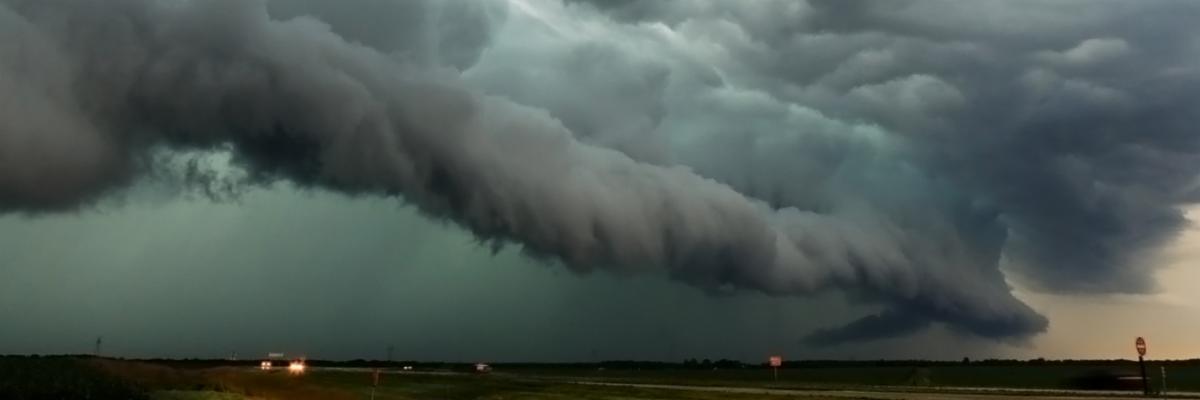
Severe warned storm with shelf cloud | NOAA Weather in Focus Photo Contest 2015 | Kevin Radley

As part of the Probable Maximum Precipitation (PMP) Estimation Modernization project, the NOAA PMP team has launched a new interactive historical precipitation event data library. Gathering extreme precipitation data in this one location greatly improves researchers ability to analyze past storms to better understand how they developed and ultimately impacted a specific area.


This library currently features 21 historical storm cases from 1996 to 2024. The team plans to continuously expand this resource with additional cases.

β€Š

Groundbreaking atmospheric river forecasting collaboration crosses the finish line

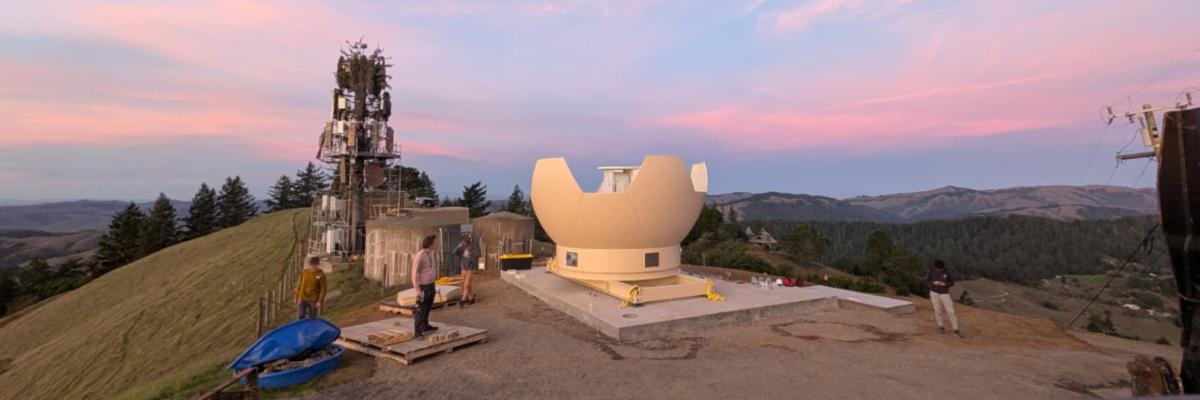
Installation of a cream-colored C-band weather radar for the AQPI project on a ridge in the San Francisco Bay Area. The radome base sits on a concrete pad against a vibrant pink sunset, with a telecommunications tower and rolling hills in the background

When big storms approach California, accurate and timely precipitation estimates become critical for making decisions regarding public safety, infrastructure operations, and emergency response preparations. Yet, forecasting rainfall and runoff in California’s complex coastal terrain is challenging. Enter the Advanced Quantitative Precipitation Information system (AQPI) which is now fully operational.


AQPI is a regional radar and advanced rainfall forecast system that gives emergency managers and water agencies in the San Francisco Bay area more accurate and timely warnings about potential flooding and runoff impacts from heavy rainfall events. It is the successful culmination of a decade of collaboration between NOAA, Colorado State University, and Scripps' Center for Western Weather and Water Extremes.

β€Š

More AQPI updates


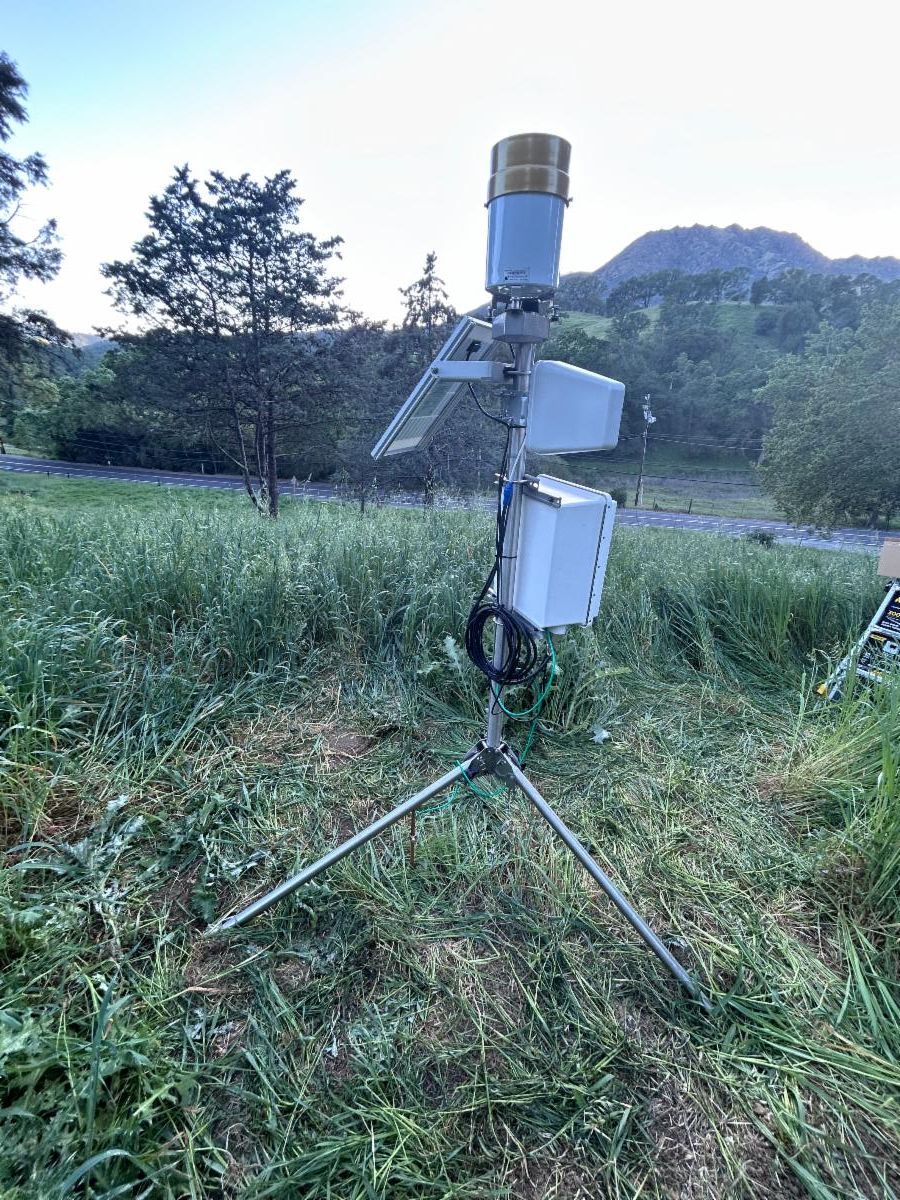
As part of ongoing support for the AQPI project, PSL has installed 20 rain gauges in the great San Francisco Bay Area. See the locations as part of the PSL Observation Network.

Photo: Tipping bucket rain gauge installed near Clayton, California, with Mt. Diablo in the background.

A bucket rain gauge at the Clayton, California obs site
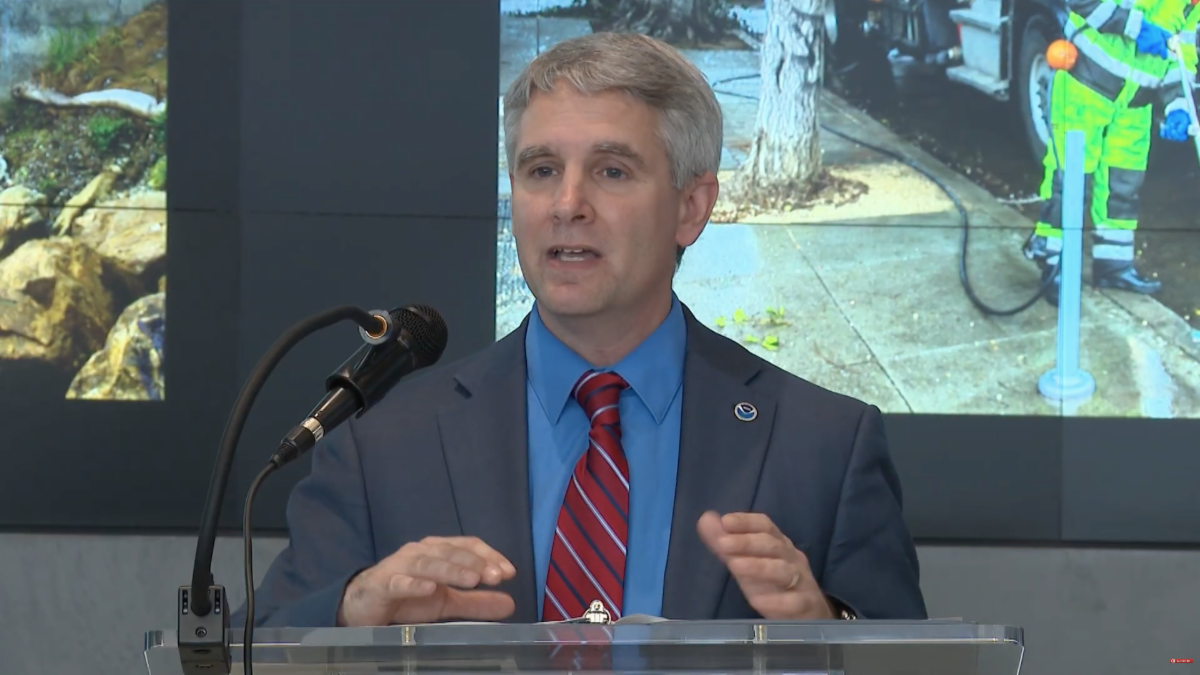
NOAA Research AA Steve Thur addresses a crowd at the AQPI celebration event - March 2026

Associate Administrator of NOAA Research and Acting Chief Scientist Steve Thur made public remarks at the AQPI celebration event in San Francisco at the end of March.


ο»ΏWatch via SF Water Power Sewer YouTube

β€Š

Closing the gap: More precise observations supporting sea ice forecasting in the far north

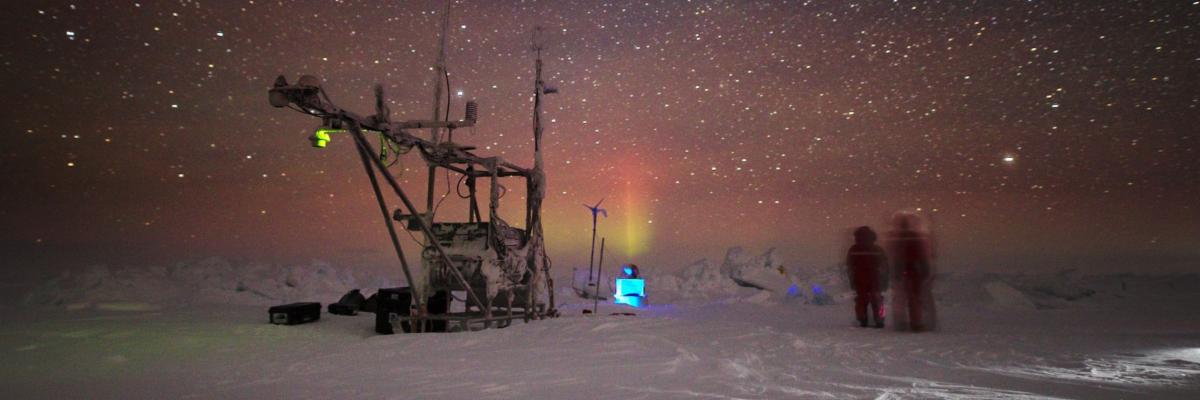
Two bundled researchers looking into the Arctic night sky with aurora borealis visible. A piece of environmental monitoring equipment is nearby taking measurements for the MOSAiC expedition

A recent study by PSL and the University of Colorado Boulder’s Cooperative Institute for Research In Environmental Sciences (CIRES) establishes a new standard for air-sea ice observations in the Arctic that represents a significant step towards improving sea ice prediction models. The research is based on the 2019/2020 Multidisciplinary drifting Observatory for the Study of Arctic Climate (MOSAiC) expedition in which PSL and CIRES were significantly involved.

β€Š

Scientists from NOAA PSL and GSL release global aerosol dataset to assist with weather modeling

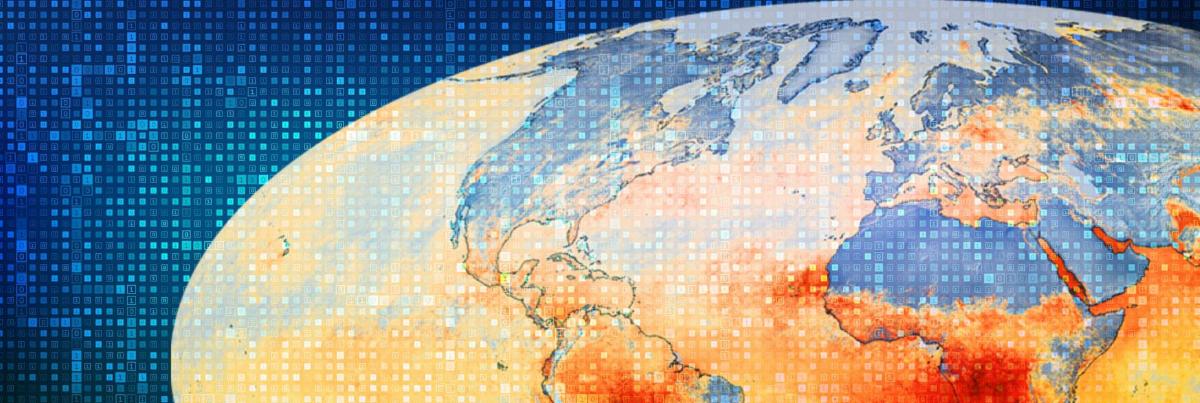
Satellite-derived global aerosol distribution (NOAA/NESDIS September 17, 2017) and Adobe Stock/iuriimotov

Scientists from the Cooperative Institute for Research in Environmental Studies (CIRES) working at PSL and NOAA's Global Systems Laboratory (GSL) have released a new global dataset of aerosols: the NOAA Aerosol ReAnalysis (NARA) Version 1.1.


The release of NARA v1.1 provides a valuable new reanalysis resource for the scientific and operational community in support of weather and air quality research, model development and validation, and intercomparison with other global aerosol reanalyses.

β€Š
LinkedIn square logo

PSL is now on LinkedIn!


Follow our page for the latest from the lab and to connect with the PSL community.


Visit the PSL LinkedIn Page

β€Š

AWARDS/HONORS

β€Š

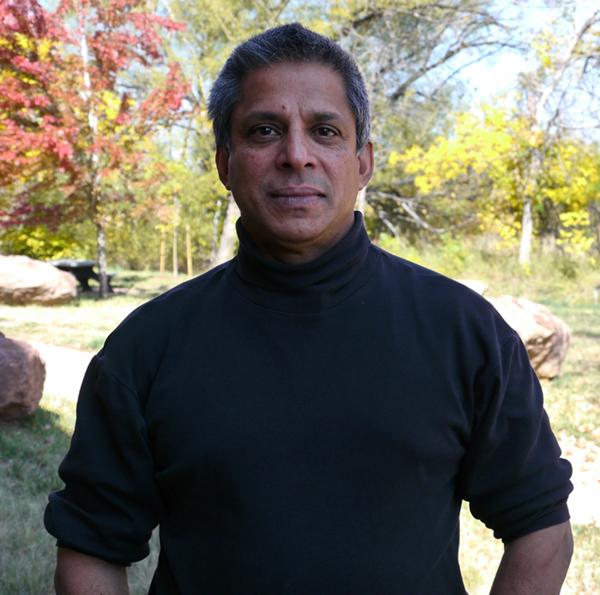
Pulwarty elected as 2025 AAAS Fellow

PSL Senior Scientist and Acting Director Roger Pulwarty has been elected as a 2025 American Association for the Advancement of Science (AAAS) Fellow. He becomes the 30th AAAS Fellow from NOAA since 1976.

β€Š
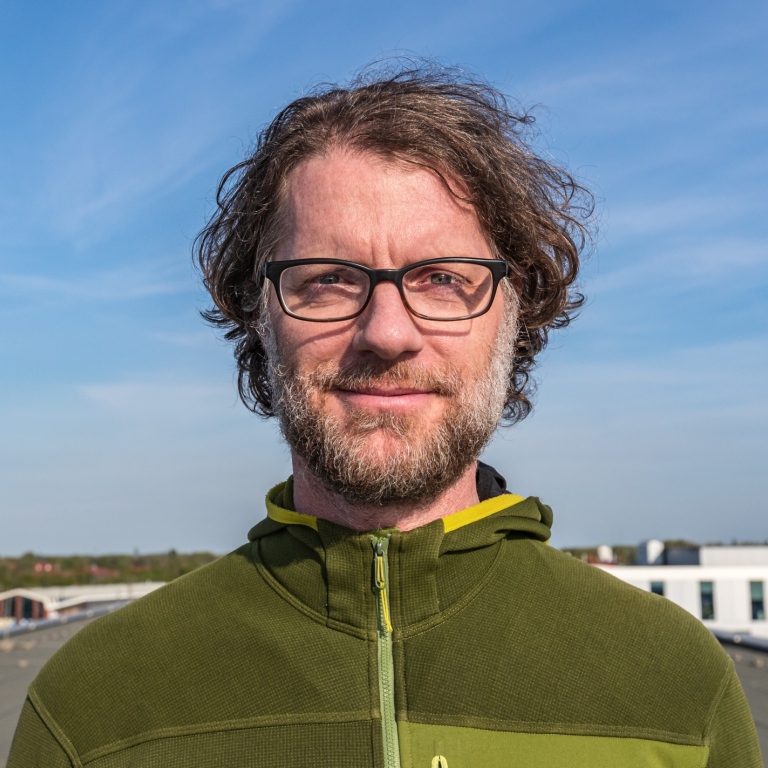
Matthew Shupe headshot

Matthew Shupe from PSL’s Boundary Layer Observations and Processes and the Cooperative Institute for Research In Environmental Sciences at CU Boulder has been awarded the King XVI Gustaf Professorship in Environmental Science for the 2026-2027 year.


This enables him to spend a year at Stockholm University conducting collaborative research on Arctic processes, model assessment, and societal implications of Arctic change.

Melissa Breeden headshot

Melissa Breeden from PSL’s Hydrology Applications Division has been selected to receive the 2025 AOS Early Career Alumni Award by the Department of Atmospheric and Oceanic Sciences (AOS) at UW–Madison.


The award recognizes alumni who in their early career have made impactful contributions to the atmospheric and oceanic sciences and community, or the general welfare of society.

β€Š

PUBLICATIONS

β€Š

Publication Reports: October 2025 through March 2026


See a list of peer-reviewed products from lead and contributing PSL authors from October 2025 through March 2026.


For a full list of PSL publications from this and past years, visit the PSL Publications database. 

Adobe Stock image of paper journals stacked on top of each other
β€Š

SEMINARS

β€Š
Photo montage of arid environments

NOAA Drought Seminar Series launched


PSL, in collaboration with the National Integrated Drought Information System, and the National Weather Service's Climate Prediction Center has launched the NOAA Drought Seminar Series, a recurring monthly event dedicated to drought monitoring, prediction, and predictability to help establish a focused platform where national drought research, operational, and user communities can exchange the latest tools, research findings, and risk reduction activities.


The inaugural seminar was held on April 13, 2026, featuring Richard Seager from the Lamont Doherty Earth Observatory of Columbia University presenting Pathways of Ongoing Aridification in Southwest North America: Linkages across seasons in the ocean-atmosphere-land system. Get more info and view the recording


The next drought seminar is:

May 11, 2026 at 1pm ET (11am MT) - Jon Gottschalck of the National Weather Service Climate Prediction Center (CPC) on CPC Operational Drought Services: An overview of drought monitoring and prediction products, outlook verification, Impact-Based Decision Support Services (IDSS) activities, and ongoing developmental effort. Register now

β€Š

PSL Science Seminars


The next PSL science seminar is May 5, 2026, at 4pm ET (2pm MT) with Ben Hatchett from the Cooperative Institute for Research in the Atmosphere (CIRA) at Colorado State University / NOAA Global Systems Laboratory presenting "A Love Letter to the Twentieth Century Reanalysis."


Visit the PSL Seminar Series page for more information on this and upcoming seminars.

β€Š
β€Š
β€Š
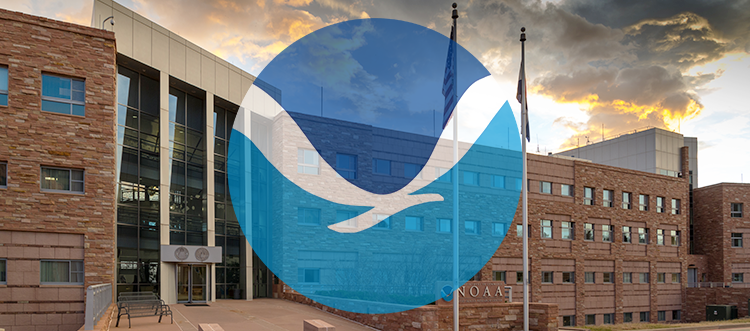
Exterior entrance of the David Skaggs Research Center in Boulder, Colorado, with the NOAA logo overlaid

ABOUT PSL

The Physical Sciences Laboratory (PSL) is one of ten NOAA Research Laboratories and one of four labs co-located in the David Skaggs Research Center in Boulder, Colorado. PSL conducts research to advance the prediction of water availability and extremes.

psl.noaa.gov

Did someone send you this newsletter? Sign up to get it directly!

β€Š