🇲🇽🇺🇸 What Comes Next: Key Takeaways from

Ciudades Paralelas / Parallel Cities 2026


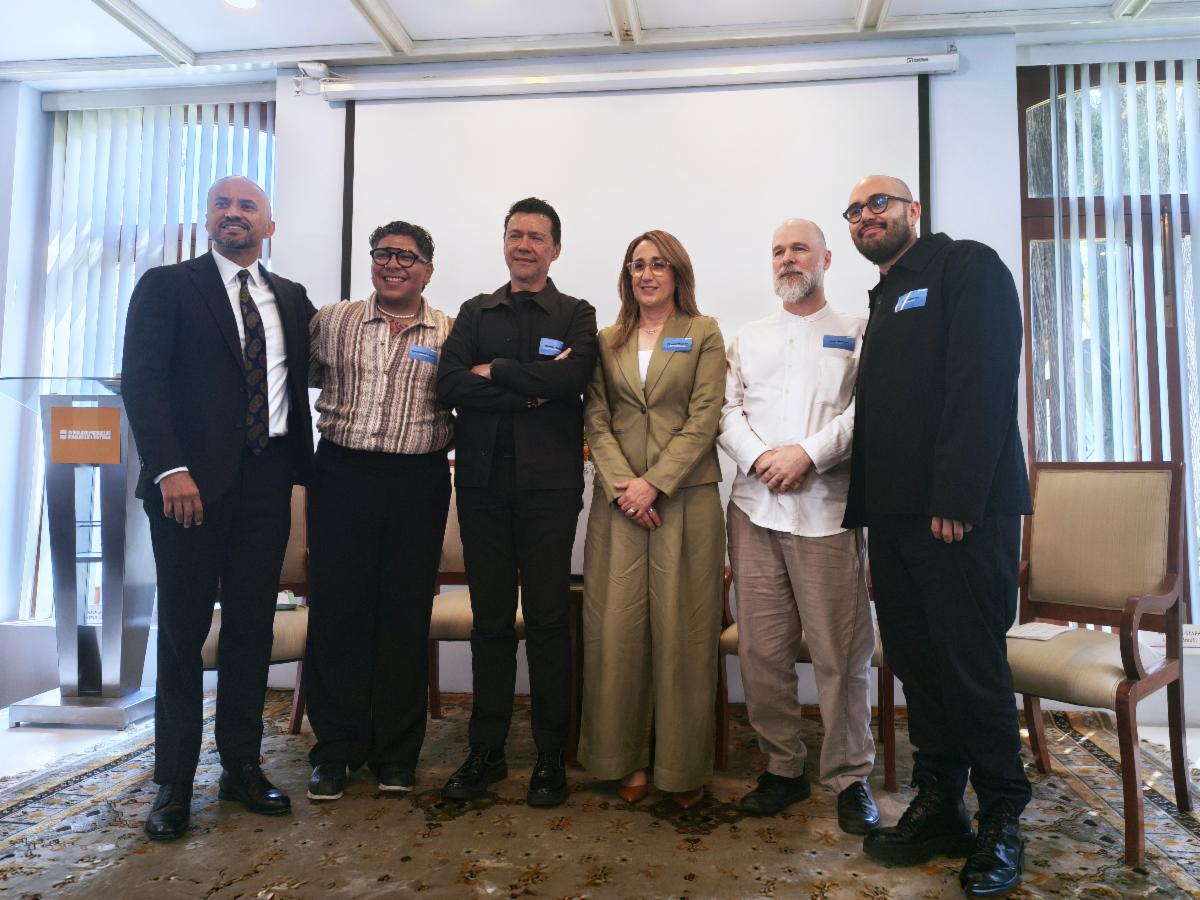
If you weren’t able to join SAFER for Ciudades Paralelas / Parallel Cities 2026, we’re excited to share a glimpse into what made this year’s gathering so impactful. 

Throughout the forum, leaders and practitioners came together in a dynamic exchange on
the future of housing and urban development in Mexico City and Los Angeles. What emerged were thoughtful, cross-border perspectives and practical ideas that continue to shape the conversation.

We’ve
highlighted exclusive key themes and takeaways that capture the energy of the discussions and the direction many of these ideas are pointing toward as the work moves forward.

1) Build for diverse needs


Cities are shaped by multiple lived realities. Urban planning must center diverse trajectories and move beyond a dominant framework. Across Mexico City and Los Angeles, there is a need to design with—not just for—community complexity. 


2) Bolster socioeconomic safety nets


Housing stability depends not only on supply, but on the strength of the social systems that support access and security. Strengthening protections, pathways to access, and community-based support systems is essential to building long-term resilience. 


3) Move beyond housing as a market commodity


Housing must be understood as essential social infrastructure, not merely an appreciating asset. Growing inequality is reinforced by a global market that values future price escalation over the ability to support the lives of individuals and families.

4) Rules: break them or work within them? 


Urban rules are shared agreements—not fixed limits—that shape how cities are built and governed. Effective practice requires knowing when to work within existing systems and when to challenge or rethink them, while keeping people's experience at the center of how cities are designed and understood. 


5) Innovation requires hybrid, multiscale models 


Housing innovation requires a portfolio of solutions, not a single delivery model. Progress depends on aligning policy, finance, and community-responsive design. A hybrid, multiscale approach is essential to meeting housing needs and supporting how communities grow.


6) SAME Network expands access to housing development 


Ciudades Paralelas / Parallel Cities highlighted the gap between urgent housing needs and barriers facing emerging developers. The SAME Network (Small and Mighty Entrepreneurs), a SAFER program, equips early-stage entrepreneurs with the tools and connections to move into practice.

The conversation doesn’t end here. Stay connected and explore more of SAFER’s work, insights, and what’s ahead.


To help us reach even more people, please follow SAFER on LinkedIn by clicking the button below and share our page with your network.