ISSUE 184, October 16, 2026 | | | |
|
DURUM
Ryan Statz, Merchant
| | |
- Quality remains focused on number one. Deciphering Canadian grade distribution within. We know abundant harvest rainfall rocked quality in pockets. The degree to which is really the million-dollar question.
-
CWAD #1, 2, 3, and 4’s will find their way to export outlets. The #5’s likely will not, and that is what the market will home in on in terms of quantities that exist. How much of the Canadian crop is not milling quality?
- Canadian durum exports are running more than 80% ahead of last year at this time.
- Because of export pace and quality unknowns, top-tier quality markets have firmed, and spreads to lesser grades have widened.
-
It will be the market’s job to find and manage this quality. Values will ultimately be determined by the market’s ability to resolve this situation.
- There are still many unknowns as this situation plays out.
- Markets for top-tier quality likely stay firm while this is sorted, and spreads will stay wide to incentivize the movement of it.
- Overall, the market’s attention will stay on quality rather than yields and the outright size of production.
- If additional downgrading in quality is confirmed, stronger premiums could develop for higher-quality durum even if the total US/Canadian production remains adequate.
- As said in previous reports, there are a lot of factors pushing/pulling other commodities, which is playing into durum strength and/or weakness. These remain:
- Middle East turmoil, China trade ideas and agreements, higher fuel/freight costings, row crop harvest, US HRW planting conditions, etc.
| |
BARLEY
Matthew Schorn, Senior Merchant
| | | |
Malt Demand and Price Trends
-
Malt barley quality remains variable following a wet harvest, with concerns around test weight, plumpness, protein, and sprout damage.
-
Malt bids have shown some firmness, but values remain well behind wheat and feed-grain alternatives. Quality premiums will depend on available supply and individual maltster requirements.
-
Producers should have representative samples tested and understand their grade and potential malt premium before deciding whether to market barley as malt or feed.
Canadian Domestic Feed Market
-
Feed markets continue a sideways price trend with increased harvest availability and ongoing quality issues in wheat meeting current demand requirements.
-
Wet harvest conditions have created additional feed-quality wheat, but exports are providing an important alternative outlet at stronger prices, potentially drawing supplies away from domestic feedlots.
-
Weaker corn futures are improving corn's competitiveness in feed rations and may limit upside potential for domestic barley and wheat.
-
Feed barley may find support from a lack of grower selling and higher wheat and corn values. However, increased harvest movement and improving nearby availability could limit further price gains.
- Higher freight costs and limited carrier availability may have an impact on market values, as moving grain into key demand markets becomes increasingly challenging.
| | |
HARD RED WINTER WHEAT
Ryan Statz, Merchant
| | | |
- Between explosive July/August KC futures and a continuously firming freight environment, what started as a supply problem (466 mbu US production in ‘26/27 versus 806 mbu in ‘25/26) quickly turned into a demand problem.
- The old adage of “high prices cure high prices” is unfolding in real time. Simply put, with the size of the world crop, high US prices rationed off demand in a big way.
- Aug/Sept exports off the PNW for ‘26/27 are totaling ~12.6 mbu versus Aug/Sept ‘25/26 exports off the PNW at ~25.0 mbu.
- Additionally, most of the ‘26/27 demand seen thus far was for very routine destination business (Japan, S. Korea, Taiwan). Outside of standard/clock business, the PNW is not competitive at all.
- As said in prior reports, domestic demand is also going to be lower to start the year with HRW/HRS spreads that incentivized more HRS usage.
-
The suspect demand mentioned above is becoming well known, and with it, prices are doing their best to counteract. KC futures are down nearly .75/bu in the last 3 weeks. The path of least resistance has been down, and this could remain until the market finds an outlet to move it.
- Again, the HRW market has a demand problem and is working to find a solution. This is taking the market’s attention in the nearby.
| | |
|
HARD RED SPRING WHEAT
Justin Beach,
Red Wheat Product Line Manager
| | | |
We are back to where we were 2 weeks ago for MWZ futures, but a lot has happened since then. PNW export sales were strong in the last report, and I expect another 2 strong reports. This was driven by a large scale-up in Canadian offers over the past month on the heels of quality concerns. We have seen basis offers come down the last 3 weeks for 300+ FN Canadian wheat in Vancouver. It seems as if the Canadian commercial system is more confident managing this crop and sorting through quality. They will have FN challenges all year long, but the market figured it out quickly, it seems, for now.
We are also running into increased Canadian competition down to Mexico. However, the US has done a fair bit of Canadian business over the past few weeks. It still feels like there’s a strong floor under basis premiums going forward. We continue to see SE Asia interest nightly, but the majority is continued price checking. US millers are playing coy and saying they have strong coverage through December with few holes to fill.
Also, decreased row crop home availability for Oct-Dec may pressure additional wheat to market along with seasonally cheap rail freight. We continue to watch geopolitics, and demand shifts due to Canadian trade flows.
| | |
|
SOFT WHITE WHEAT
Steve Yorke, Merchant
| | | |
A very quiet couple of weeks on the wheat side. Cash prices have remained in a tight range of 650-670 with little hope of moving higher unless the demand picture changes dramatically. The latest USDA crop report came out as expected with very small changes to the wheat balance sheets. Ending stocks increased slightly on higher supplies and reduced exports. White wheat ending stocks came in at 80MBU compared to 68MBU reported in the September report. Not the direction we would like it to go in. Exports did remain on the higher end at 225MBU, which is a very good sign, but feed/residual use was reduced.
On the bright side, basis levels have continued to strengthen and are currently trading in the (-.20 to -.05c) range over WZ futures. We could continue to see improvement here, but as we have talked about many times, it will take steady demand and the board to continue to trade lower.
The latest report out of Australia is pegging wheat production at 31.1MMT, off last year but better than earlier expected due to timely precipitation. Their harvest starts in late October and can run through early January. The Black Sea region continues to be an issue, and logistics are not getting better. Demand is being pushed elsewhere, but currently the U.S. is not seeing much of the business. More to come on this in the weeks/months ahead.
Dates and locations for December grower meetings will be posted by the end of the month. Look for a text alert or call into your local office for more information.
https://columbiagrain.com/producer-solutions/
|
| |
|
Joe Foley,
Product Line Manager - Corn & Soybeans
CORN
|
| | |
CBOT corn prices were hit hard following the release of the October WASDE report. The USDA raised the national yield by nearly 3bpa to 181.2bpa, while the market had been looking for a slight decrease. Accordingly, U.S. production was raised 234mln bushels, most of which trickled down to the carryout, now estimated at 1.849bln bushels. The reaction was quick and severe in Chicago, especially given massive fund length in the row crops.
Meanwhile, the U.S. harvest is advancing, albeit slightly below average pace (33pct complete vs. 39pct avg). There would appear to be serious headwinds now for corn prices as the carryout may well be approaching 2.0bln bushels (2.095bln last year). Indeed, the exports estimate on the WASDE supply and demand report may be optimistic @ 3.300bln bushels given stiff competition from S. America, which particularly affects the PNW.
Conversely, corn prices in France are setting contract highs as the Europeans come to grips with a massive crop failure in France; current production estimates are in the 5-6mmt range following last year’s 13.5mmt crop. This will necessitate an additional 3-5mmt of E.U. imports. Watch the export sales going forward as well as harvest progress and yield reports from the interior.
| | |
|
Joe Foley,
Product Line Manager -
Corn & Soybeans
SOYBEANS
| | | |
Soybean prices have been drifting lower as harvest progresses in the U.S. The most recent USDA crop progress report puts the harvest at 46pct complete nationally, with ND now called 60pct done. Anecdotal yield reports from our ND contacts are quite favorable, if not surprisingly big. While welcomed by our producers, it does present some logistical issues as the pace and volume of deliveries exceed everyone’s expectations.
The USDA released its October WASDE report without any major surprises, tweaking the U.S. crop higher to 4.562bln bushels and taking the carryout forecast up to 315mln bushels. Prices were eventually dragged lower in sympathy with sharply lower corn prices (see below).
On the export front, China has returned to our export markets with reports of as many as 25 cargos bought over the last few days, which is certainly welcomed. Unfortunately, the new business is in the December-January time frame, which does little for the bushels currently pouring into the ND elevators. Still, the opportunity is there, but space to carry the beans is paramount. Watch for more yield reports from the country, the pace of harvest, and how much additional buying from the Chinese materializes for forward price guidance.
| | |
The lentil market has stabilized over the last couple of weeks. Destination buyers have realized they need to pay current values and that the market will not drop back down to harvest levels. The grower seems to be supporting current pricing levels as well.
India has released another green lentil/tur tender for 60,000mt of split product, and we expect the tender to be satisfied with green lentils (not tur from India/Africa), which has improved buying sentiment in the India market. Buyers have enough green lentils in India to cover this tender and some of the next tender, which is good as container transit times are now 4 months, which is very long.
Sales can be made overseas, but markets seem rangebound as buyers are taking big risks since anything bought today won't arrive for 6-7 months.
From a local perspective, many of CGI's lentil processing facilities are now booking into the 2027 calendar year for next available shipment windows, so please make sure to talk to your grain buyers if you are looking for pricing/movement/cash flow in that window to ensure you do not miss the capacity.
| |
YELLOW PEAS:
The U.S. yellow pea market continues to trend sideways. Pea protein companies continue to lead interior bids to keep operations running while the rest of the market remains stagnant. Large destination markets like India, Pakistan, and China continue to buy bulk yellow pea cargos from cheaper origins, like Canada.
Global export demand for yellow peas has remained firm since harvest. However, U.S. yellow peas are uncompetitive at the producer level for any export demand to trade in meaningful volume. The prolonged absence of USAID yellow pea food aid has left a large void for U.S. demand.
2026 U.S. field pea (both green and yellow) stocks are estimated to be the biggest total stocks in the last 5 years, potentially 200,000 MT larger than last year. If USAID food aid demand does not return this year, U.S. field peas will likely achieve the biggest carryout of field peas in the last 5 years.
GREEN PEAS:
In regard to green peas, two weeks ago we reported the good news that there was a high probability that additional tariffs on USA peas to China would be lifted, and tariffs would be in line with competition from other origins. To this point, unfortunately, the Chinese system has not lifted the tariffs, and so we have not seen much buying lately from our largest market.
Markets have had some firmness on the back of the green split pea tender in the USA, but this is viewed largely as a selling opportunity given volumes are still limited and carryout stocks remain burdensome.
| | |
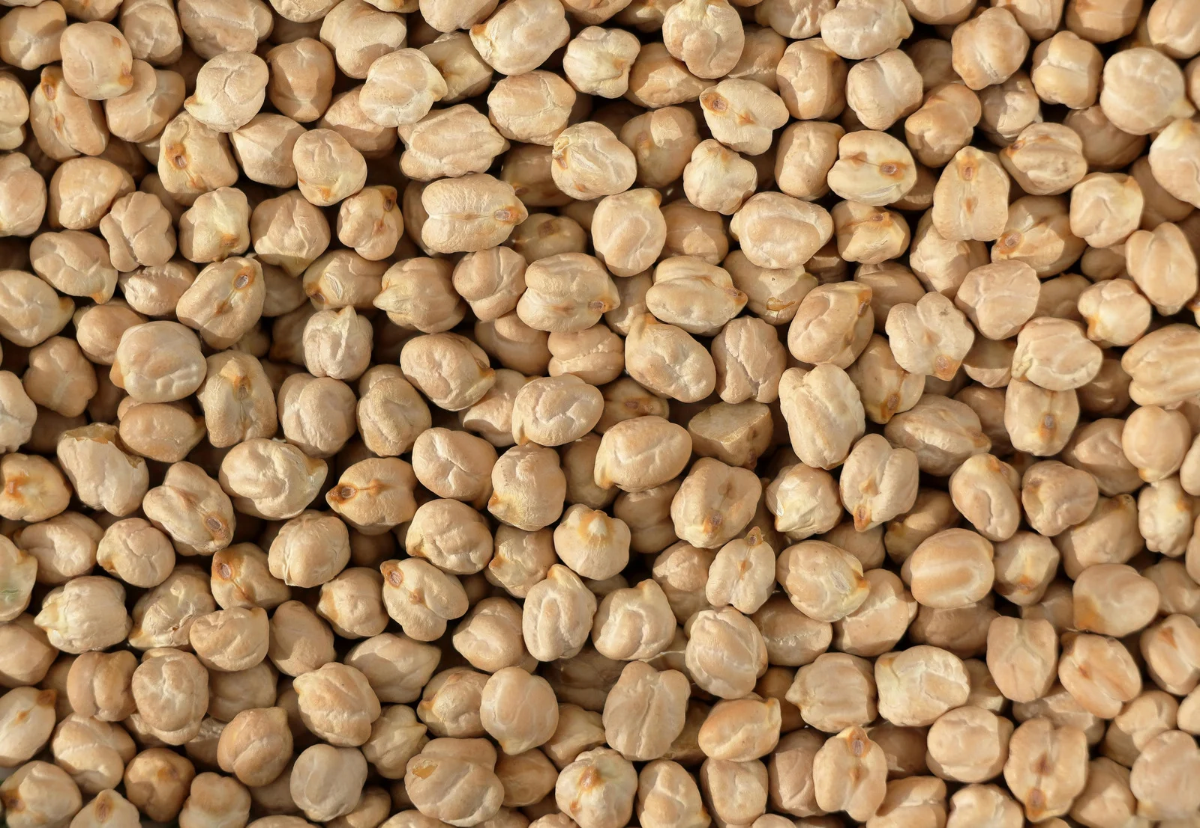
Kabuli chickpeas feel more volatile amid Canadian crop quality concerns and Russian logistical issues. Argentinian chickpea harvest will reportedly take place from October to December. Export demand price levels are attempting to fight off any price hikes, while North American producers seem less than content with current interior bids.
The direction of price over the next 90 days will be largely influenced by Argentinian harvest results, along with more clarity on the Canadian crop's quality. Both items remain a question mark today. Prolonged complications in the Black Sea will likely continue to support price levels, regardless of Canadian and Argentinian crop results.
| | |
Last week, the USDA published the official dry bean state yields for the 2026 crop year. All states had lower yields year-on-year. Notably, North Dakota's yield was reduced from 1,600 lb/acre to 1,400 due to the drought. NE, at 2,400, was down from 2,520 in 2025, but overall, the yield is still slightly above average over the past 10 years. Given the irrigation availability concerns this year, it’s a respectable yield that surpassed the estimates from earlier in the growing season.
The next focus for the trade is the Mexico crop that’s starting harvest in 2 weeks. There’s an extremely wide range of production estimates for that crop due to low acres, variable rainfall totals across production regions, and generally poor information availability from the Mexico dry bean growing regions. The Mexican government has yet to publish its procurement strategy for the year, which dictates much of how the market trades for the year.
| | | State | 2026 Edible Bean Yield (LB/ACRE - all varieties) | | ND | 1400 | | MN | 2140 | | MI | 2300 | | NE | 2400 | | WA | 2650 | | CO | 1900 | | ID | 2900 | | | |
Matt Schorn, Senior Merchant
Geopolitical and trade uncertainty continue to drive volatility across commodity markets. Recent U.S.–China discussions and Chinese purchases of U.S. soybeans offer some optimism, but sustained demand remains uncertain as soybeans remain excluded from proposed tariff reductions. Meanwhile, continued Russia–Ukraine conflict and Black Sea shipping disruptions remain key risks to global grain trade.
October WASDE Recap
Corn: USDA raised projected 2026/27 U.S. production to approximately 16.0 billion bushels, with ending stocks increasing to 1.849 billion bushels. Larger stocks and higher production outweighed improved export demand, creating a more comfortable supply outlook and increasing pressure on prices.
Soybeans: U.S. production was raised to approximately 4.562 billion bushels, with ending stocks projected at 315 million bushels. Recent Chinese purchases provide some support, but sustained export demand will be critical as the U.S. harvest advances and South American supplies remain competitive.
Wheat: Projected U.S. ending stocks increased to 740 million bushels, while exports were reduced to 750 million. Globally, ending stocks are projected slightly lower at approximately 276 million metric tons. Black Sea export risks and wet Canadian harvest conditions could influence global supplies and the availability of milling-quality wheat, creating opportunities for select grades and classes.
With larger U.S. corn and soybean supplies, mixed wheat fundamentals, and ongoing geopolitical uncertainty, markets may remain volatile through harvest. Producers can use marketing tools to manage price and basis risk, establish target values, and maintain flexibility as opportunities arise.
Columbia Producer Solutions Tools:
- Good-till-Cancelled (GTC)
- Basis Contracts
- Accumulator Contracts
- Cash +
- Average Price Contracts
- Ratchet Order
- Collar Orders
Reach out to your local buyers and managers to review these options, or others, on our Columbia Producer Solutions platform of marketing tools.
| | |
INTERNATIONAL BUSINESS
Yuya Takano and Wiley Wang
International Merchants
| | |
CORN
PNW has been competing for demand this week with some wins, it all depends on the global ocean freight fluctuations. There are some reported issues of South America farmer selling progresses, so from time-to-time PNW come on top to far east markets.
SOYBEANS
USDA reported over 1 mln mt soybean sales for last week and this week so far. These should all to China. This will tighten PNW export capacity as expected, provide support to domestic rail freight.
Heard private crushers in China continue to buy Brazilian and Argentina soybeans, based on economics.
WHEAT
PNW wheat export continues to face heavy competition from Canada for spring wheat, and Argentina/EU for mid to low protein wheat.
CWRS continue to offer 13pro with 275 falling numbers to most buyers, while most traders feel better about the overall quality of their harvesting.
Australia begins to re-position their FOB values, with better weather conditions than previously expected.
PNW continue to struggle to find export demand for HRW with elevated high prices.
| | | | |