Rest easy, no April Fool's jokes here... | | |
Happy April from the IWLS crew! Are you as ready for spring as we are?!
In this month’s newsletter:
April is Stress Awareness Month. Stress management is key for weight management. Stress increases cortisol levels in the body, which can increase your appetite and cravings for sugary and high-fat foods. Stress also disrupts sleep and energy levels. IWLS therapist Baylee O’Brien provides practical strategies for stress management, including a 5-minute stress reset technique!
💡 Tips for hair shedding with weight loss surgery and GLP-1’s, plus our favorite ways to de-stress, beginner exercise tips with certified personal trainer Derek Groathouse, and an introduction to our metabolic testing service.
| | |
This month, we celebrate Administrative Professionals Week (April 19-25). THANK YOU to our hard-working and dedicated admin staff. Our clinics would not operate without them, and we are so grateful for their dedication to serving patients with a smile.
🌎 April 22nd is Earth Day! When it comes to our health and the health of our planet, we can take steps to be more eco-friendly: buying seasonal and locally sourced produce, incorporating more plant-based foods in our diet, reducing food waste, reducing processed and packaged foods, growing a garden, and using transportation options such as walking or cycling.
| | |
Therapist Tips for Managing Stress
Baylee O'Brien, LISW
| | |
As a therapist, one of the most common things I hear is, “I’m just really stressed.” And the truth is, stress is a normal part of life—it’s not something we can completely eliminate. What we can do is learn how to respond to it in ways that are more supportive to our mind and body.
One of the first things I encourage people to focus on is their physical state. Stress often shows up in the body before we even realize it mentally. A few ways stress can show up is in the form of muscle tension, fatigue, digestive issues, sleep problems, sickness, and other symptoms. Taking a short walk, stepping outside, soaking in a few minutes of sun, or some gentle movement can help regulate your nervous system and create a sense of calm.
It’s also important to adjust expectations during stressful times. Many people put pressure on themselves to function at 100% no matter what’s going on. In reality, giving yourself permission to do “enough” instead of “everything” can reduce stress significantly.
Small pauses throughout the day can also be helpful. Something as simple as slowing your breathing for a minute or two can interrupt the stress response and help you reset.
Lastly, connection matters. Whether it’s a friend, family member, or provider, talking things through can help you feel supported and less alone.
Stress may not go away, but with a few small, consistent strategies, it can feel much more manageable.
| |
5-Minute Stress Reset
When you’re feeling overwhelmed, try this quick reset to help your body and mind settle:
Pause and breathe
Take slow breaths—in through your nose for 4, hold for 5, and out through your mouth for 6. Do this for about a minute.
Unclench your body
Notice where you’re holding tension (jaw, shoulders, hands) and gently relax those areas.
Ground yourself
Name 3 things you can see, 2 things you can feel, and 1 thing you can hear.
Move a little
Stand up, stretch, or take a short walk—even just around the room.
Reset your expectations
Ask yourself: What actually needs to get done next? Focus on one small, doable step.
Take a sip of water
It sounds simple, but hydration and a quick pause can help signal your body to slow down.
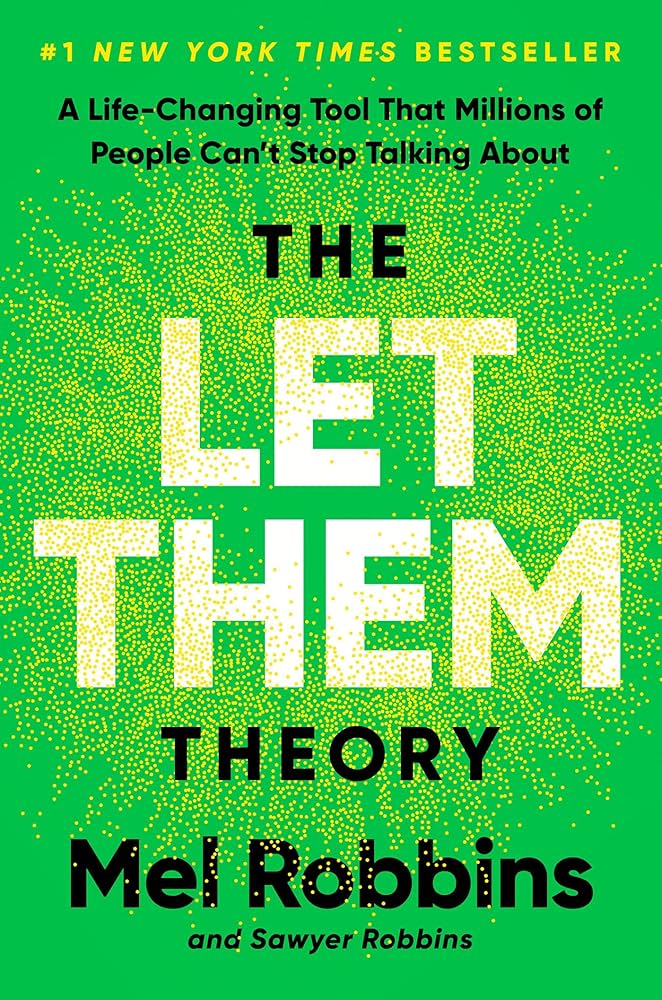
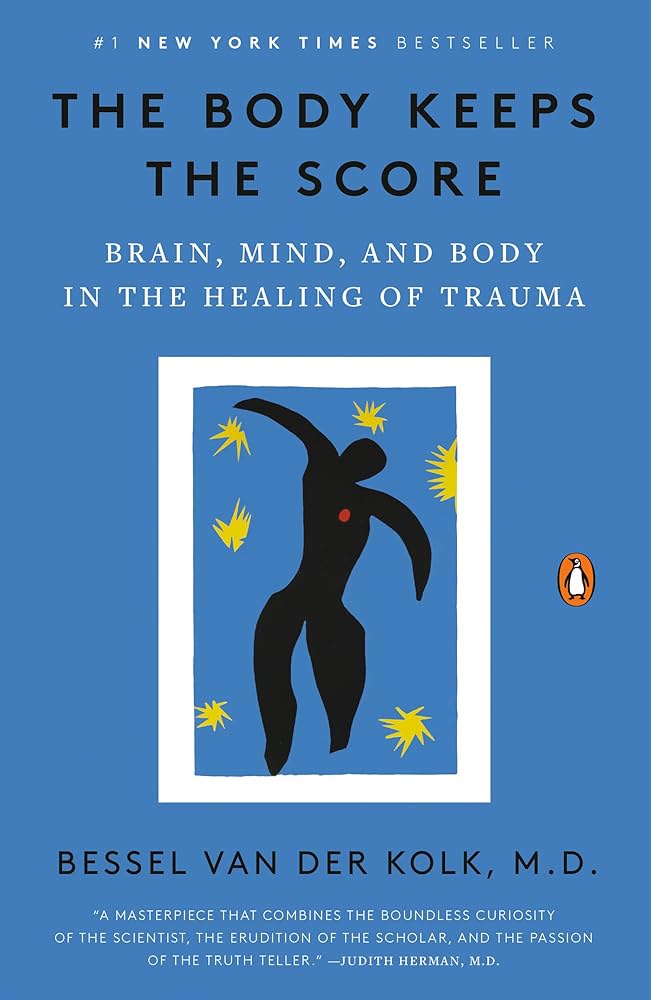
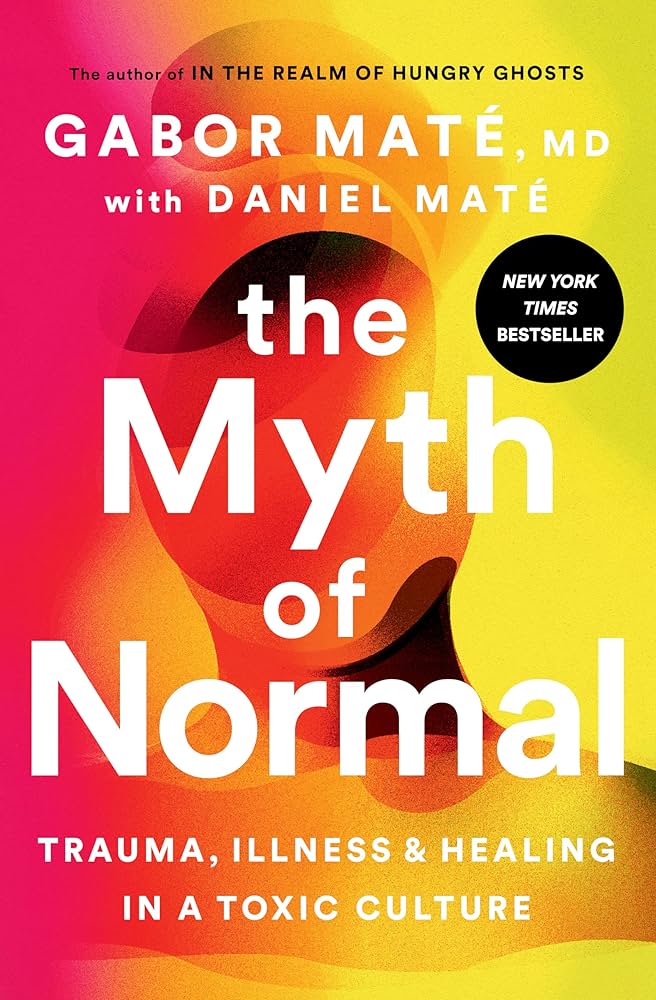
| | | Therapist-Recommended Reads for Stress & Mental Health: | | |
Getting Started with Exercise
Derek Groathouse, MPP, RD, CPT
| | |
Getting started with exercise can be daunting, but starting simple is the key. Let's walk through what it means to start your fitness journey, how to reduce barriers to exercise, and some practical tips to help you get started.
Exercise encompasses a huge variety of physical activity types, and my favorite definition of exercise (that I made up), is “physical activity on purpose.” It is so important that we move our bodies because our bodies are meant to move. An amazing place to start is simply walking. This form of activity can help us improve our cardiovascular system and strengthen our legs and core. Like any exercise though, it is important to alter the challenge, whether it be adding some distance after a few weeks, changing your route to include incline, or adding weight in a backpack or with a weight vest. But that’s getting ahead of myself. Start small. If getting moving sounds daunting, set a goal to walk for 5 minutes, or even set a goal to put on your walking shoes and wear them while you do your normal tasks.
This idea of starting small can be even more applicable to another form of exercise: resistance training. It is extremely important for our overall health because it emphasizes types of movement designed to prepare us for when the outside world asks more of our body than it normally does. Let me tell you, that CAN happen…a lot. For that reason, it is essential that we spend time preparing our muscles to support us, and this is achieved through resistance training.
Keep it simple. Your early resistance training regimen, especially if you’ve never tried anything like this before, or if it has been a long time since you were the captain of your high school sports team, can and should absolutely start with your body weight only. Squats with a hand on the counter for support, lunges with the same support, pushups against the wall, and 10 seconds of an angled plank with your hands on the edge of the counter is an amazing way to start your journey. Just like our walk, we do want to see the challenge increase over time, but that’s for future you. Start simple, use your body weight, and give yourself the support that you need.
Exercise is physical activity on purpose. Our bodies our meant to move, so move them. Good luck!
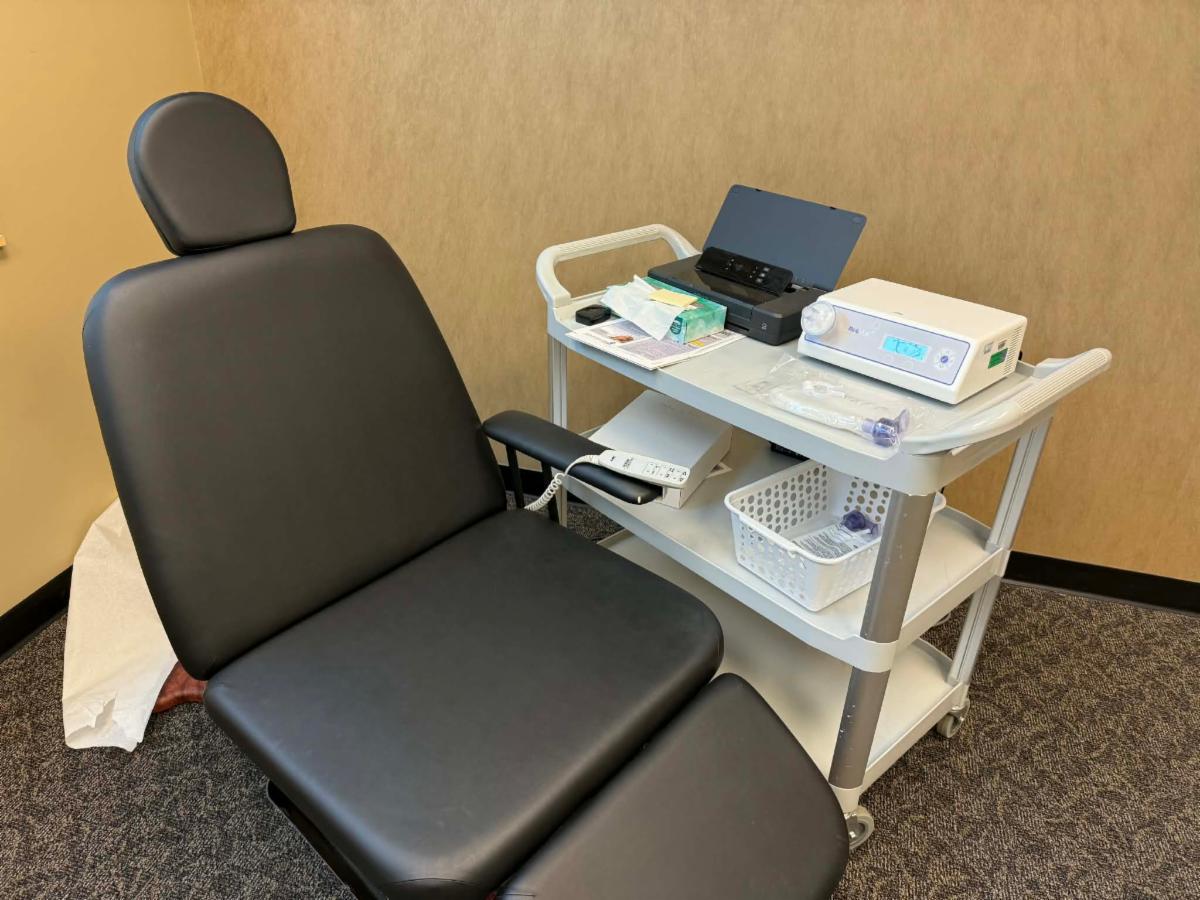
| | IWLS Clinic Spotlight: Metabolic Testing | | |
Weight loss occurs when your body is in an energy deficit, or in other words, when you burn more calories than you eat/drink over time. Our dietitians use a formula to provide an estimated calorie goal for weight loss, but did you know there is a procedure that can measure your resting energy expenditure (calories burned at rest)?
We use a minimally invasive technique called indirect calorimetry to measure your body’s specific metabolic rate. Many people who struggle with weight loss think they have a slow metabolism but this is actually not always the case. The metabolic test can tell you if your metabolic rate is considered normal, slow, or fast compared to someone of similar gender, age, height, and weight, and can provide a more individualized calorie/energy goal if you use a food journal or tracker.
Things to know before a metabolic test:
-
Check with your insurance first to see if they will cover the cost – CPT code 94690, diagnosis code Z71.3.
-
You must have fasted (water only), had no coffee/caffeine or other stimulants, and have not exercised before the test.
- The test is performed at our clinic and requires you to breath normally into a tube connected to the machine for 10-20 minutes, with a clip on your nose.
- If you take phentermine or medications for ADHD, you should stop them for 3 full days before the test for accurate results.
| | Staff Picks: Our Favorite Ways to De-Stress | | 🏋️♀️ “Gym!” Jordan Leu, Supervisor, DSM Clinic | | 👟 “Going for a walk outside is one of my favorite ways to de-stress! Especially when the weather is nice. A simple walk around the neighborhood or on the trails for 10-20 minutes is helpful. Walking can lower stress hormones and clear your mind.” Lynzy Devary, Provider, DSM Clinic | | 📚 “I read a book, relax in the sun, or snuggle with my dog." Lisa Rhinehart, CMA, DSM Clinic | | 🥊 “Kickboxing, and walking/running around Raccoon River.” Shannon Perez, CMA, DSM Clinic | | 🐶 “Taking my dog for a walk!” Chris Mallen, Medical Secretary, DSM Clinic | | 🌱 “I like to spend time outdoors when it is nice: gardening, lying in the sun, time on the lake with friends and BBQing. When it is cold and dark out, I like to listen to music and do things in my sewing room. Praying and taking care of your body are great ways to de-stress too.” LeAnn Hindman, Provider, DSM Clinic | | OMA Pillars - Hair Shedding with Weight Loss | | |
A major concern we hear from patients is hair loss. This is generally related to gastric sleeve surgery, but it can happen with GLP-1 medications, too, (though there is less clinical evidence).
Increased hair shedding, or the process of more hair follicles moving to the dormant stage known as “telogen effluvium,” is common after weight loss surgery. It usually starts a few months after surgery and resolves within the first year. Hair shedding is caused by changes like stress from the surgery, rapid weight loss, and decreased calorie intake, but it can also be driven by nutrient deficiencies (protein, iron, zinc, calcium, B12, folic acid).
It’s important to recognize hair loss is often an unavoidable part of the process. However, there are steps you can take to help minimize its impact:
Meet your protein goal. The default is generally at least 60-80 grams per day for females and 80-100 grams per day for males. However, you may have increased needs depending on your height and other factors.
Take your vitamins.
-
Post-Op: Take an ASMBS-recommended bariatric multivitamin with the correct amount of iron. Also, be sure to take your calcium with vitamin D as directed and make sure you separate it from your multivitamin (2 hours) and other calcium (4 hours).
-
Pre-Op or GLP-1 users: Eat a balanced diet with adequate protein, and consider supplementing with a daily multivitamin from a reputable brand.
Consider additional supplementation. Some patients like to take extra biotin, flaxseed oil, or a hair/skin/nails supplement. However, you should discuss these with a dietitian to review the supplement’s efficacy (effectiveness) and safety, as they are not closely regulated by the FDA.
Though not common, some patients may see continued hair shedding or lack of regrowth after their weight has stabilized. If you already follow your team’s recommendations, consider talking to a dermatologist about medication options.
| | |
Group Challenge Updates
Thank you to everyone who participated in our water challenge during the first quarter of this year! Our gift card WINNER was Amy S. – Congrats!
🍇🥦 The April challenge to include servings of fruits and veggies daily has officially begun! Only about 1 in 10 people meet the daily recommendation. Adding fruits and veggies to your diet is excellent for weight loss. They are higher in volume, lower in calories, and higher in fiber, which helps with fullness. Fruits and veggies are also packed with micronutrients and phytochemicals (bioactive compounds in plants that support your health).
The challenge:
- April 1-10 – eat at least 1 serving of fruit or vegetables per day
- April 11-20 – at least 2 servings
- April 21-30 – at least 3 servings
Completed tracking sheets must be submitted by May 8th to be entered to win. Send your sheets to newsletter@iowaweightloss.com with the subject line “April Challenge.”
| | |
🎙Check out the latest episodes of the Well-ISH Podcast:
-
Derek Groathouse, MS, RDN, CPT, from IWLS: Nutrition, Habits, & Feeling Better
-
Lynzy DeVary, ARNP, from IWLS: Preventative Health & Sustainable Change
-
Lauren Overland, LISW, from IWLS: Why Therapy Matters in Weight Loss
-
Laurie Baedke, MHA, FACHE, FACMPE, executive coach, speaker, and author: Leadership, Mentorship, & Self-Awareness
Available via YouTube or your favorite podcast app, or click the links below.
| | |
What do YOU Want from IWLS?
We are committed to patient-centered care, and that includes listening to your feedback. What would you like to see more of at Iowa Weight Loss Specialists? Are there services or resources you wish we provided? Certain content you want to read about in the newsletter? What would help you to better reach your health goals?
Please take a few moments to complete our patient poll HERE. Thank you so much for your feedback – we appreciate you! 😊
| | |
Fresh Reads - IWLS Blogs
Want to catch up on the latest topics on weight loss, nutrition, exercise, and more? Visit our website and read our blogs for even more helpful tips and information.
| | |
IowaWeightLoss.com
515-327-2000
| | |
Let’s Stay Connected!
Follow Us On Social Media...
| | | | |