CELEBRATING 70 YEARS OF THE SALK POLIO VACCINE | | |
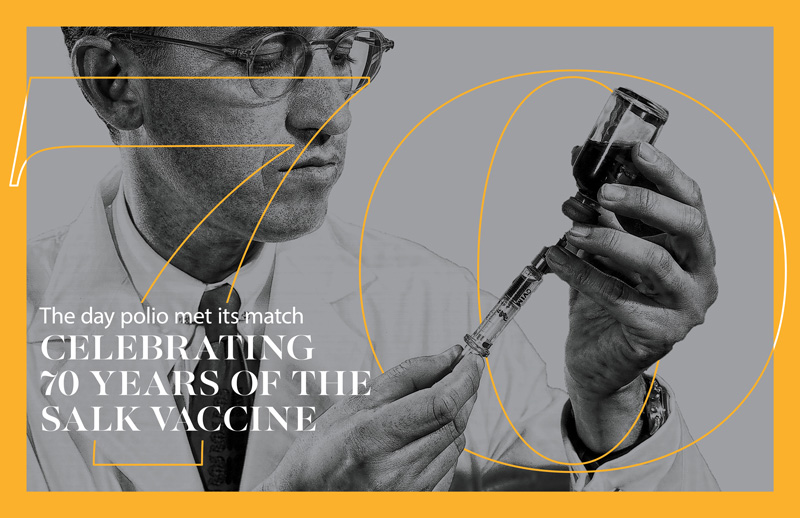
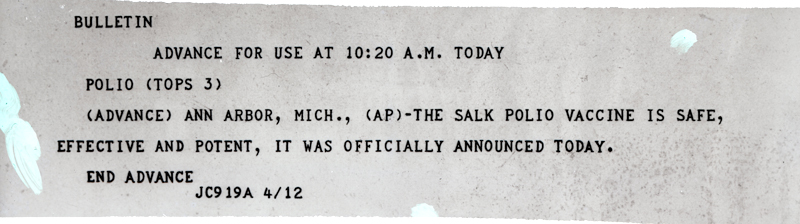
On April 12, 1955, a scientific breakthrough changed the course of public health and inspired hope worldwide. The polio vaccine developed by Jonas Salk and his colleagues was officially declared “safe, effective, and potent” (seen in the bulletin clipping below)—a moment heralded as a triumph of medicine over one of the most feared diseases of the 20th century.
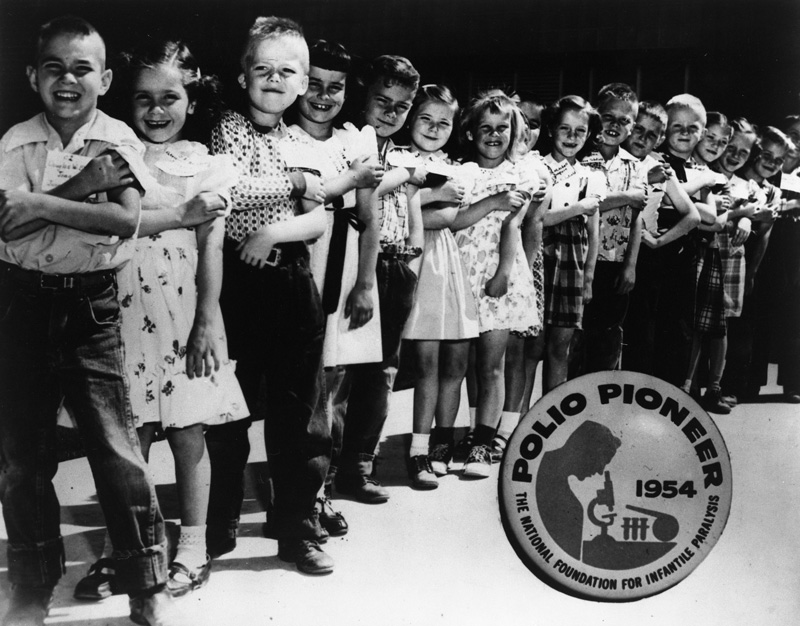
| | Bulletin clipping announcing the polio vaccine to be safe and effective. | | After 70 years, it’s key to return to those early days, before the vaccine, and remember how far we have come. Polio struck fear into families around the globe, claiming mostly children and resulting in effects like face paralysis, lifelong disabilities, and death. The US saw the worst outbreaks between 1948 and 1955, where children in wheelchairs and iron lungs became an all-too-familiar sights. | | By 1954, Salk's vaccine was tested in one of the largest clinical trials, involving nearly 2 million children known as the "Polio Pioneers." | | |
Since the vaccine’s introduction, polio cases have fallen more than 99 percent worldwide—a powerful indicator of what science and collaboration can achieve. As we celebrate this landmark anniversary, let us honor Jonas Salk and those who contributed to this extraordinary achievement. Their efforts continue to pave the way for future scientific innovations that save lives and bring hope to millions worldwide.
To hear more about this story, stay tuned for the next edition of our magazine, Inside Salk. Join our mailing list now to be the first to receive a copy next month.
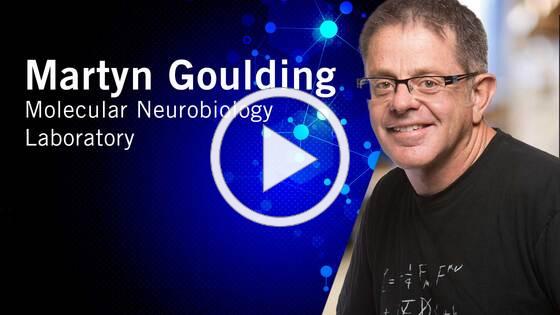
| | This month, meet Professor Martyn Goulding, a neuroscientist who studies sensorimotor circuitry in the spinal cord and, relatedly, spinal injury and chronic pain and itch. | | |
“My mother contracted polio when she was a teenager. I remember growing up as a kid, one of the first things that she was really adamant about was to ensure that we’d had our polio vaccines,” says Professor Martyn Goulding. “When I came to the Salk, when she knew that I actually had a position at the Salk, my mother, as you can imagine, was exceptionally excited.”
Jonas Salk’s polio vaccine led Goulding to research at his Institute in two serendipitous ways—first, his mother instilled a particular gratitude to Jonas Salk’s work, and second, her polio-induced wheelchair use necessitated that Goulding help her get home from her job at a library, where he first read about and fell in love with biology. Learn about his journey from New Zealand to San Diego and his impressive career in neuroscience in this “From Then to When” video.
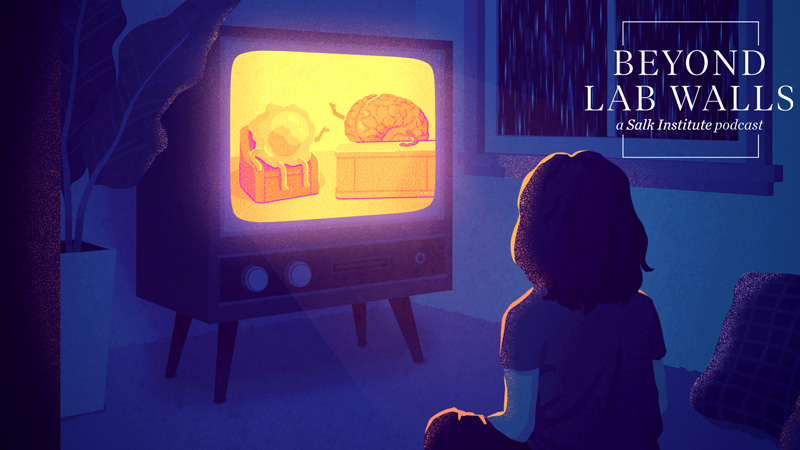
| | SALK'S PODCAST BEYOND LAB WALLS | | This month’s episode of Beyond Lab Walls features Irene López Gutiérrez, a postdoctoral researcher in Professor Susan Kaech’s lab. After a TV show sparked her interest in science as a child, Gutiérrez wound up in prestigious neuroscience labs studying aging and Alzheimer’s disease both at home in Spain and abroad in Europe and the US. Today, she works in Kaech’s immunology lab, asking a new interdisciplinary generation of questions about disease and the brain. | | Michelle Chamberlain appointed Salk Vice President of External Relations | | |
| |
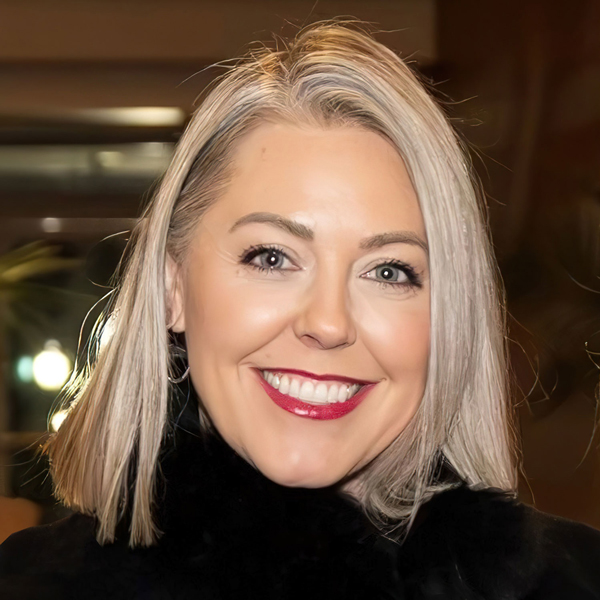
Prior to joining Salk, Chamberlain was Vice President at Claremont McKenna College, where she led a fundraising campaign that surpassed the original goal of $800 million, ultimately raising more than $1 billion in eight years—a national record among liberal arts colleges. As Salk’s VP of External Relations, Chamberlain will serve on the Institute’s Executive Leadership Team and oversee all fundraising efforts, communications, community engagement, education outreach programs, foundation relations, and stewardship activities. She will assume her role on April 2.
Read more »
| | Salk Institute receives $4.5 million gift from Trustee Richard A. Heyman to enable early-stage innovative research | | |
| |
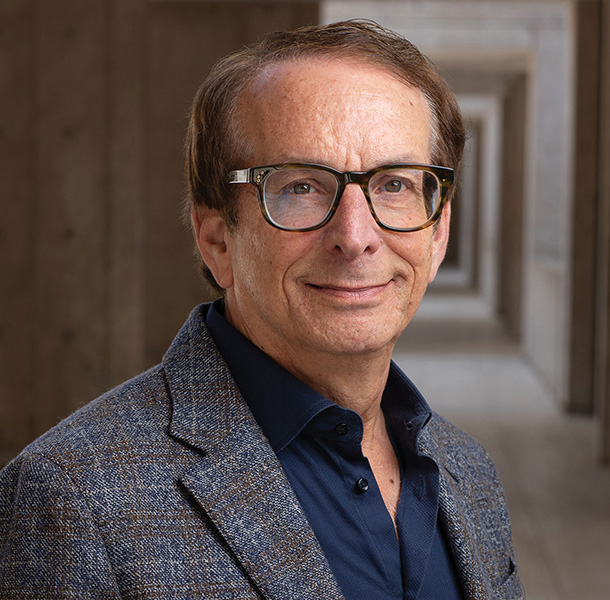
Heyman, a member of the Salk Institute’s Board of Trustees, and his wife, Anne Daigle, have donated $4.5 million to establish the new Richard A. Heyman Collaborative Innovation Fund to support Institute faculty on collaborative, early-stage studies aimed at big, bold questions. The fund will support research that is often deemed too early, risky, or unconventional for traditional grant funding. Instead, the Collaborative Innovation Fund will enable Salk’s researchers to pursue pioneering ideas, foster collaboration, and unearth discoveries that address some of the most pressing challenges in biomedicine, including cancer, Alzheimer’s disease, and autoimmune diseases.
Read more »
| | Associate Professor Dmitry Lyumkis receives 2025 Microscopy Society of America’s Burton Medal | | |
| |
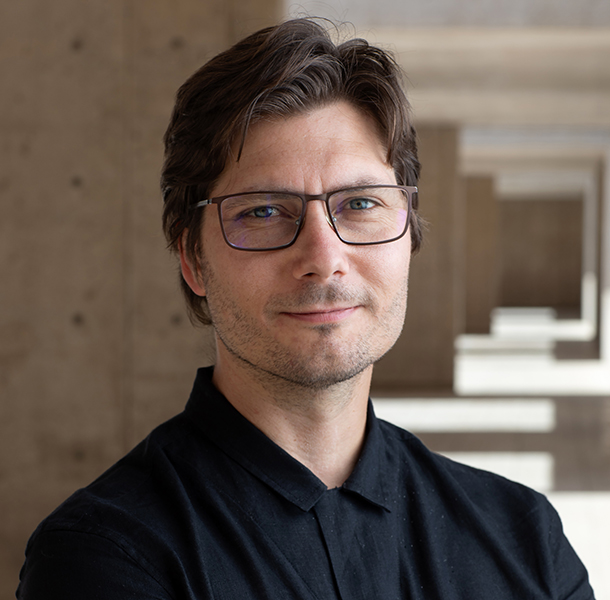
Awarded to two researchers annually—one in biological sciences and the other in physical sciences—since 1975, the Burton Medal recognizes scientists who have made distinguished scientific contributions to the field of microscopy and microanalysis. Lyumkis earned the award in the area of biological sciences, owed to his “impactful contributions furthering our mechanistic understanding of infectious diseases through the lens of protein biophysics and structural biology.”
Read more »
| | Looking ahead to Earth Day | | |
The New York Times
Test your body awareness
| |
Read article »
Features Associate Professor Eiman Azim
| |  | |
STAT
Could SSRIs protect against infections? A mouse study has hints
| |
Read article »
Features Professor Janelle Ayres
| | | |
The Transmitter
Bespoke photometry system captures variety of dopamine signals in mice
| |
Read article »
Features Salk Fellow Adam Bowman
| | | |
The Scientist
AI-powered tech enables continuous lab animal monitoring
| |
Read article »
Features Salk Fellow Talmo Pereira
| | | |
KUSI
Using plants to combat climate change
| |
Watch now »
Features Professor Wolfgang Busch
| | | |
Fox 5 San Diego
Pioneering breakthrough research: Sonogenetics
| |
Watch now »
Features Professor Shrek Chalasani
| | | |
CBS 8
C4 photosynthesis holds key to crop future
| |
Watch now »
Features Professor Joseph Ecker
| | | |
CBS 8
Daylight savings time’s impact on health
| |
Watch now »
Features staff scientist Emily Manoogian
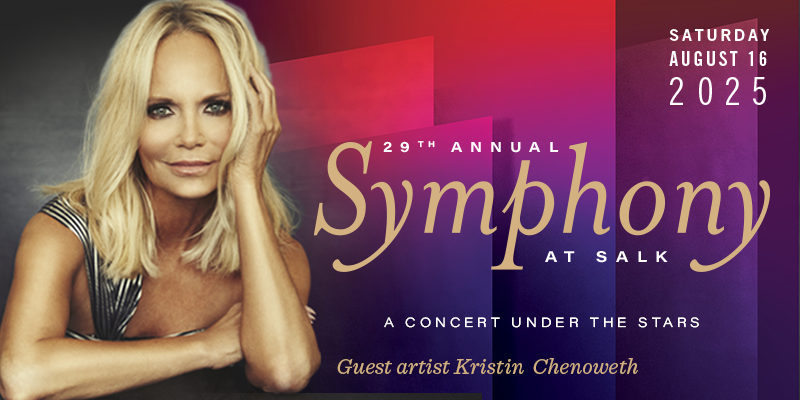
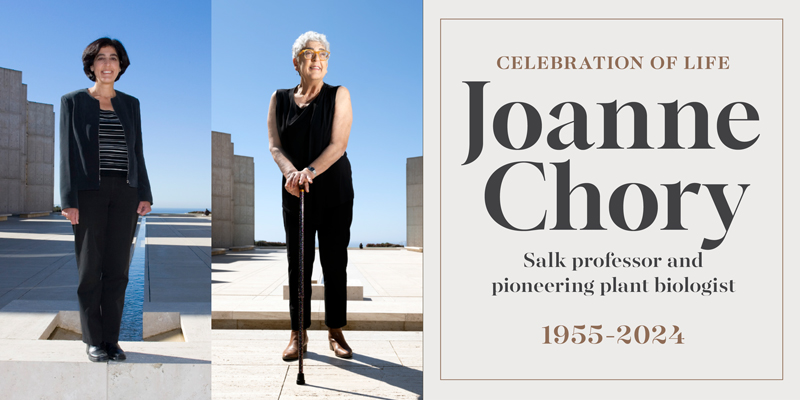
| | | Sponsorships now available for 29th Annual Symphony at Salk: Saturday, August 16 | | Symphony at Salk is a treasured tradition where guests enjoy a champagne reception, a gourmet dinner in Salk’s iconic courtyard, and the incredible sounds of the San Diego Symphony and a special guest artist. This year, we’re thrilled to welcome guest artist Kristin Chenoweth, Emmy and Tony Award-winning actress and singer. Individual ticket sales will begin June 2. More information at symphony.salk.edu | | March 19: Joanne Chory’s Celebration of Life | | In memory of Salk Professor Joanne Chory, the Salk Institute hosted a Celebration of Life featuring remarks from her family and colleagues, as well as a reception. Chory was one of the world’s preeminent plant biologists who led the charge to mitigate climate change with plant-based solutions. She was diagnosed with Parkinson’s in 2004 and, despite the challenges, continued to lead her research team until the time of her death. | | Welcoming spring on Salk’s campus means an exciting event that only happens twice a year—Salkhenge. Occurring only on the spring and fall equinoxes, the sunset perfectly aligns with the River of Life water feature flowing down the center of Salk’s courtyard. | | Credit: Chris Keeney, Salk Institute | |
About this newsletter
Salk’s email newsletter is published monthly with updates on recent scientific publications, media coverage, awards, grants, events, and other timely information for Salk supporters and science enthusiasts.
| | | | |