High-Energy X-rays Reveal
Hidden Light Shows on the Sun 
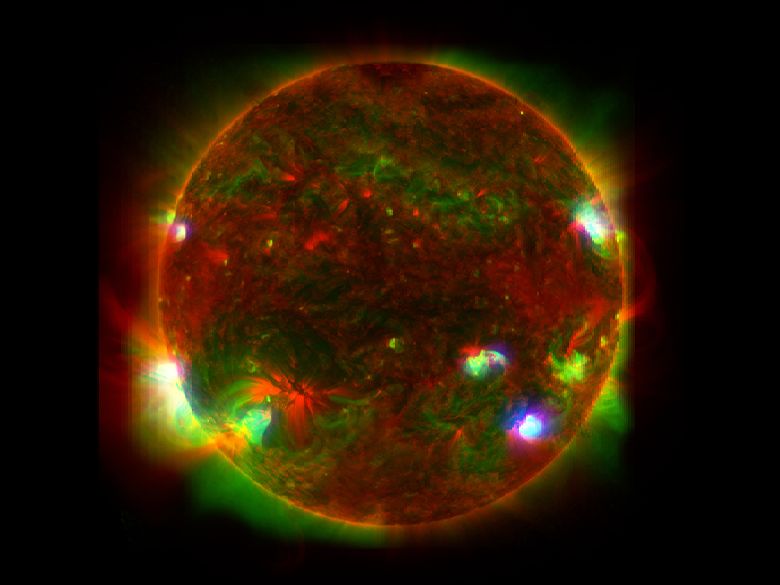
Even on a sunny day, human eyes can’t see all the light our nearest star gives off. A new image displays some of this hidden light, including the high-energy X-rays emitted by the hottest material in the Sun’s atmosphere–called the corona–as observed by the Nuclear Spectroscopic Telescope Array.

While the observatory typically studies objects outside our solar system – like massive black holes and collapsed stars – it has also provided astronomers with insights about our Sun.
This Week at NASA
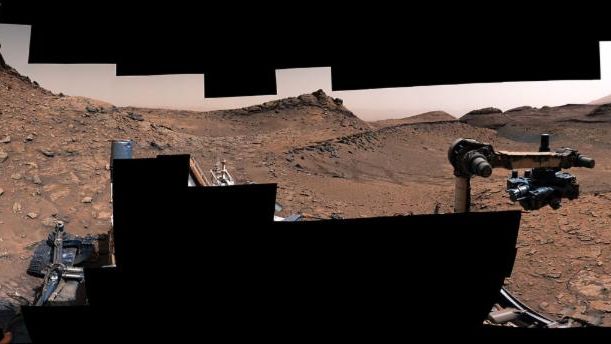
Curiosity Finds Surprise Clues to Mars’ Watery Past When the Curiosity rover arrived at the “sulfate-bearing unit” last fall, scientists thought they’d seen the last evidence that lakes once covered this region of Mars. That’s because the rock layers here formed in drier settings than regions explored earlier in the mission. The area’s sulfates–salty minerals–are thought to have been left behind when water was drying to a trickle. So Curiosity’s team was surprised to discover the mission’s clearest evidence yet of ancient water ripples that formed within lakes. 

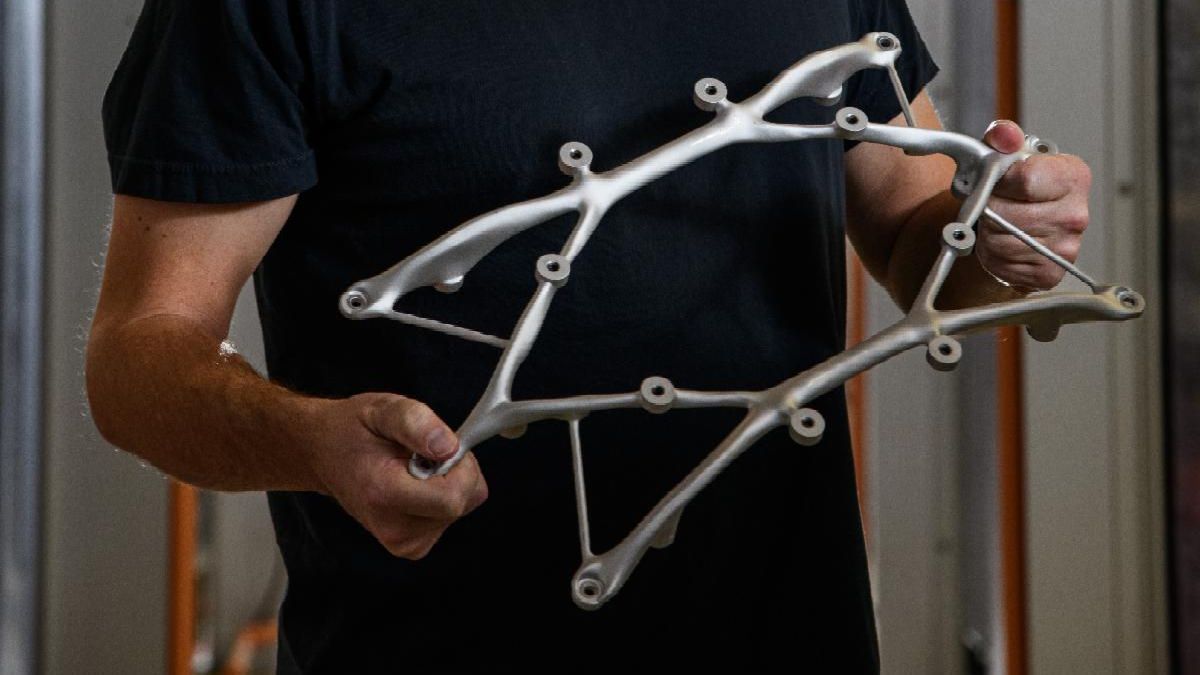
Using AI to Design Mission Hardware Spacecraft and mission hardware designed by artificial intelligence may resemble bones left by some alien species, but they weigh less, tolerate higher structural loads, and require a fraction of the time parts designed by humans take to develop. Research Engineer Ryan McClelland has pioneered the design of specialized, one-off parts using commercially available AI software through a process he has dubbed evolved design.


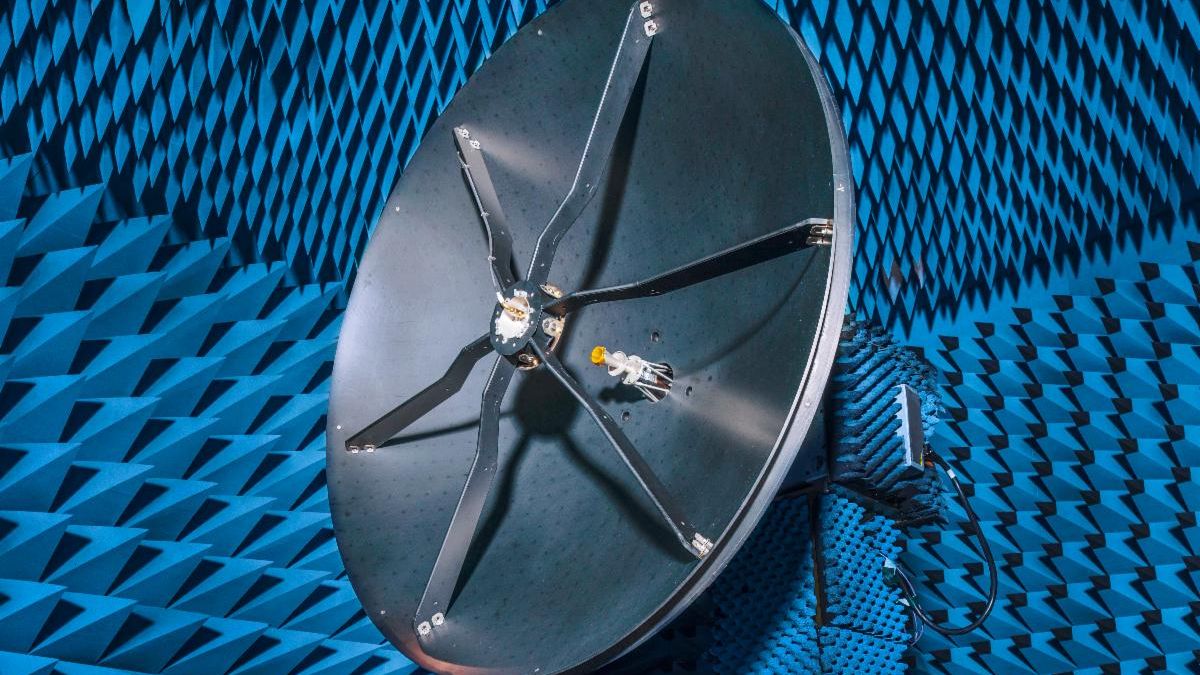
High-Gain Antenna Clears Environmental Tests Engineers have finished testing the high-gain antenna for the Nancy Grace Roman Space Telescope. When it launches by May 2027, this observatory will help unravel the secrets of dark energy and dark matter, search for and image exoplanets, and explore many topics in infrared astrophysics.

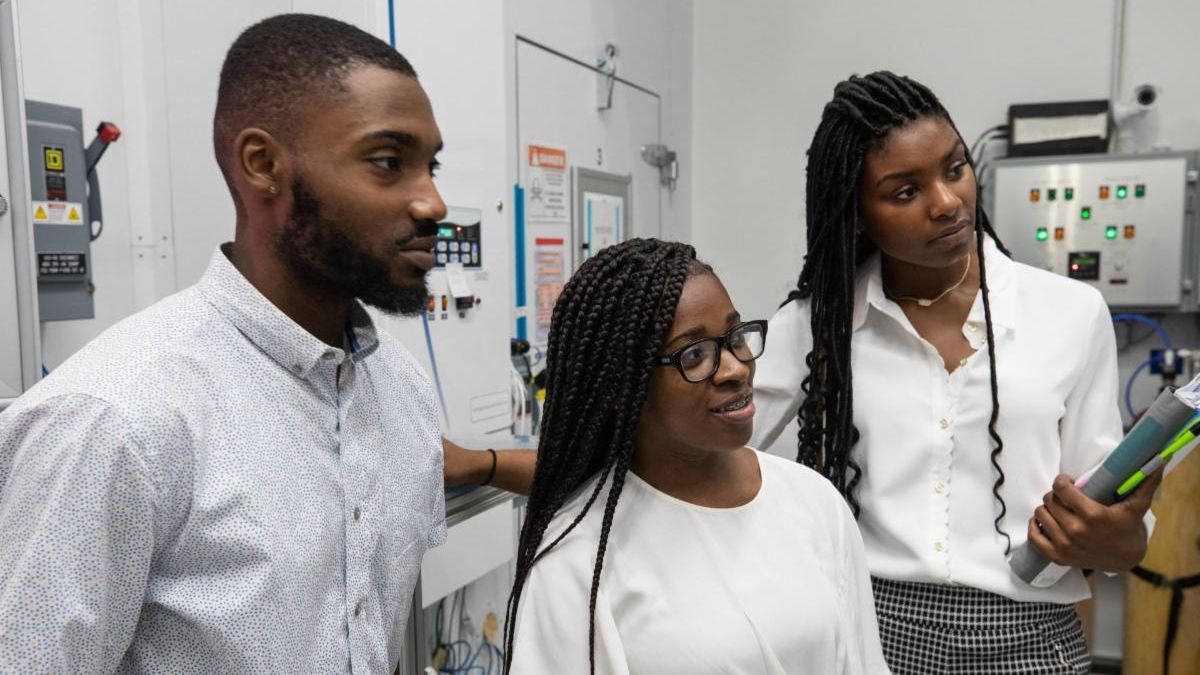
New Opportunities for Historically Black Colleges and Universities We're awarding $11.7 million to eight Historically Black Colleges and Universities through the new Data Science Equity, Access, and Priority in Research and Education opportunity. These awards will enable students and faculty to conduct innovative data science research that contributes to our missions.
People Profile
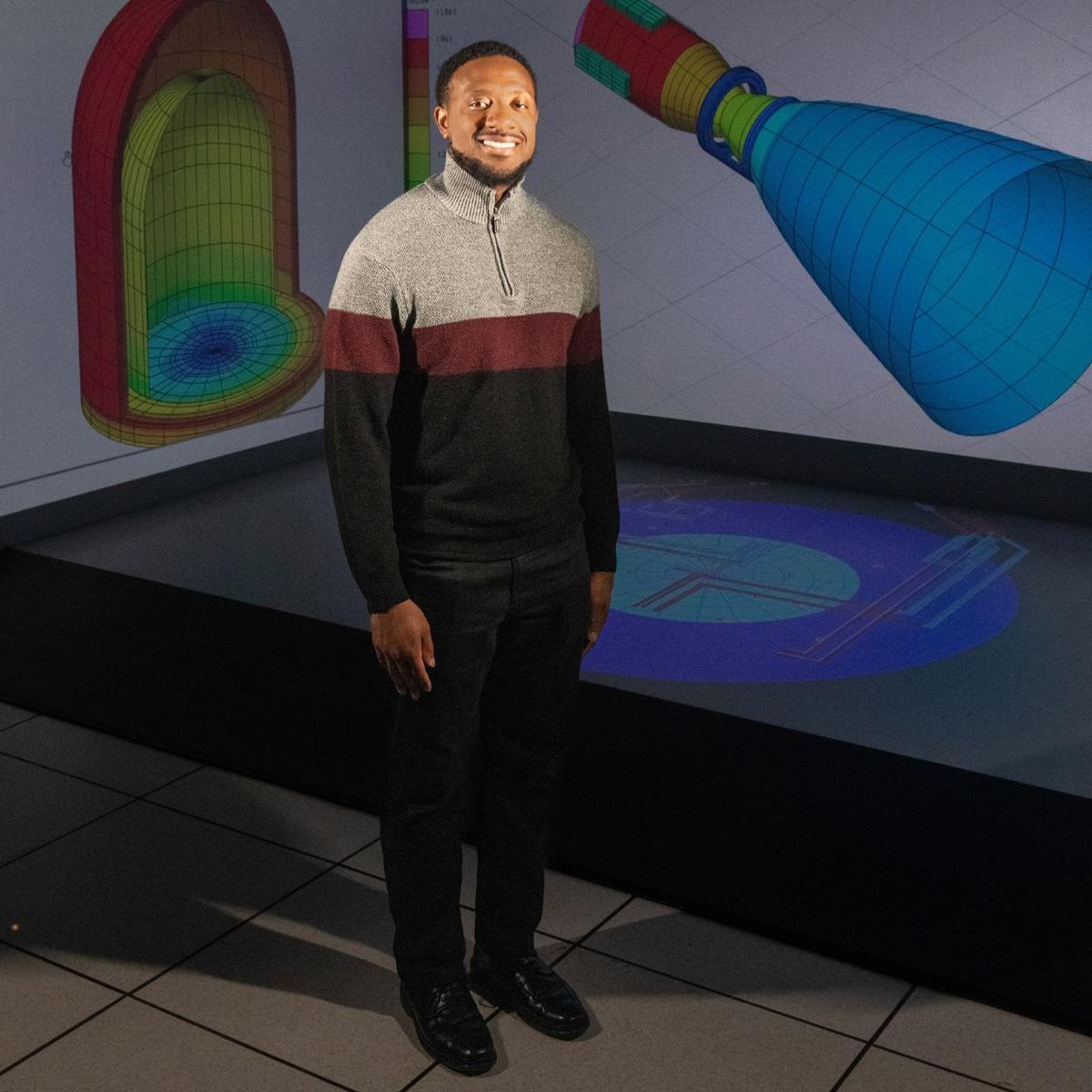
Meet Jarred Wilhite, aerospace engineer

“As I got into the specialized aerospace courses in college, I saw new concepts and new theories that were harder to wrap my head around and difficult to grasp. That was one of the more challenging times in my life academically.

"There were definitely times when I doubted myself. I’d wonder if I was in the right field. Those thoughts certainly crossed my mind but having encouragement from my family and close friends helped me push through and believe in myself.

"Recently, I supported thermal cycle testing of the X-57 Maxwell cruise motor controllers, which involved placing them in a thermal test chamber and cycling them through a range of temperatures from low to high that they would see during flight. We turned them on and off at different intervals to make sure there were no deficiencies that would prevent them from meeting the requirements.

"Never give up on something that you’re passionate about. You may face adversity along the way, but never give up because in the end you’ll get to look back and see that all the hard work and all the effort that you put in was worthwhile.”
Image Spotlight
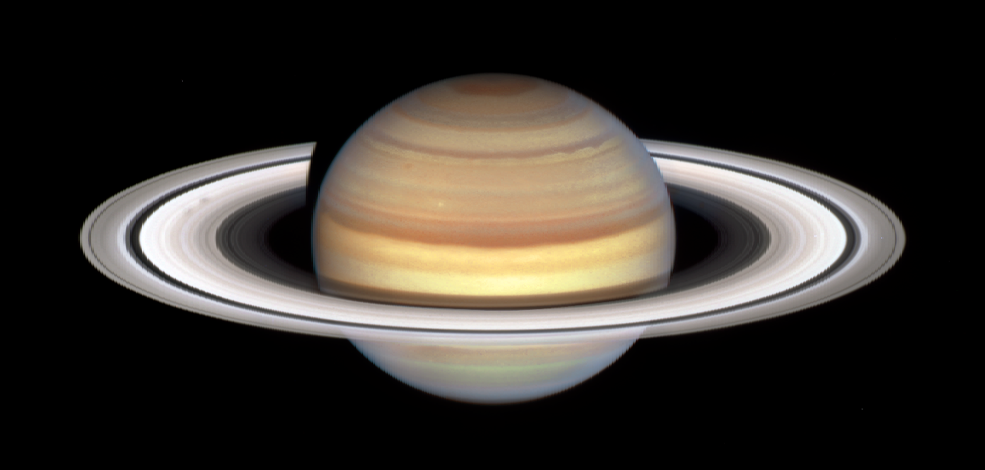
The Hubble Space Telescope has observation time devoted to Saturn each year, thanks to the Outer Planet Atmospheres Legacy program, and the dynamic gas giant planet always shows us something new. This latest image heralds the start of Saturn's "spoke season" with the appearance of two smudgy spokes in the B ring, on the left in the image. The shape and shading of spokes vary – they can appear light or dark, depending on the viewing angle, and sometimes appear more like blobs than classic radial spoke shapes, as seen here. The ephemeral features don't last long, but as the planet's autumnal equinox approaches on May 6, 2025, more will appear. 
 
Image Credits: NASA, ESA, and Amy Simon (NASA-GSFC); Image Processing: Alyssa
Pagan (STScI) 
Explore NASA
A Weekly Bit of Space in Your Inbox