|
۞ إِنَّ ٱللَّهَ يُدَٰفِعُ عَنِ ٱلَّذِينَ ءَامَنُوٓا۟ ۗ إِنَّ ٱللَّهَ لَا يُحِبُّ كُلَّ خَوَّانٍۢ كَفُورٍ
Indeed, Allah defends those who believe. Surely Allah does not like whoever is deceitful, ungrateful.
Surah Al-Hajj. 22:38
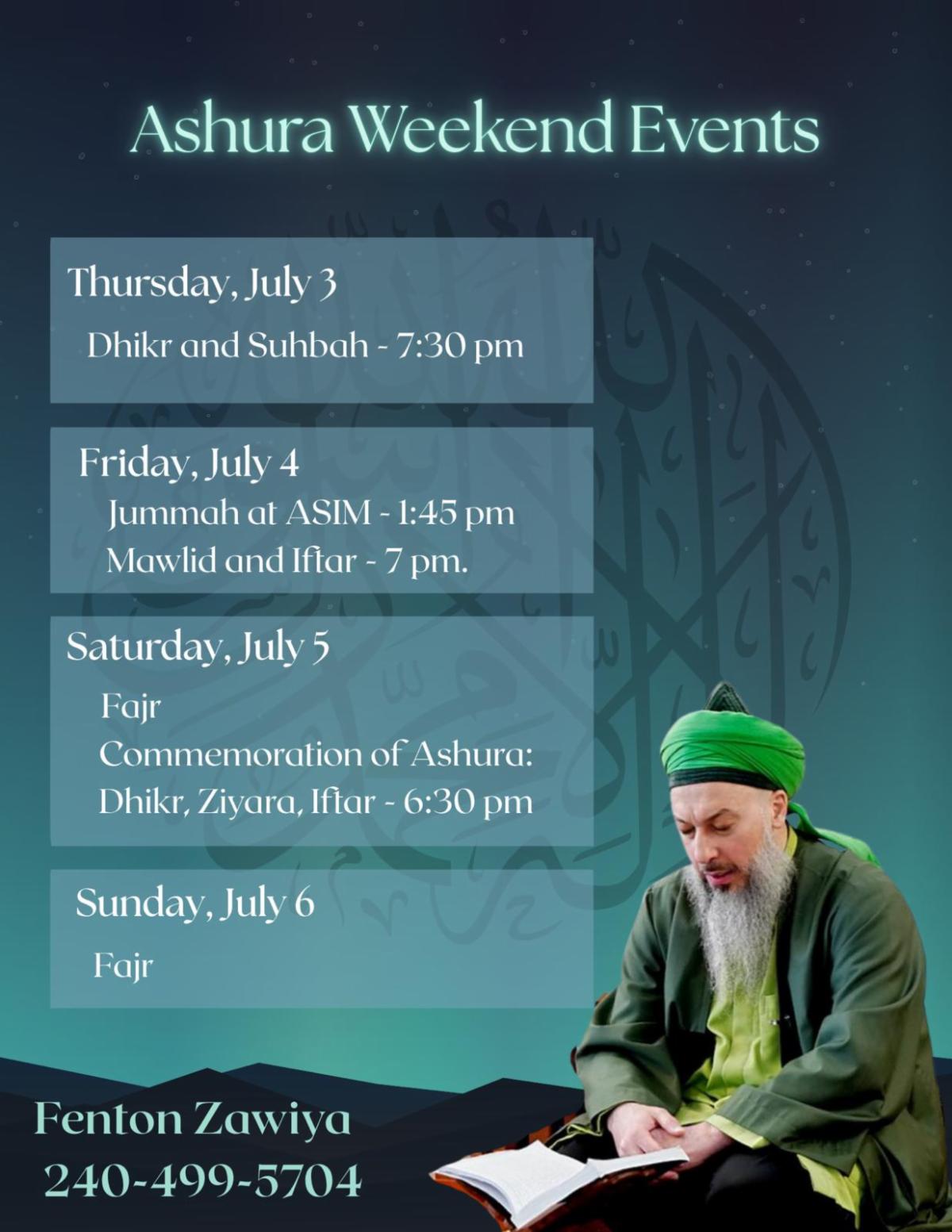
The 10th of Muharram, Yawm al-Ashura, is not like any other day. It is a day written in divine mercy and etched into the story of every prophet. On this single day, Allah ﷻ accepted the repentance of Adam ع, saved Nuh ع in the Ark, cooled the fire for Ibrahim ع, spoke directly to Musa ع and gave him the Ten Commandments and parted the sea to save the nation of Israel as Pharoah's army was destroyed. On this day, Allah ﷻ healed Ayyub ع, reunited Yusuf ع with his father Ya’qub ع, saved Yunus ع from the belly of the whale, forgave Dawud ع, restored the kingdom of Sulaiman ع and raised 'Isa ع to the heavens.
It is also the day that Sayyedina Husayn ر, beloved grandson of the Prophet ﷺ, stood with unshakable truth on the plains of Karbala and embraced martyrdom with his family and companions, sealing the day with blood, love, and the highest honor.
This newsletter reflects on the depth of Ashura: a day of trials transformed into triumphs, sorrow transmuted into light, and the remembrance of those who walked closest to Allah.
| |
|
Secrets of Hijrah and Karbala:
Walking the Path of Allah's Will
Mawlana Shaykh Hisham Kabbani
February 12, 2006
| |
The migration (Hijrah) of the Prophet ﷺ from Makkah to Madinah was not a matter of necessity, but a sacred unfolding of divine will. Though the Prophet ﷺ was granted knowledge of the past and future, he did not act upon it for himself, but surrendered fully to Allah’s will. If we knew the future, we would plan with our minds and interfere with what Allah has already written. That’s why the Prophet ﷺ followed Allah’s plan step by step, even when he had the power to bypass it.
When he chose the cave over a miraculous escape, it wasn’t weakness, it was to elevate the station of Sayyidina Abu Bakr ر, who placed his own body between the Prophet ﷺ and danger. Just as Sayyidina Ali ر slept in the Prophet’s bed that night, risking his life to protect him, these actions weren’t only about sacrifice—they were inheritances of uloom al-awwaleen wal-akhireen, the deep spiritual knowledge of the firsts and the lasts. That is why one golden chain comes through Sayyidina Abu Bakr, and forty through Sayyidina Ali.
The Prophet ﷺ did not need a guide to reach Madinah, nor a cave for safety, nor a companion for support. But he chose all of these to teach the Ummah: follow the path of humility, trust in Allah’s plan, and recognize the role of true companionship and spiritual guidance. Sayyidina Abu Bakr’s sacrifice in the cave, even letting a snake bite through his leg in silence so the Prophet ﷺ could rest, was met with miraculous healing and spiritual elevation.
Sayyidina al-Husayn ر also walked knowingly toward his martyrdom in Karbala. Though he was advised not to go, he said, “I will not break my promise.” His sacrifice came from divine knowledge—he knew his death would be a mercy for the Ummah. Awliya say he whispered to his Lord,
“Ya Rabbee, if they kill me for sake of the whole Ummah to enter Paradise, I accept to be shaheed. If I take them all to Paradise as shaheed. I will accept that killing from these people.”
Out of adab, we do not speak ill of those involved since they are also considered Sahaba, but we must honor Husayn’s sacrifice. The Prophet ﷺ said, “I leave you the Qur’an and my Ahl al-Bayt.” Keep their love in your heart. Follow the Sunnah, stay humble, seek guidance, and prepare—because Sayyidina Mahdi ع and Sayyidina `Isa ع are coming. May Allah make us ready.
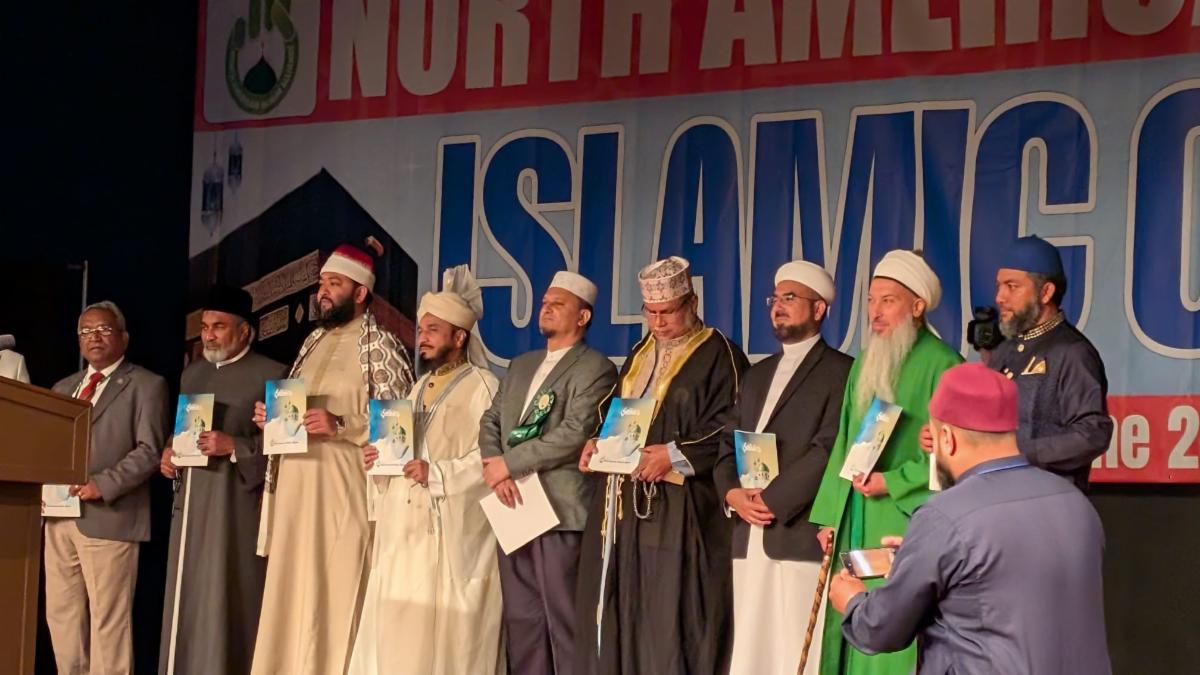
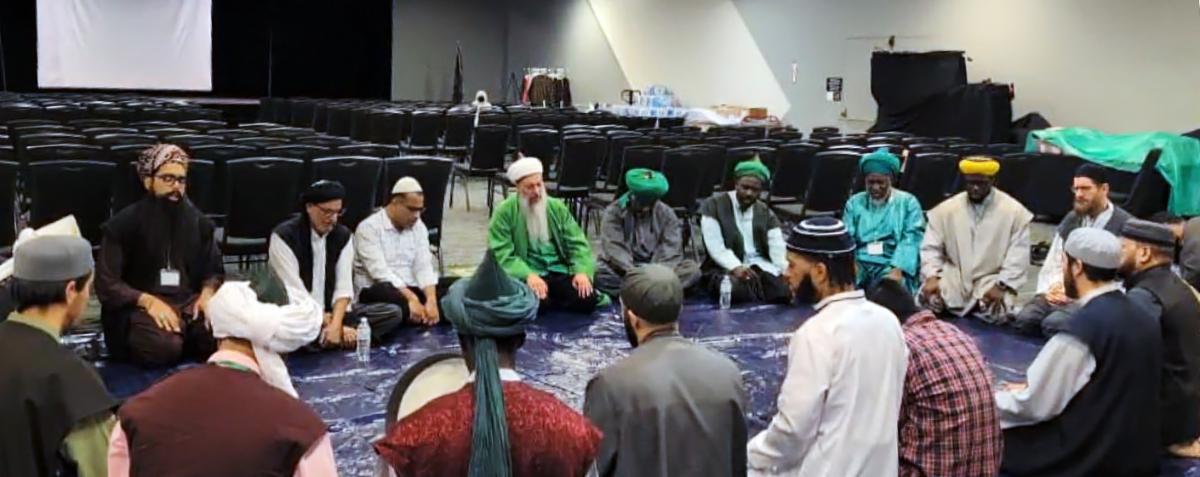
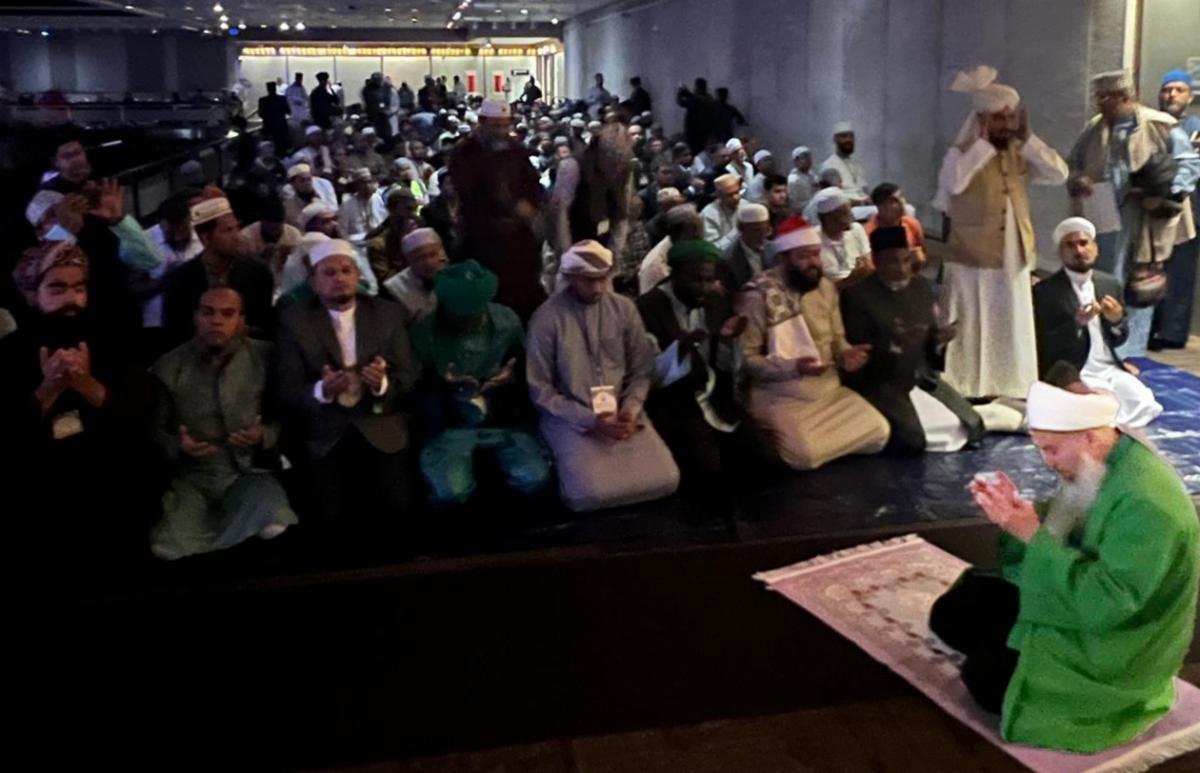
| | This is a short excerpt from Mawlana's sohbat about the events of Karbala. To go deeper, you can find more teachings on Sufilive | | Highlights from North American Muslim Alliance Islamic Convention | |
|
Shaykh Nour Kabbani Speaks on Guiding the Muslim Youth
Albany, New York
June 29, 2025
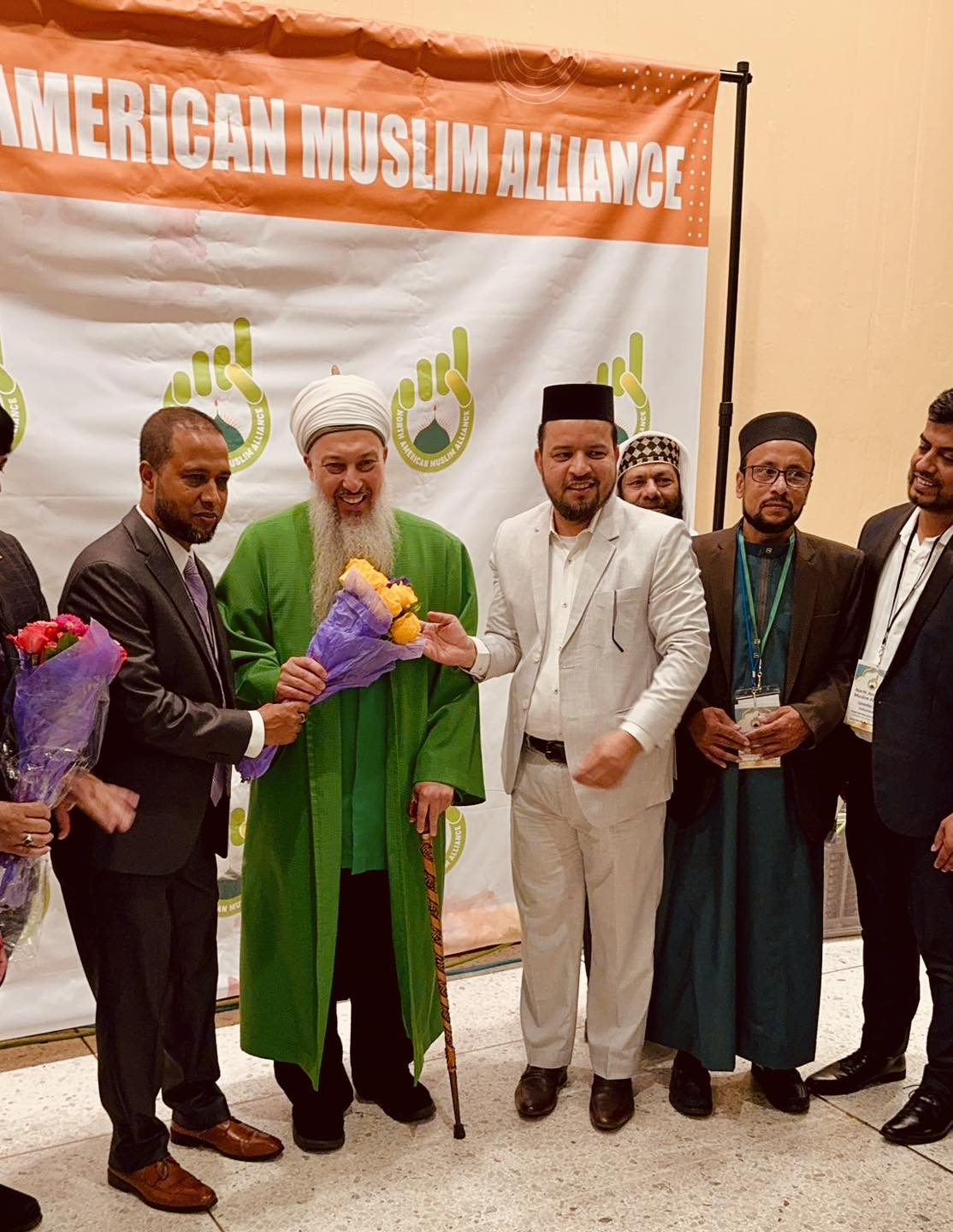
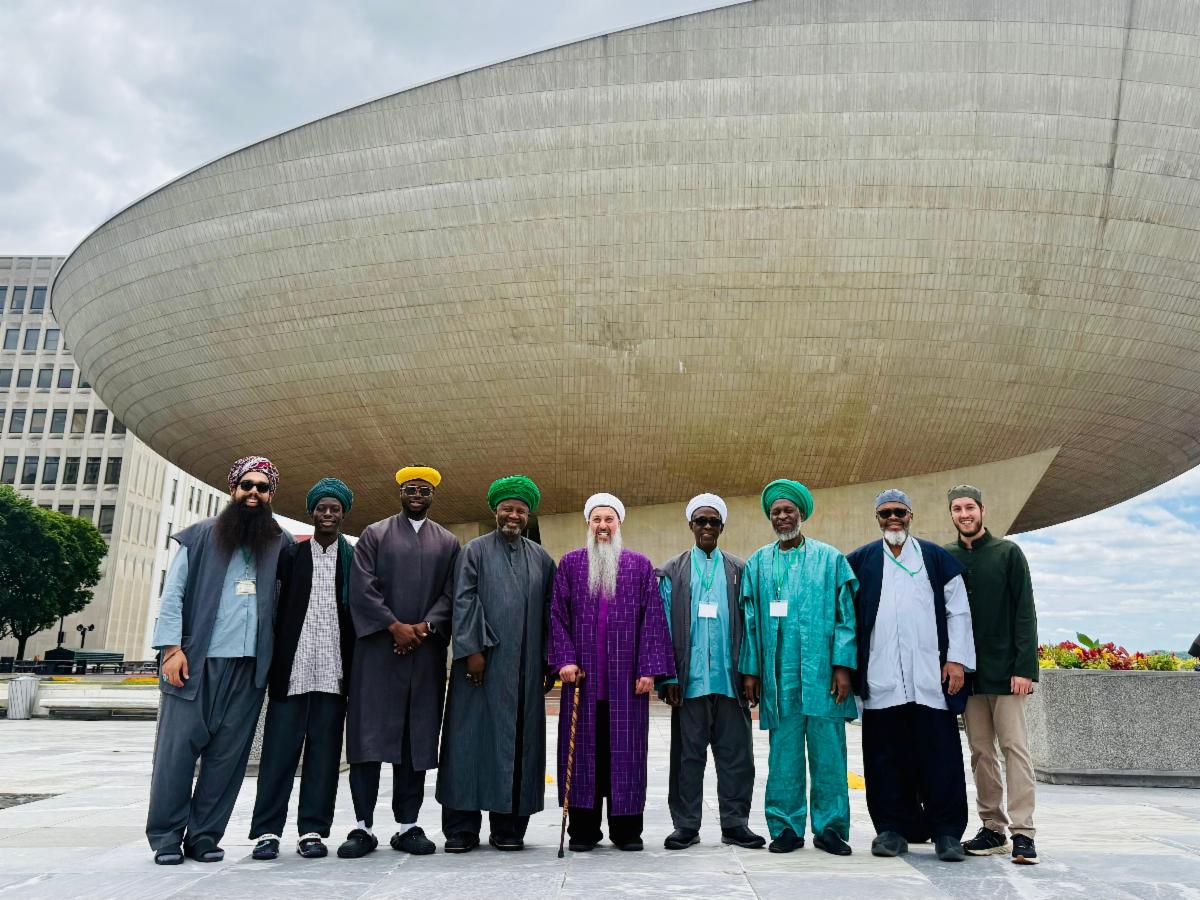
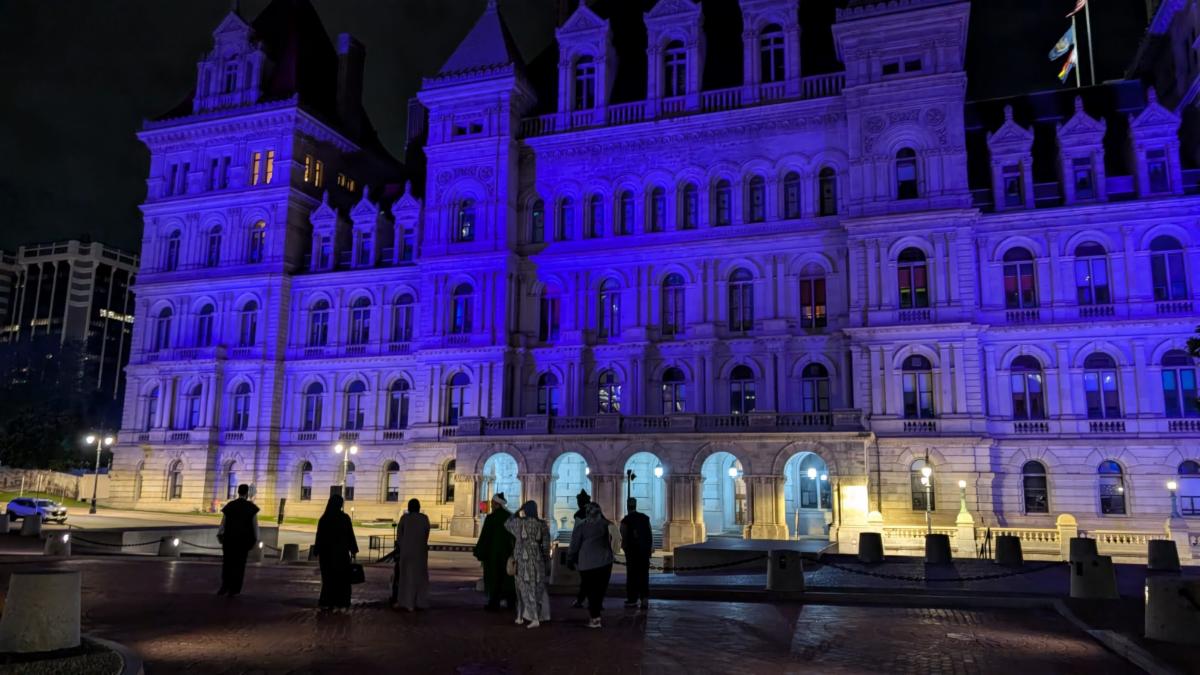
In a heartfelt address at the NAMA Islamic Convention in Albany, New York, Shaykh Nour Kabbani turned his attention to the youth of America, offering gentle yet urgent counsel for keeping the heart open in a world increasingly shaped by materialism and individualism. Whether growing up in the East or West, he noted, the challenges are the same, hearts are pulled away from their divine purpose.
Through the timeless art of storytelling, Shaykh Nour spoke with sincerity and light, guiding young souls back to the holy Qur’an and the spiritual legacy of the Prophet Muhammad ﷺ. Drawing from his own upbringing in Lebanon, Syria, and Turkey, he emphasized the need to ground ourselves in authentic Islamic knowledge, not just as theory, but as the map for navigating this dunya with balance, purpose, and love.
|
| | |
| |
Perform Ashura Qurban
It is a tradition of Mawlana Sultan al-Awliya Shaykh `AbdAllah al-Daghestani (ق) to make Qurban of two sheep on the day of `Ashura and distribute the meat to the poor and needy members of the Tariqah.
- Zabiha in Fenton Sharif with the meat used to feed Zawiya guests.
- Zabiha in Pakistan with the meat used to feed orphans and indigent folk
| | | | Build Your Naqshbandi Library | |
Imām Abū Jaʿfar al-Ṭabarī (224–310 AH / 839–923 CE) was a renowned Sunni scholar, jurist, historian, and mufassir whose extensive travels and studies across major Islamic centers equipped him with deep knowledge in hadith, fiqh, tafsīr, and history. A student of leading scholars of the third Islamic century, he is best known for his two monumental works: Tafsīr al-Ṭabarī, a foundational Qur’anic commentary blending hadith with linguistic and theological analysis, and Tārīkh al-Ṭabarī, an expansive history tracing events from the creation of Adam to his own time, offering a vital account of the Prophetic era and early Islamic caliphates. | |
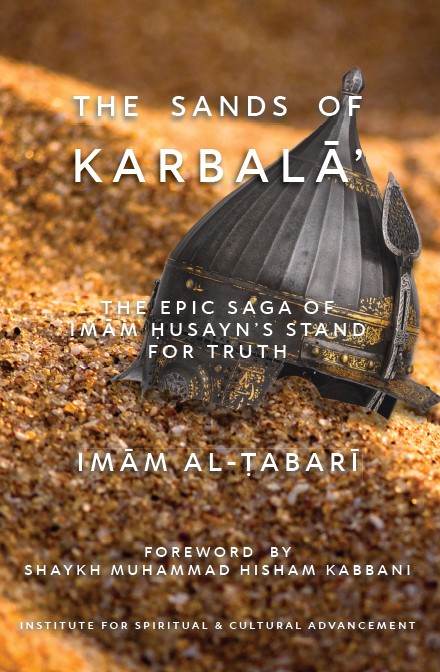
The Sands of Karbala
Author: Imām Abū Jaʿfar Muḥammad ibn Jarīr ibn Yazīd al-Ṭabarī
Foreword: Shaykh Hisham Kabbani
This book explores in detail the tragic events of Karbala from a decidely Sunni perspective, in which Imam Husayn ibn 'Ali (ر), the grandson of Prophet Muhammad (ﷺ), made a decisive stand opposing Yazid's rule over the Muslim world, sacrificing his own life and that of his family to uphold the cause of the Prophetic Sunnah and the rights of the People of the House (Ahl al-Bayt). This pivotal moment in Islamic history is depicted with vivid detail, and with precise narrations, highlighting the bravery and sacrifice of Imam Husayn (ع) and his supporters. The aftermath of Karbala and its profound impact on the Muslim Ummah is thoroughly examined, shedding light on the enduring legacy of Imam Husayn's martyrdom. Through a comprehensive presentation of historical sources, Imam al-Tabari offers a detailed and nuanced understanding of this troubled and critical period in Islamic history.
| | | | We created this Whatsapp group dedicated to helping visitors at Fenton Zawiyah. This group connects local mureeds who can host and welcome our visiting mureeds from out of town. Let us know when you are planning to visit, inshallah! | | Sufilive/ISCA is a 501(c)(3) nonprofit religious organization. Your contribution is tax-deductible to the extent allowed by law. Update your contact information BELOW in order to receive year-end tax-deduction documentation for tax purposes. | | | | |