|
controlled by large urban centers in California, Illinois and New York. The Founding Fathers knew such a system would eventually ignore the needs of less populus, rural states in favor of the majority needs of densely populated cities like New York, Chicago and Los Angeles. In a national popular vote system, the needs of Wyoming would cease to matter to the majority.
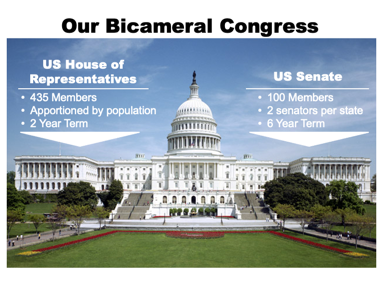
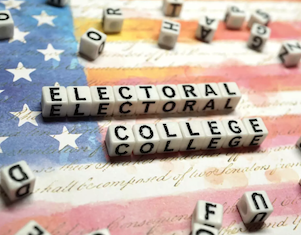
The Electoral College system has one vote for each congressional seat in a state. Here are a few examples:
-
California – 55 Electoral Votes (53 US House seats, 2 US Senate seats)
-
Arizona - 11 Electoral Votes (9 US House seats, 2 US Senate seats)
-
Wyoming - 3 Electoral Votes (1 US House seat, 2 US Senate seats)
Each state has laws that determine who will be electors participating in the Electoral College in December, shortly after the November general election. These electors are bound to vote according to the laws of their state, generally according to the outcome of their state’s popular vote for president.
This system to elect a president is a check and balance respecting the majority vote within a state while keeping the balance of power between urban and rural states. Without this balance, only densely populated areas would elect our leader expecting their needs to be addressed while ignoring the needs of less populated states.
|