|
Performance, Price, and the Diesel Question
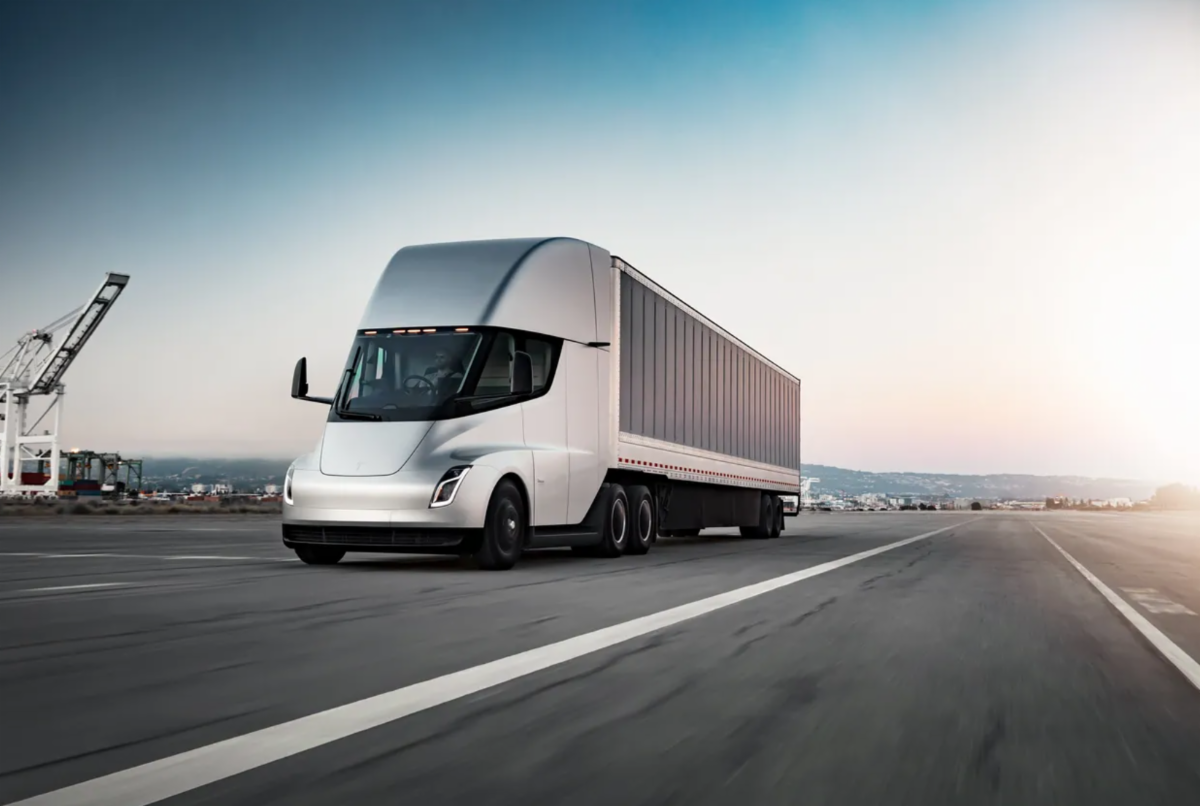
The Tesla Semi is not just an electric novelty. It is designed to compete head to head with diesel trucks on performance and economics.
Two versions are expected. A standard range model capable of about 325 miles and a long range version pushing close to 500 miles on a single charge.
That range figure is critical. It places the Semi within striking distance of many regional and even some long haul routes, though infrastructure limitations still matter. Charging relies on Tesla’s Megacharger network, which can rapidly replenish battery capacity but remains far less widespread than diesel fueling stations. Then there is the price. Estimates put the truck between $260,000 and $290,000, which is higher than a conventional diesel rig.
But Tesla is betting that operating costs will tell a different story. Lower energy costs, reduced maintenance, and fewer moving parts could make the Semi cheaper over its lifetime. Some estimates suggest operating expenses could be around 20 percent lower than diesel in the U.S., and even more favorable in regions with incentives.
Add in rising fuel prices, which have pushed diesel costs higher in recent months, and the economics begin to shift. Still, skepticism remains. Trucking companies are famously conservative, and the transition to electric fleets requires not just new vehicles but new infrastructure, training, and operational strategies. Tesla is not just selling a truck. It is asking the industry to rethink how freight moves.
|