|
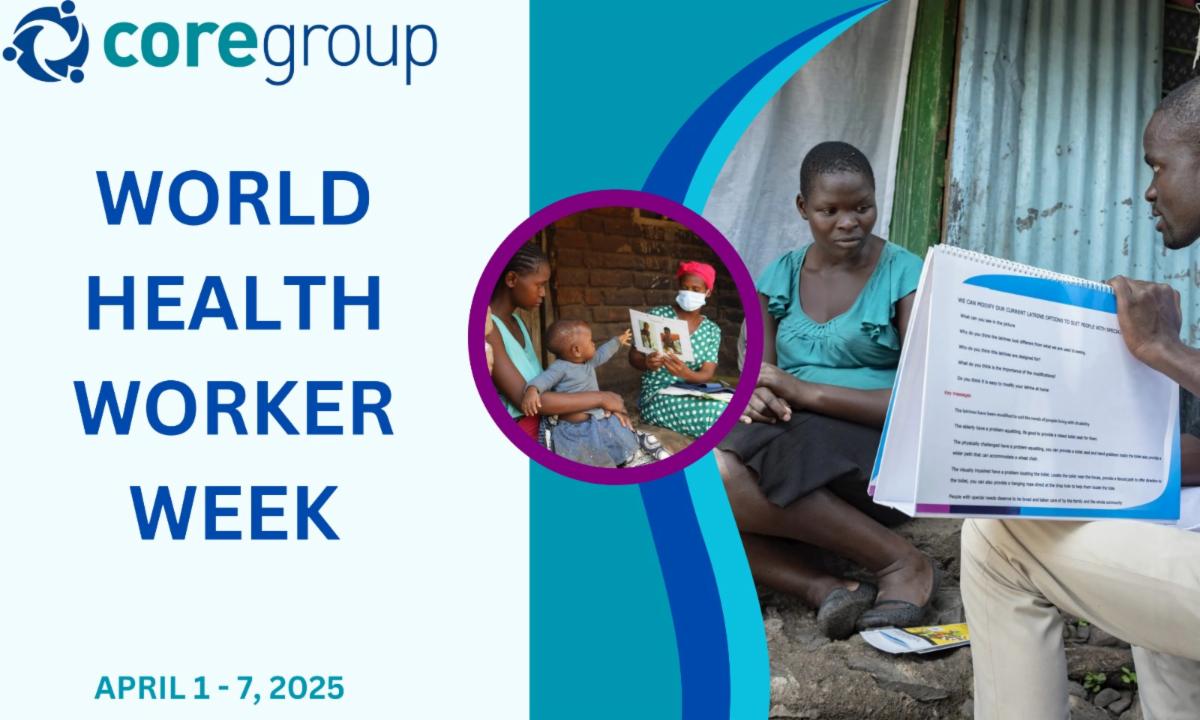
Next Tuesday, April 1, marks the start of World Health Worker Week! This is an important moment to recognize and celebrate the critical contributions of health workers, especially community health workers (CHWs), who are on the front lines delivering essential care, building trust, and strengthening health systems in their communities.
With the recent foreign aid cuts, many CHWs and the communities they serve are facing even greater challenges. Reduced funding threatens not only the sustainability of their work but also the health and well-being of some of the world’s most vulnerable populations. WHO estimates a projected shortfall of 11 million health workers by 2030, mostly in low- and lower-middle-income countries. Now more than ever, it’s crucial to stand with CHWs and advocate for sustained investment in their training, support, and integration into national health systems.
Explore the news and resources below to stay informed about the campaign and the tireless efforts of CHWs making a difference worldwide.
If your organization has plans to share content or would like to coordinate efforts, please reach out to kkabore@coregroup.org.
| | Community Health Worker News | | |
CORE Group conducted a flash survey with a significant number of respondents, including Community Health Workers (CHWs) and Civil Society Organizations (CSOs), to assess the impact of USAID funding cuts on polio eradication. The results highlighted the harmful consequences of disease surveillance, immunization programs, and essential community health services.
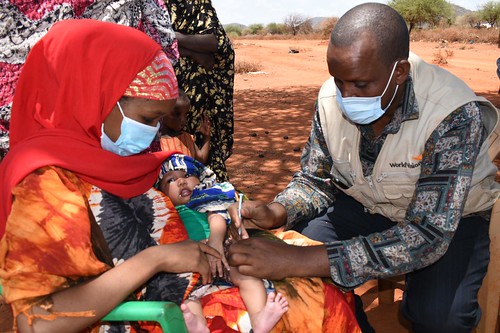
CHWs, vital to polio eradication and vaccination efforts, are facing job losses, particularly women, disrupting critical services and risking millions of children’s health. As one CHW shared:
🔹 “With house-to-house visits halted, new mothers are walking long distances for vaccines—only to find there are none.”
CSOs in regions still battling polio outbreaks also emphasize the urgency of continued investment, with one noting:
🔹 “The gains of polio eradication will be wiped out in no time if timely investments are not made.”
The need for sustained support for CHWs and polio programs has never been greater. As we recognize Health Worker Week, we stand with CHWs, urging immediate action to protect global health.
| | |
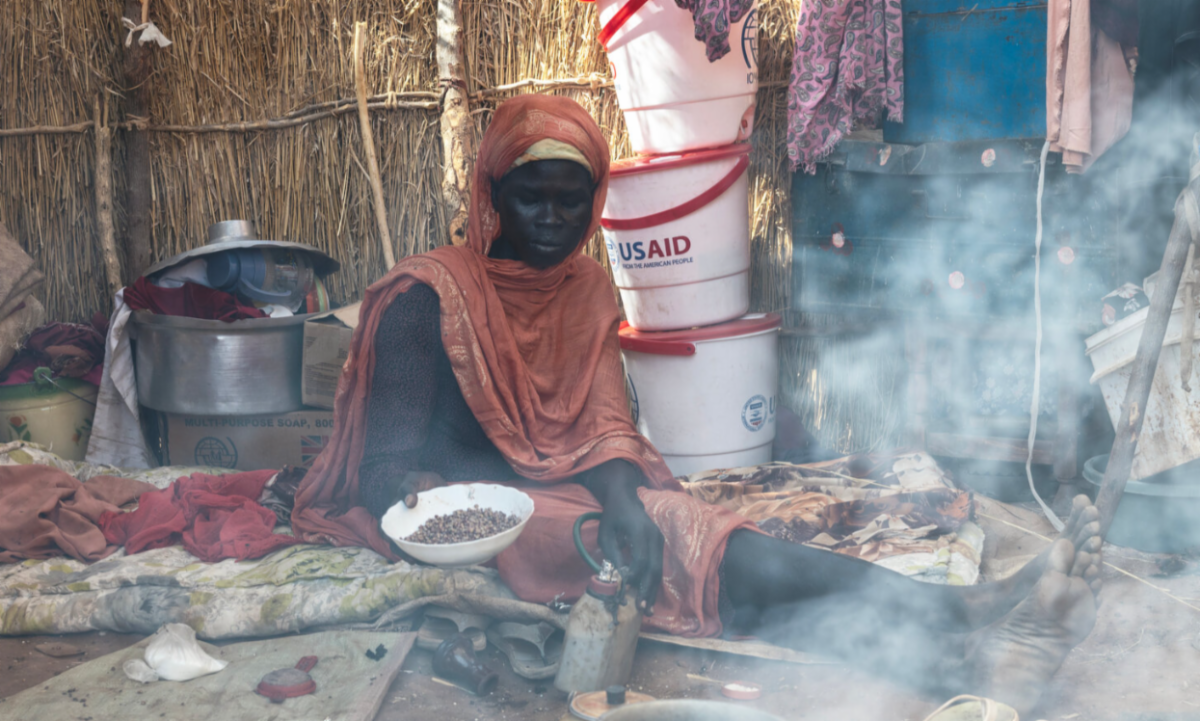
Pulitzer Prize-winning New York Times journalist Nicholas Kristof has authored a compelling article that sheds light on the profound human consequences of recent USAID funding cuts. Through powerful personal narratives and striking visuals, Kristof illustrates how these reductions are affecting individuals and communities worldwide.
These stories serve as a poignant reminder that behind every statistic are real lives and futures at stake. The article underscores the critical importance of sustained investment in global health, development, and humanitarian assistance, especially in light of the challenges posed by decreased funding.
We encourage you to read Kristof's insightful piece to gain a deeper understanding of the current situation and the urgent need for continued support in these vital areas.
| | |
The Frontline Health Workers Coalition has shared an important analysis highlighting the return on investment in health workers, especially in primary health care.
The report offers five key policy recommendations for heads of state, donors, and policymakers — emphasizing that investing in frontline health workers is critical to building stronger, more resilient health systems worldwide.
| | |
A rapid review of health and care workforce planning tools has been published in collaboration with the PAHO/WHO Collaborating Centre on Health Workforce Planning & Research at Dalhousie University, Canada.
The review aimed to identify existing tools, assess their strengths and limitations through a comprehensive analysis of published evidence and consultations, and provide actionable recommendations.
| | |
The World Health Organization and England’s public healthcare system, the National Health Service (NHS) will be hosting the seminar "Working for Health 2030: Building Health Workforce Leadership" on April 2, from 11 AM to 1 PM GMT.
| | |
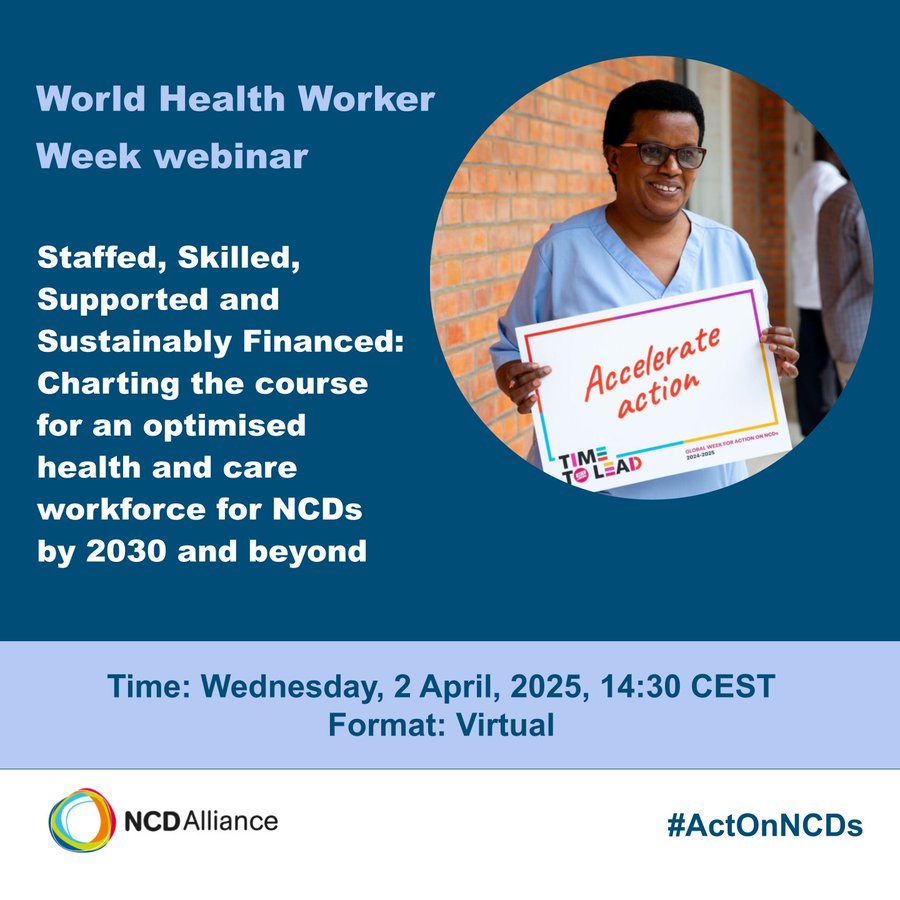
The NCD Alliance is hosting a webinar on April 2 as part of World Health Worker Week (April 1-7). The session will focus on actionable solutions for building a resilient, well-equipped, and sustainable global health workforce capable of addressing the diverse challenges posed by non-communicable diseases.
| | Hear From Our Community Health Workers | | |
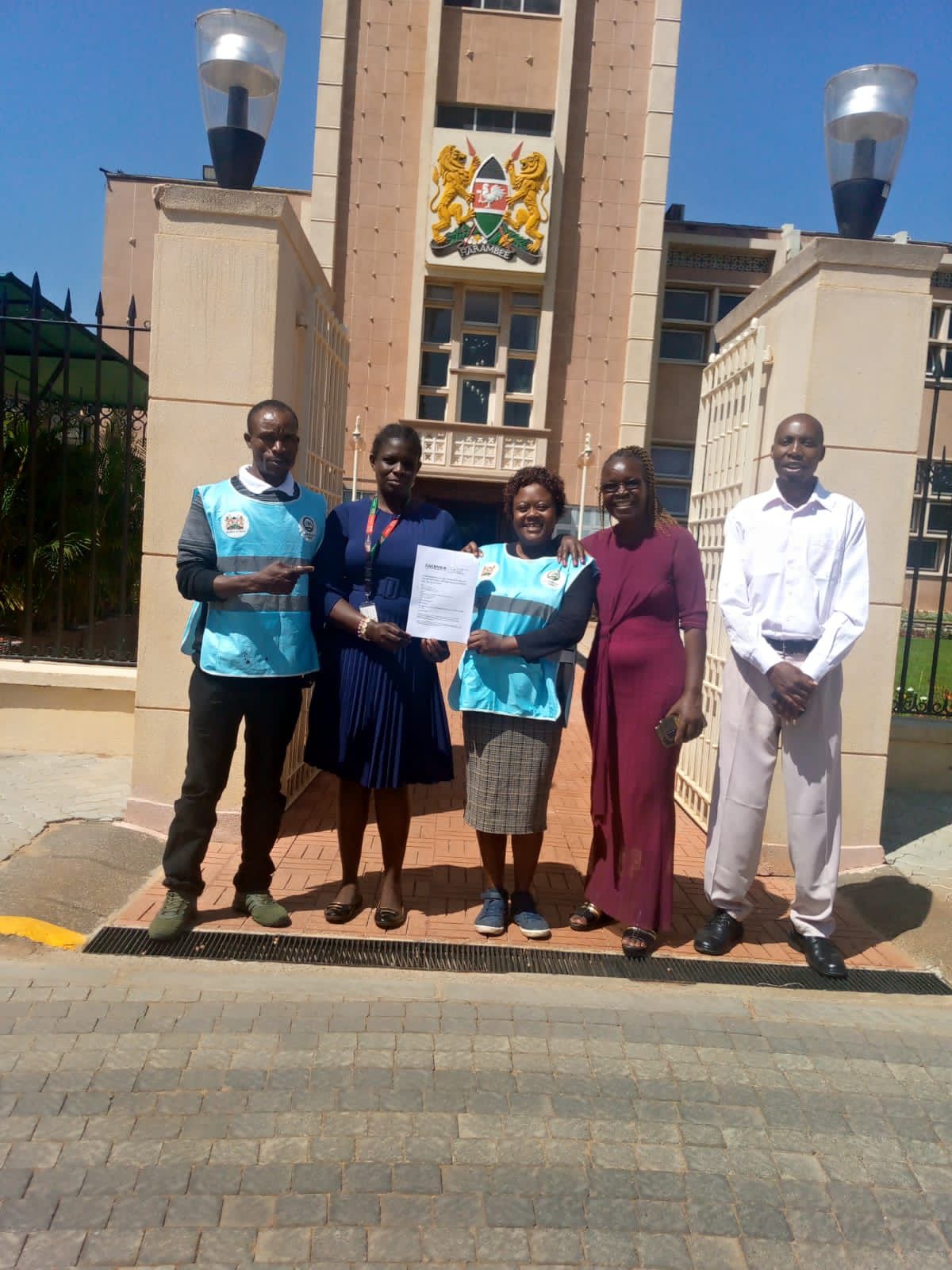
In January 2025, some of the dedicated Community Health Workers (CHWs) that CORE Group has had the privilege to collaborate with successfully submitted a memorandum to the Senate, addressing key concerns in The Community Health Promoters Bill, 2024 (National Assembly Bill No. 53 of 2022). This important submission was met with a positive reception and official endorsement, marking a significant step toward ensuring fair recognition and inclusion for all Community Health Promoters (CHPs).
This milestone was made possible by the tireless advocacy of CHWs such as Jannet Atieno, Margaret Odera, and George Ochieng Owino, whose efforts continue to drive progress in strengthening community health systems and securing the rights of CHPs.
| | |
This journal captures the voices of CHWs, sharing their experiences and strategies for success. Through firsthand insights, it highlights how CHWs work within communities, build trusted relationships, and sustain critical health initiatives.
In Ethiopia, the CORE Group Partners Project (CGPP) has empowered CHWs and Community Volunteers (CVs) to lead the fight against polio in some of the country’s most at-risk areas. Despite challenges such as rugged terrain, remote populations, and vaccine hesitancy, CHWs have strengthened disease surveillance, increased immunization coverage, and improved overall public health outcomes.
Explore their stories and the lessons learned in this journal.
| | |
CORE Group recently interviewed several of our dedicated Community Health Workers (CHWs) to understand how they have been impacted by recent foreign aid cuts and funding freezes. One of these CHWs, Loyce Nyaboke Nyachio from Nairobi, Kenya, shared her firsthand experience of the challenges posed by these changes.
In this video, Loyce highlights the effects of these funding reductions on healthcare access, community health initiatives, and the resilience of the families she serves.
Her story underscores the critical role that CHWs play in their communities and serves as a powerful reminder of the real-world consequences these policy decisions have on the health and well-being of vulnerable populations.
| | |
One of the many impactful roles community health workers play is advocating for social change and raising awareness on critical issues. Earlier this year, dedicated community health worker Ebby Miroya Kedogo participated in the Nairobi Run Against GBV, using her platform to speak out as a survivor and champion the fight against gender-based violence.
The marathon, organized by UN Women Kenya, the Nairobi County Government, and other key stakeholders, brought together over 1,500 participants to raise awareness and push for action to end GBV.
This event was part of the 16 Days of Activism Against Gender-Based Violence (GBV) campaign, which was launched in Kenya earlier this year with a series of powerful initiatives. Ebby’s advocacy highlights the vital role community health workers play—not only in delivering essential health services but also in driving meaningful change within their communities.
| | | | |