Prospera Institute and Morehouse School of Medicine Launch Groundbreaking VR Bioethics Program for Minority-Serving Institutions | | |
|
Boston, MA – August 28, 2025 — The Prospera Institute is proud to announce a transformative partnership with Morehouse School of Medicine, launching an innovative program to advance bioethics literacy among students attending Minority-Serving Institutions (MSIs), including Historically Black Colleges and Universities (HBCUs) and Hispanic-Serving Institutions (HSIs).
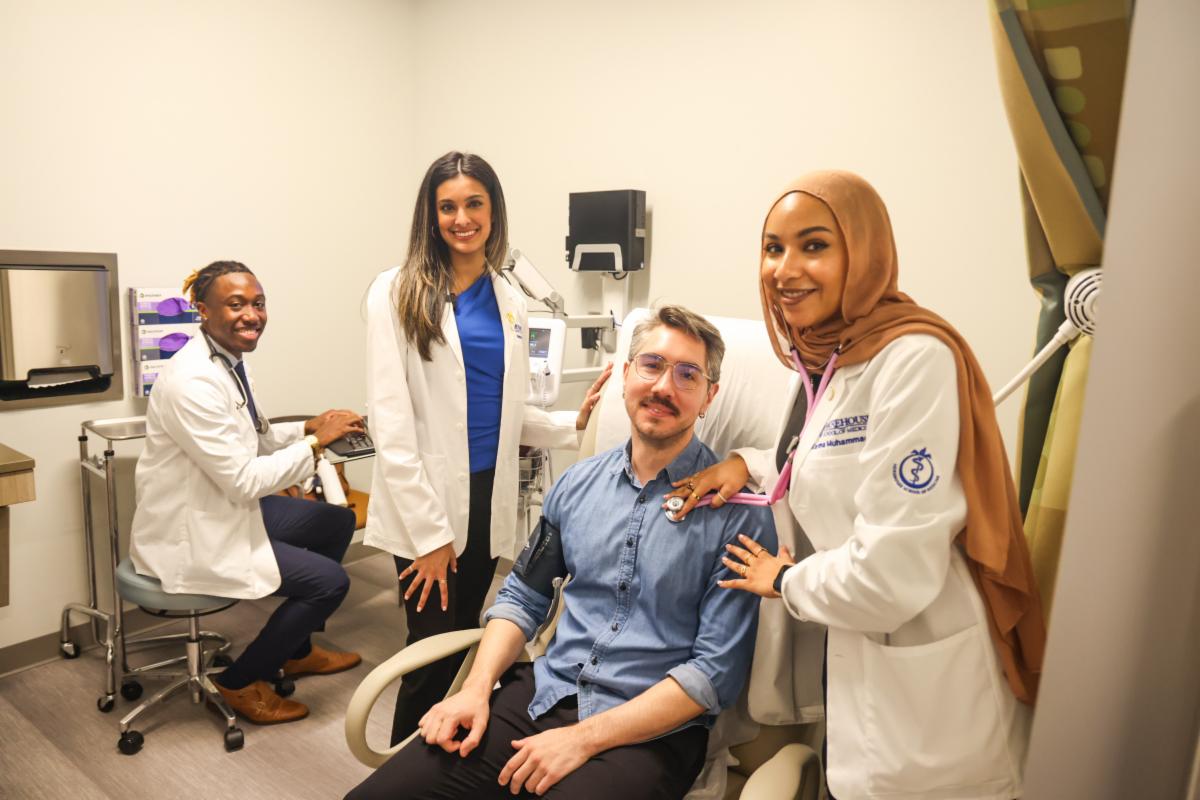
This initiative is co-led by Dr. Walter Conwell, CEO of Trulite Health, a critical care physician and former academic leader in healthcare workforce development, and Joanne Suarez, founding Executive Director of the Prospera Institute, with the support of Christina Joseph Muhammad, EdD (she/her/hers) — Project Director, Public Health and Preventive Medicine Residency, and Instructor in Community Health and Preventive Medicine. The team also includes Dr. Tawain E. Kelly, Project Manager in the Office of Institutional Excellence, where he directs large-scale initiatives in faculty development, student-centered innovation, and institutional advancement, and Dr. Michael Maxwell, Assistant Director of the Office of Digital Learning, who leads the integration of advanced technology into medical education. Together, this leadership team is introducing a program that uses Virtual Reality (VR) simulations to make ethics training widely available, grounded in the lived healthcare realities of varied population groups.
“Bioethics must be accessible to those who understand, firsthand, the challenges of navigating systems that have historically presented access barriers,” said Joanne Suarez. “This program equips students not only to enter medicine or health sciences, but to address the very healthcare outcome gaps they witness.”
| |
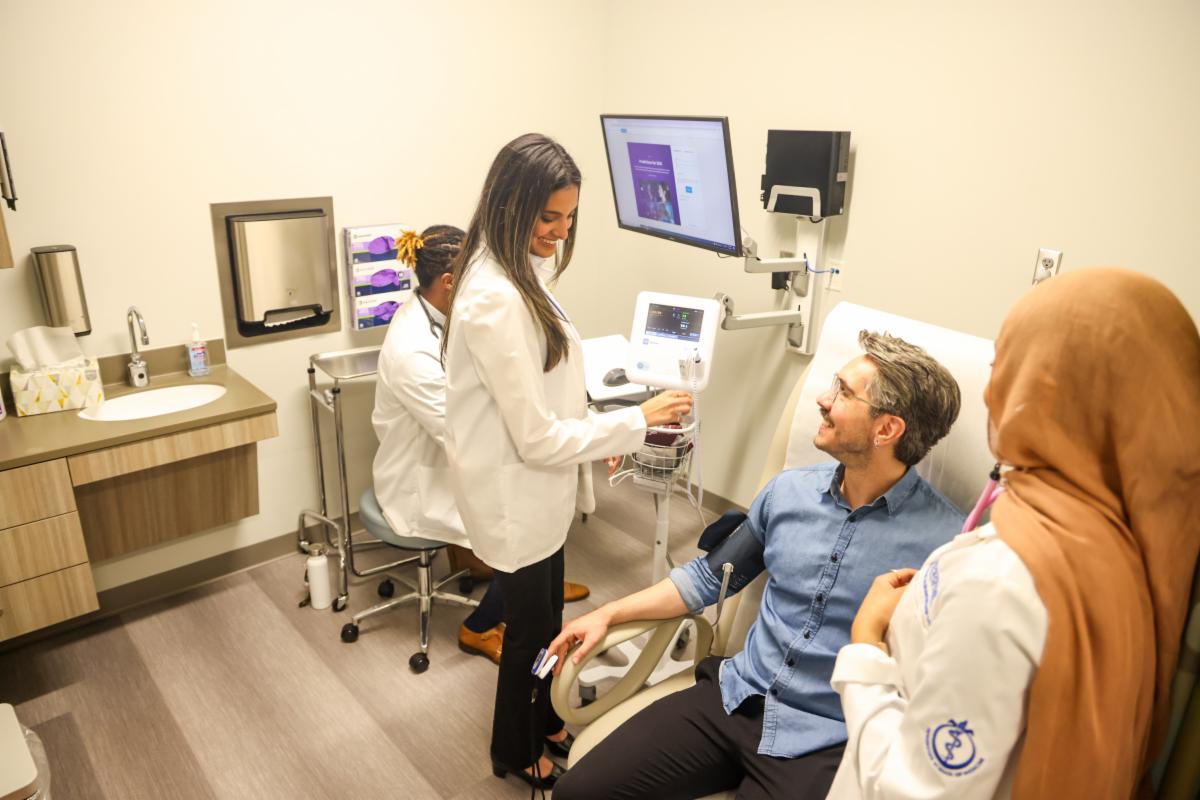
The VR simulations—developed in collaboration with students—will immerse participants in ethical decision-making scenarios they may face both in clinical practice and in their communities. These include end-of-life care decisions, environmental health concerns, and variations in care quality influenced by structural and procedural factors.
Dr. Conwell explained, “We’re building ethical awareness in future physicians and healthcare leaders—people prepared not only to care for patients, but to strengthen healthcare delivery systems at every level.”
While 14.4% and 19.5% of the U.S. population identify as Black or Hispanic/Latino respectively, only 5.7% of physicians identify as Black or African American and 5.8% as Hispanic or Latino. This measurable gap underscores the need for ethics education resources tailored to students from regions and backgrounds where access to such training is often constrained by institutional and resource limitations.
| |
Evidence from recent studies supports VR as a powerful tool in medical education. A 2021 randomized clinical trial in JAMA Network Open found that VR-based training matched face-to-face instruction in improving personal protective equipment skills, with VR-trained participants outperforming peers trained through standard video modules. A 2021 BMJ Open review also confirmed VR’s ability to improve knowledge retention, empathy, and learner engagement. The field of bioethics is evolving as well. A 2025 study by Pacia et al. found that 80% of bioethics professionals believe that understanding societal context should be an integral part of bioethics work, and nearly 75% support making it a core focus of bioethics education.
This multi-generational effort reflects Prospera Institute’s commitment to linking ethics education with community-informed perspectives and preparing students from backgrounds with proportionally lower representation in healthcare to address real-world ethical challenges. It also builds on Prospera Institute’s broader mission to make bioethics education radically accessible.
Through its monthly Areitos Café Bioethics Fireside Chats, the Annual Health Equity for All Symposium, and its ongoing collaboration with the Tornini Lab at UCLA and the Dana Center for Neuroscience and Society, Prospera is actively engaging communities in ethical dialogue at the intersections of community health, culture, and society.
By expanding access to ethics education through immersive technologies and student co-creation, this partnership will create critical pipelines for students at HBCU's and HSI's to enter and shape the future of bioethics.
|
| |
Meet the VR Bioethics Education
Project Team
| | |
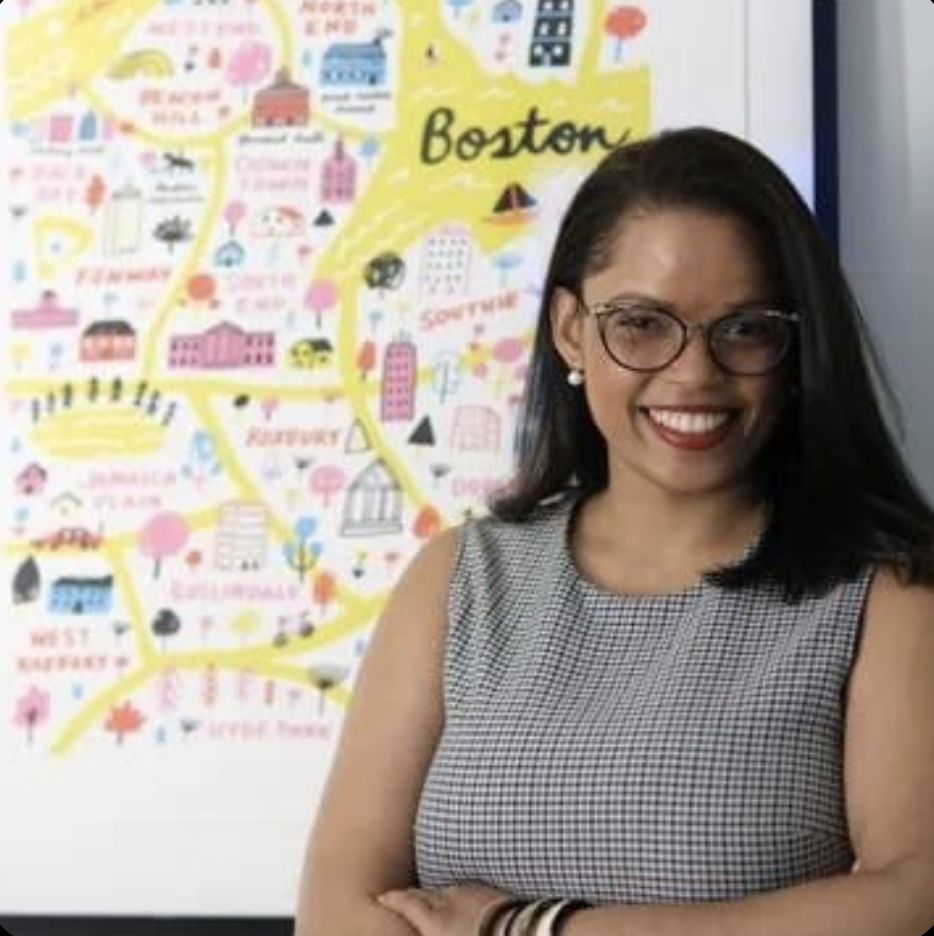
Joanne Suarez is a bioethicist and independent public health researcher dedicated to advancing health equity, healing, and social justice. She is also the Founder and Executive Director of the Prospera Institute, where she leads work at the intersection of ethics, community health, culture and society.
Joanne has led initiatives to expand vaccine access, reform crisis care policies, and promote culturally grounded care in underserved communities. Joanne holds a Master of Bioethics from Harvard Medical School, a Bachelor’s in Counseling Psychology from Johnson & Wales University, and is currently pursuing a Master of Divinity at Boston University. She is also a licensed preacher in the African Methodist Episcopal Church, bringing faith, ethics, and action into every aspect of her work.
| | |
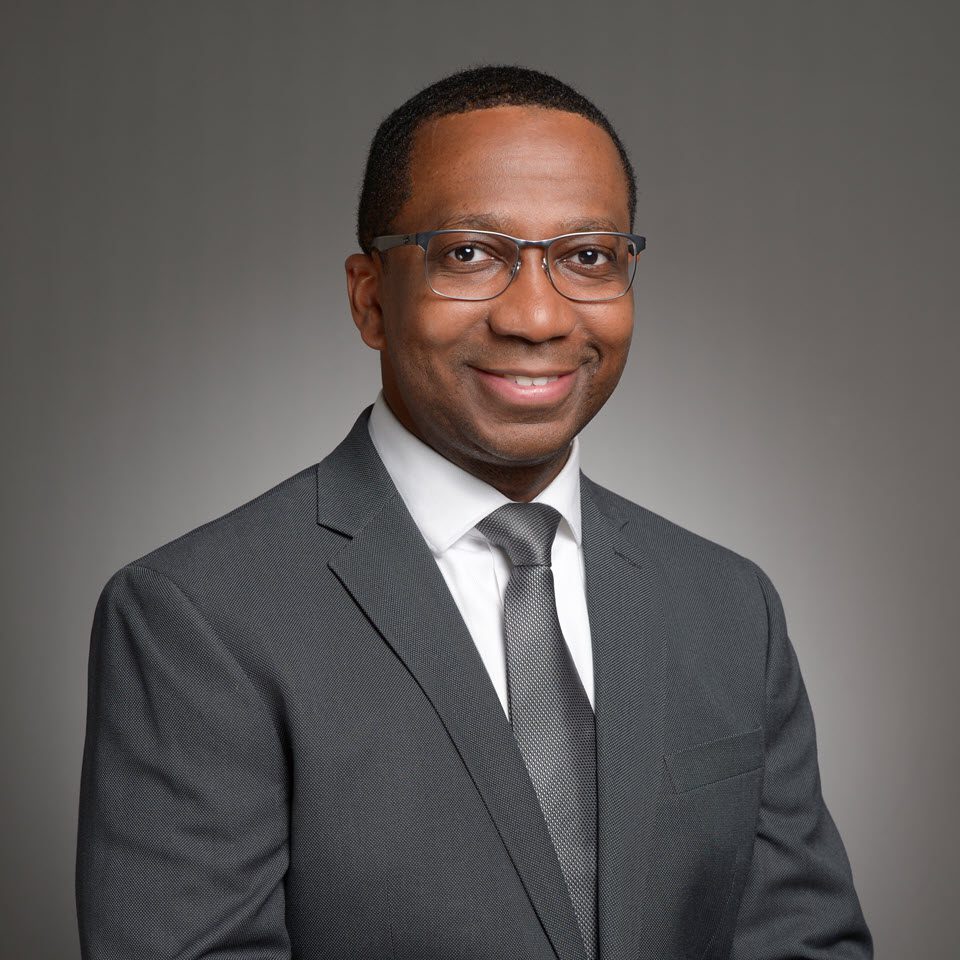
Dr. Walter D. Conwell is President of TruLite Health, leading efforts to reduce health disparities through Truity™, an innovative clinical decision support platform.
A board-certified physician in four specialties and a nationally recognized health equity leader, Dr. Conwell also serves on the faculty at Morehouse School of Medicine. He has held senior DEI roles at Morehouse and Kaiser Permanente, where he built frameworks to support inclusive recruitment, curriculum reform, and culturally responsive care. His work is rooted in a commitment to advancing equity, transforming medical education, and driving systemic change across healthcare institutions to benefit historically underserved populations.
| | |
Dr. Tawain E. Kelly is Project Manager in the Office of Institutional Excellence at Morehouse School of Medicine, where he leads strategic initiatives in faculty development, innovation, and equity-driven institutional growth.
Dr. Kelly mentors emerging leaders through the Innovation & Inclusive Leadership Academy and holds a DBA from South University. His expertise spans organizational behavior, leadership development, student success, and institutional transformation.
| | Christina Joseph Muhammad, EdD | |
Dr. Christina Joseph Muhammad is Project Director for the Public Health and Preventive Medicine Residency Program and Instructor at Morehouse School of Medicine. With nearly 25 years in higher education, she has held leadership roles at Columbia University, CUNY, and Metropolitan College of New York. A Spelman alumna, she holds a master’s and doctorate from NYU.
Her work centers on organizational culture, leadership development, and professional socialization in health and education.
| | |
Dr. Michael Maxwell serves as Assistant Director of the Office of Digital Learning at Morehouse School of Medicine, where he leads digital learning strategy, instructional design, and academic innovation. A Bronx native who has called Georgia home since 1995, Dr. Maxwell brings over 20 years of experience in higher education administration. He holds a B.S. in Mathematics from Morehouse College, an M.Ed. in Instructional Technology from Georgia Southern University, and a Ph.D. in Instructional Technology and Design from Georgia State University.
His work centers on using technology to create engaging, inclusive, and student-centered learning environments.
| | |
About Prospera Institute
Founded in Boston, Prospera Institute is a national nonprofit organization that explores ethical and moral issues at the intersection of community health, culture, and society. Through community-rooted research, public engagement, and culturally responsive educational programming, PI bridges bioethics and grassroots social change to ensure ethical inquiry serves those most impacted by health inequities.
PI's work spans four ethical domains: social determinants of health; science, technology and society; health and human rights; and arts, health and culture human rights — while striving to center human dignity, healing, and transformation in all it does.
About Morehouse School of Medicine
Morehouse School of Medicine is a national leader in preparing physicians, scientists, and public health professionals to address documented healthcare access limitations and improve patient outcomes. The institution plays a critical role in strengthening a healthcare workforce equipped to meet varied community needs.
| |
| How did you like this press release? | | | | | | |