|
CONSERVATION · STEWARDSHIP
Pull It or Leave It?
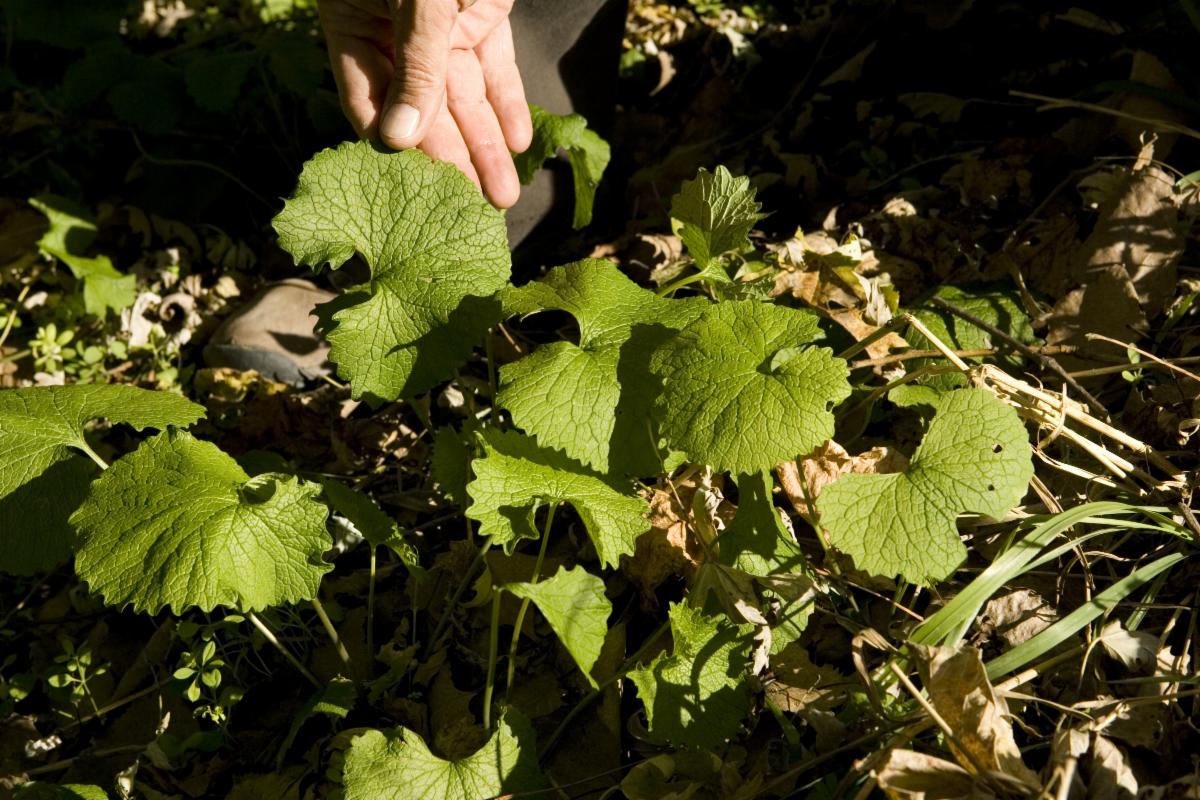
It's an invasive species question dividing land stewards across the Northeast, and honestly, the answer is more complicated than it looks. Garlic mustard (Alliaria petiolata) arrived from Europe in the 1860s, likely for use as a culinary herb and medicinal plant, and has spent the last 150 years making itself extremely at home in Northeastern forests. One plant can produce more than 7,000 seeds, smothers spring wildflowers, and releases chemicals that suppress native plant growth. The conventional wisdom has always been: pull it. But recent research is complicating that consensus.
Cornell ecologist Bernd Blossey and colleagues found that at multiple study sites across the Northeast and Midwest, garlic mustard has declined significantly on its own over recent years—a phenomenon researchers attribute to negative soil feedback. If you leave it alone, it eventually thins out. Pulling, on the other hand, creates more soil disturbance, potentially spreads seeds, tramples native species, and may interfere with the soil's ability to repel the invader. As Blossey puts it: "It all backfires."
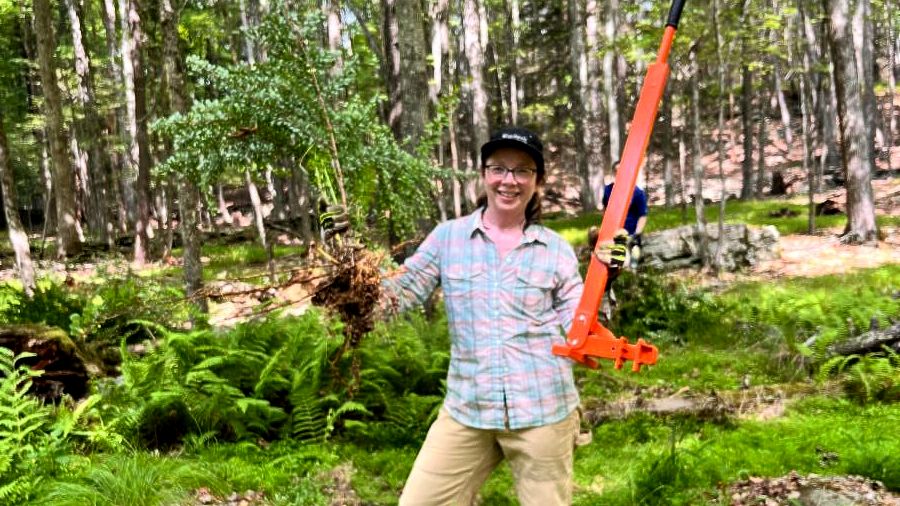
Here at WLC, our stewards are thinking about it differently depending on location. In some places, garlic mustard is established and may be better left alone. But in an area where it hasn't taken hold yet? That's worth fighting for. The emerging consensus among many researchers is that the best strategy is prevention: catch the invasion early, because once it's dug in, eradicating it over a large area is nearly impossible. (You'd need to remove nearly 100% of plants every year for a decade, because up to one-fifth of seeds can delay germination for years.)
Check out the original 2021 study →
|