|
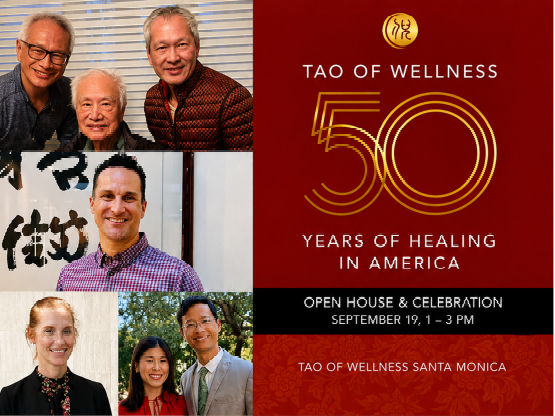
This year marks 50 Years of Healing in America—1976 to 2026. As we look back over half a century, it is also an opportunity to reflect on what our tradition has preserved, how it has evolved, and where it may be going next.
When people encounter Taoism today, they often enter through a single doorway. Some discover the Tao Te Ching or Chuang Tzu. Others begin with Tai Chi or Qigong, meditation, the I Ching, Feng Shui, astrology, or Chinese medicine.
These may appear to be separate disciplines, but they grew from the same understanding of life.
At the College of Tao, this broad field of knowledge is organized into the Eight Pillars: Taoist Philosophy, Contemplation, Jing (vital essence) cultivation, Spiritual Arts, Nutrition, Healing Arts, Qi Cultivation and Forecasting. Each offers a different way to understand ourselves, nature and the subtle universal laws operating through life.
Eight Doorways Into One Tao
Taoist Philosophy provides the foundation through classics such as the Tao Te Ching, Chuang Tzu and I Ching. They teach us to recognize Yin and Yang, change, balance, simplicity, wu wei and the natural patterns underlying existence.
But Taoism was never meant to remain an intellectual study. We must experience what we learn.
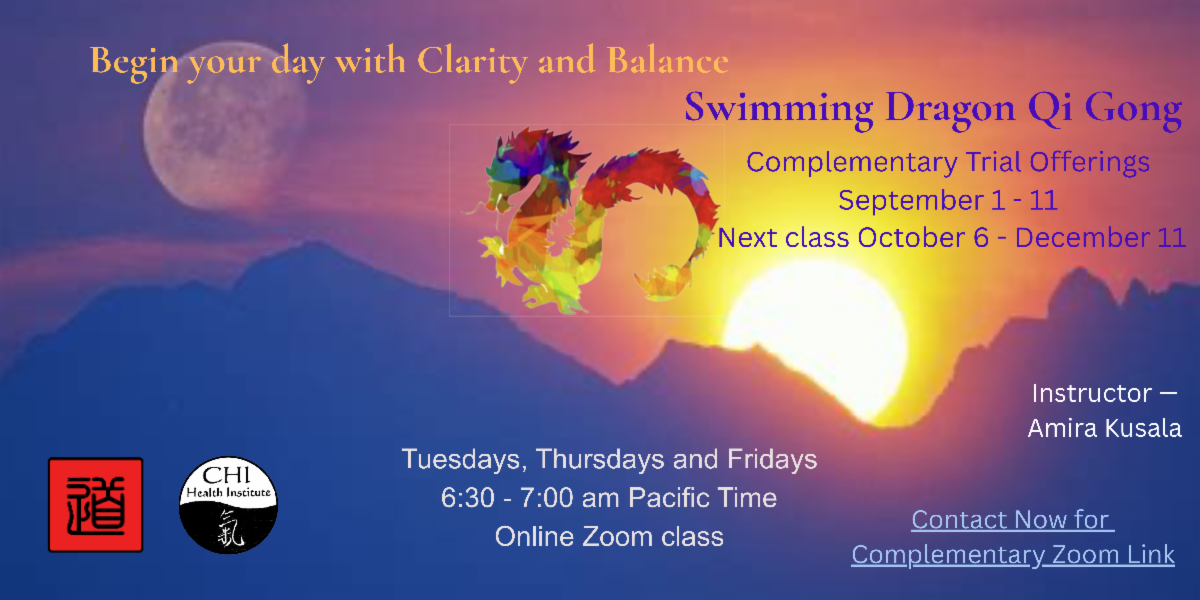
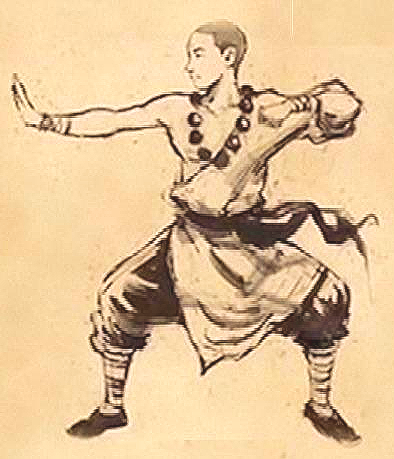
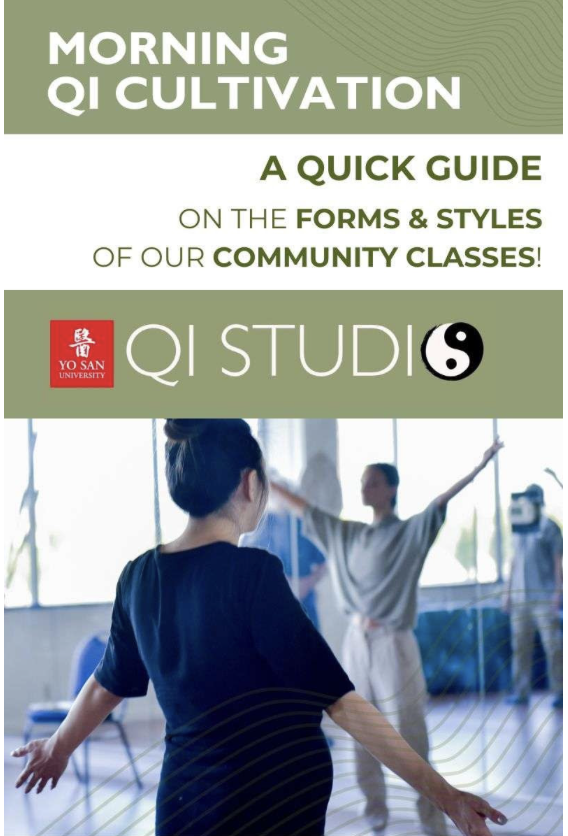
Through Qi Cultivation, practices such as Qigong, Tai Chi, Dao-In and Bagua allow these principles to become embodied. We learn to feel Qi, experience Yin and Yang within ourselves and become more sensitive to our relationship with nature.
The Spiritual Arts deepen this cultivation through meditation, invocation, energetic practices and the Advanced Traditional Practice, or ATP, a long-term path of spiritual development transmitted through our Integral Way tradition. Practices such as the Gratitude and Renewal Meditation cultivate the heart and help us recognize our relationship with Heaven and Earth, our ancestors, teachers, nature and the many visible and invisible forces supporting life.
The Contemplative Arts—including poetry, calligraphy, music, painting and gardening—develop attention, sensitivity and presence. Jing Cultivation teaches the responsible cultivation and conservation of reproductive vitality.
Nutrition explores food as both substance and energy—considering constitution, season, climate and preparation as part of maintaining harmony.
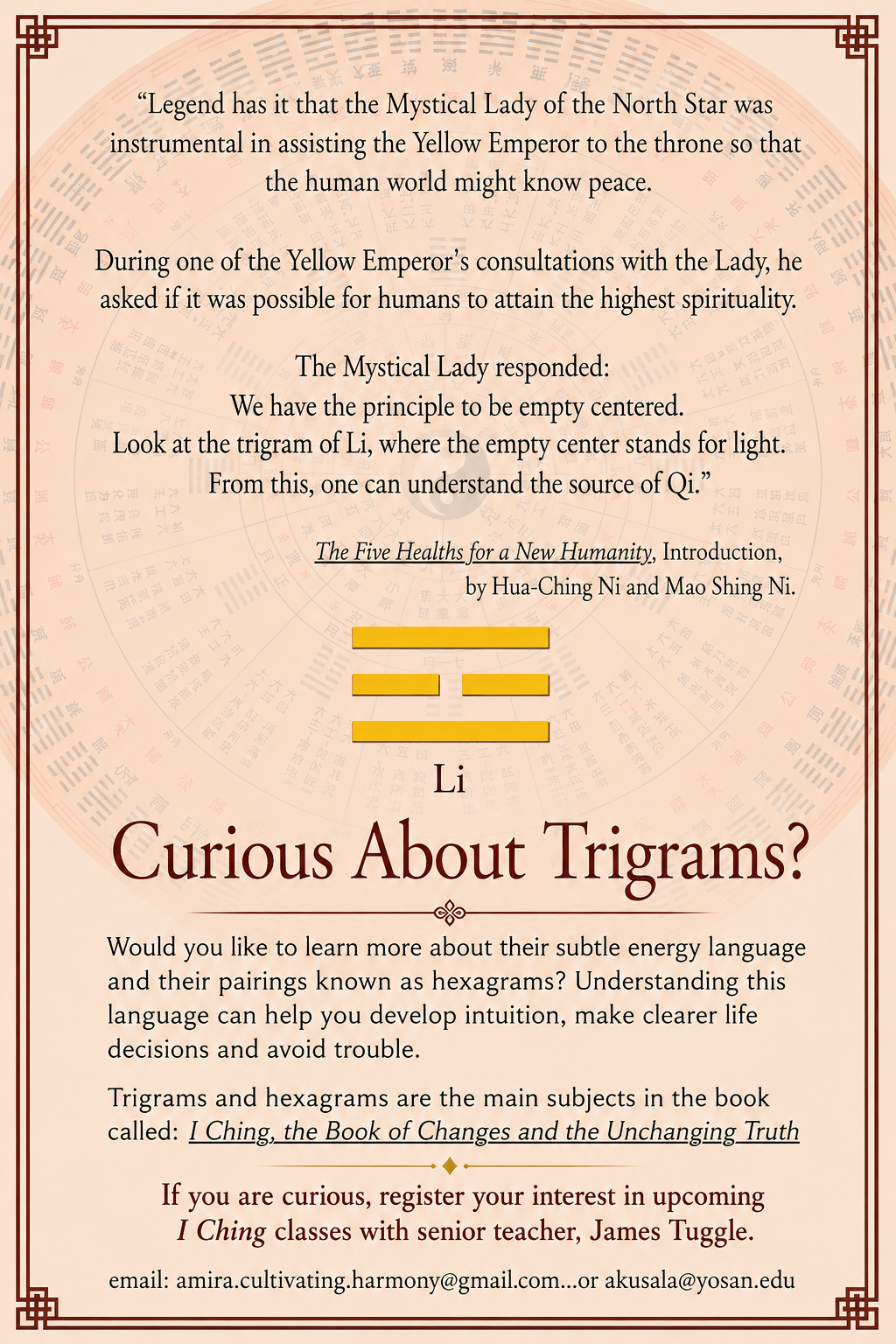
Forecasting, through the I Ching, Feng Shui, astrology, Five Element psychology and related disciplines, trains us to recognize cycles, timing and patterns of change so that we may respond more wisely to changing circumstances.
And the Healing Arts encompass acupuncture, herbal medicine, Tuina, medical Qigong, energy healing and the larger body of knowledge we now call Traditional Chinese Medicine.
Why study such a wide range of subjects? Because each develops a different faculty of perception.
One teaches us to observe change. Another teaches us to feel Qi. Another reveals patterns within the body. Another develops awareness of timing and environment. Another quiets the mind.
Over time, the disciplines begin to converge. We discover that the Yin and Yang of the I Ching are the same forces operating within the body. The Five Elements used in medicine are also expressed through seasons, foods, emotions and nature. Principles encountered in the Tao Te Ching become something we can actually experience through Tai Chi and meditation.
This is how knowledge gradually matures into wisdom.
The purpose of studying the Eight Pillars is not simply to become knowledgeable in eight different subjects. Through studying the whole, we begin to perceive the relationships between them and gain insight into the mysteries—the subtle universal laws beneath visible life.
Fifty Years of Healing in America
Our family’s history in America reflects this larger journey.
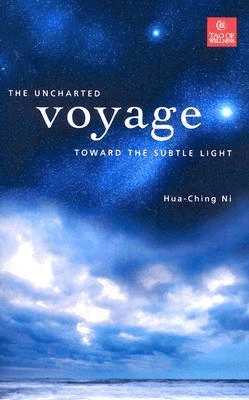
In 1976, our father, Hua-Ching Ni arrived in the United States, bringing with him a living Taoist tradition—the College of Tao—transmitted through generations of our family. He taught Taoist philosophy, meditation and cultivation while also practicing the healing arts. Students came to learn, and patients came to heal. The two belonged together.
As my brother, Dr. Daoshing Ni, and I became more involved during the 1980s, the healing practice continued to grow. We also recognized the need for a formal institution capable of educating future generations of professional practitioners of Chinese medicine. So in 1989, we founded Yo San University of Traditional Chinese Medicine.
The Healing Arts, one of the Eight Pillars, now had a dedicated institution where acupuncture and Chinese medicine could be taught within the requirements of modern professional education.
Meanwhile, the College of Tao continued carrying the broader teachings of Taoist philosophy, meditation, spiritual practice, nutrition, forecasting and self-cultivation.
For practical reasons, what had traditionally existed together developed into two institutions, yet both grew from the same root.
Bringing the Two Branches Together Again
Now, as we commemorate 50 Years of Healing in America, efforts are underway to make College of Tao courses and teachings increasingly accessible to the Yo San University community and to bring these two branches of our tradition closer together again.
I believe this is especially important for the future of Chinese medicine. A student can master acupuncture points, herbal formulas, diagnosis and clinical techniques. All are essential. Yet ultimately, the medicine is only as good as the practitioner delivering it. The practitioner is part of the medicine.
Our presence enters the treatment room. Our state of mind, Qi, intention, compassion, clarity and ability to listen influence the therapeutic encounter. This is why Taoist physicians traditionally cultivated themselves.
Before attempting to regulate another person’s Qi, we learn to regulate our own. Before helping another person restore balance, we continually cultivate balance within ourselves. To perceive increasingly subtle patterns in a patient, we must refine our own powers of observation.
Without spiritual cultivation, it is difficult for a healer to reach his or her full potential.
Completing the Circle
Fifty years after our father arrived in America, perhaps we are completing another circle.
The College of Tao and Yo San University followed different paths because each had a particular responsibility. One preserved the broader landscape of Taoist cultivation and the other carried the Healing Arts into professional education. Now we have an opportunity to reconnect them.
One person may enter Tao through Tai Chi, another through acupuncture, meditation, nutrition, Feng Shui, the I Ching or the Tao Te Ching. The doorway matters less than whether we continue exploring. As our understanding deepens, the boundaries between the disciplines begin to disappear. Everything connects.
Perhaps this is the greatest lesson of the Eight Pillars: we study the many so that eventually we may understand the whole.
After fifty years of planting these teachings in American soil, our responsibility is to nourish what has taken root, reconnect its branches and pass this living tradition forward to the generations that follow.
The Tao is one, yet the doorways are many.
|