Elmo Peeler Note-for-Note Piano Transcriptions | | | |
Greetings!
Today is the first day of August - time again for my monthly newsletter, to keep you informed of recent transcriptions and other news of the last month.
Please pass this newsletter on to your music-loving friends. Word-of-mouth advertising helps spread the word about this excellent music resource.
| | | | |
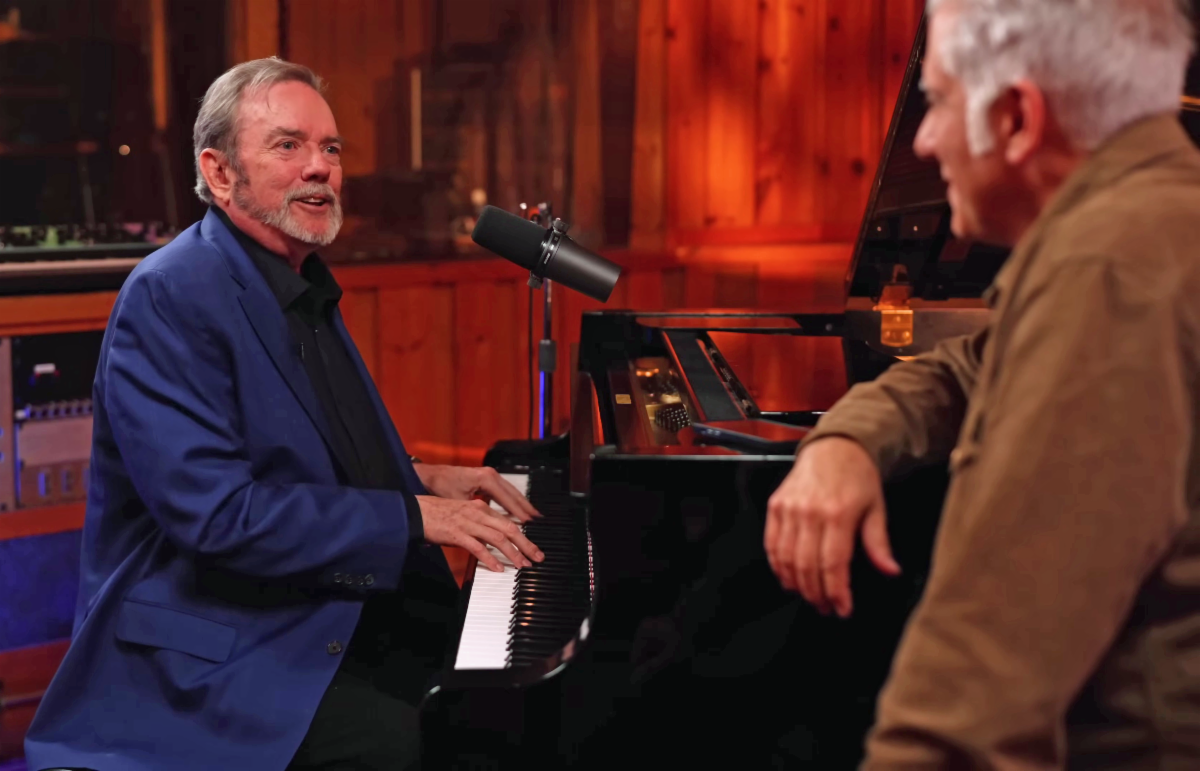
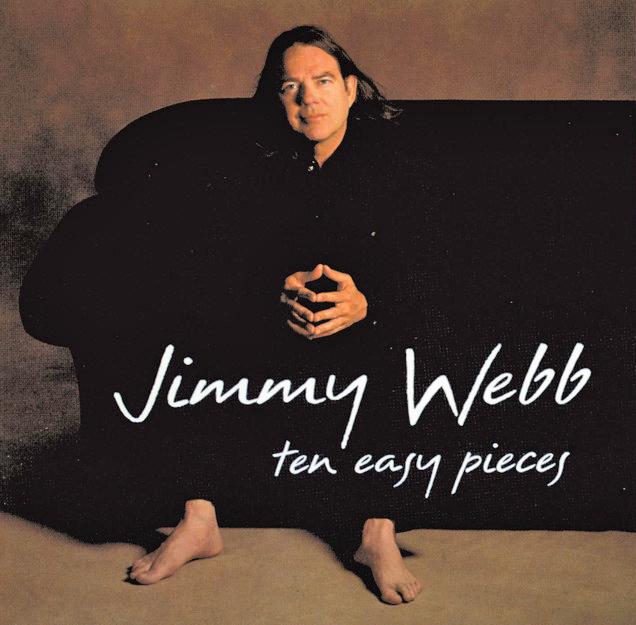
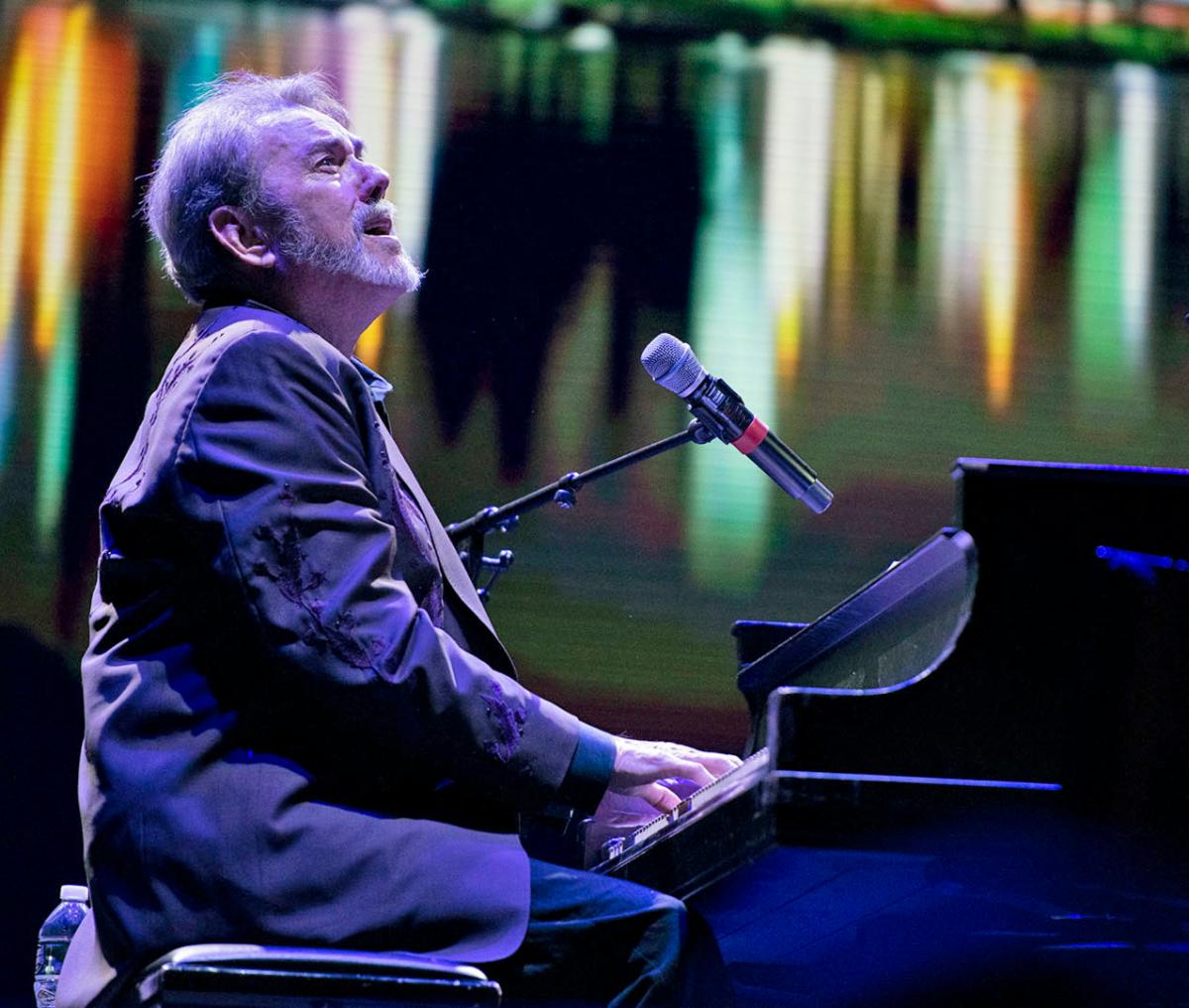
This month my new transcription is of one of the very best songs ever written - Jimmy Webb's "Wichita Lineman" - as played by the songwriter himself on his Ten Easy Pieces album.
Bob Dylan called it "the greatest song ever written".
In a July 2026 interview Rick Beato asked Billy Joel, "What song is a perfect song that you didn't write, by any artist?"
Billy immediately began playing "Wichita Lineman" and replied, "The perfect song. To me, that's one of the best written songs ever."
| | |
BTW, to make sure that my email doesn't end up in your Spam folder, please add me to your Contact list and/or mark my email as "Not Spam".
Note that every Title Heading is clickable.
Elmo Peeler
| |
ALL of the Sheet Music listed on my website has been personally transcribed by me, and guaranteed to be note-for-note perfect.
Whether you:
- have a cover band and want to get your keyboard parts exactly correct,
- are a professional who wants to study the styles of rock's greatest keyboard players, or
- are a hobbyist that wants to learn how to play pop/rock and great piano music,
...these note-for-note transcriptions will prove extremely helpful.
| | |
In the News! - Jimmy Webb - "Wichita Lineman"
Performed beautifully by the songwriter himself
| | | | |
Born in 1946 in Elk City, Oklahoma, Jimmy Webb grew up under the strict eye of his father, a Baptist minister and former Marine who strictly restricted the family radio to country music and white gospel.
Encouraged by his mother, Webb learned piano and organ at an early age, accompanying his father’s church choir by age 12 while secretly absorbing the secular rock-and-roll sounds of Elvis Presley.
In 1964, the Webb family relocated to Southern California, where Jimmy briefly studied music at San Bernardino Valley College.
His mother passed away just a year later. When his grieving father made plans to return to Oklahoma, 18-year-old Jimmy made the bold choice to stay behind and pursue songwriting in Los Angeles. His father famously warned him, "This songwriting thing is going to break your heart". Seeing that his son was determined, however, he gave him $40, saying "It's not much, but it's all I have."
| | |
Left with little money, Webb survived by writing lead sheets for a small publishing company.
His first major break came when he signed as a staff songwriter with Motown’s publishing arm,
Jobete Music, where his first commercial placement was "My Christmas Tree" for the Supremes in 1965.
By 1966, Webb was working under singer and record executive Johnny Rivers. Rivers had just signed a fresh, sophisticated Los Angeles pop-soul vocal quintet called The Versatiles. Rivers rebranded the group as The 5th Dimension and tapped Webb to provide material for their debut album. Webb turned over five compositions, including "Up, Up and Away".
In February 1967, the group entered Sound Recorders in Hollywood. To ground the track's intricate, floating vocal harmonies, Rivers brought in The Wrecking Crew, L.A.’s elite session musicians. Drummer Hal Blaine, bassist Joe Osborn, guitarist Tommy Tedesco and pianist Larry Knechtel provided the breezy, driving rhythm section. Co-arranged by Webb, the final recording became a textbook example of "sunshine pop".
Released three months later, the song soared to No. 7 on the Billboard Hot 100. At the 10th Annual Grammy Awards in 1968, the song swept the ceremony, winning six Grammys, including Record of the Year and Song of the Year for a 21-year-old Webb. It single-handedly launched the careers of both the group and Webb, sealing its place in American pop history.
| | |
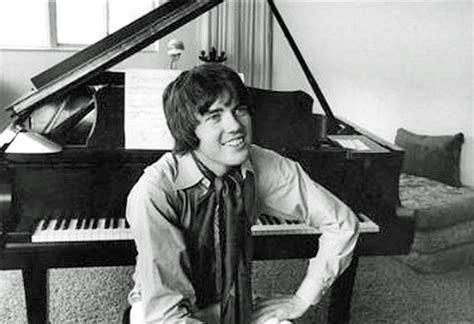
Following the massive success of "Up, Up and Away" in 1967, a 21-year-old Webb bought a small house on Kirkwood Drive, located deep in the heart of Laurel Canyon. Despite his sudden wealth, Webb leaned entirely into the minimalist, bohemian lifestyle of the canyon's counterculture
Webb chose to live with virtually no furniture. Instead, the centerpiece of his home was a massive, nine-foot Steinway concert grand piano that he purchased with his first major royalty checks.
True to the "hippie" spirit of the era, Webb stuffed a collection of various-sized cushions directly underneath the piano and slept on the floor beneath the instrument.
| | | |
Webb's daily routine on Kirkwood Drive was highly focused. He would roll out from under the grand piano, make coffee, sit down on the bench, and write. Because he was at his creative peak, he routinely churned out three to four songs a week.
It was on this very piano in Laurel Canyon where Webb composed "MacArthur Park". Written as a sprawling, multi-movement orchestral pop suite, the song broke all traditional radio constraints when recorded by Richard Harris.
Webb also walked down the hill daily to the historic Canyon Country Store to grab groceries, passing fellow neighbors like Joni Mitchell along the narrow canyon roads.
Though Webb often joked that he had a "Zelig-like" quality of moving invisibly through massive historical moments, he was a fixture of the tribal, hyper-creative canyon community. He was surrounded by a legendary roster of neighbors that included Frank Zappa, Jim Morrison, David Crosby, and Carole King. When Webb later married Patsy Sullivan in 1974, his guest list read like a roll call of the canyon’s golden era, featuring Joni Mitchell, Harry Nilsson, and Joe Cocker.
What makes Webb's time in Laurel Canyon unique is how he bridged the gap between the hippie counterculture and the old-school Hollywood establishment. He was a long-haired, barefoot kid sleeping on the floor of a canyon shack, yet his sheet music was being handed to Frank Sinatra at the Waldorf Astoria. Laurel Canyon provided the quiet, insular sanctuary he needed to channel his Oklahoma roots and classical training into the generation-defining songs that conquered the global charts.
While the original idea for "Wichita Lineman" came from his roots in the American heartland, the actual writing of the track took place entirely inside his Kirkwood Drive home in Laurel Canyon.
In 1968, Glen Campbell had just scored a massive hit with Webb's "By the Time I Get to Phoenix". Seeking a follow-up single to anchor his next album, an urgent and somewhat frantic Campbell called Webb at his home in Laurel Canyon. Campbell told him he needed another "geographical" song - something centered on a specific place.
Webb hung up the phone, sat down at his nine-foot Steinway concert grand piano on Kirkwood Drive, and began digging through his memories to find a concept. He flashed back to a driving trip he had taken through Washita County in rural, southwestern Oklahoma.
While driving down a completely flat, straight road that seemed to stretch into infinity, Webb had passed a seemingly endless line of identical telephone poles. Suddenly, he spotted the silhouette of a lone lineman working at the very top of a pole in the middle of nowhere. Webb later described it as "the ultimate picture of loneliness".
He decided to shift the setting slightly to the more musical-sounding town of Wichita, and began composing the music right there in Laurel Canyon.
BTW, this canyon is where I've lived ever since moving to L.A. in the 1970s. I love playing my 7-foot Steinway high over the canyon while watching red-tailed hawks soaring at eye-level.
| | | | |
Because Campbell was in a great hurry, Webb frantically banged out a melody and a couple of verses.
Feeling the song was incomplete, he sent a demo tape over to Capitol Studios with a handwritten note explaining that the song was still a work in progress and needed a third verse and a proper bridge.
A couple of weeks later, Webb ran into Campbell and asked when they were going to get together so he could finish writing the song. Campbell famously laughed and said, when Webb protested that it wasn't done, Glen replied, "Well, it is now."
| | |
He was inducted into the Songwriters Hall of Fame in 1986 and later served as its Chairman. He remains the only artist to ever win Grammy Awards for music, lyrics, and orchestration.
Here is my new Jimmy Webb transcription:
Jimmy Webb - Wichita Lineman - NEW!
| | |
August's New Transcription - Jimmy Webb - "Wichita Lineman"
From his Ten Easy Pieces album - Just Piano & Vocal
Note-for-Note Accuracy
| | | | |
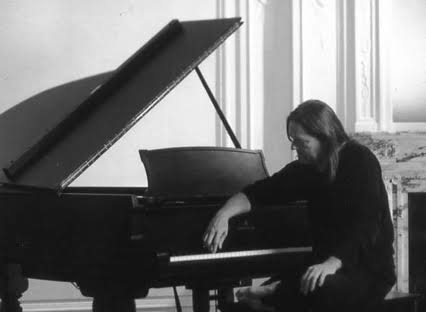
This month I'm happy to offer a very special brand-new transcription - Jimmy Webb's own "Wichita Lineman" piano track.
Jimmy Webb is one of the very best songwriters ever. And one of his very best songs is "Wichita Lineman", which Bob Dylan called "the greatest song ever written".
In a July 2026 interview Rick Beato asked Billy Joel, "What song is a perfect song that you didn't write, by any artist?" Billy immediately began playing "Wichita Lineman" and replied, "The perfect song. To me, that's one of the best written songs ever."
In June 2023 Beato discussed the song with Jimmy Webb himself here.
In 1996 Webb recorded some of his most famous songs on his own album, Ten Easy Pieces, which is only him singing and accompanying himself on the piano.
| | |
For me it's one of the best albums ever released, as it shows how the great composer himself envisioned his songs. His piano playing is nuanced, emotional, sophisticated and beautiful. His note-choices and chord voicings are the most complex and harmonically-advanced of any pop/recording that I've ever transcribed.
Blessed with a great ear, Webb uses his advanced sense of harmony to create a stunningly gorgeous piano accompaniment.
This is a note-for-note transcription of Jimmy Webb's piano part as he himself played it on Ten Easy Pieces.
| | |
A Classic Exercise - Thumb-Under Exercise
The Single Most Important Finger Motion in Piano-playing
| | |
Scales should be perfectly legato and even, like a glissando. If your scales are not perfectly legato (connected), a 'skip' or a 'hop' may occur. This is almost always because of a flaw in moving the thumb under the 3rd and 4th fingers during a Right Hand ascending scale or a Left Hand descending scale - the thumb doesn't arrive on time, causing an audible break.
In fact, the thumb's ability to move smoothly under the 3rd and 4th fingers is the most important finger motion in piano-playing.
This exercise concentrates on that motion of the thumb moving under those two fingers, by concentrating on a range of only 4 or 5 notes. Included are three exercises for the thumb-under-3rd-finger motion and three for the thumb-under-4th-finger.
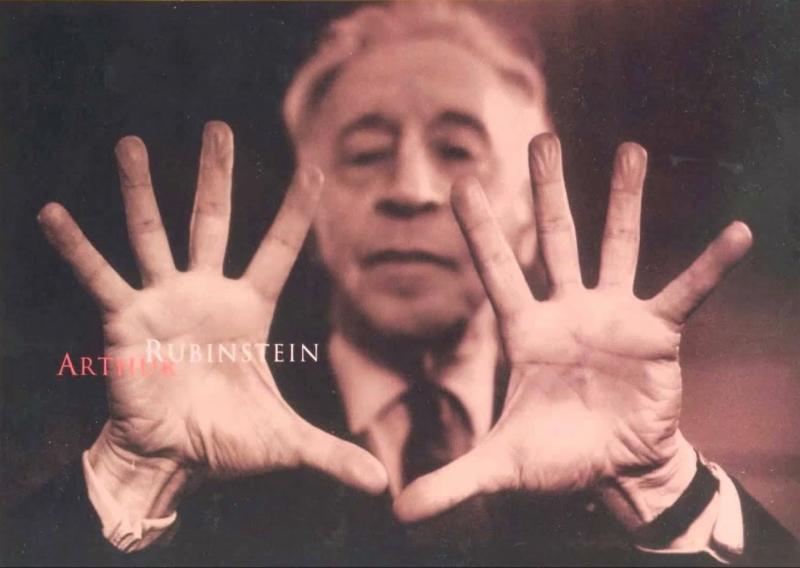
| | Artur Rubinstein - beautiful scales | | |
Gospel Corner - Say 'Amen' Somebody
The Hangout Place for Gospel Classics
| | |
You don't have to be from the Deep South to love Gospel piano, nor do you need to belong to any particular religion. All you have to have is a love for wonderful old-time, swinging, uplifting piano-playing.
Leon Russell, Billy Preston, Richard Tee and Ray Charles, some of the greatest keyboard players ever, loved the style and infused their own performances with Gospel licks and rhythms.
Inspired by the wonderful playing of the portly Associate Pastor/Musical Director of my childhood's Baptist Church deep in the piney woods of Mississippi, in recent years I've transcribed and/or arranged a few Gospel classics.
If you have a favorite Gospel hymn that you'd like me to arrange in an authentic Southern Gospel style, let me know.
This little corner of my newsletter is where I'll keep you informed of my latest efforts to share that old-time Gospel sound.
Here are my Gospel transcriptions and/or arrangements, plus some exercises:
Full-blown Gospel:
The Doobie Brothers - "World Gone Crazy" (Piano Intro) (click here to hear it)
Billy Preston & The Beatles - "Without a Song" (click here to hear it)
"I'll Fly Away" - arranged by Elmo Peeler (click here to hear it)
"Leaning on the Everlasting Arms" - arranged by Elmo Peeler (click here to hear it)
"Amazing Grace" - as played by Ethel Caffie-Austin (click here to hear it)
"Victory in Jesus" - as played by The Gaithers (click here to hear it)
Heavily Gospel Influenced:
Billy Preston - "Will It Go Round in Circles"
Merry Clayton (Billy Preston, piano) - "Grandma's Hands"
Richard Tee - Contemporary Piano - First Piece
Floyd Cramer - "One Day at a Time (Sweet Jesus)"
Don Henley - "You Don't Miss Your Water"
Mavis Staples - "Hard Times Come Again No More"
Van Morrison - "Benediction"
Richard Tee - "Happy Birthday" (version 1)
Richard Tee - "Happy Birthday" (version 2)
Jeff Beck Group (Nicky Hopkins) - "Girl from Mill Valley"
Plum Nellie - "A Love Like Yours"
Plum Nellie - "That Lucky Old Sun"
Bill Payne (of Little Feat) - "The Ballad of Davy Crockett"
Lari White (Bill Payne on piano) - "Lead Me Not"
Ray Charles - "Sweet Sixteen Bars"
Billy Preston - "Will It Go Round in Circles"
The Rolling Stones (Billy Preston on piano) - "Shine a Light"
Delaney & Bonnie (Leon Russell) - "Faded Love"
Leon Russell - "She Belongs to Me"
Don Henley - "You Don't Miss Your Water"
Moderately Gospel Influenced:
Bob Dylan & Clydie King - "Abraham, Martin and John"
Billy Vera & the Beaters - "At This Moment"
Bob Dylan - "Piano Mood" - Gospel-style piano improvisation
Delaney & Bonnie (Leon Russell) - "Don't Deceive Me"
Jackson Browne (Craig Doerge on piano) - "Rock Me on the Water"
Jerry Lee Lewis - "When the Saints Go Marching In"
James Taylor (Clarence McDonald on piano) - "Steamroller Blues" - Piano Solo
Leon Russell - "Old Masters"
Ray Charles - "Heartbreaker"
Ray Charles duo with Billy Joel - "Baby Grand"
Gospel-related Exercises:
Exercise in Blues Substitutions
Transform a Melody into Floyd Cramer's Style - Mary Had a Little Lamb
ii-chord Bump Exercise
Gospel Chord Exercise No.1
Gospel Chromatically-Descending Riff Exercise - Ethel Caffie-Austin's Signature Lick
Gospel Rhythm Exercise (in the style of Lari White's Good Good Love)
Descending R&B-Gospel Riff Exercise - Billy Preston-Richard Tee Style
R&B-Gospel Elements Exercise, incl. Substitutions - Billy Preston-Richard Tee Style
Exercise in Contrary Motion - Gospel-Rock
Exercise in Gospel - Walk-ups & Walk-downs, IV-chord Bumps & Strums
Exercise - How To Transform a Melody into Gospel
Gospel & Stride Exercise - Crossing the Left Hand over the Right
Exercise - Ray Charles Ending (Extended Walk-down)
| | |
MIDI Corner - Transcriptions Turned into MIDI Files
Helpful for Those that Don't Read Sheet Music Well
| | |
Most of my transcriptions have heretofore been available only as sheet music in PDF's. That is changing - many are now also available as MIDI files, which can be especially helpful for those who would prefer to listen to them than to read the sheet-music notation.
This section of my newsletter is where I'll keep you informed of which transcriptions and exercises are available as MIDI files.
BTW, if you'd like my sheet music in a MIDI file, just let me know which one(s).
Here are the currently available MIDI files of my transcriptions, arrangements, and exercises:
MIDI Files of Rock, Pop & Classical Transcriptions:
Jimmy Webb - Wichita Lineman.mid - NEW!
Elton John - Honky Cat.mid
Todd Rundgren - I Saw the Light (Guitar Solo).mid
Ray Charles - What'd I Say (Parts 1 & 2) - Complete Song.mid
Jerry Lee Lewis - Johnny B. Goode.mid
The Zombies - She's Not There (Complete Song).mid
The Fraternity of Man - Don't Bogart Me (Don't Bogart That Joint).mid
Brewer & Shipley - One Toke Over the Line.mid
Billy Preston - Will It Go Round in Circles (Complete Song).mid
Elton John - Bad Side of the Moon - Intro.mid
John Michael Montgomery - Sold (Verse 2).mid
Merry Clayton (Billy Preston, piano) - Grandma's Hands - Piano Solo.mid
Lynyrd Skynyrd - Call Me the Breeze (Studio) - Piano Solo.mid
Jacob Tolliver - "Fat Bottomed Girls".mid
Bruce Springsteen - Thunder Road (Live 1975).mid
Nino Tempo & April Stevens - Deep Purple (1963).mid
Hoagy Carmichael & Harold Russell - Chopsticks (from The Best Years of Our Lives).mid
Peter Gabriel - Father, Son.mid
Joe Ely - Fingernails.mid
Richard Tee - Transform Phrase No.1.mid
Jacob Tolliver - What'd I Say.mid
Whoopi Goldberg - You Got It (from Boys on the Side).mid
Lynyrd Skynyrd - Free Bird - Billy Powell's Improvised Intro.mid
Elmo Peeler - Don't Let the Old Man In (arranged for Piano).mid
Toby Keith - Don't Let the Old Man In - Guitar Part on Piano.mid
Bob Seger - "Old Time Rock and Roll" - New Piano Solo by Elmo Peeler.mid
Johnny Rivers - Rockin' Pneumonia & the Boogie Woogie Flu.mid
The Guess Who (Burton Cummins) - Bus Rider - Piano.mid
Joe Cocker - Feelin' Alright - Complete Piano Part.mid
Jackson Browne - For a Dancer - Solo Acoustic, Vol. 1 - Piano.mid
The Black Crowes - Descending - Out Section - Piano Solo.mid
Eddie & the Cruisers - Tender Years - Piano.mid
The Beatles - Revolution - Complete Electric Piano Part - Nicky Hopkins.mid
Lynyrd Skynyrd - Honky Tonk Night Time Man - Piano Solo - Billy Powell.mid
Boz Scaggs - Last Tango on 16th Street - Accordion (Bandoneon) Solo.mid
Tim McGraw - Something Like That - Piano in Verse 2.mid
The Rolling Stones - Dead Flowers.mid
Brooks & Dunn - Boot Scootin' Boogie - Piano Solo.mid
Fran Cisko - Hot Piano Blues Solo! - Piano & Bass.mid
Elton John - "Rock and Roll Madonna".mid
Bob Dylan & Clydie King - "Abraham, Martin and John".mid
Nicky Hopkins - "Jenni"- Complete Piano Part.mid
Nicky Hopkins - "Interlude a la El Hopo" - Intro & "Flying Trapeze".mid
The Rolling Stones - Sympathy for the Devil (Two 8-bar Verse Patterns) - Nicky Hopkins.mid
The Rolling Stones - Honky Tonk Women (Live 1995) - Piano Solo - Chuck Leavell.mid
Elton John - Honky Tonk Women (11-17-70) - Piano Solo.mid
Chuck Leavell - Sympathy for the Devil (8 bars).mid
Vince Guaraldi - Christmas Is Coming (Improvised Section).mid
Travis Tritt - "T-R-O-U-B-L-E" - Piano Solo.mid
Sam Cooke - "Bring It On Home to Me".mid
Lynyrd Skynyrd - "Workin' for MCA" - Electric Piano Solo.mid
Linda Ronstadt - "Back in the U.S.A." - Piano Solo.mid
Chris Higbee - "Living the Dream" - Piano Solo.mid
The Black Crowes - "Hard to Handle".mid
Cattanooga Cats - "Stop Right There".mid
The Fleetwoods - Mr. Blue - Arranged for Solo Piano.mid
Joe Zawinul - Jazz/Blues Acoustic Piano 4-minute Improvisation (1963).mid
Bruce Hornsby - Boogie-woogie Improvisation from The Tree Man.mid
Elmo Peeler - "Ashokan Farewell" arranged for Solo Piano (with Tempo Map).mid
Leon Russell - "Old Masters" (with Tempo Map)
Elton John - "Still Uses This Tip Leon Russell Gave Him in 1970"
B.B. King - "The Thrill Is Gone"
Jacob Tolliver - "Boogie Woogie Country Man"
Garth Brooks & Trisha Yearwood - "Squeeze Me In"
Meat Loaf - "Paradise by the Dashboard Light" (with Tempo Map)
Ray Charles - "Mess Around"
Richard Tee - "Happy Birthday Boogie-Woogie"
Donald Fagen - Standard 12-bar Blues (in A Major) transcr/arr. by Elmo Peeler).mid
Meat Loaf - "Bat Out of Hell" (with Tempo Map).mid
Bach - Violin Concerto, BWV 1042 - 2nd Mvmt - For Synth/Sampler or Piano.mid
Bach - Double Violin Concerto, BWV 1043 - 2nd Mvmt - For Synth/Sampler or Piano.mid
Booker T. & the M.G.'s - "Chinese Checkers".mid
Dave 'Baby' Cortez - "Rinky Dink".mid
Richard Tee - Contemporary Piano - First Piece.mid
Booker T. & the M.G.'s - "Hip Hug-Her".mid
Billy Vera & the Beaters - "At This Moment".mid
The Beatles (with Billy Preston) - "I've Got a Feeling" (transcribed by Elmo Peeler).mid
Floyd Cramer - "One Day at a Time (Sweet Jesus)" (transcribed by Elmo Peeler).mid
Gerry & the Pacemakers - "How Do You Do It" - Piano Solo (transcribed by Elmo Peeler).mid
Glenn Frey - "Route 66" (transcribed by Elmo Peeler).mid
Don Henley - "You Don't Miss Your Water" (transcribed by Elmo Peeler).mid
Billy Preston & The Beatles - "Without a Song" (gospel jam)(transcribed by Elmo Peeler).mid
Ray Charles - "Makin' Whoopee" (transcribed by Elmo Peeler).mid
Bonnie Raitt - "I Can't Make You Love Me" (transcribed by Elmo Peeler).mid
The Beatles (with Billy Preston) - "Get Back" (transcribed by Elmo Peeler).mid
Mavis Staples - Hard Times Come Again No More (transcribed by Elmo Peeler).mid
Elvis Presley - Love Me Tender (arranged by Elmo Peeler).mid
Sugar Chile Robinson - Numbers Boogie (transcribed by Elmo Peeler).mid
Sugar Chile Robinson - Numbers Boogie - with Left Hand in Broken Octaves.mid
The Beatles - Ob-La-Di, Ob-La-Da (transcribed by Elmo Peeler).mid
Van Morrison - Benediction - Piano Part (transcribed by Elmo Peeler).mid
The Meters - Cabbage Alley - Piano Part - Intro & Verse (trans. by Elmo Peeler).mid
Elmo Peeler - A Whiter Shade of Pale - (arranged for Solo Piano).mid
Leon Russell - Shoot Out on the Plantation (studio version) (transcr. by Elmo Peeler).mid
Leon Russell - Shoot Out on the Plantation (Solo Piano version) (transcr. by Elmo Peeler).mid
The Zombies - This Will Be Our Year - Piano Solo (transcribed by Elmo Peeler).mid
Liberace - Chopsticks (transcribed by Elmo Peeler).mid
Long John Baldry - Conditional Discharge (transcribed by Elmo Peeler).mid
Jerry Lee Lewis - Great Balls of Fire (1957) (transcribed by Elmo Peeler).mid
Jerry Lee Lewis - Trouble in Mind - 2 Pianos: Jerry Lee &Tony Ashton (transcr. by Elmo Peeler).mid
Jerry Lee Lewis - Whole Lotta Shakin' Goin' On (transcribed by Elmo Peeler).mid
Allman Brothers Band - Southbound - Complete Piano Part with Solo (transcr. by Elmo Peeler).mid
Bill Payne - The Ballad of Davy Crockett (transcribed by Elmo Peeler).mid
Saving Mr. Banks (8 Different Songs) - Richard Sherman demos from "Mary Poppins".mid
Stevie Ray Vaughan - The House Is Rockin' - Piano Intro & Solo (transcribed by Elmo Peeler).mid
MIDI Files of Exercises:
Elmo Peeler - Exercise in Pushes & Left/Right Coordination
Elmo Peeler - Exercise in Repeated Notes over Two Octaves
Elmo Peeler - Exercise in Pushes, Right Hand Thumb Rhythm & Left Hand Coordination
Elmo Peeler - Crossing Hands Exercise No.4 - Billy Powell Style
Elmo Peeler - 6-note Minor Pentatonic Blues Scale Exercise No.2
Elmo Peeler - Alternating Hands Exercise - Blues Scale
Elmo Peeler - Exercise in Blues Substitutions
Elmo Peeler - Pig's Boogie Left-Hand Exercise
Elmo Peeler - Exercise in Cross-bar Phrasing (based on "Jessica" rhythm)
Elmo Peeler - Exercise in Ascending Chord Inversions
Elmo Peeler - Right Hand Lateral Motion Exercise
Elmo Peeler - Blues Exercise No. 12 - Alternating Hands Lick
Elmo Peeler - 6-note Minor Pentatonic Blues Scale Exercise
Elmo Peeler - Blues Exercise No.11 - 3rds, 6ths & Flips
Elmo Peeler - Exercise No.2 in Yodeling 6ths (Chromatically Ascending & Descending)
Elmo Peeler - Exercise in 4-note Chord Inversions
Elmo Peeler - Exercise in Fast Rock/Pop/Gospel Right-hand Octaves
Elmo Peeler - Exercise in Legato, Fingered Octaves
Elmo Peeler - Exercise in Rhythmic 'Pushes' (Jackson Browne Style)
Elmo Peeler - Exercise on Bruce Hornsby's Boogie-woogie Left Hand Pattern
Elmo Peeler - Boogie-woogie Chromatic Double-thirds Exercise
Elmo Peeler - Repeated Note Exercise on the Most Common Cliche.mid
Elmo Peeler - Exercise in Chord Inversions (in the Allman Brothers style).mid
Elmo Peeler - Rippling Fingers Exercise.mid
Elmo Peeler - Exercise in Crossing Hands - No.3.mid
Elmo Peeler - Propulsion Exercise.mid
Elmo Peeler - Exercise in Flips & Tremolos in 3rds.mid
Elmo Peeler - Exercise - Transform a Melody into Floyd Cramer's Style - Mary Had a Little Lamb.mid
Elmo Peeler - Alberti Bass Exercise.mid
Elmo Peeler - Exercise in Harmonized Arpeggios for Two Hands.mid
Elmo Peeler - Exercise for Crossing Hands, No.2.mid
Elmo Peeler - Exercise for the Wrists - Banjo on the Piano.mid
Elmo Peeler - Articulation Exercise in 6ths, Inspired by Bach's Invention No.8.mid
Elmo Peeler - Exercise in Chromatic Double-thirds.mid
Elmo Peeler - Leon Russell Exercise.mid
Elmo Peeler - 4-5-2-1 Exercise for the 4th & 5th fingers.mid
Elmo Peeler - 4-5-4-1 Exercise for the 4th & 5th fingers.mid
Elmo Peeler - Rhythmic Exercise - Splitting the Left Hand.mid
| |
If you're using a vintage synthesizer, please check out our synth patches here.
These are the most highly-organized and best-sounding synth patches available anywhere, guaranteed. Get the most out of your vintage hardware with these large patch libraries:
Ensoniq
Kawai
Korg
Roland
Yamaha
Even if you don't use the actual hardware synthesizers, there are software emulations that will allow you to play these patches on your computer, as VSTI's in your sequencer. These include:
Nils' K1v – Kawai K1 Emulation Plugin
Korg Legacy Digital Edition (for M1 & T1 synths)
Native Instruments FM8 (for DX7 synths)
Aurora FM (for DX7 & TX81Z synths)
SQ8L (for ESQ-1 synths)
| | |
Have you always wanted the sheet music for a particular piano or organ solo? or perhaps an entire keyboard part? maybe it was a song you played in your high school rock band but never picked it out exactly right...
Please feel free to send me your custom transcription requests. New stem-separation technology can create multi-track-clear keyboard parts from most recordings. It works magic even on Eddie Duchin recordings from the 1930s (love his "Shine on Harvest Moon") and historic records from the early 1950s (Jackie Brenston's "Rocket 88").
It works so well that I've revised a couple of my most important transcriptions because this new technology has revealed the notes/rhythms significantly better than my original source files: "Rockin' Pneumonia" and "Feelin' Alright". And additional sections have been added to "Will It Go Round in Circles", my recent brand-new complete transcriptions of "She's Not There" and "What'd I Say" - all 285 bars (6:27 long). Ray Charles' 1959 electric piano track was revealed as clearly as if I'd been working from the original multi-track master tape, as was last month's "Honky Cat" transcription.
Let me know which songs you're most interested in.
| | |
Welcome to August - and as the Summer days get warmer, embrace your passions - and those you love - and make the most of every day. If you're lucky enough to play piano, practicing piano should be high on your list of priorities. Dust off old repertoire that you haven't played in years, learn new pieces that you've always wanted to play, and enjoy the process. Magic is hard to define, but making music can feel magical to the player... and if one practices hard enough, maybe even to the listener.
I've had the good fortune to have worked with some of the biggest names in the entertainment industry; and if you're serious about learning, I'll be happy to help you enjoy the process, too.
By means of Zoom lessons (or in-person if you're in L.A.), I can coach you and help you to improve your technique, your rhythm, your ability to improvise, your knowledge of music theory, your sight-reading, and to develop relative pitch.
I've had the good fortune to have toured the world playing keyboards and arranging/conducting for these Rock and Roll Hall of Fame Artists:
| |
- The Beach Boys
- Rod Stewart - All 'Unplugged' Concerts
- Ricky Nelson - Stone Canyon Band
And I've also won classical piano competitions performing Beethoven, Rubinstein and Saint-Saens' Piano Concerti. See me playing here. "Josie's Boogie" is quite the virtuoso dramatic minor-key showpiece; check out the ascending double-octave run at the ending... :)
Thanks to the internet, I can help you play piano better - rock or classical, by ear or by note.
Or if you live near the Hollywood Hills, I'll teach you in my home or yours.
If you'd like to improve, drop me a note at info@manymidi.com. Tell me three things:
1) Your musical background
2) Where you are currently, musically-speaking
3) Your musical goals
If you'd like to step back in time, watch me playing piano with Ricky Nelson on the Tonight Show - click here.
And here is a video of us playing three songs on The Midnight Special. And here we are on Tom Snyder's Tomorrow Show.
| | | |
My students include members of:
- Weezer (Rivers & Brian)
-
Vampire Weekend (Ezra & newest addition, Greta)
- Incubus (Mike)
- The Strokes (Nick)
- Rooney (Robert)
-
Jason Schwartzman (The Hunger Games - 2023, Asteroid City, Mozart in the Jungle)
- Courteney Cox
- Pablo Dylan
| | |
| |
"Keyboard player in rock bands for many years here. I buy your piano transcriptions every now and then when something sparks my interest.
I started playing “What’d I Say” when I was a kid. Much later, I recall Keyboard Magazine having a transcription. Yours was much more accurate! You even included some of Ray’s mistakes. LOL
I appreciate the detail you always put into these. I ope you get good responses and continue to do these! Thank you."
- Richard M.
|
|
|
Los Angeles, CA
323-650-6602
| | | | | |