|
I hope everyone had a joyful holiday spent with friends, family and loved ones. I wish everyone the happiest and healthiest of New Years.
As we close the door on 2024, we would like to thank all of the Attorneys, Judges, General Magistrates and Child Support Hearing Officers, Paralegals, Legal Assistants, Case Managers, Case Workers, Deputies, Evaluators, Financial Analysts, Law Clerks, Research Assistants, Judicial Assistants, Support Staff, Staff Attorneys, Therapists, Committee Chairs, Executive Council Members, Trustees, and everyone else who contributes to the practice of Marital and Family Law in the State of Florida, ensuring it continues to protect and promote Florida’s families.
It is hard for me to believe that six (6) months have already passed during this, the 2024-2025 bar cycle. As I approach the second half of my term as Chair, it is with an acknowledgement of our collective accomplishments and with an understanding that the best is yet to come. This is a busy time of year for the Family Law Section. We have four (4) upcoming major events, our Publications Committee has been busy putting together the next issue of the Commentator, the CLE Committee continues to program great CLEs, and we are only two months away from the start of the legislative session.
Let’s start first with the line up, so we can mark our calendars accordingly…
First, the Marital & Family Law Review Course is taking place January 24-25, at the Loews Royal Pacific Resort, Orlando, Florida. The Review Course is held in conjunction with the Section’s “Tips and Nibbles” program Wednesday for prospective Board Certification test takers, a full day of Section Committee Meetings on Thursday, and an Executive Council meeting Saturday afternoon. We hope to see you there! If you haven’t registered it’s not too late, there are still a few spots left and we certainly hope you will join us. In addition to our new and recurrent attendees, we also welcome our Law Student attendees, (attending on the Section’s first stipend program designed to bridge education with professional practice) and our scholarship awardees.
Second, the Section’s annual all-day Live CLE will take place on February 21, in Jacksonville at the Hyatt Waterfront. This years’ program is “Consultation to Courthouse Steps.” Registration is live. Again, we hope to see you there. This event promises to be both a blueprint for newer attorneys, and a primer for seasoned attorneys. The Trial Advocacy Workshop will take place during Chair-Elect Aimee Gross’ year (July 23-27, 2025, in Miami, Florida, at the JW Marriott Marquis) – which represents the culmination of this series. Separately, we are looking for sponsors for this event – if you are interested, give me a holler.
Third, the Section’s In-State Retreat is being hosted this year at the W Fort Lauderdale on May 1-4, 2025. Other than annual convention in June, this event will represent the end of the 2024-25 bar cycle. I hope you can join us there. More information is available on the Section website.
And, lastly, the Annual Convention will be held in Boca Raton this year, at The Boca Raton on June 25 – 29, 2025. Information is available on The Florida Bar’s website. I know that I, along with many others, look forward to Annual Awards and Installation Luncheon this, and every, summer as the close to another year of service and dedication to the Section.
Next, as noted above, the Publications Committee is hard at work sending to print the Second Issue of the Commentator. If you missed the first Issue of this bar cycle (Volume XLI, Issue 1), it was circulated this Fall. A special thank you to Zoe Chaitoff, Guest Editor, Michael Mendoza and Carolyn Ware, Co-Editors, and Chelsea Miller and Anya Cintron Stern, Co-Chairs of the Publications Committee. I would also like to personally thank each of the contributors (Sarah Kay, Dr. Rachael Silverman, Dr. Deborah Day, Jimmy Stewart, Lou Rodriguez, and Carolyn Ware) for their articles. This Issue of Commentator, along with numerous others, is available on the Section’s website at https://familylawfla.org/commentator/. This glossy magazine is truly an achievement.
Also, as noted above, Florida’s legislative session begins on March 4, 2025, and concludes on May 2, 2025. The Legislation Committee is already hard at work, having identified their legislative priorities and scheduling meetings in anticipation of and through session. This year’s Committee is led by Michelle Klinger Smith and Kimberly Rommel-Enright, Chairs, and has the benefit of being represented by lobbyist, Lisa Hurley, and publicist, Sarah Bascom.
The CLE Committee has scheduled a great line up for the remainder of the 2024-2025 bar cycle – not just the live Jacksonville CLE – also, March 13, 2025, Crossover Issues – Family Law and Immigration with Presenter, Roxanne Fraser, BCS, and April 10, 2025, Fee Arbitration/Malpractice with presenter Alex Diaz, and in May we will have our annual Appellate CLE.
Rules and Forms, Chaired by Lindsay Gunia and Jaimie Girgenti, along with their Leadership Team and Special Advisors, having been monitoring, analyzing and providing recommendations on forms which impact the practice and procedure of what we do. I would be remiss if I did not note that all of our committees have been hard at work. While some committees, like Rules and Forms, Publications, Legislation and CLE are more visible, all of the Committees contribute to the practice of professionalism in our State and, in turn, benefit Florida’s families. If you are interested in getting more involved, alI of our Committees will have in-person meetings on January 23, 2025 in at the Loews Royal Pacific Resort in Orlando.
Lastly, January is National Slavery and Human Trafficking Prevention Month. According to the International Labor Organization, there are approximately 40 million human trafficking victims worldwide. Human trafficking impacts all races, every class, religion and gender. The blue ribbon is a symbol of human trafficking awareness. It's used in conjunction with the #WearBlueDay campaign, which took place on January 11, National Human Trafficking Awareness Day. Also celebrated during the month of January are Martin Luther King, Jr., Day, on January 20 and World Freedom Day on January 23. I hope you will join me in solidarity and observance of these important days.
Again, I wish you the happiest and healthiest of New Years, and I hope to see you very soon.
Sincerely,
Christopher W. Rumbold, B.C.S.
Section Chair, 2024-2025
| | |
|
|
Mid-Year Committee Meetings and AAML and The Family Law Section Marital & Family Law Review Course
Loews Royal Pacific Resort, Orlando
| | | |
|
|
In-Person CLE: Consultation to Courthouse Steps
Jacksonville, FL. Registration is now live!
| | | |
|
|
CLE Webinar: Crossover Issues – Family Law and Immigration
Presented by Roxanne Fraser, BCS
| | | |
|
|
CLE Webinar: Fee Arbitration/Malpractice
Presented by Alex Diaz
| | | |
|
|
In-State Retreat
W Fort Lauderdale Hotel, Fort Lauderdale, Registration opening soon!
| | | |
|
|
The Florida Bar Annual Convention
The Boca Raton
| | | |
|
|
Trial Advocacy Workshop
JW Marriott Miami
| | |
The American Dream
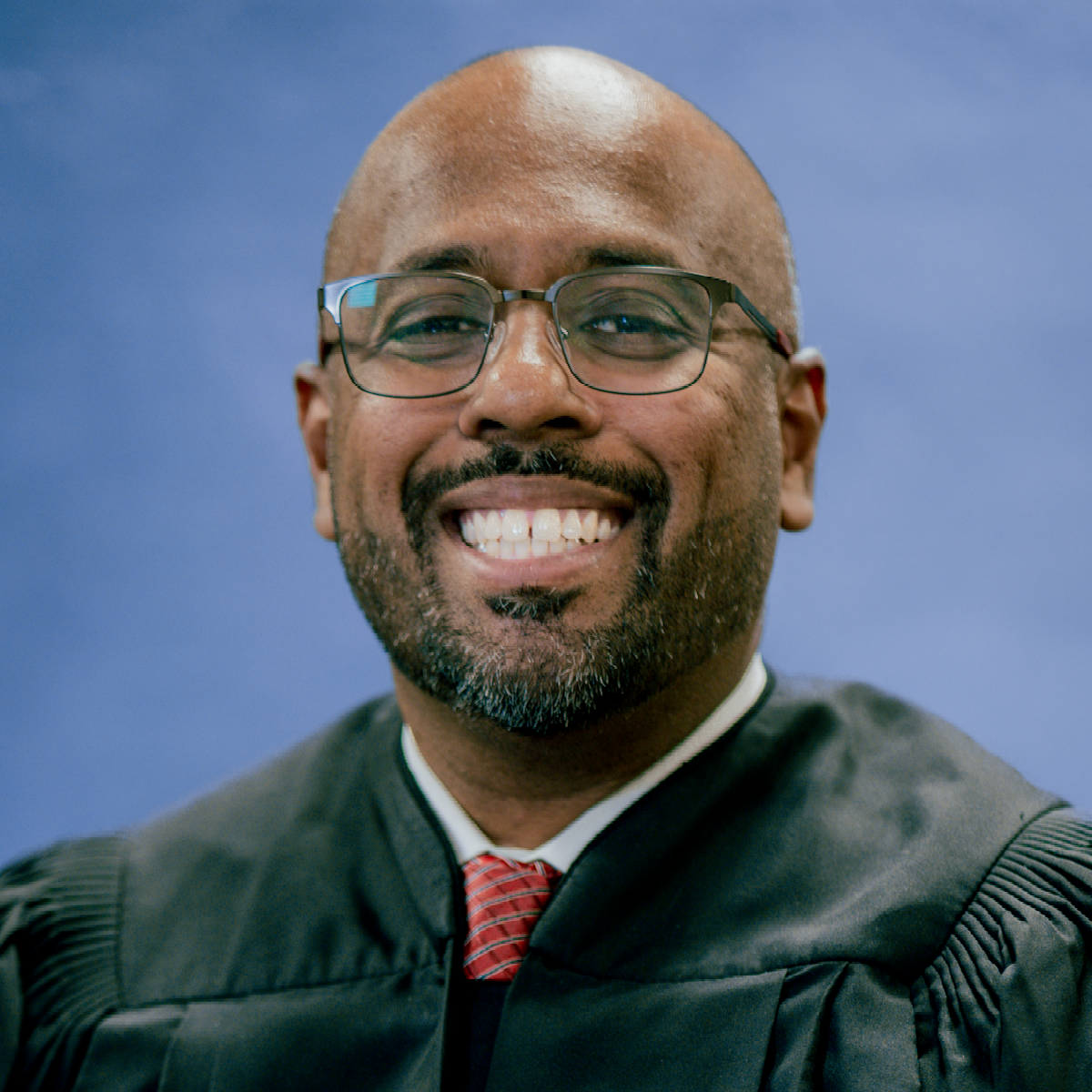
By The Honorable Juna M. Pulayya, Ninth Judicial Circuit of Florida
On August 28, 1963, Martin Luther King, Jr. stood on the steps of the Lincoln Memorial and delivered what became known as his “I Have a Dream” speech. He eloquently addressed our nation calling for equality, and I believe, calling for a nation where anyone could achieve the American dream.
Just under 20 years after Martin Luther King, Jr’s speech, my parents immigrated to this nation from a country where the idea of equality denoted by Dr. King seemed unattainable. They came here to be part of the nation Dr. King dreamed our country could be.
As a child, my immigrant parents, albeit possibly unknowingly, instilled in me the hope of Dr. King’s speech - the hope and belief that in this country, with hard work, determination, perseverance, and education, my younger brothers and I could achieve the American dream despite the color of our skin.
I hold the same hope of Dr. King that in this nation I will continue to be judged by the content of my character and not the color of my skin, because I have faith that this country, and the people I have encountered along the way, will continue to support the American dream.
| | | |
New Year, New You!
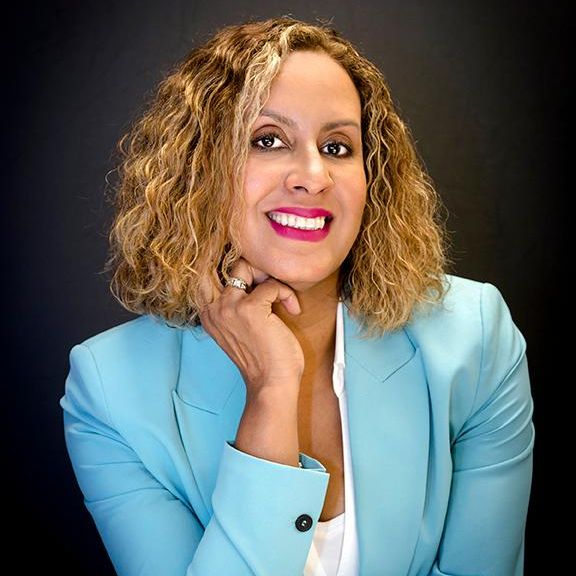
By Jeannette D. Genova, FRP
As the calendar rolls to 2025, embracing Health and Wellness and the theme of “New Year, New You” resonates deeply with many of us. For me personally the new year offers a fresh start and a renewed focus on health and wellness.
This new year let’s not miss the momentum. Let’s prioritize our well-being with these timely strategies that can not only transform our lives but help us achieve long lasting health benefits.
One of the cornerstones of a healthy lifestyle is mindful eating. The emphasis should be on choosing nutrient-dense foods that support overall wellness. We should Incorporate a variety of fruits, vegetables, lean proteins, and whole grains into our diets. These foods are rich in essential vitamins, minerals, and antioxidants that boost our immune system and promote optimal health. We should pay attention to portion sizes and eating habits and avoid distractions during meals, such as watching TV or scrolling through our phones. We should put a special emphasis on savoring each bite, listen to our body’s hunger cues, and stop eating when we feel satisfied. This practice not only helps with weight management but also enhances the enjoyment of food.
Regular physical activity is another important practice of a healthy lifestyle and is vital for maintaining a healthy body and mind. Let’s aim to incorporate at least 150 minutes of moderate-intensity exercise or 75 minutes of vigorous-intensity exercise into our weekly routine. This can include activities like brisk walking, cycling, swimming, or group fitness classes. To stay motivated, find an exercise routine that you enjoy. Whether it’s dancing, yoga, or playing a sport, the key is consistency. Regular physical activity not only improves cardiovascular health, and strengthens muscles, but it also boosts our mental well-being by releasing endorphins, the body’s natural mood elevators.
Mental health is as important as physical health. Make it a priority to manage stress effectively and nurture your mental well-being. Practices such as mindfulness meditation, deep breathing exercises, and journaling can help reduce stress and promote a sense of calm. Additionally, ensure you get adequate sleep each night. Quality sleep is crucial for cognitive function, emotional balance, and overall health.
Start by setting realistic and achievable goals. Instead of aiming for drastic changes, focus on small, manageable steps that lead to long-term success. Commit to drinking more water daily, taking short walks during breaks, or incorporating more vegetables into your meals. Accountability can also play a significant role in habit formation. Consider partnering with a friend or joining a wellness group to stay motivated and share progress.
Technology continues to revolutionize the way we approach health and wellness. Utilize fitness apps, wearable devices, and online platforms to track your progress, set goals, and access personalized workout plans. Telehealth services also make it easier to consult with healthcare professionals from the comfort of your home.
Lastly, fostering a sense of community and connection is essential for overall well-being. Engage in social activities, join clubs or groups that interest you, and maintain strong relationships with family and friends. Social support can provide emotional comfort, reduce feelings of isolation, and contribute to a happier, healthier life.
As we step into 2025, embrace the opportunity to prioritize your health and wellness with a holistic approach. By focusing on mindful eating, regular physical activity, mental health, building healthy habits, leveraging technology, and nurturing community connections, you can achieve a “New Year, New You” and enjoy a new year filled with vitality and well-being.
Remember, the journey to better health is a continuous process, and each positive change you make brings you one step closer to a healthier, happier you.
Jeannette is a Florida Registered Paralegal and the Firm Manager for Genova Family Law in Weston. She is married to Attorney, Anthony Meehan Genova. They met on eHarmony 16 years ago. They live in Weston with their three small pooches; a MalteePoo named Bentley and two Havanese puppies called Louis and Bailey.
| | | |
Tech Tip – Use of Adobe AI Assistant to Analyze Documents
By Matthew E. Thatcher, BCS
One of the essential characteristics of a law practice, especially a family law practice, is the review and analysis of documents under the framework of issues in the case. It could be reviewing bank statements to determine a party’s income or expenses. It could be reviewing credit card transactions to pull out evidence of marital misconduct. It is often reviewing prior agreements, orders, and judgments. Many times we find ourselves having to review communication records (e-mails, text messages, or messages in the various parenting applications) because of the issues that we need to present at an evidentiary hearing or seek to inquire into as part of a discovery deposition. Needless to say reading is fundamental, but it is also time consuming especially when the documents we need to review are voluminous.
Advancements in artificial intelligence are being incorporated into our existing office tools to help us be more efficient. One of those efficiency improvements that could be of help to our practices is the AI Assistant which is now included on the Adobe Acrobat platform.[1]
The Adobe AI Assistant is in the directory of available tools along with other existing tools for exporting a PDF, combining a PDF, and redacting a PDF. It is also displayed at the top right hand corner of your screen while in the Adobe Acrobat Reader. To engage the AI Assistant all that you need to do is to click on the AI Assistant button after opening a PDF file.
Immediately upon engaging the Adobe AI Assistant it will scan and process the open PDF file. The Adobe AI Assistant will then generate a short summary paragraph about the document. The document summaries generated by the Adobe AI Assistant for Section 61.13, Florida Statutes and Section 61.30, Florida Statutes are:
- [Fla. Stat. 61.13] This document outlines the support of children, parenting, timesharing, and court powers in family law cases.
- [Fla. Stat. 61.30] This document outlines child support guidelines, including factors considered in determining child support amounts and income calculations for parents.
In addition to the summary overview of the PDF document, the AI Assistant includes a question prompt through which you can inquire about the contents of the document. Basically you can ask the AI the things you want to know about the document and the AI will then find those answers.
The answers that the AI Assistant generates are pulled directly from the text of the document and often contain hyperlinks to the specific portions of the document referenced. Answers can include identifying specific word usage or transactions, including counting the number of times that certain words are used. The AI Assistant will provide suggested questions for you to ask based upon its review of the document and the questions which you have presented.
The Adobe AI Assistant is not limited a single PDF file. The Adobe AI Assistant tool permits you to add additional PDF files so that multiple PDFs can be reviewed simultaneously. This could be a helpful tool in reviewing voluminous financial records, or a history of communications, or medical records, or anything where you need to extract data from a larger set of information. When applied over multiple documents the Adobe AI Assistant can identify commonalities and themes which tie the documents together.
As practitioners we should make use of these new AI tools to become more efficient in reviewing discovery, case files, case law, and other documents. The time we save in our initial first look at documents will enable us to move cases forward more expediently for our clients.
But remember that nothing is foolproof. While these AI software platforms are learning and improving, they will still make mistakes. Even though AI can help us quickly begin to understand and make use of documents, it remains incumbent upon us as practitioners to still verify the information it provides to us. We know inherently that we should check case law before relying upon it. This is no different. The AI may point us in the right direction in our review of documents, but ultimately we need to validate what it shows us.
[1] There are other software platforms which provide a similar document analysis through an AI interface. For purposes of this TechTip the references will be limited to the Adobe AI Assistant.
| | | |
Case Law Update
State Farm v. Nicholas, 12 Fla. Law Weekly D25
(Fla. 1st DCA December 24, 2024)
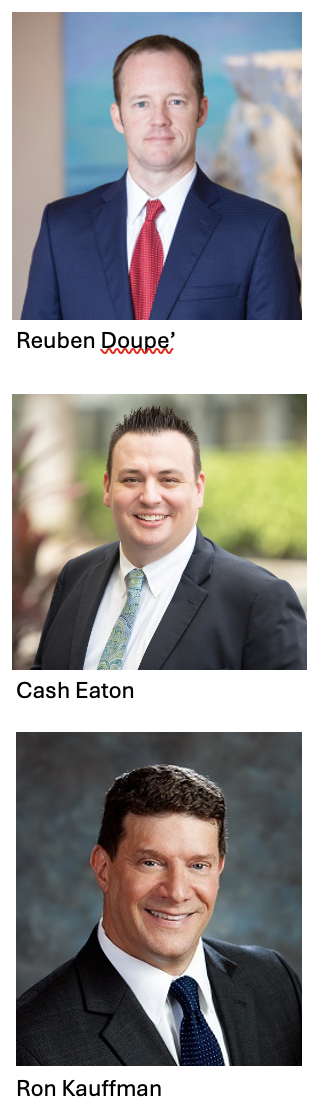
By Reuben A. Doupé, Esq.
While not strictly a family law case, this civil opinion merits discussion in all avenues of the law concerning the application of Florida’s Long Arm Statute.
A home owner (only referred to by his first name, Ebeneezer) originally reported that in the early morning hours of December 25, 2022, he suffered significant damage to the roof of his home. Some previously installed decorative lights were ripped from the house, and shingles were damaged in a straight line as if “A plane had landed on the home, bah!” Plaintiff, the home owner’s insurance carrier, covered the damage and sued Defendant to recover the damages. Defendant is a package delivery service from outside of the United States, and although it does business in Florida, is not registered with the State.
Defendant was served via the Florida Secretary of State, based upon 48.181 (4). According to this statue, if a foreign business entity “conceals its whereabouts” and the suit arises from a “business venture carried on in this state,” then such business is legally “deemed to have appointed the Secretary of State as its agent on whom all process may be served.” Defendant learned of the service and filed a Motion to Quash, which was granted and appeal ensued.
The First District affirmed, citing to Farouki v. Attel et Cie, 682 So.2d 1185 (Fla. 4th DCA 1996). “When service process under statutes authorizing service on nonresidents of Florida, the plaintiff must plead the actual statutory language, or allegations of the ultimate facts that invoice the statute.” Id. at 1186. In this case, Plaintiff failed to allege a sufficient factual basis to invoke the service statute.
While this particular set of facts is unlikely to appear in a family law case, the law set forth in Farouki is equally applicable when serving a respondent based upon long arm jurisdiction. See also F.R.F.P. 12.070 (j) (2004).
Gonzalez v. Calles, 2024 WL 5059288 (Fla. 3d DCA 2024)
By Cash A. Eaton, Esq.
From the Third District is the post-judgment modification case of Gonzalez v. Calles. At issue was the Former Wife’s supplemental petition to modify child support and the Former Husband’s petition to modify the parties’ Parenting Plan.
In 2021, the Former Wife sought a modification of child support. The Former Wife asserted that the Former Husband’s income had substantially increased since the entry of the final judgment, that there was a greater need by the child, and that the Former Husband had not complied with the existing timesharing agreement.
In response, the Former Husband alleged that, at the time of the dissolution, he had been living in a small efficiency with no room for the child, but had since purchased a home which has a bedroom for the child. The Former Husband further alleged that he has since remarried, that his marriage has provided him more “financial flexibility” and that his new wife can “share in the duties of caring for the child.”
Ultimately, the trial court determined that the Former Wife met her burden of showing that the Former Husband’s income had substantially and materially increased. Further, the trial court determined that the Former Husband had not shown a substantial, material, and unanticipated change in circumstances to support modification of the timesharing schedule.
The Appellate Court determined that the trial court did not err in granting the child support modification. The Former Husband’s income had more than doubled. The Appellate Court affirmed the denial of the Former Husband’s supplemental petition. The Appellate Court reasoned that, “Florida courts have repeatedly held that a parent's mere move or life improvement to an environment more conducive to children is not a substantial, material, and unanticipated change in circumstances to justify modification of timesharing.”
Leonard v. Gordon, No. 4D2024-1309 (Fla. 4th DCA Dec. 11, 2024)
By Ronald H. Kauffman, Esq.
A mother appealed a paternity judgment arguing the trial court's written judgment conflicted with its oral pronouncement regarding the dependency tax exemption.
The mother filed a petition for paternity against the father. At the end of trial, the trial court orally pronounced it wouldn’t address the dependency tax exemption because neither party presented evidence regarding the tax consequences. The trial court proposed each party claim one child. The father agreed, but the mother objected. The trial court responded, “Then I will make no ruling on the taxes.”
The trial judge entered a final judgment awarding the mother 285 overnights and the father 80 overnights. But the court incorporated a guidelines worksheet showing the parties’ alternating tax exemptions for the children annually. On rehearing, the mother argued the guidelines worksheet referencing the tax issues was contrary to the judge’s oral pronouncement it would make no ruling on tax exemption because there was no agreement and insufficient evidence. The court then entered an amended final judgment but attached the same guidelines worksheet alternating the tax exemptions.
On appeal, the district court reversed and held a trial court's oral pronouncement controls over a later written order. The parent who has the majority of the timesharing is presumptively entitled to the dependency tax exemption. While a court has discretion to transfer the exemption, in this case the lower court did not exercise its discretion. The district court affirmed the oral pronouncement and remanded for the trial court to strike references in the child support guidelines worksheet allowing the father to claim the children for tax purposes.
| | | |
Signature Annual Sponsors | | | | |