|
Obesity affects far more than body weight. It can significantly impact men's hormone balance, quality of life, and cardiovascular health. One of the most overlooked connections is the relationship between excess body fat and testosterone levels. As body fat increases, testosterone levels often decrease. This can lead to fatigue, reduced muscle mass, low libido, mood changes, and decreased motivation. Over time, these changes can quietly erode confidence and overall well-being.
Low testosterone associated with obesity does not only affect how men feel day to day. Both obesity and low testosterone are linked to higher rates of high blood pressure, type 2 diabetes, abnormal cholesterol levels, and heart disease. Together, they can create a cycle that is difficult to break without awareness, support, and appropriate lifestyle changes.
The good news is that even modest changes can make a meaningful difference. Increased physical activity, improved sleep, stress management, and healthy weight loss can positively affect testosterone levels, heart health, energy, and overall quality of life. Addressing obesity is not about blame or appearance – it is about improving health and long-term well-being.
I am passionate about men’s health and believe we must create spaces where men feel comfortable talking openly about their health without judgment or stigma. Conversations about weight, hormones, mental health, and heart health are not signs of weakness. They are acts of responsibility and strength. When men are informed and supported, they are better equipped to take charge of their health and their future.
| | | |
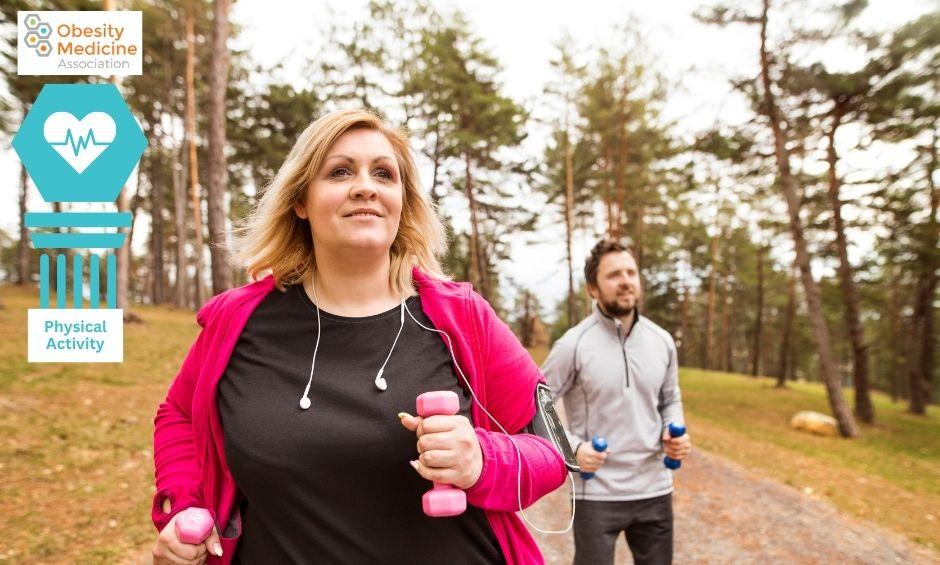
When it comes to physical activity, it can be hard to know where to start. The amount of information available (often conflicting) can feel overwhelming. A simple way to think about physical activity is to divide it into three categories: movement, exercise, and training.
Movement refers to any bodily motion produced by skeletal muscles. It is generally unstructured, unplanned, and not tied to performance goals. Examples include walking the dog, climbing stairs, or playing with children. The primary benefits of movement are mobility, circulation, and overall health.
Exercise is planned, structured, and repetitive movement intended to improve or maintain fitness. It is purposeful and time-bound. Examples include a 30-minute yoga session, a spin class, or a follow-along workout video. Exercise can improve cardiovascular fitness, strength, and body composition.
Training is a more systematic form of exercise designed to improve performance in a specific area. It is highly structured, measured, goal-driven, and progressively adjusted over time. Examples include preparing for a marathon or training for a bodybuilding competition. Training focuses on performance, skill development, and measurable progress.
These categories are interconnected and can evolve throughout a person’s fitness journey. Rather than competing with one another, they complement each other: movement builds the foundation, exercise supports health and fitness, and training emphasizes performance. A person may engage in movement without exercising, exercise without training, or train through intentional exercise.
Understanding your current fitness level and choosing the right starting point can help prevent injury and support long-term success.
| | |
IWLS Clinic Spotlight:
Bariatric Vitamin Samples & Discounts
| | |
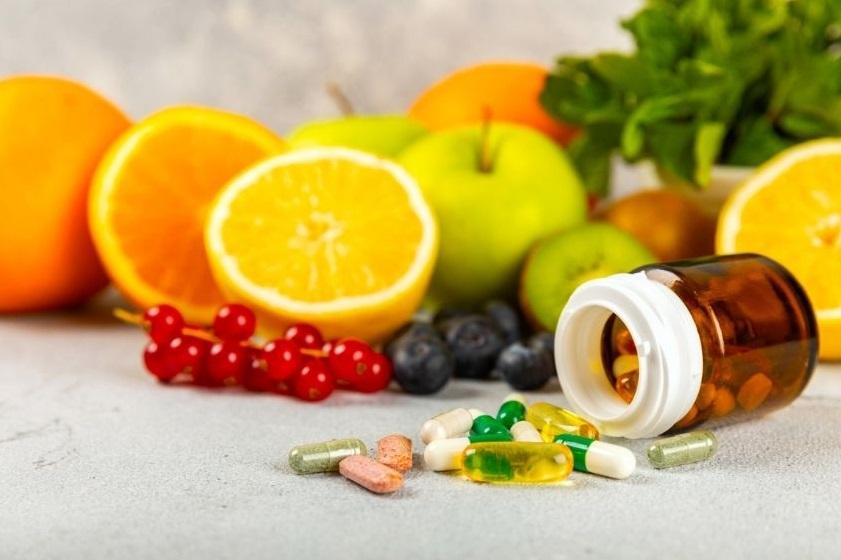
Bariatric patients know it’s vital to take supplements for life after surgery to ensure adequate nutrient intake. However, they can be costly, the number of options available can be overwhelming, and you might not tolerate a certain vitamin well or dislike the taste.
Did you know IWLS offers free supplement samples?
We carry samples of some major brands of bariatric multivitamins, including Procare, Celebrate, and Bariatric Pal – this includes capsule or chewable, as well as different amounts of iron (18 mg, 45 mg, and iron-free). Along with multivitamins, we have protein powders/shakes and chewable calcium.
Samples are available at the Des Moines clinic location, however we are happy to send them to other clinics. Ask your dietitian or email newsletter@iowaweightloss.com if you have questions.
Additionally:
| | |
Motivation Mania:
The 2-Minute Rule
One of the most common barriers we hear from patients is finding motivation to follow through on behaviors that will help achieve weight loss goals. We often know what we need to do, but lack the drive to complete it.
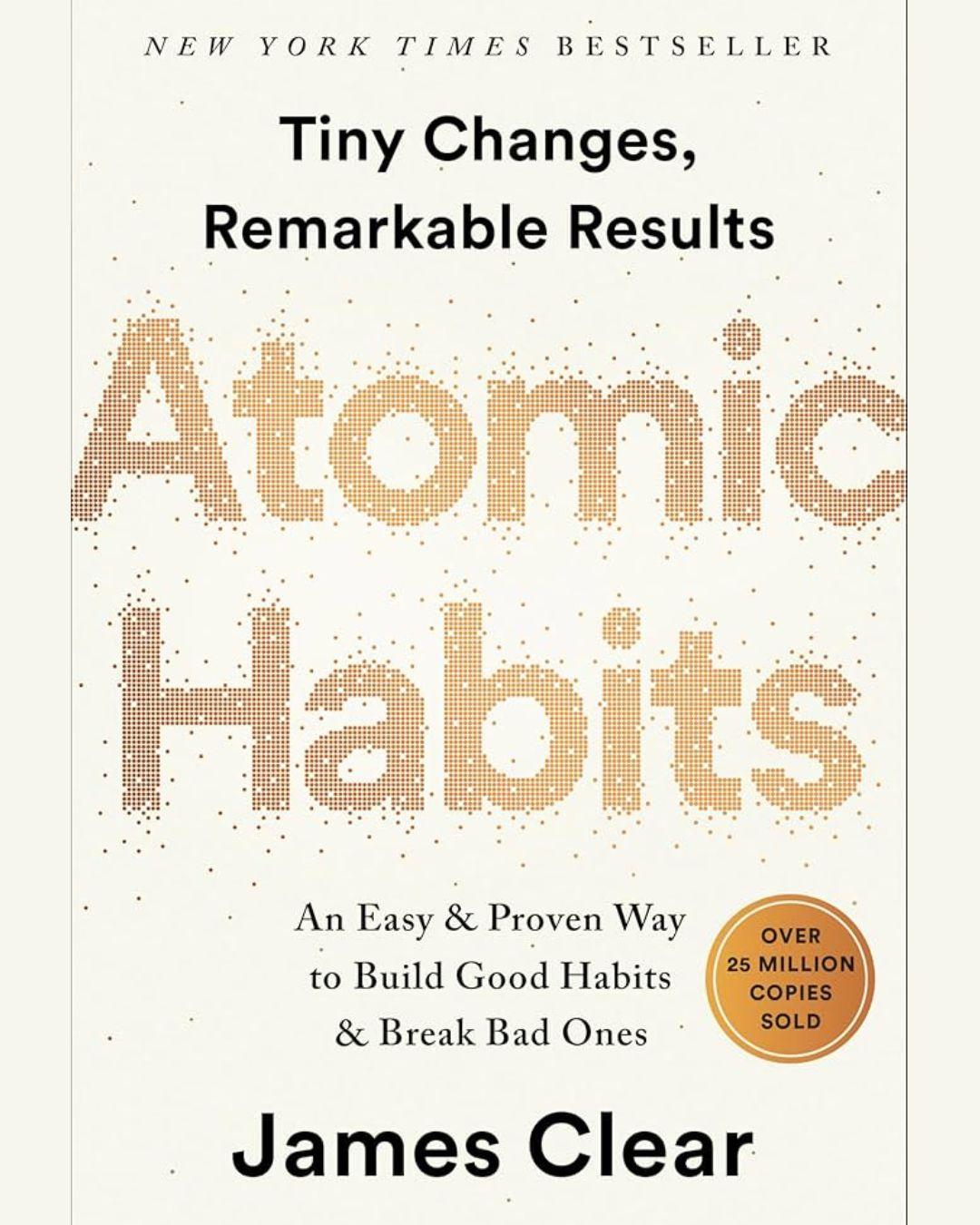
Today we’ll share the “2-Minute Rule” concept from the bestselling “Atomic Habits,” a book exploring methods for successfully building desired behaviors.
Oftentimes, our goals are too broad: “I want to eat healthier” or “I want to exercise more.” These are admirable goals, but they lack the detail to be actionable and therefore you might find yourself saying, “Well, this is a big change, maybe I’ll start tomorrow.”
The 2-Minute Rule breaks down goals into bite-sized, achievable behaviors that are more difficult to procrastinate. The idea is to dial down your desired action into something as easy as possible to do. In other words, something you can do in 2 minutes. Let’s look at a couple of examples:
-
I will exercise more (broad) > I will go for a 30-minute walk (more specific) > I will put on my walking shoes (2 minutes).
-
I will eat healthier (broad) > I will eat a serving of fruit and vegetables for an afternoon snack (more specific) > I will cut up some cucumber slices and wash grapes (2 minutes).
Putting on shoes or prepping food may not force you to complete the behavior, but it makes it more likely you will follow through by reducing the friction or resistance to action. By breaking it down into a simple 2-minute action, the behavior becomes more automatic. As the “Atomic Habits” author puts it, “The point is not to do one thing. The point is to master the habit of showing up.”
Ask yourself: What behavior do I need motivation to help me do it?
What is the 2-Minute Rule version that will get me started?
| | |
Better Bites:
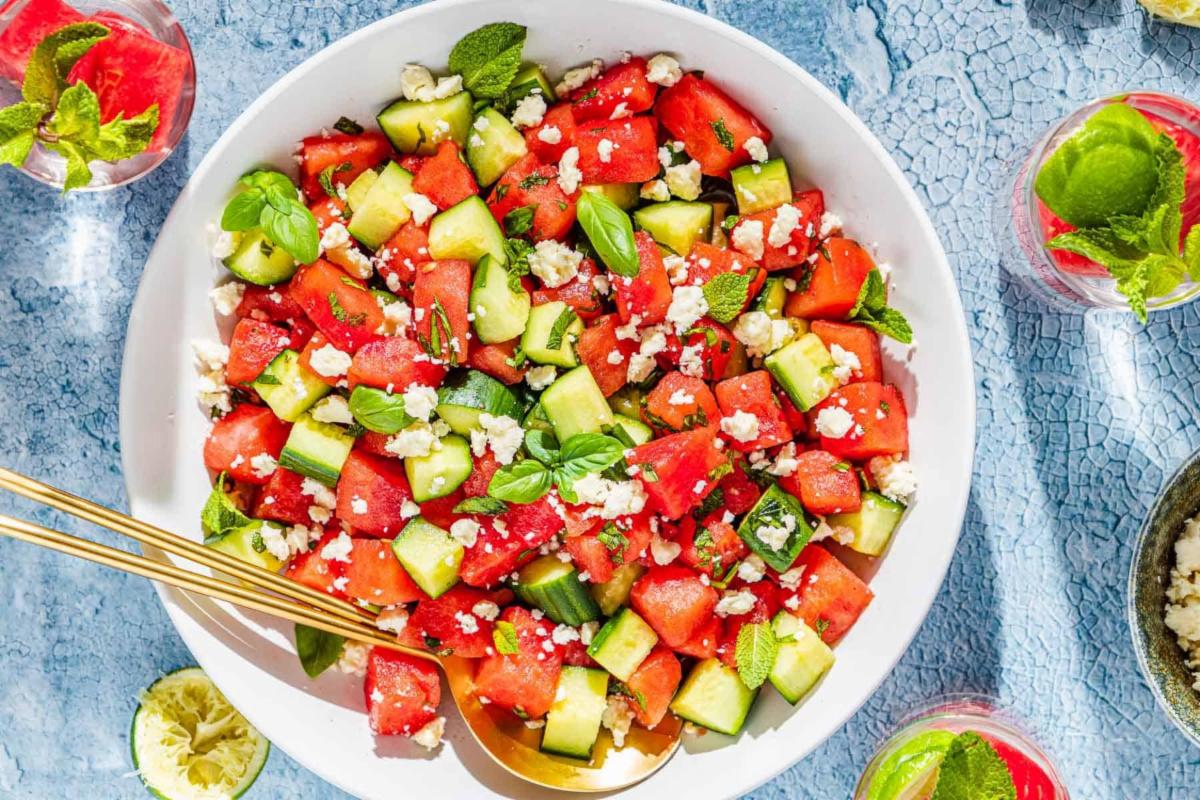
Watermelon & Feta Salad
| | |
Need some seasonal recipe inspo? This trendy salad includes some unexpected ingredients for a refreshing, summery blend of sweet, salty, and fresh herbs. There are several variations on the watermelon and feta salad available online. This month we’re sharing a take from The Mediterranean Dish that adds cucumber to the mix – an easy-to-prep, healthy, low-calorie recipe to support your health and hydration goals without skimping on flavor.
Fun facts:
- Watermelons are 92% water,
- All parts of the watermelon are edible (even the rind, which can be pickled), and
- They get their bright red color from an antioxidant called lycopene (also found in tomatoes)!
| | |
Happenings
💻 Connect with peers and dietitian Kathryn Flynn RDN in our virtual support group. Email connections@iowaweightloss.com to sign up. Upcoming sessions via Zoom:
🎙 Check out the latest episodes of the Well-ISH Podcast:
-
Derek Groathouse, MS, RDN, CPT, & Anthony Kinley, RD, LD, from IWLS: Helping Kids Build Healthy Eating Habits This Summer
Available via YouTube or your favorite podcast app, or click the link below.
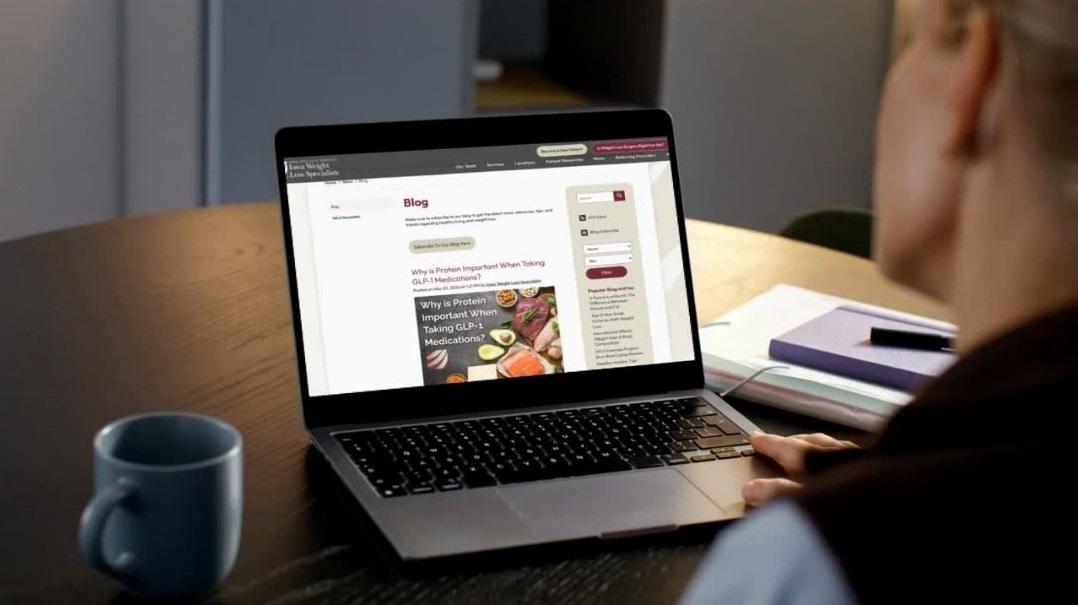
| | Want to catch up on the latest topics on weight loss, nutrition, exercise, and more? Visit our website and read our blogs for even more helpful tips and information. | | |
Let’s Stay Connected!
Follow Us On Social Media...
| | | | |