In This Issue: Summit to Stream at the Woodstock Library; Know Your Watershed: The Aquatic Food Web; National Trails Day: Get Outside and Make Your Voice Heard; Welcome, Marissa Trojan!; and Native Bees & Their Plants at Thorn Preserve | | Summit to Stream: Join Us at the Woodstock Library | |
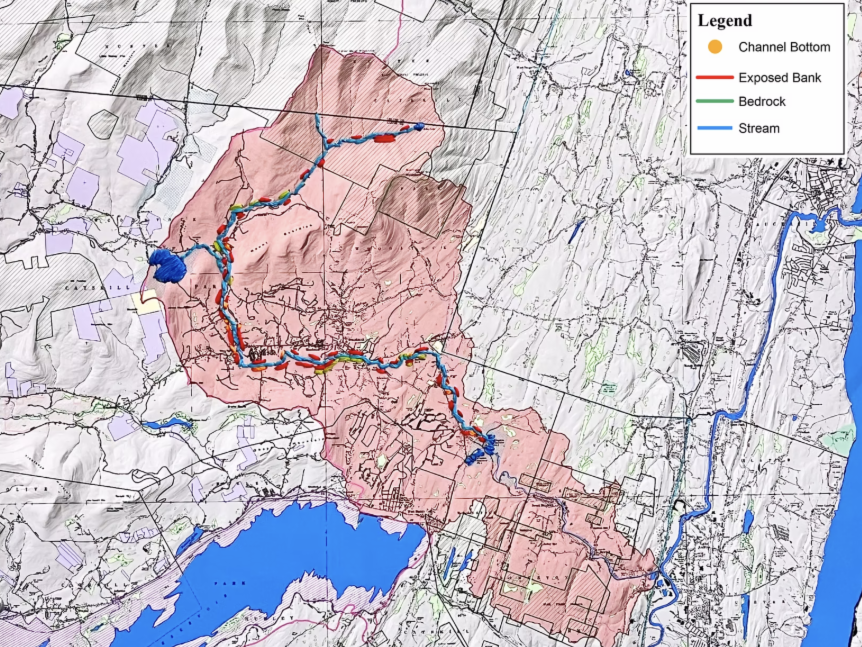
Floods are one of the most significant threats facing Catskills communities. On Tuesday, June 23 at 4 pm, WLC is joining the Ashokan Watershed Stream Management Program (AWSMP), artist and researcher Jennifer Zackin of Mapping the Sawkill, and others for an afternoon of community dialogue and interactive mapping at the Woodstock Library.
Together, participants will explore what past flooding events have taught us about this region's waterways, and examine how landowners and stewards can protect our watershed through collective action. No RSVP required. Free and open to all.
This event is part of the broader Ashokan Watershed Conference, Summit to Stream: Building a Resilient Watershed Together—a series of programs running throughout 2026 focused on flood resilience, stream stewardship, and community connection to local waterways.
Learn more and find the full conference program →
| | |
Know Your Watershed: The Aquatic Food Web
Part of our year-long "Ecologies of Water" series
| | |
Last month we explored rain gardens and how what flows across our land shapes our streams. This month, we're going underwater to meet the creatures that make the whole system work.
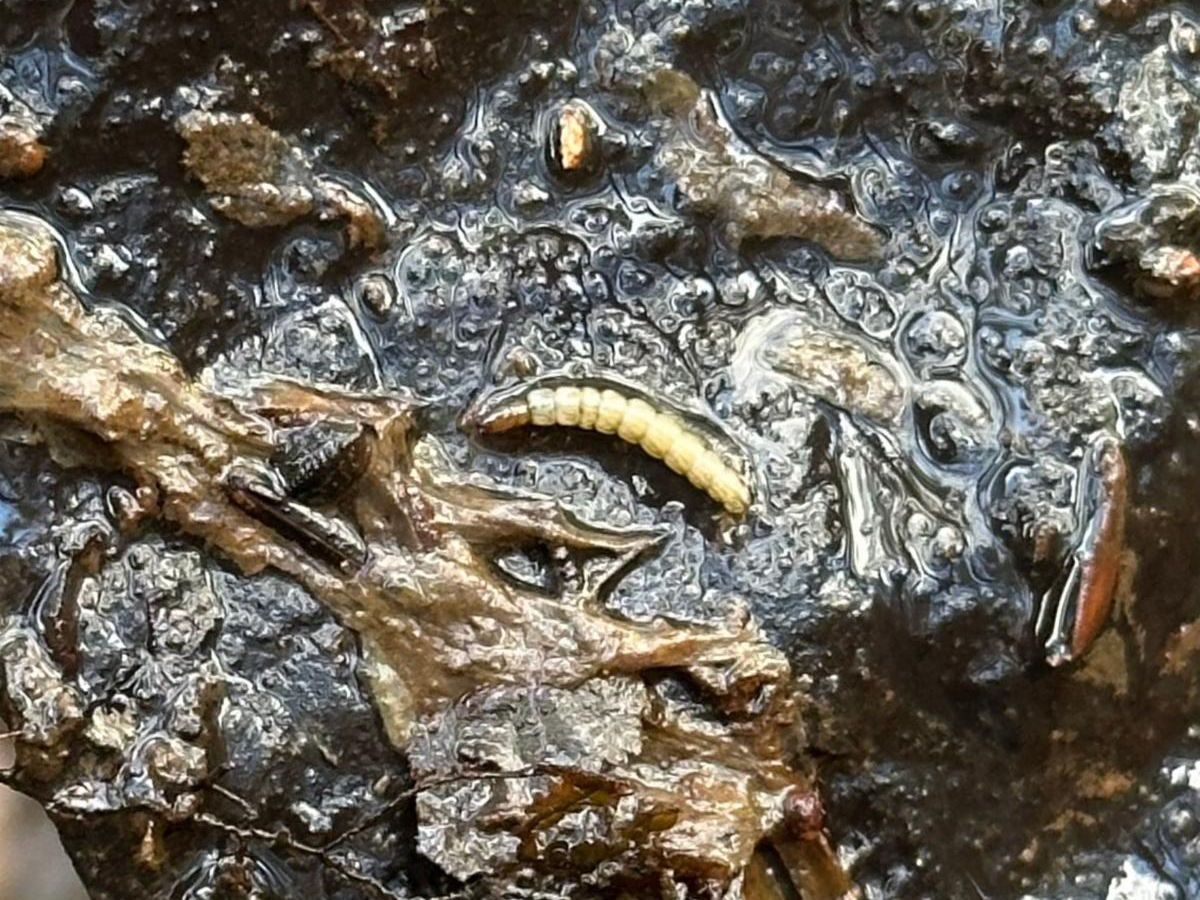
Macroinvertebrates are aquatic animals visible to the naked eye but without a backbone: caddisfly larvae, mayfly nymphs, stonefly nymphs, freshwater amphipods. They don't get much attention, but they are the base of the aquatic food web. By shredding fallen leaves, grazing on algae, and filtering organic matter, they turn forest debris into usable food energy and keep oxygen moving through the streambed. Without them, nutrients would stop flowing through the system and everything above them—fish, birds, mammals, people—would feel it.
The chain runs like this: macroinvertebrates feed brook trout, blacknose dace, and slimy sculpin. Those fish support blue herons, belted kingfishers, river otters, raccoons, and snapping turtles. And eventually, us.
Now is a perfect time to see this system in action. Visit a local stream (try the Sawkill along the Comeau trail at Town Offices) and gently turn over a few rocks. You may find mayfly nymphs or caddisfly larvae living underneath, quietly doing the work that keeps our watershed alive.
Next month in Know Your Watershed: where land meets water.
Learn more about WLC's Ecologies of Water programming →
| | National Trails Day: Get Outside and Make Your Voice Heard | |
Saturday, June 7 is National Trails Day, the country's largest annual celebration of trails and the people who use them. It's a good reminder to get outside, and an even better moment to think about what it takes to keep trails accessible, connected, and protected.
WLC stewards five public trails in the Woodstock and Hurley area: Sloan Gorge, Snake Rocks, and Zena Cornfield in Woodstock, Israel Wittman Sanctuary in Saugerties, and Rock Oak Preserve in Hurley. Each one is free, open sunrise to sunset, and worth a visit this weekend.
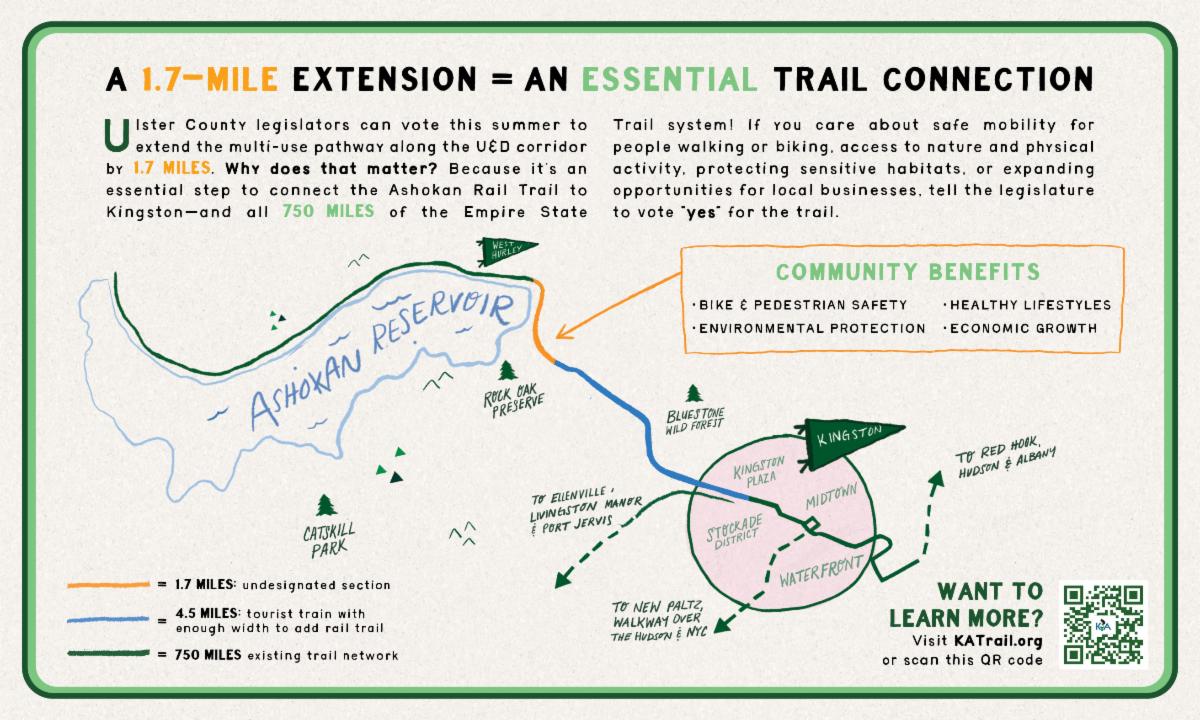
It's also a timely moment for trail advocacy. WLC is part of the coalition working to designate a 1.7-mile extension of the Kingston-Ashokan Trail (KAT)—a gap that, once filled, would connect the Ashokan Rail Trail to Kingston and all 750 miles of the Empire State Trail system. Ulster County legislators are expected to vote on the project this summer.
If you care about trails, this is the week to say so. Contact your Ulster County legislator and ask them to vote yes for the KAT trail extension. And if you'd like to get more involved, the Friends of the Catskill Mountain Rail Trail holds their June meeting on Friday, June 12 from 4–5pm. RSVP here for location details.
Visit our five public trails →
| | |
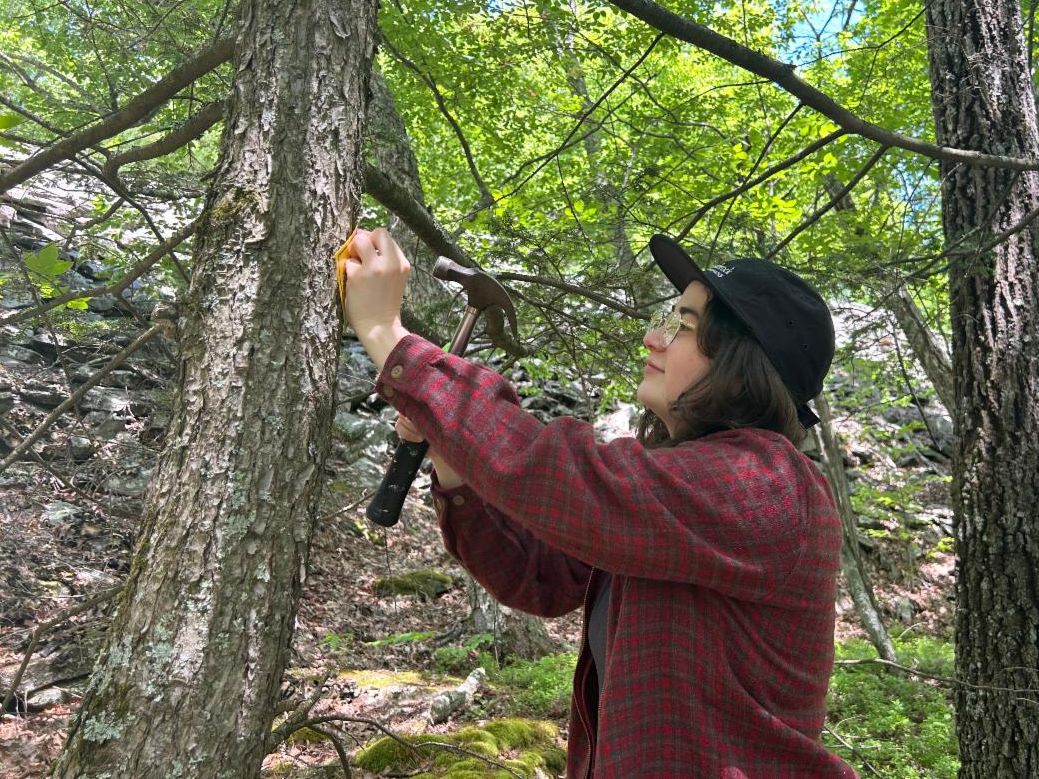
WLC is thrilled to introduce Marissa Trojan, who joined our team this spring as Land Steward. Many of you may have met her at Vernal Fling last month.
Marissa grew up in Kingston, where a high school volunteer project with the American Eel Project sparked a love for environmental fieldwork that has only deepened since. She holds a degree in Geography from SUNY New Paltz, with expertise in GIS mapping, spatial analysis, and environmental research. Her fieldwork has included assessing heavy metal contamination in her home community and studying second-growth forest recovery.
We're so glad to have her on the team—and so is the eel project, which she still volunteers with every year.
| | Native Bees & Their Plants at Thorn Preserve | | | | |
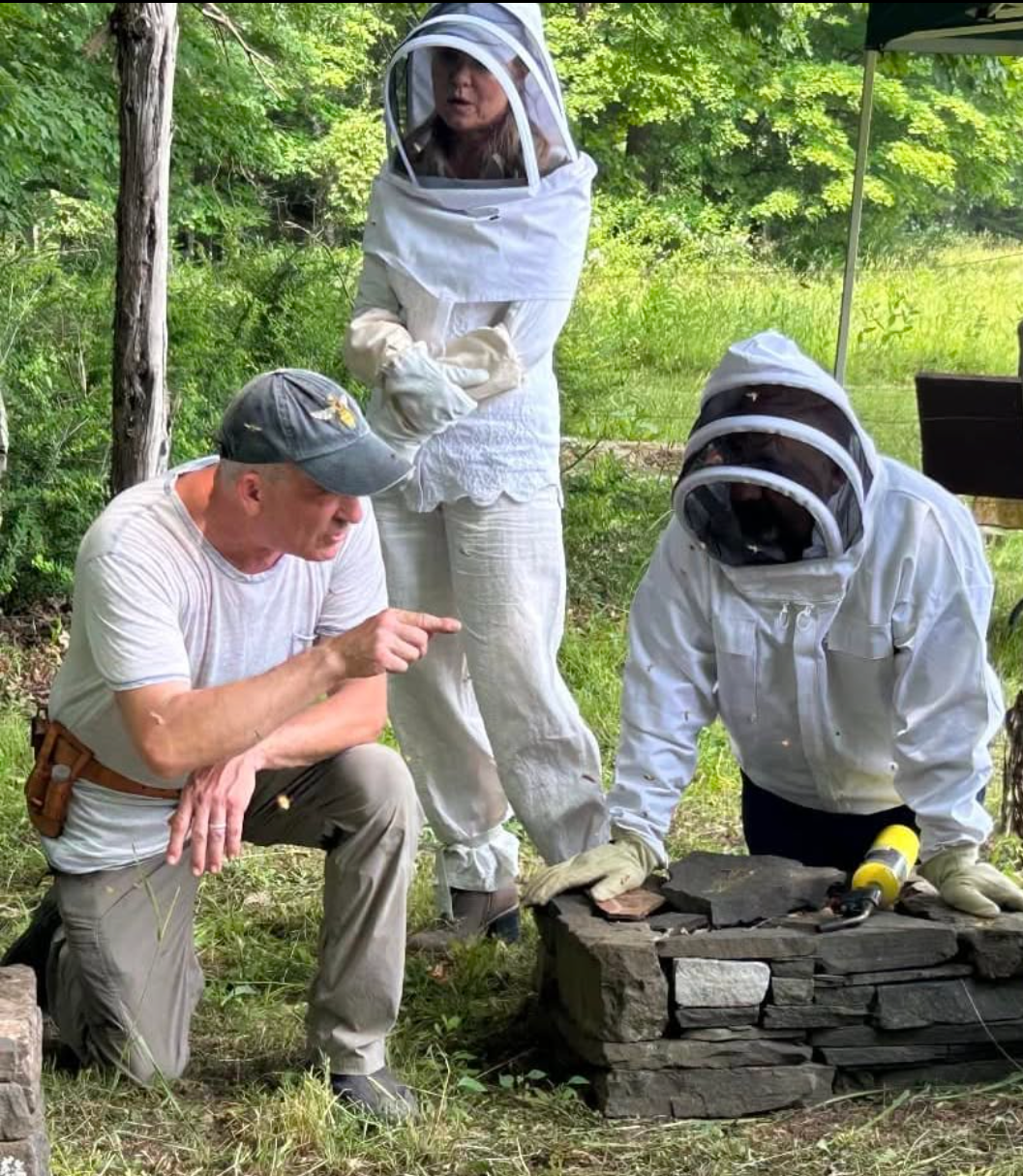
On Sunday, June 14 at 1 pm, the Woodstock Pollinator Pathway invites you to Thorn Preserve for its first field event of 2026.
Join Master Beekeeper Chris Layman for a walk through the preserve's pollinator garden and surrounding landscape. Chris will discuss the native bees that call Thorn Preserve home, explore the plants that support them, and share a forage history of the area. Light refreshments provided by Fox Farm Apiary. Free and open to all—no registration required.
Meet at the Thorn Preserve parking lot near the kiosk, 55 John Joy Road, Woodstock. Rain date: Sunday, June 21.
Learn more about the Woodstock Pollinator Pathway →
| | |
Your donations help us continue our work to protect and preserve open lands, forests, water resources, scenic areas and historic sites in Woodstock and the eastern Catskills.
With environmental groups large and small facing unique challenges, we need your support now more than ever. Every dollar makes a difference.
Support WLC today with a financial gift and consider adding us to your estate plan.
Our EIN number is 22-2950482.
| | 2025 Environmental Organization - 1st Place | Follow Us on Social Media | | |
Follow us on Facebook and Instagram to stay up-to-date with WLC events, learn about local initiatives and be the first to know about events.
Follow our YouTube channel for access to archived webinars and more.
| | | | |