November 1, 2026 | Issue 59 | | |
"The trees do not mourn the leaves they release, nor does the earth resist the stillness of autumn. Nature understands that renewal begins with letting go. Within us lives that same quiet wisdom—an innate intelligence continually seeking balance, restoration, and the conditions in which healing can unfold."
Welcome back! Settle in with your favorite warm drink, take a moment to slow down, and enjoy the articles and insights we’ve thoughtfully gathered for you. We hope this edition awakens your curiosity, introduces fresh perspectives, and inspires you to explore new ways of nurturing your health, well-being, and the remarkable wisdom of the body.
– The BRMI Team
| | |
Welcome to Our 59th BRMI E-Journal!
Embracing the Rhythm of the Season
As autumn gives way to winter, temperatures drop, daylight grows shorter, and in many parts of the country the first snowflakes begin to fall. Just as nature changes with the seasons, our bodies must continually adapt to changes in light, temperature, activity, food availability, and our surrounding environment.
Some of us are fortunate enough to live in warmer climates, but for many, the colder months can keep us indoors, restrict movement and social activity, and even influence our mood. Rather than simply enduring this time of year, however, we can work with the season and support the body's natural capacity for regulation, adaptation, and renewal.
|
| | |
The Benefits of Hydrogen-Rich Water (HRW)
James Odell, OMD, ND, LAc
| | | | |
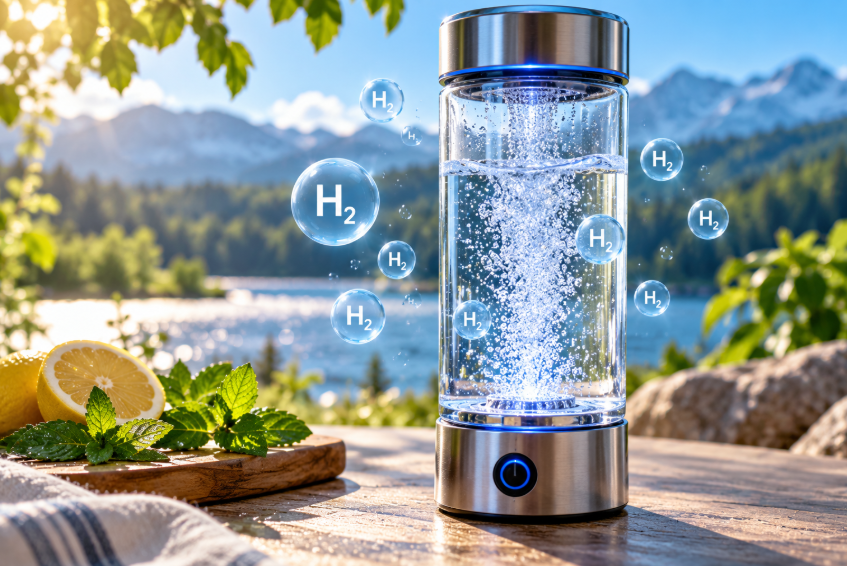
Hydrogen-rich water (HRW) has been in the spotlight as a new antioxidant and reported to selectively eliminate or neutralize harmful oxidative free radicals, thus reducing oxidative stress-induced damage to the cells and tissues. Hydrogen-rich water, or simply “hydrogen water,” is water infused with hydrogen gas. The potential benefits of HRW on various aspects of health go beyond reducing oxidative stress.
| | |
Ibogaine: Ancient African Medicine, Addiction Treatment, and the Science of Neuroplasticity
James Odell, OMD, ND, LAc
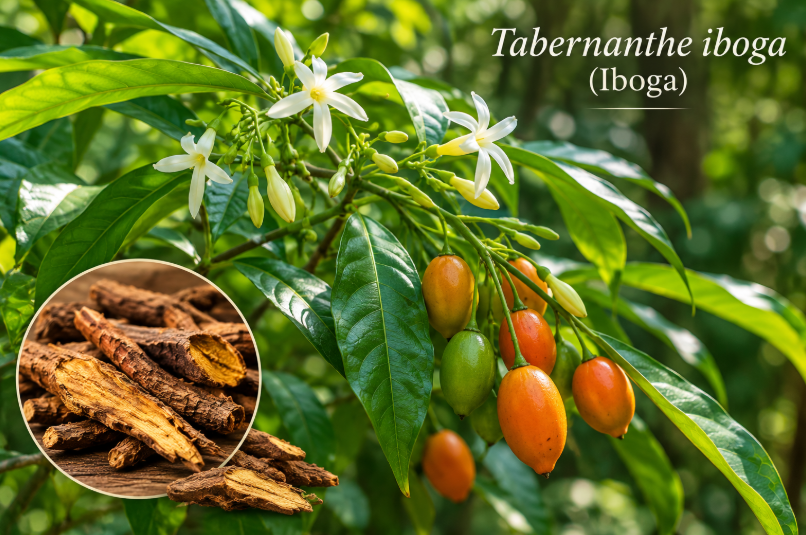
| | Ibogaine is found in a number of plants, principally in iboga (Tabernanthe iboga), a member of the dogbane, or Apocynaceae, family. The Apocynaceae family is known for its chemical sophistication and its remarkable diversity of biologically active compounds, including alkaloids and cardiac glycosides that can interact powerfully with animal physiology. | |  | | | |
Acemannan: The Remarkable Healing Compound Hidden Within Aloe Vera
BRMI Staff
| | | | |
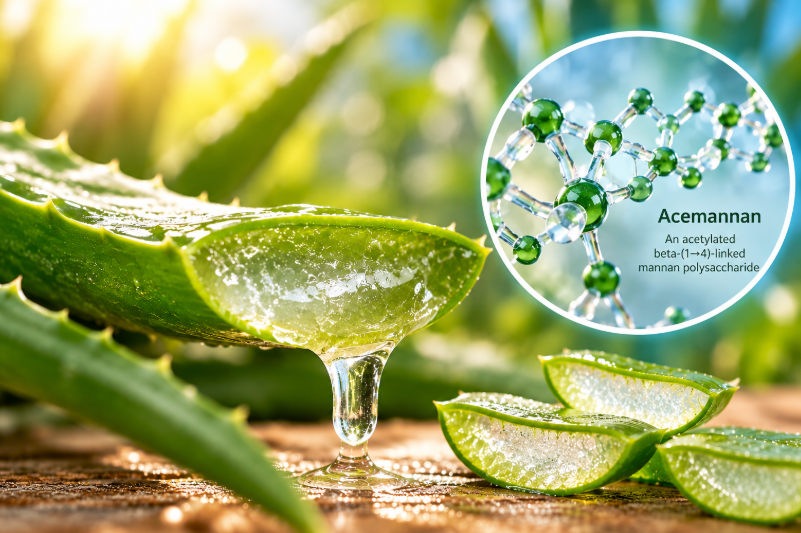
Cut open a thick leaf of Aloe vera and something remarkable is revealed. Beneath its tough green exterior lies a nearly transparent reservoir of gel—a living storehouse of water and complex plant compounds that helps this succulent endure heat, drought, intense sunlight, and long periods of environmental stress.
| | |
Yes, Ma’am, Women Can and Should Have an Opinion About Circumcising Baby Boys
Jennifer Margulis, PhD
If you’re a mom of a baby boy in America, you will likely feel pressured to allow a doctor to cut off an essential part of his genitalia and asked to consent to this surgery.
In the United States, infant circumcision is sold to parents as something that will benefit their boy babies.
Expectant, laboring, and recently postpartum mothers are badgered relentlessly by physicians, nurses, and other health care personnel to consent to a surgery for their newborn baby that is almost always entirely cosmetic and not medically indicated.
| | | |
Functional Mushrooms: A Daily WellnessTool for Pets
Marlene Siegel, DVM
For centuries, medicinal mushrooms have been valued in traditional healing systems for their remarkable array of bioactive compounds.
While much of this research has focused on humans and laboratory models, emerging veterinary research is beginning to explore their potential applications in companion animals. From beta-glucans that interact with immune cells to antioxidants that may help protect cellular structures, functional mushrooms offer an intriguing area of investigation in integrative veterinary medicine.
| | | |
Dear Friend,
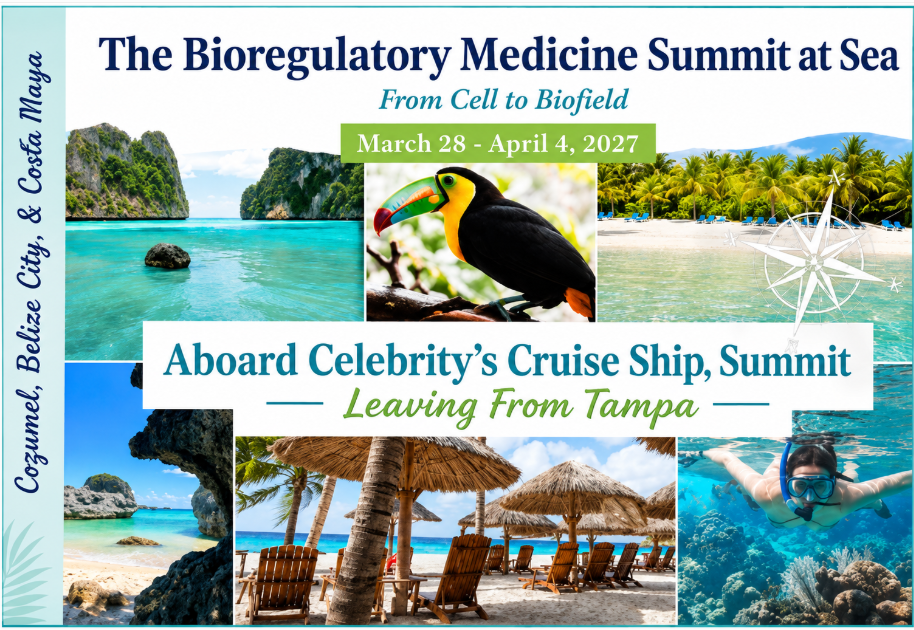
Ferris Bueller took one day off, and it changed everything. Imagine what a week in the Caribbean—filled with learning, exploration, and unforgettable connections—could do.
If you've ever attended a traditional medical conference, you know the routine. Rushing from lecture to lecture, scribbling notes, exchanging business cards, and heading home wondering how you'll ever process everything you learned.
We've thought what if there were a better way?
That experience inspired a new vision: a conference at sea, combining exceptional education, extraordinary destinations, and an atmosphere where relationships could flourish.
Our sea days are dedicated to learning, exploring cellular physiology, terrain medicine, biofield science, regenerative medicine, and whole-person healing.
Our port days are dedicated to exploring, visiting the ports of: Cozumel, Belize City, and Costa Maya.
And throughout the voyage, conversations continue over breakfast overlooking the ocean, during Caribbean adventures, and beneath a sky full of stars.
And that's why we're delighted to invite you—and we truly mean everyone—to the BRMI Summit at Sea!
This will be our third conference at sea, and we've seen firsthand how this unique format fosters lasting friendships, meaningful collaborations, and fresh perspectives.
The BRMI Summit at Sea
March 28 – April 4, 2027 | Celebrity Summit
Join us for an unforgettable week with respected voices in bioregulatory medicine, including:
- James Odell, OMD, ND, LAc
- Tia Trivisonno, ND, LAc, MSOM
- Lee Merritt, MD
- Michelle Perro, MD, DHom
- Mary Holland, Esq.
- Mary Coyle, DIHom
- Aleena Kanner, MS, MAT, ATC
This isn't simply another conference. It's an opportunity to return home inspired—not only by what you've learned, but by the people you've met along the way.
We truly hope you'll join us as we continue building this remarkable community together.
We can't wait to welcome you aboard!
"Life moves pretty fast. If you don't stop and look around once in a while, you could miss it."
The BRMI Team
🛳️ 🌊 ☀️ 🍹 🏝️
| | |
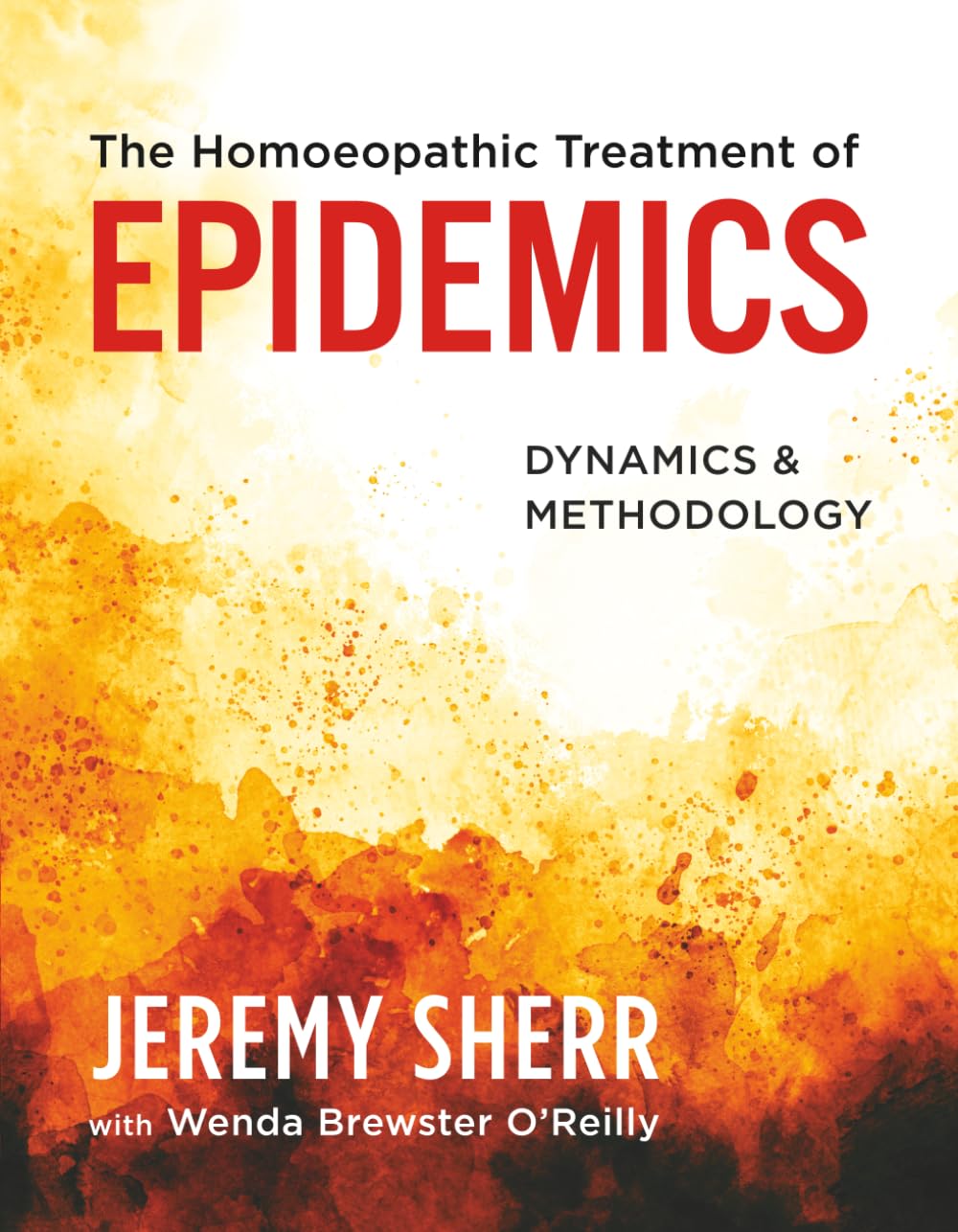
The Homoeopathic Treatment of Epidemics: Dynamics & Methodology
Authors: Jeremy Sherr and Wenda Brewster O'Reilly
| This book offers practical guidance for homeopathic practitioners, from gathering clinical observations, matching symptoms to potential remedies, to refining remedy selections as new information emerges. Its central theme is particularly thought-provoking: The whole may reveal relationships that are not readily apparent when examining its individual parts. | | | |
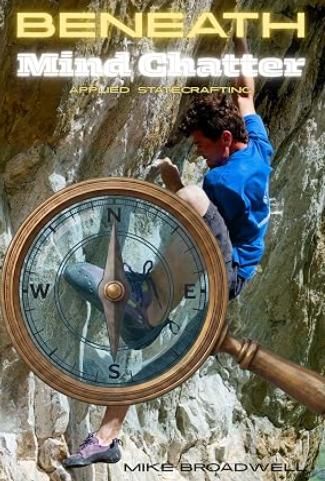
Beneath Mind Chatter
Author: Mike Broadwell
| |
In Beneath Mind Chatter, Mike Broadwell explores how our thoughts, distractions, and habitual patterns of thinking can obscure what truly matters.
One particularly meaningful observation is that mind chatter may be less a problem in itself than a symptom of something that has not yet found its proper place.
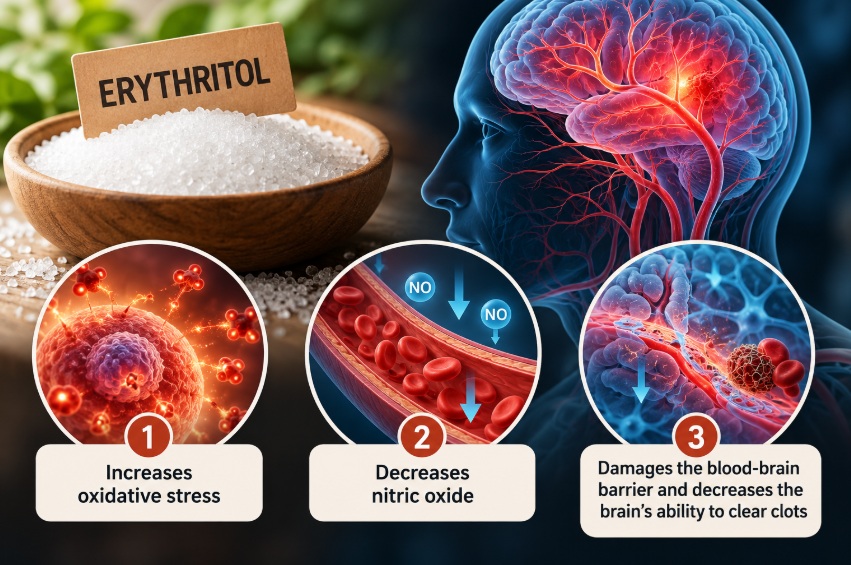
| | | Not So Sweet: Erythritol's Hidden Dangers | Erythritol has become a popular sugar substitute in keto, low-carb, and sugar-free foods. With virtually no calories and minimal impact on blood glucose, it is widely marketed as a healthier alternative to sugar.
However, emerging research suggests that erythritol may have unintended consequences for cardiovascular and brain health. | | | Rosemary: 5 Surprising Benefits of This Everyday Herb | |
Rosemary (Salvia rosmarinus, formerly Rosmarinus officinalis) has been treasured for centuries as both a culinary herb and a symbol of remembrance. Today, researchers are exploring the biological activities of its aromatic compounds and powerful plant antioxidants.
Here are five reasons this familiar herb deserves a place in your kitchen and garden.
| | | |
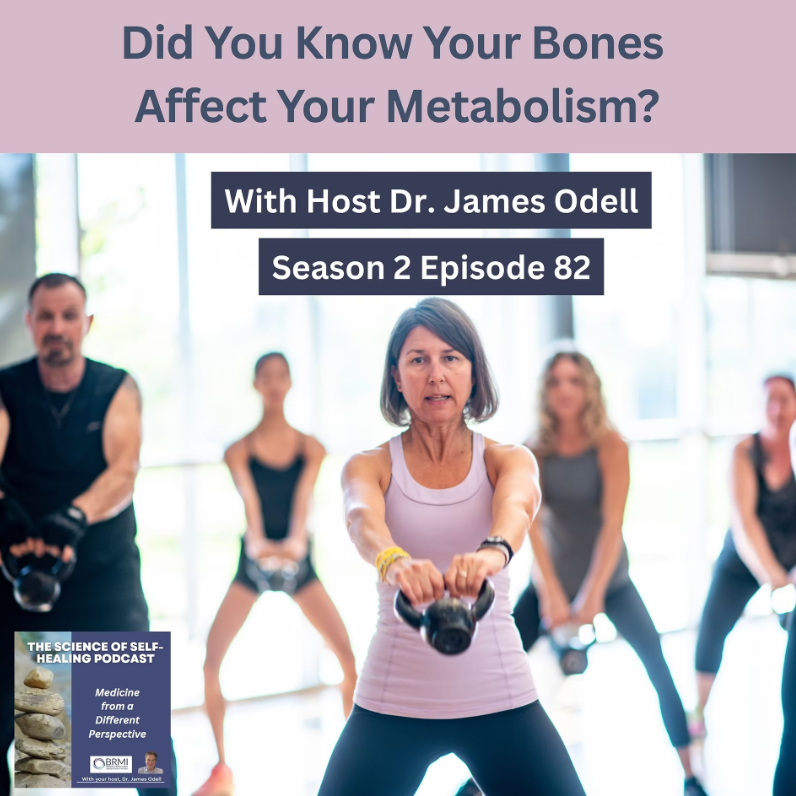
Did You Know Your Bones Affect Your Metabolism?
In this episode of The Science of Self-Healing, we look at bone as an active, hormone-producing organ. You’ll learn how a bone hormone called FGF23 helps control phosphate and vitamin D, why researchers think osteocalcin may affect blood sugar, and how bone might even play a role in appetite. We’ll also cover why people with diabetes can break bones even when their scans look normal, how undereating and rapid weight loss, including on GLP-1 medications, can quietly weaken the skeleton, and what progesterone, estrogen, and testosterone really do for bone. Along the way, we’ll take an honest look at the popular claim that progesterone cream can raise bone density by 15 percent.
You’ll walk away with a new way of seeing your skeleton, and the everyday habits that keep both your bones and your metabolism strong.
| | | | | |