Extracted from Nevada Soil


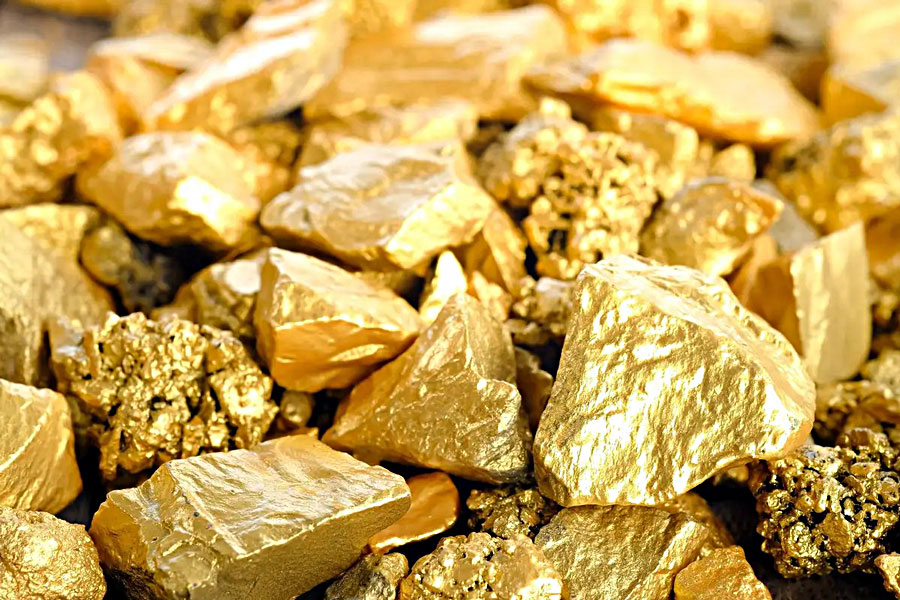
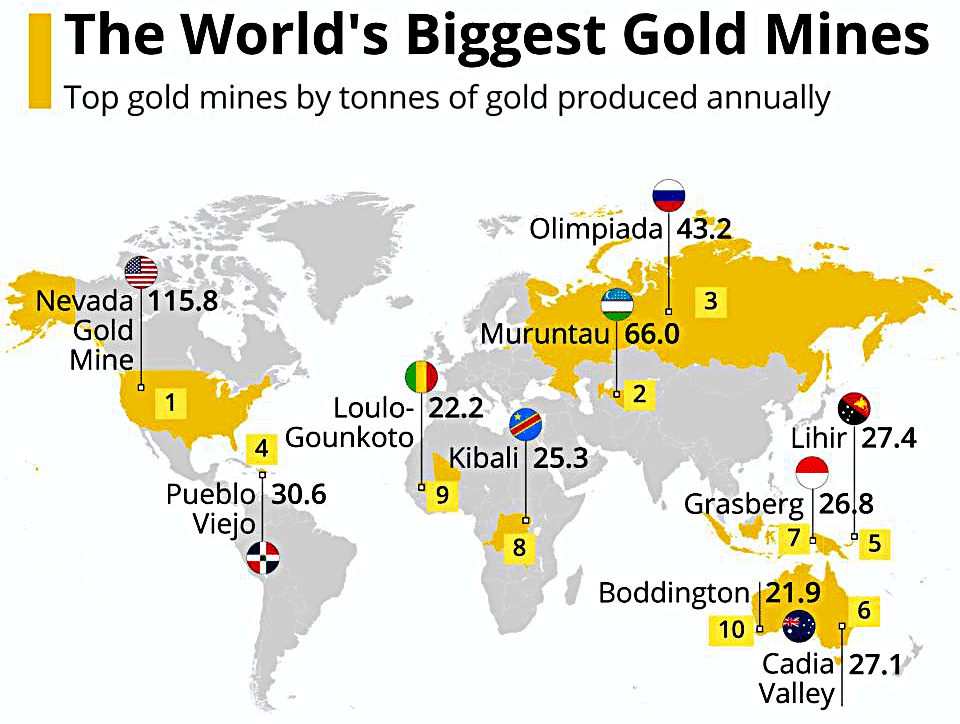
Nevada is the undisputed titan of American gold production, anchoring a multi billion dollar mining economy that reverberates across global financial markets. According to the latest finalized statistics from the United States Geological Survey and the Nevada Division of Minerals, the Silver State singlehandedly accounts for approximately 75% of all gold produced in the United States. In the most recent full calendar year of data, Nevada mines yielded nearly 3.5 million troy ounces of gold, which generated over 8 billion dollars in gross value.


The financial impact of this output is amplified by a historic surge in precious metals pricing. This unprecedented pricing climate pushed the total value of all commodities extracted from Nevada soil to a staggering 10.1 billion dollars. This booming natural resource economy directly employs over 14,500 individuals within the state, offering some of the highest average weekly wages in the region and funneling hundreds of millions of dollars directly into public education and local county infrastructure funds through net proceeds taxes. 

Discovery and the Comstock Era


The modern phenomenon of the Nevada mining sector traces its lineage back to a humble canyon and a group of weary travelers in the mid nineteenth century. In May 1850 a caravan of Mormon emigrants bound for the California gold fields paused along the Carson River near the present day town of Dayton.


While waiting for the snows of the Sierra Nevada mountains to melt and clear the high passes, a pioneer named Abner Blackburn decided to prospect the local gravels. Using a simple pan in a small creek, Blackburn unsealed the very first documented gold discovery within the borders of what would become Nevada. This initial find in Gold Canyon sparked a rush of miners who established a seasonal trading post, marking the birth of permanent non native settlement in the region.


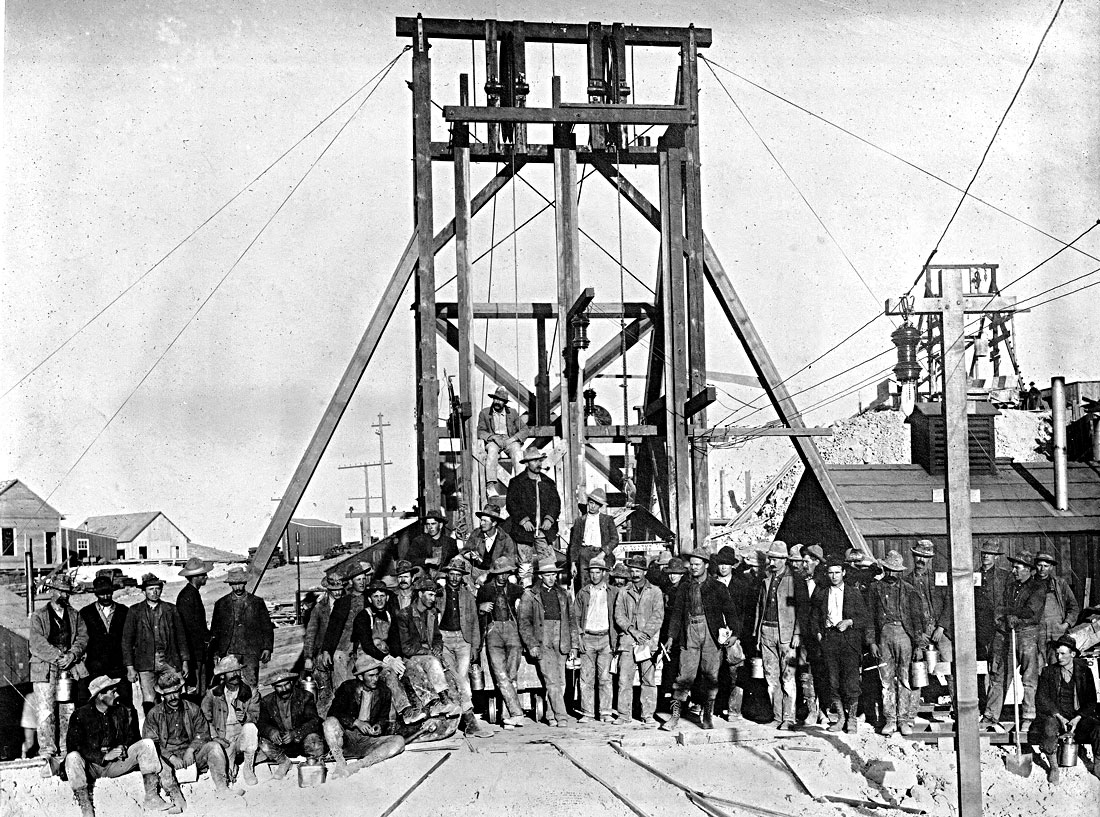
For nearly a decade, these early pioneers scratched out a meager living extracting placer gold from the canyon mud, entirely unaware of the astronomical wealth buried deep inside the mountain looming directly above them. Everything changed in 1859 when miners tracking the gold upstream stumbled into a dark, heavy blue mud that clogged their equipment. This annoying sludge was later assayed and revealed to be incredibly rich silver ore, a monumental discovery that unveiled the Comstock Lode.


The Comstock Lode transformed Virginia City into a booming metropolis overnight, attracted billions of dollars in investment, and stimulated the technological innovations needed for deep underground hard rock mining, ultimately providing the economic engine and population boom that propelled Nevada to statehood in 1864.

The Modern Revolution


While early Nevada history was defined by the glittering silver and high grade gold veins of the Comstock Lode, the modern era of Nevada mining was born from an invisible treasure hidden within a vast stretch of the high desert. In the early 1960's, geologists John Livermore and Alan Coope formulated a revolutionary theory regarding the existence of submicroscopic gold deposits scattered across northern Nevada. Their conceptual model led to the 1965 opening of the Carlin mine by the Newmont Mining Corporation, an event that forever changed the global gold mining industry.


Unlike traditional gold rushes where miners sought visible flakes and nuggets, the Carlin Trend contained micron sized particles of gold locked inside sedimentary carbonate rocks. This gold was completely invisible to the naked eye, requiring advanced chemical processing techniques like heap leaching and autoclaving to separate the precious metal from the host rock. This discovery unlocked a massive mineralized belt stretching over fifty miles across Eureka and Elko counties.


The Carlin Trend quickly became one of the most prolific gold extraction regions on the planet, proving that massive scale open pit mining of low grade ore could be immensely profitable. This modern revolution shifted the paradigm of global exploration, turning an arid expanse of the Great Basin into a global center of mining engineering and securing Nevada its permanent status as a gold producing superpower.

Geological Majesty of the Great Basin


The unparalleled abundance of gold in Nevada is a direct consequence of a unique and violent geological history that shaped the North American Great Basin over tens of millions of years. The geology of Nevada is characterized by a distinctive basin and range topography, which was created by tectonic forces that literally stretched and pulled the crust of the earth apart.


This crustal extension thinned the earth mantle, allowing hot magma to rise closer to the surface and heating vast networks of underground water. As these hyper thermal fluids circulated through the fractured bedrock, they dissolved gold, silver, sulfur, and other minerals from deep within the earth. As the fluids surged upward into cooler sedimentary rocks, changes in temperature, pressure, and chemical composition caused the dissolved metals to precipitate out of the solution, creating dense networks of microscopic gold deposits.


The Great Basin essentially acted as a massive geological pressure cooker, perfectly designed to concentrate precious metals in shallow, accessible zones. This complex tectonic environment is why the region hosts an array of diverse deposit styles, ranging from the classic sediment hosted Carlin type systems to high grade epithermal veins, making the Nevada desert one of the most uniquely blessed mineral storehouses on the face of the globe.

Underworld of Turquoise Ridge and Beyond


To truly understand how Nevada maintains its dominant global position, one must journey hundreds of feet beneath the desert surface into the high tech underworld of modern industrial mining. Operations like the Turquoise Ridge mine, located in the Potosi mining district of Humboldt County, represent the cutting edge of contemporary gold extraction. Turquoise Ridge is a world class underground operation that showcases the incredible complexity of modern mining.


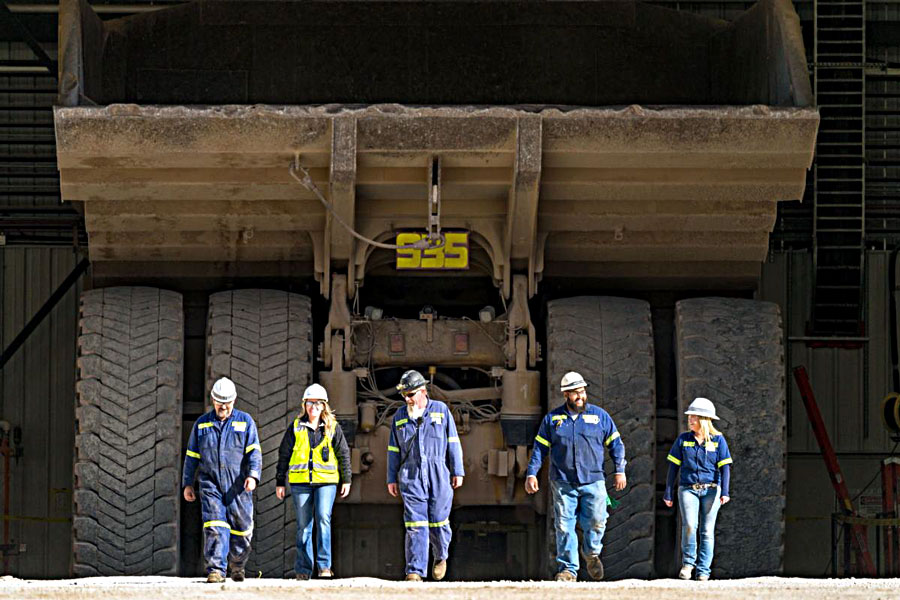
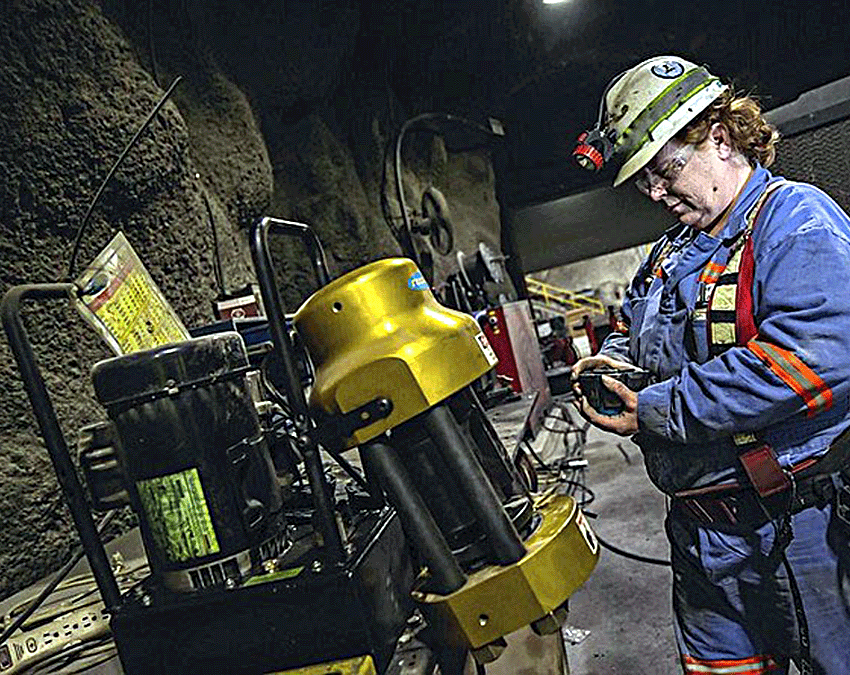
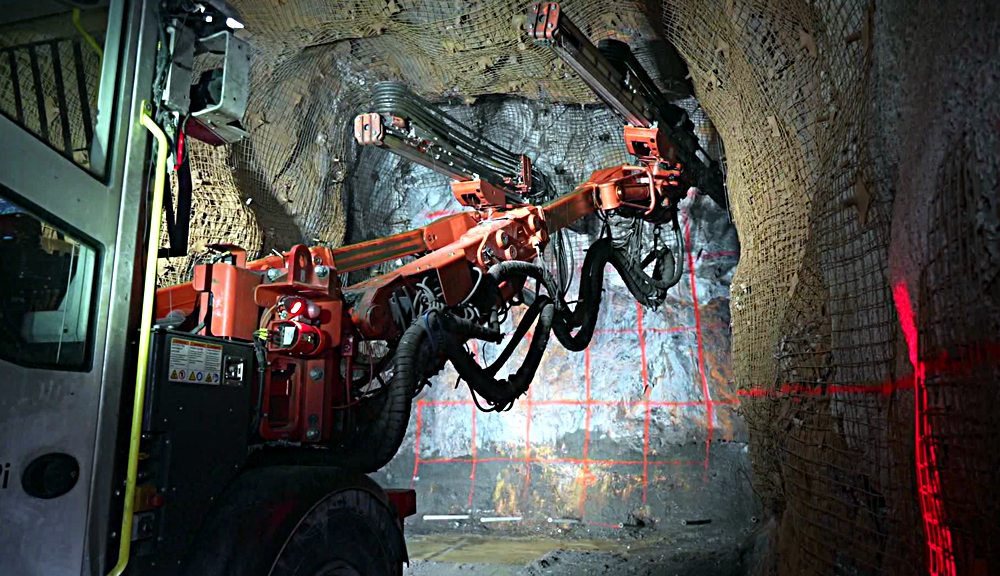
Workers and heavy equipment descend deep into the earth through massive shafts to access high grade refractory ore zones. Inside these subterranean labyrinths, the environment is a marvel of engineering, featuring advanced ventilation systems, automated drilling rigs, and massive underground haul trucks that navigate reinforced tunnels.


The ore extracted from Turquoise Ridge is so complex that it cannot be processed using simple methods; instead, it is transported to massive regional processing hubs like the Twin Creeks facility, where it undergoes high pressure oxidation inside giant autoclaves or gets roasted at extreme temperatures to break down the sulfide minerals and release the microscopic gold.


This intricate dance of heavy industry, advanced chemistry, and rigorous safety protocols occurs twenty four hours a day across dozens of major operations state wide, including the massive Cortez complex and the newly opened Goldrush mine, ensuring that the golden heart of Nevada continues to beat strong well into the future.