|
LEAVE THE LEAVES (MOST OF THEM)
Most of the leaves are down now. It isn’t really fall anymore, and it isn’t winter yet. Andy calls it the shoulder season. English doesn’t have a good word for it, but there’s an old calendar that does.
It started in China, where the year was split into 72 microseasons of about five days each, each named for something happening outdoors. Japan took up China’s calendar centuries ago, when it was modeling much of its government on China’s, and the microseasons came with it. By the 1680s, the calendar Japan was using was more than 800 years old. It had drifted out of step with the sky, and many of the season names didn’t fit Japan’s weather. So in 1685, an astronomer named Shibukawa Shunkai made the first Japanese-made calendar, and rewrote the microseasons for Japan’s own weather, plants, and animals.
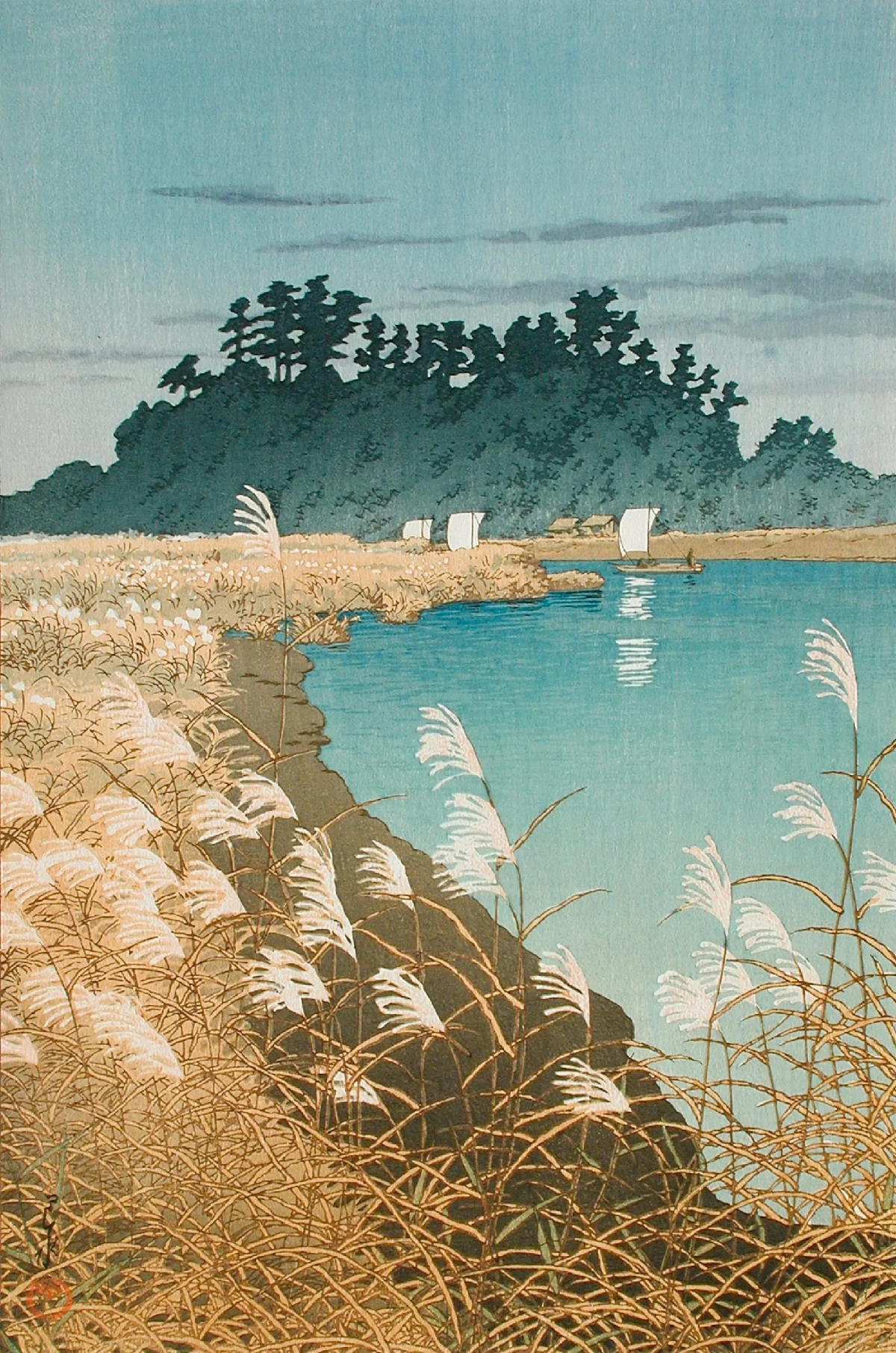
The print above comes out of the same habit. The title isn’t Autumn. It’s Ichikawa in Late Autumn: one town, one stretch of the season. On Japan’s calendar, the microseason that starts November 12 is land starts to freeze.
Shibukawa was the shogun’s astronomer in Edo, the city now called Tokyo. Even there, the name has stopped fitting. Tokyo’s first frost now usually comes around Christmas. In the 1880s, its thermometer dropped below freezing on about 75 days a year. Lately it’s closer to 10.
In 2011, a private Japanese weather service proposed updating the old seasonal calendar to match the country’s actual weather. Haiku poets objected. Their seasonal words are sorted by that calendar, and centuries of poems depend on it. The old names stayed.
If we named this week here, we’d call it oaks hold their leaves. The maples and birches are bare, but many oaks and beeches hang on to theirs, especially young trees and lower branches, brown or pale and rattling in the wind, some until spring.
|