|
Preventing Prostate Cancer
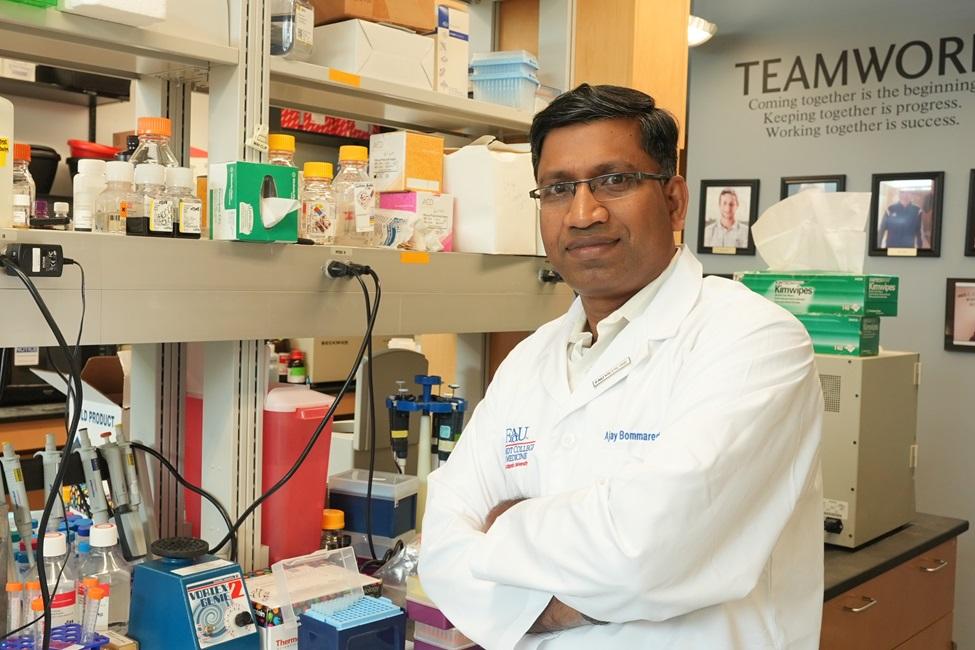
Florida Atlantic's Charles E. Schmidt College of Medicine and collaborators are the first to demonstrate the chemotherapy preventative properties against prostrate cancer development using a transgenic mouse model. Read more.
| |
|
Medicare Fraud Detection
There's a big problem with Medicare where people are making fake insurance claims and stealing money. In fact, last year they stole more than $100 billion, according to the National Health Care Anti-Fraud Association.
But new research from the College of Engineering and Computer Science is addressing this challenge by using computers and big data to help detect medicare fraud more quickly and efficiently.
Read more.
| |
|
Talking to Your Child
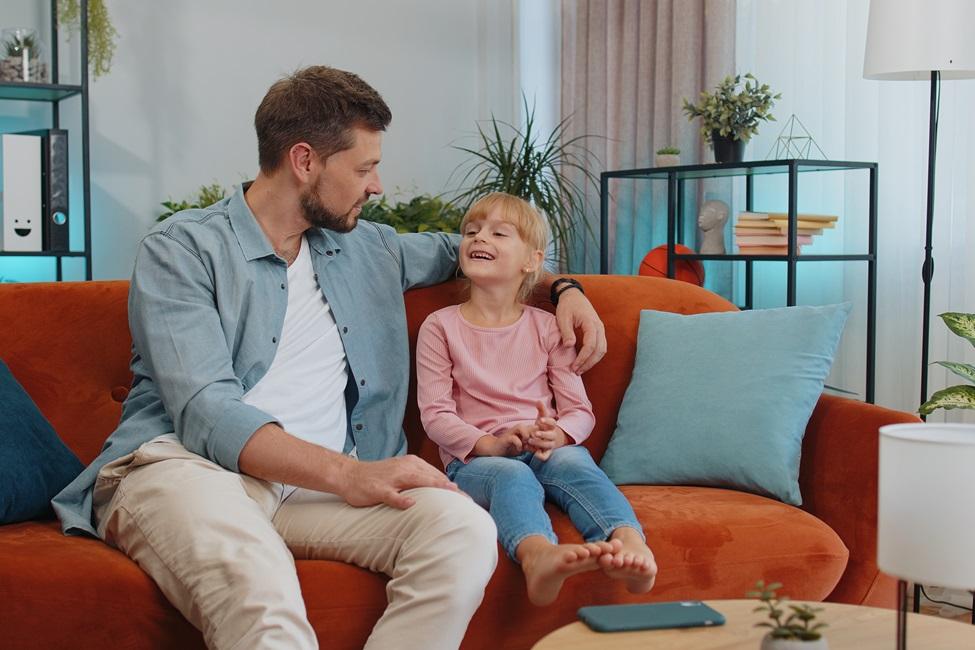
How parents talk with their young children affects their language development. While reading books together is common, reminiscing about past events can also be beneficial, according to a recently puiblished study from the Department of Psychology in the Charles E. Schmidt College of Science.
Read more.
| |
|
Promoting Active Learning
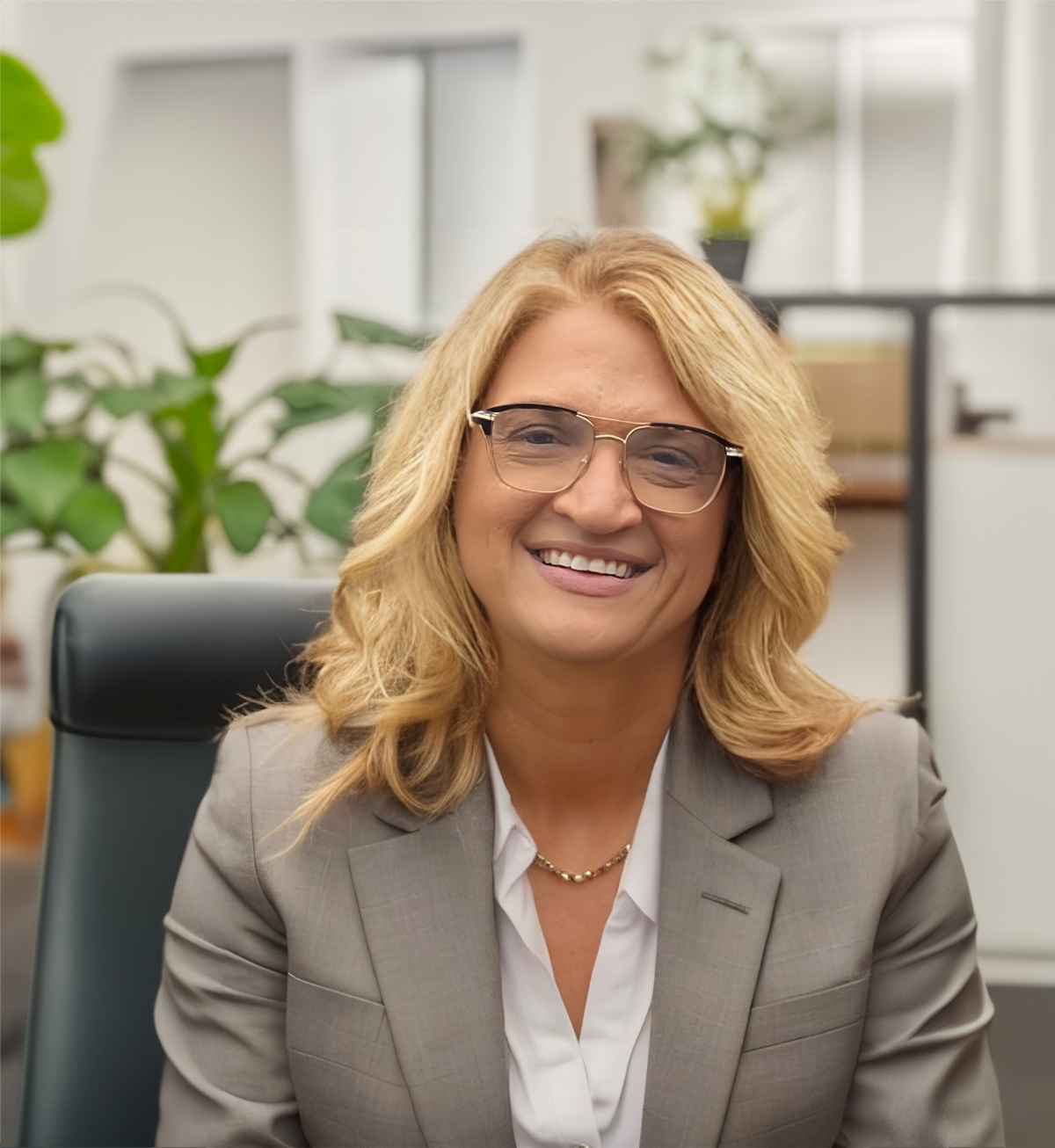
Cammi Clark, Ph.D., senior director, Research Communication, University Relations/Public Affairs/Division of Research, and adjunct instructor, School of Communication and Multimedia Studies, Dorothy F. Schmidt College of Arts and Letters, recently completed a nationally-recognized course called promoting active learning through the Association of College and University Educators (ACUE).
The course is available as part of ACUE's certification in effective teaching practices. Modules in this course present practices for developing effective class sessions and lectures, using groups to ensure active learning, using the active learning cycle and planning and facilitating effective and engaging discussions. Florida Atlantic partners with ACUE, endorsed by the American Council on Education, to offer faculty the opportunity to participate in credential offerings in effective teaching practices.
| | | |
|
Time to Share Your News
Are you new to Florida Atlantic's Division of Research team? Or do you have news you'd like to share? Use the link below to tell us your story for publication in an upcoming issue.
| |
|
Quantifying Harmful Algal Blooms
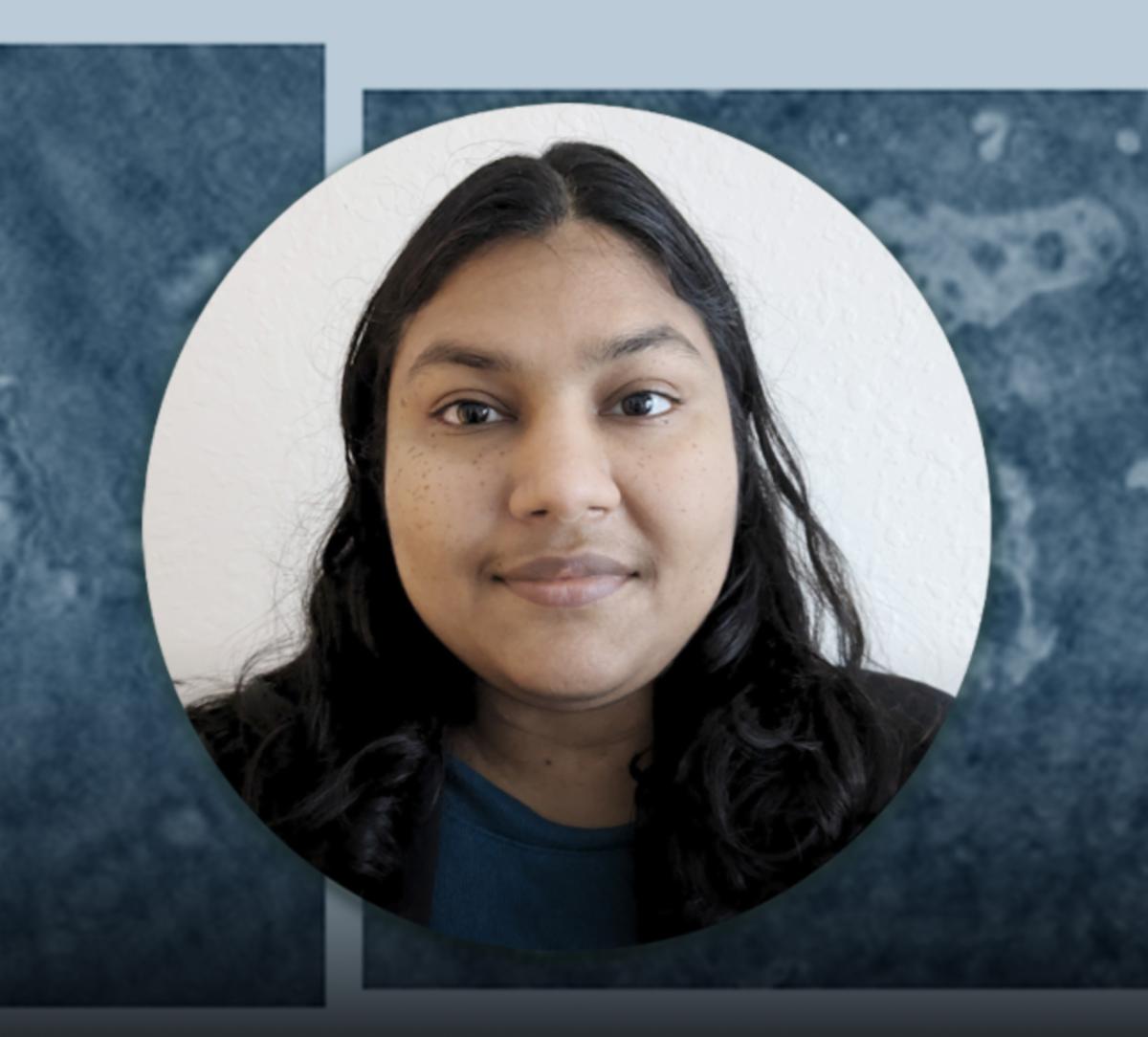
The green sludge that coats the surface of Florida’s waters can make people and animals sick. And its occurrence is increasing, according to Karuna Agarwal, Ph.D., a postdoctoral fellow at Florida Atlantic Harbor Branch Oceanographic Institute.
Exposure to this sludge — known as harmful algal blooms — either by eating contaminated seafood or drinking water, or breathing in the toxic air, has been linked to severe damage to liver, intestines, brain, heart, lungs, kidney and the reproductive system. HABs also harm the environment and economy.
Read more.
| |
|
Studying the Sea from Space
Harmful algal blooms (HABs), like blue-green algae or red tide, happen when colonies of microscopic algae or bacteria grow out of control in the ocean or lakes. They’re troubling because they produce toxins that can:
- sicken or kill people and animals
- contaminate seafood
- create dead zones in the water where there is little or no oxygen which causes massive fish die-offs
- raise treatment costs for drinking water
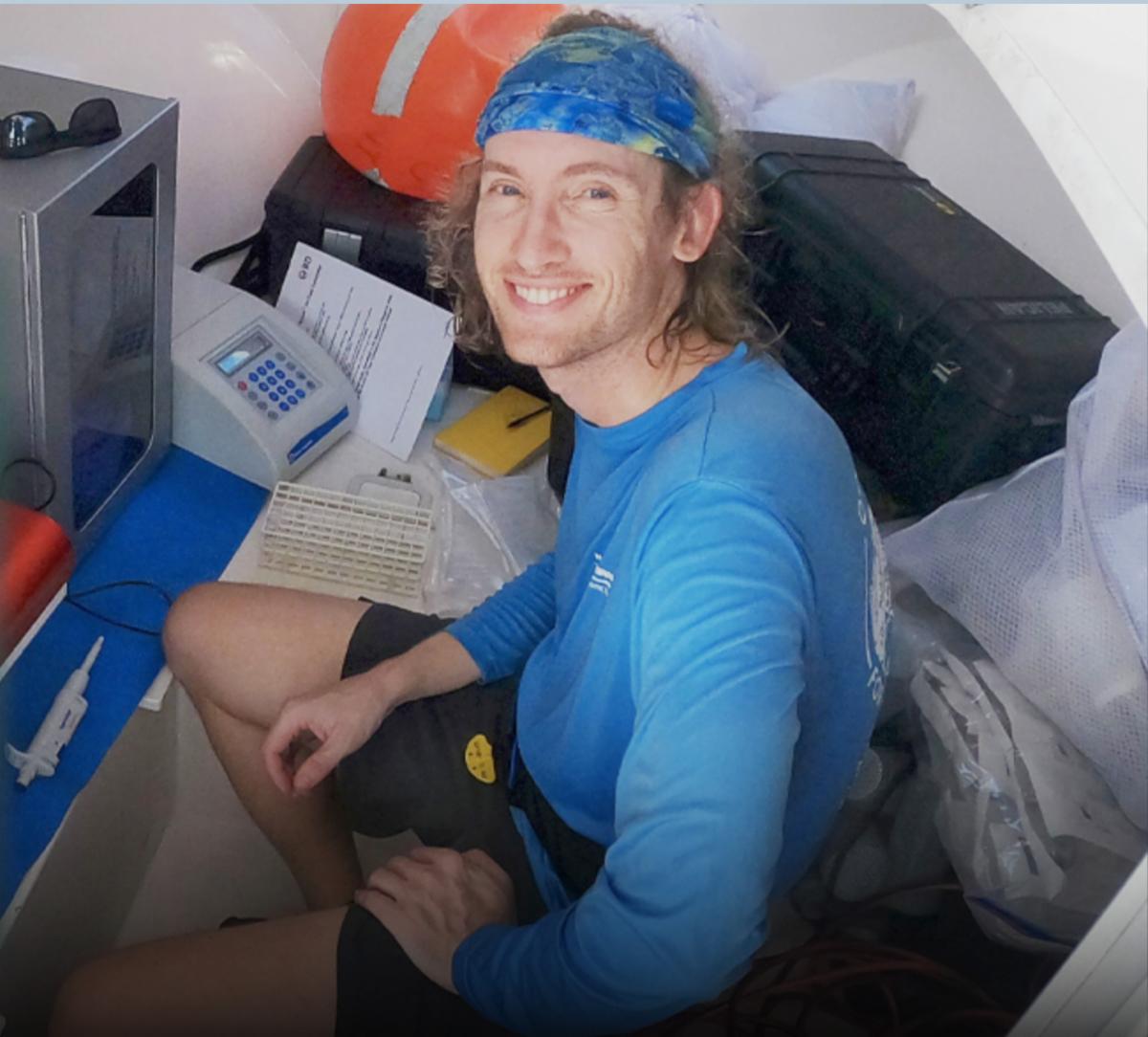
To learn more about how to stop these blooms, Zack Wistort, Ph.D., a postdoctoral fellow at Florida Atlantic Harbor Branch Oceanographic Institute, is studying images of them captured from space.
Read more.
| |
|
Policy Clarification – Limited Submissions
The Office of Research Development has guidance on timelines for limited submissions. Most internal (Florida Atlantic) deadlines for limited submissions occur 45 days prior to the agency deadline. For some highly competitive internal competitions, a deadline of 60 days prior is assigned. For more information, click here.
| |
|
Research Renewal: Share, Network, Collaborate
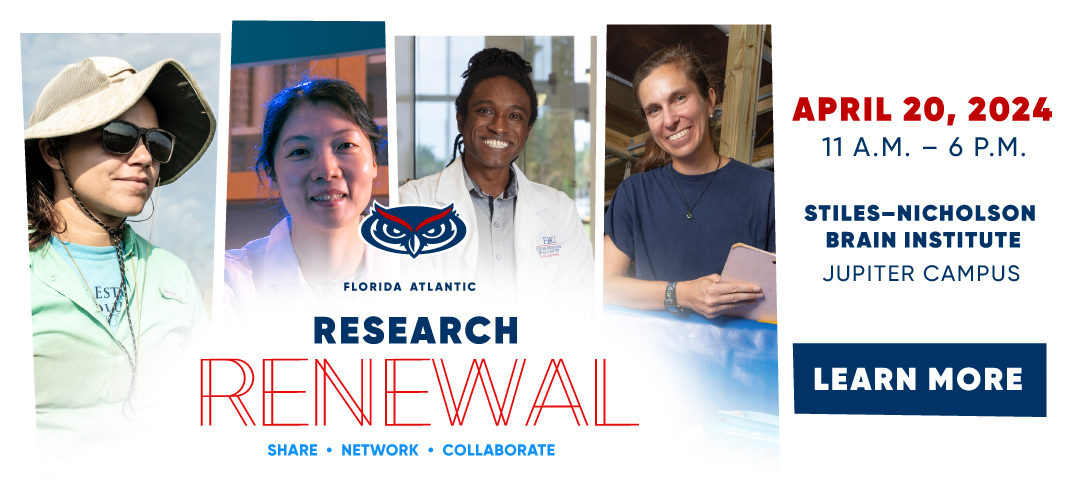
The Division of Research is hosting a new networking event to help Florida Atlantic researchers connect. The event, called Research Renewal, is slated for April 20 at the Stiles-Nicholson Brain Institute, Jupiter campus, and will include a poster session for students and postdoctoral fellows. Submit poster abstracts here.
| |
Did COVID-19 Worsen Tinnitus Symptoms? | |
The Power of Love Protects Groupers | |
|
Science in Seconds
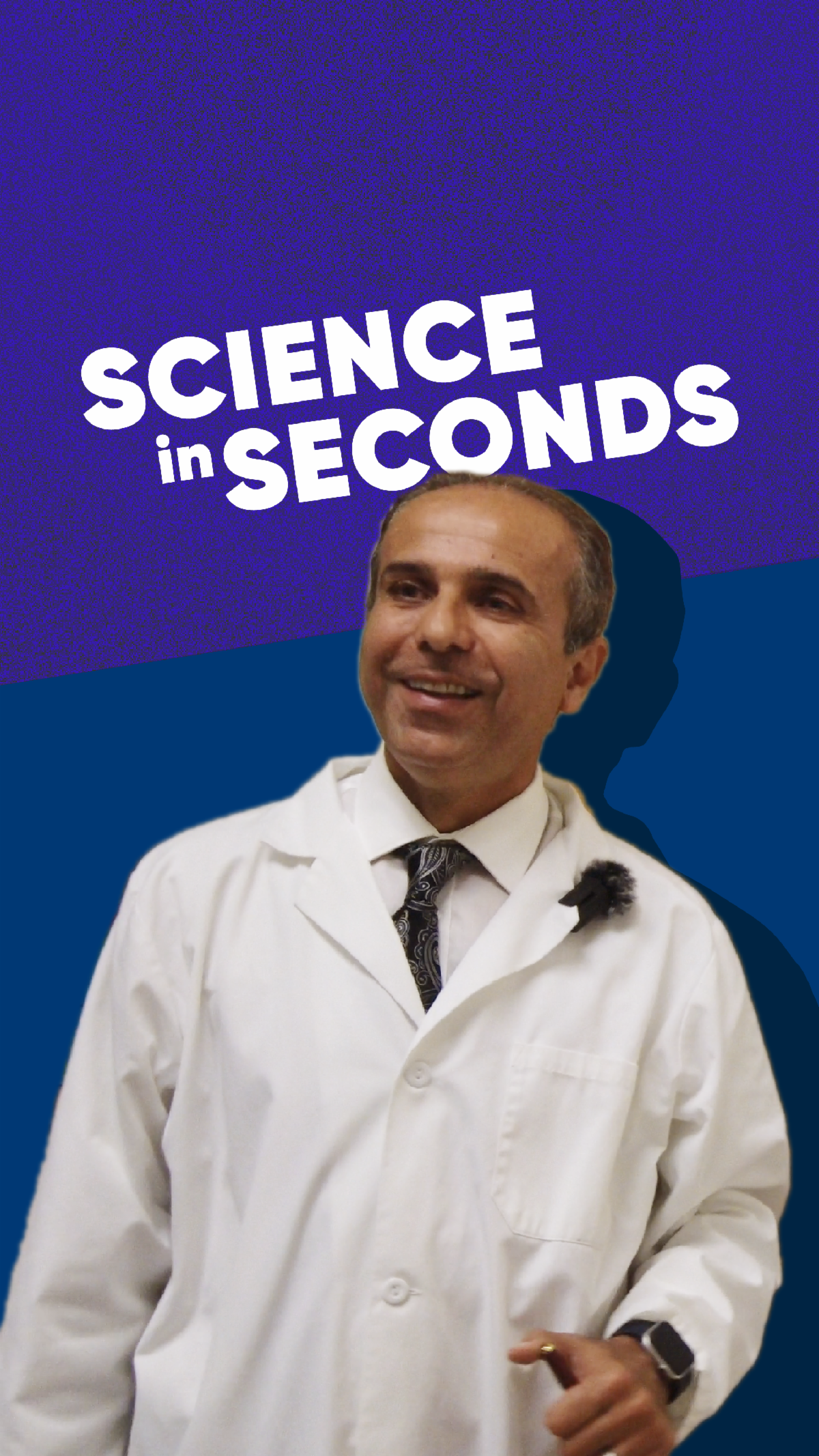
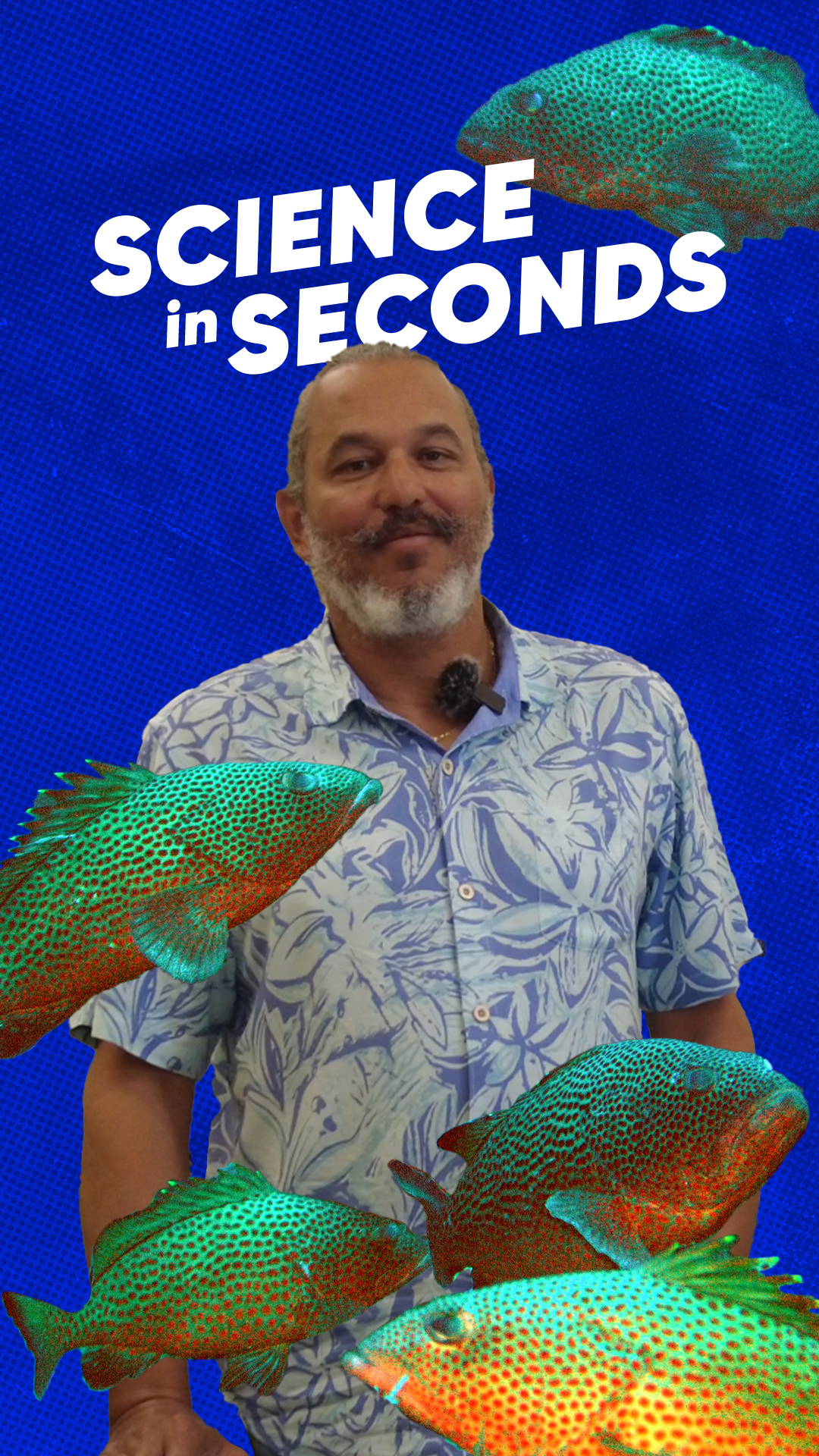
See the latest with Ali Danesh, Ph.D., and Laurent Cherubin, Ph.D., for the start of the spring 2024 lineup for Science in Seconds.
Connect with the Research Communication team to see your research highlighted in an upcoming episode.
| |
|
TOMORROW
Center for Environmental Studies
Request for Proposals: Walter & Lalita Janke Foundation Innovations in Sustainability Science Research Fund 2024
March 12, at 1 p.m.
Patent Protection for AI, Software and Algorithmic Innovations
RSVP on Zoom
March 14, Noon to 1 p.m.
Workshop on Maximizing Grant Funding Opportunity Searches
Building CU, Room 301, Boca Raton Campus
March 14, 1 p.m.
Owl Innovator Workshop Series: Copyright and Creative Works
Online
March 16, 1 to 5 p.m., March 18 and 19, 5 to 8 p.m.
Insights at the Institute
Stiles-Nicholson Brain Institute, Jupiter campus
March 18
2024 Teaching with Technology Showcase
Schmidt Family Complex, Boca Raton Campus
March 28, 5:30 to 7:30 p.m.
Innovate Atlantic Awards Celebration
Tech Runway, Boca Raton campus
April 1, 1 to 2:30 p.m.
Faculty Stakeholders Investing in Best Practices in Academia
Building EE, Gangal Hall, Boca Raton Campus
April 3
Owl Innovator Workshop Series: Licensing for Faculty Startups
Online
|
|
Ocean Science Lecture Series | |
The Ocean Science Lecture Series is held on Wednesdays at 4 p.m. in the Harbor Branch Johnson Marine Education Center Auditorium. | |
Sign up for text alerts of Research news today. | | |
Tell us about your research, book publications and other news, here. | | | | |