Photo credit: Kathleen Hart | | |
Discoveries: Talking tumors, brain waves, an organoid, and an atlas
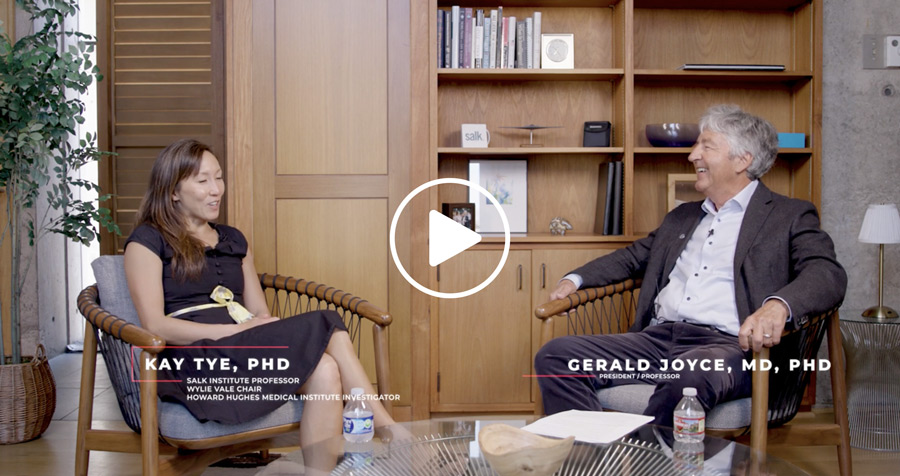
Year of Brain Health: Kay Tye talks FOMO and socialization
Spotlight: Graduate student wins award for science video
In the news: How iron influences healthy aging
Events: Discovery Society exclusive equinox and Symphony at Salk
Inside Salk: Spring issue online now
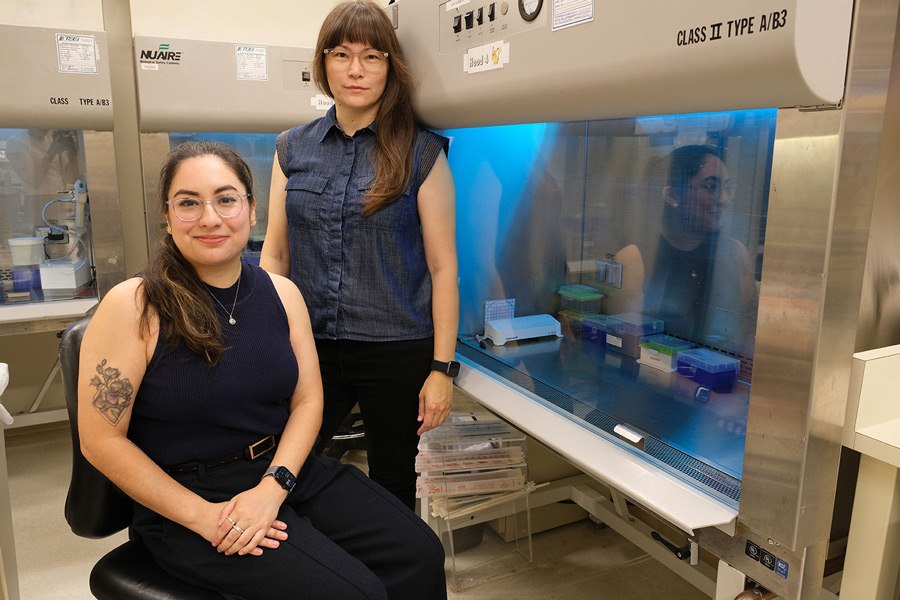
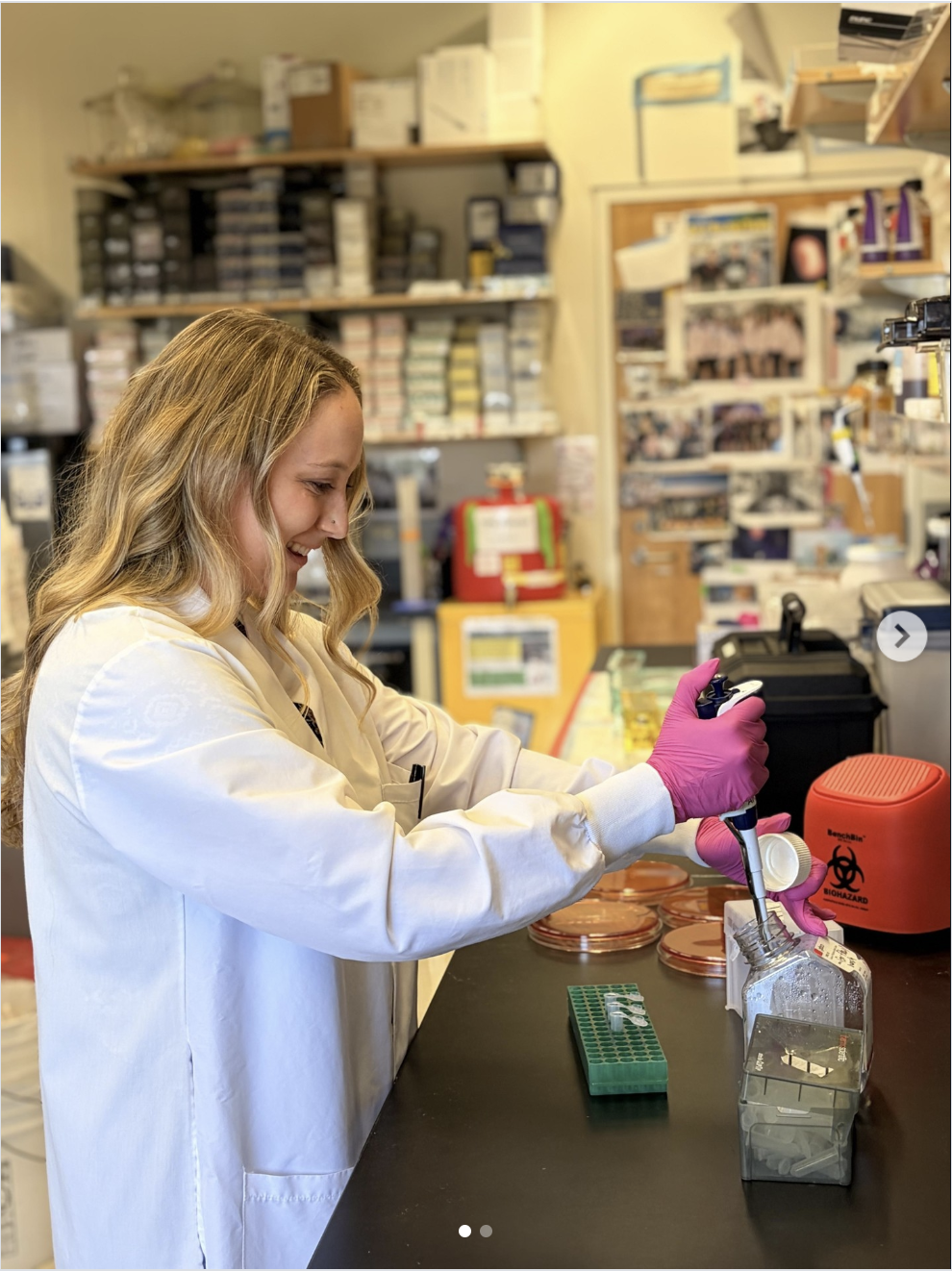
Social media highlight: Postdoc wins Jane Coffin Childs Fellowship
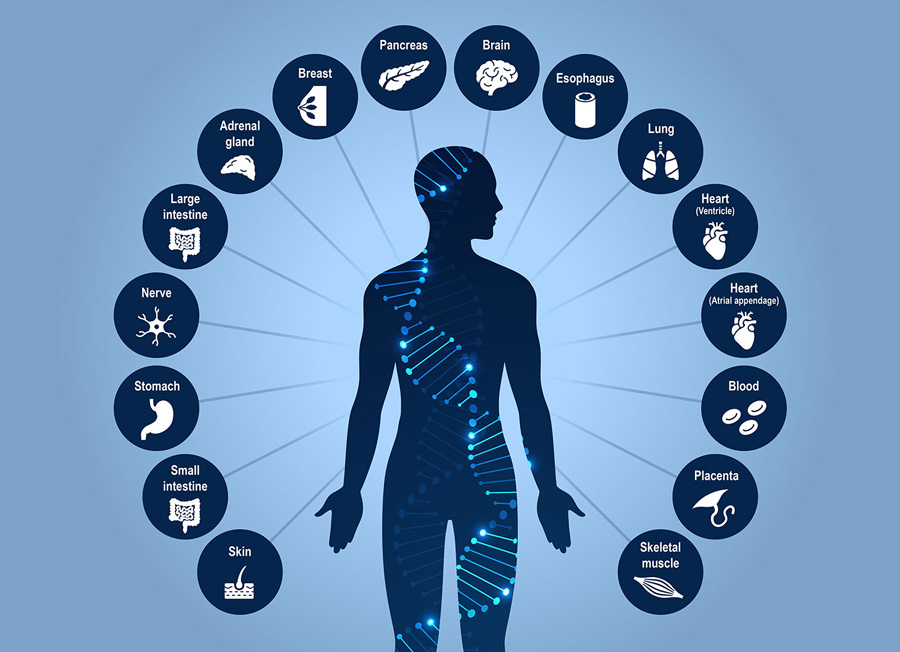
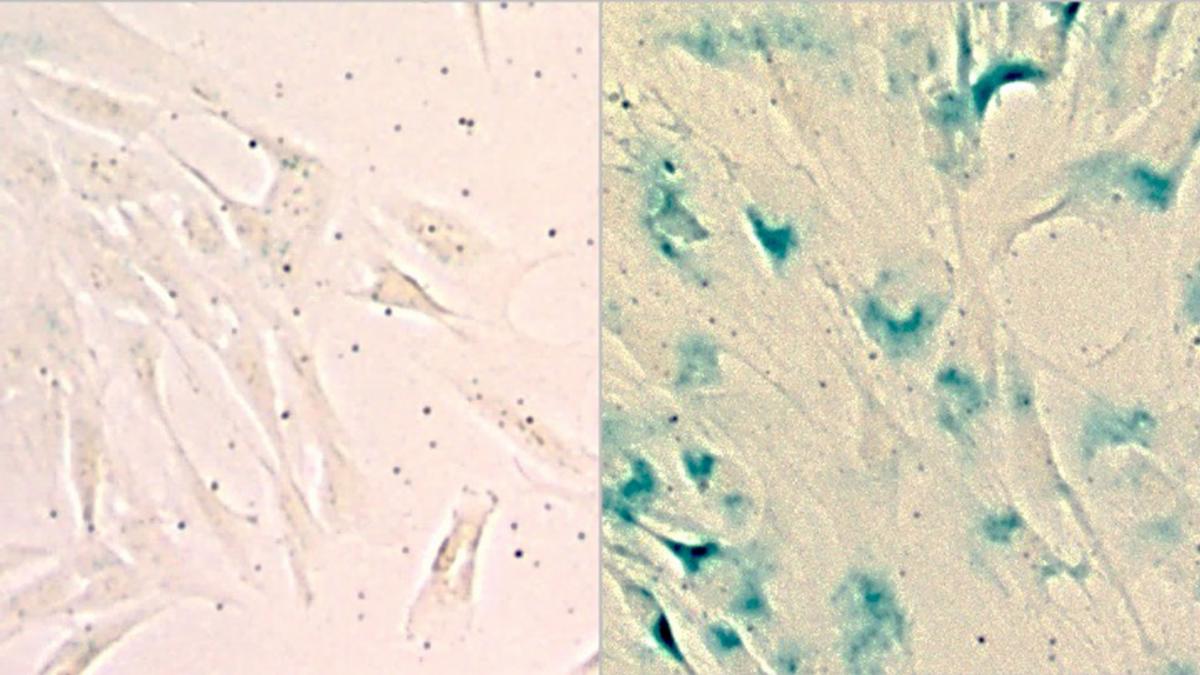
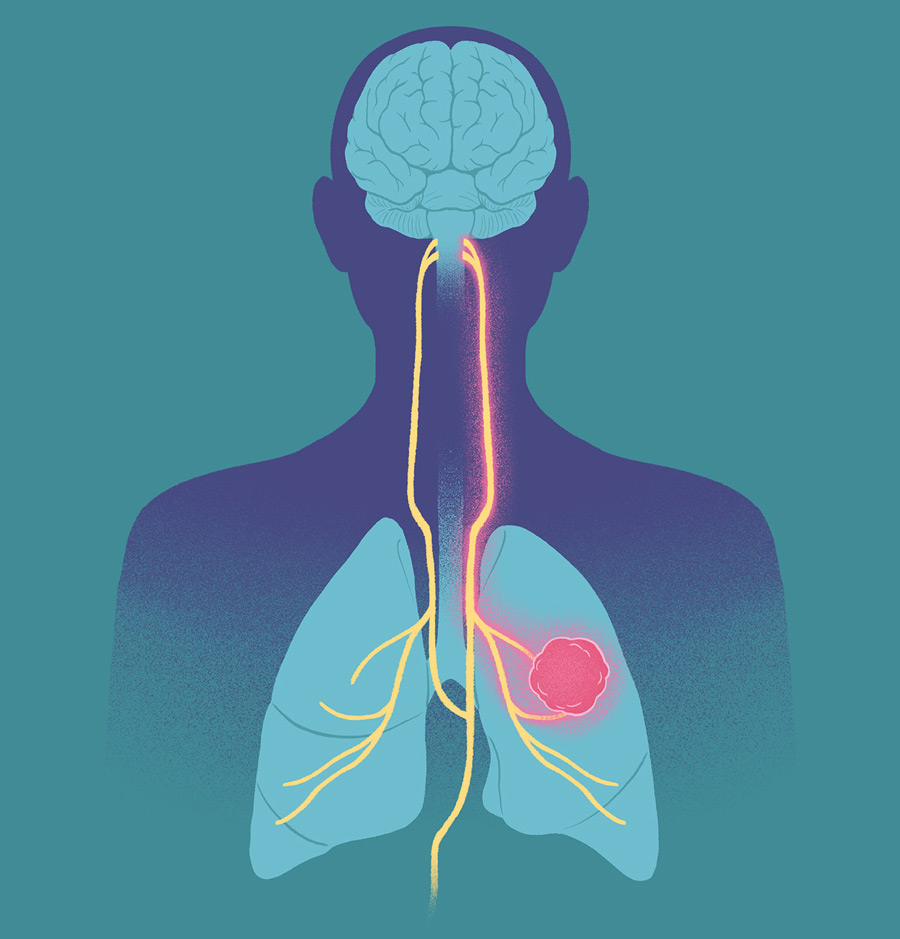
| | Two ways to read a genome: Scientists reveal the first body-wide, single-cell atlas that maps DNA folding and epigenetics together | As a part of ongoing efforts by the NIH 4DN Consortium, Salk researchers and collaborators have now unveiled the first body-wide single-cell atlas of two major epigenetic systems, spanning 86,689 cells from 16 human tissues and revealing 35 major cell types and 206 subtypes. The atlas pinpoints cell types where epigenetic features overlap with genetic risk for conditions including atrial fibrillation, bipolar disorder, schizophrenia, and blood-glucose regulation, helping explain how noncoding DNA variants may contribute to disease. | | Why do we have traveling brain waves? | Your brain has something surprising in common with the ocean: waves! Electrical activity washes over the brain’s surface, creating what are called traveling brain waves. John Reynolds, the same Salk scientist who discovered these waves in the visual systems of awake animals, is now asking a new question: Why do they exist? His review article proposes the waves are a computational engine that allows us to build internal representations of the external world. | | Could this enzyme help remove “zombie” cells from our tissues? | Our population is aging. A new Salk study is looking to ensure that we live not just longer, but healthier. The researchers discovered that increased levels of the enzyme acid ceramidase make senescent "zombie" cells more vulnerable to regulated cell death through ferroptosis, and that they can pass that sensitivity on to neighboring cells. The observations suggest acid ceramidase could be a powerful therapeutic target for supporting healthy aging and preventing age-related diseases and disorders such as arthritis, dementia, and cancer. | | Are lung cancer tumors hijacking the nervous system? | Cachexia, a syndrome marked by unwanted weight loss, sickness, and loss of appetite that accompanies and amplifies chronic illness, affects roughly half of all cancer patients and is responsible for a quarter of all cancer deaths. An incoming Salk professor discovered that some lung cancer tumors can induce cachexia by communicating directly with the brain using a fat-signaling molecule. The findings suggest that tumors affect the peripheral nervous system, and dietary interventions could improve lung cancer patient outcomes. | | Can a personalized disease-in-a-dish improve a pancreatitis patient’s therapeutic path? | |
Chronic pancreatitis, which affects around 3 million people worldwide, is especially difficult to treat because the molecular drivers of the disease vary from patient to patient. New Salk research led by Dannielle Engle, confronts this variability by creating a platform for studying chronic pancreatitis that retains patient-specific disease biology and lights the way to personalized treatments for chronic pancreatitis.
| | |
In this special Beyond Lab Walls video podcast episode—part of Salk’s 2026 Year of Brain Health—Salk President Gerald Joyce sits down with neuroscientist Kay Tye to talk about the brain circuits that drive social behavior, emotion, and the deep human need for connection. The conversation is a window into how foundational science turns familiar advice into real, evidence-based understanding.
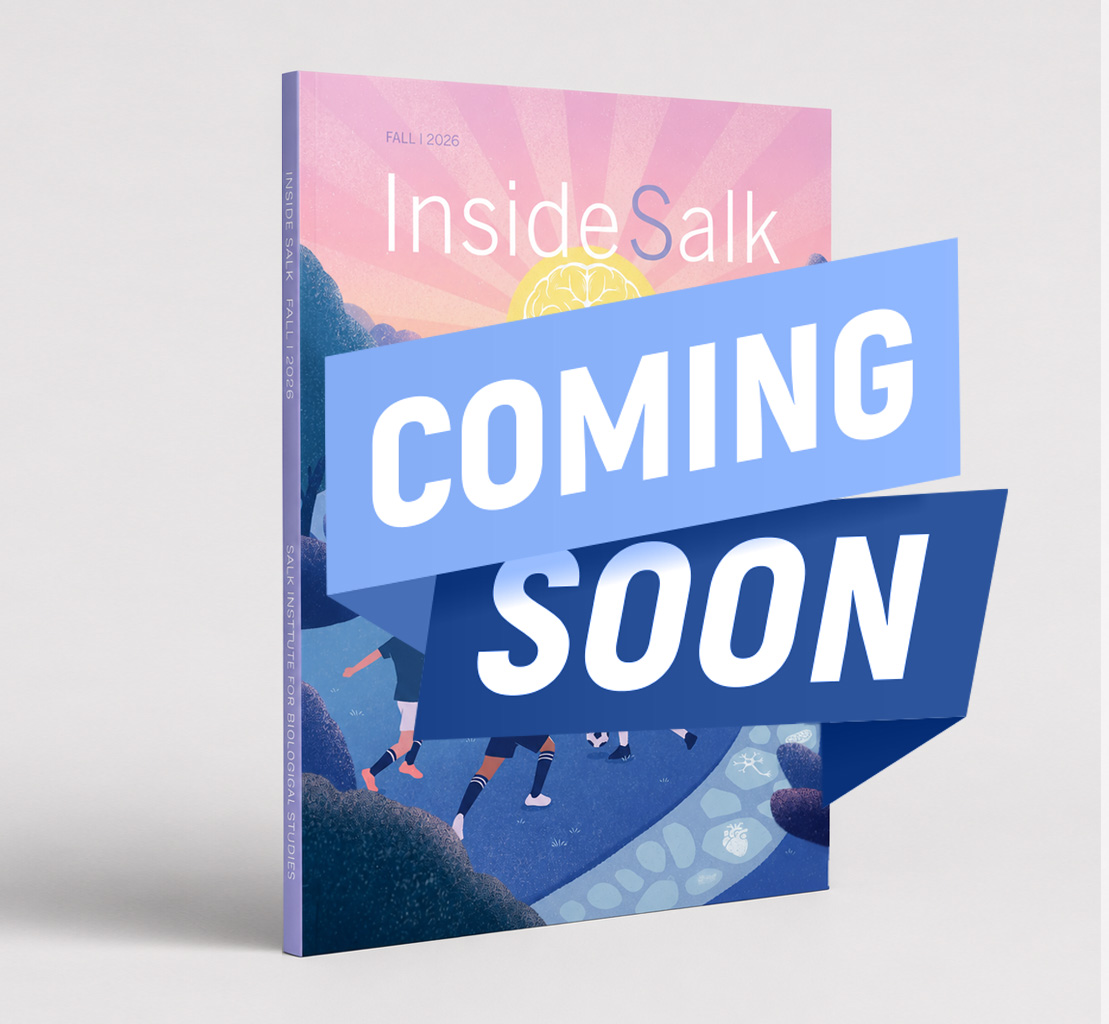
The upcoming fall issue of our magazine, Inside Salk, perpetuates this practical angle on brain health—turning platitudes into practice. The feature article explores how exercise, cardiovascular health, immune health, metabolic health, and mental health converge to support a healthy brain. Sign up here to have a copy mailed straight to your door this August.
| | Salk graduate student researcher wins 2026 Lasker Foundation Video Contest | |
Sai Krishna Bhamidipati, a member of Edward Callaway’s lab, participated in the competition alongside other
early-career scientists and health professionals to make a short video explaining his research and its potential societal benefits. Bhamidipati studies how the brain is wired, with the eventual goal of clarifying how healthy brain circuits are built and what malfunctions in conditions like schizophrenia and autism spectrum.
| | |
The Scientist
Long-term iron buildup weakens brain cell defenses against stress
Features Pam Maher
BBC
When should I eat my evening meal?
Features Emily Manoogian
Science
Single-cell analysis of the epigenome and 3D chromatin architecture in the human retina
Features Jingtian Zhou, Jesse Dixon, and Joseph Ecker
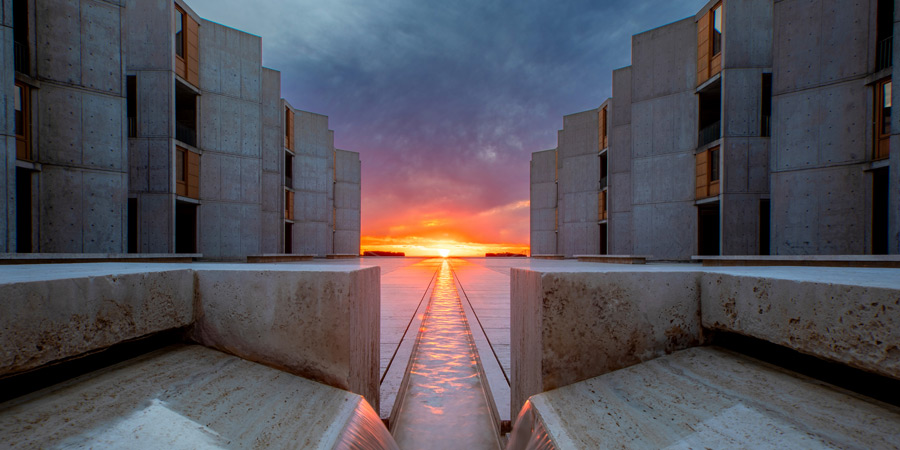
| | Equinox Sunset for Discovery Society | |
The Salk Institute’s Discovery Society honors and celebrates a committed group of individuals who empower Salk’s world-renowned scientists to pursue bold ideas, accelerate discoveries, and inspire solutions that improve lives.
This September, Salk will host the inaugural Equinox Sunset for Discovery Society. Members will gather for an intimate evening at the River of Life as the setting sun aligns with the water feature and the Pacific Ocean, creating one of Salk’s most iconic and breathtaking views—visible only twice a year.
Join the Discovery Society today to get the exclusive invite >>
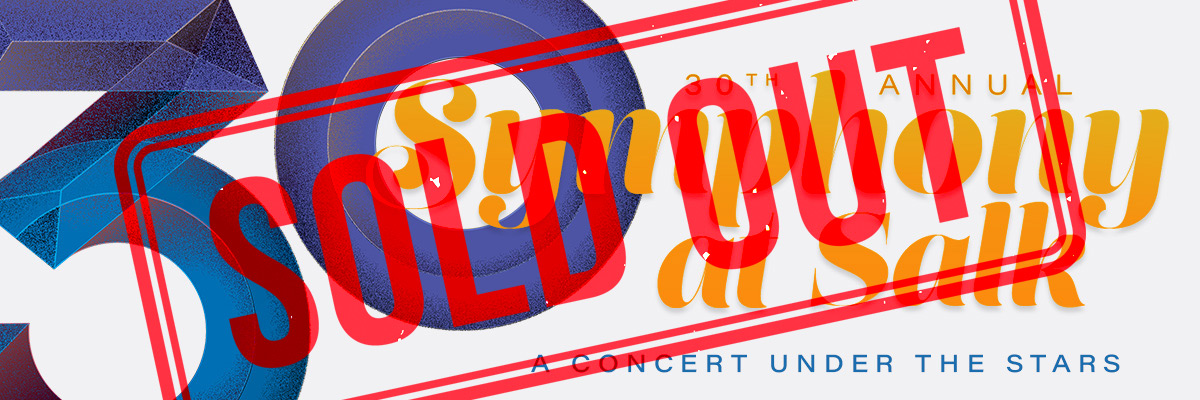
| SOLD OUT: Symphony at Salk | Our 30th annual Symphony at Salk is officially sold out, and we can't wait to see you soon on campus. If you didn’t get tickets this year, save the date for next year’s extraordinary night under the stars on August 14, 2027. Join us for an evening where world-class music meets world-changing science to support Salk’s mission: fueling future solutions for cancer, Alzheimer’s disease, agricultural resilience, and other global challenges. | For questions, please contact Dacia Samilo at dsamilo@salk.edu. | |
About this newsletter
Salk’s email newsletter is published monthly with updates on recent scientific publications, media coverage, awards, grants, events, and other timely information for Salk supporters and science enthusiasts.
| | | | |