-
Listen to Salk’s podcast, Beyond Lab Walls: Tune in tomorrow, October 30, to a special live episode
-
Discoveries: Non-neuronal cells could be shaping brain function more than we realized
-
Spotlight: Salk scientists earn prestigious prizes in neuroscience, plant biology, and circadian rhythms
-
Meet a Salk scientist: Cancer researcher Jesse Dixon shares his funding challenges
-
In the news: Kay Tye explains how bad memories can turn into good ones
-
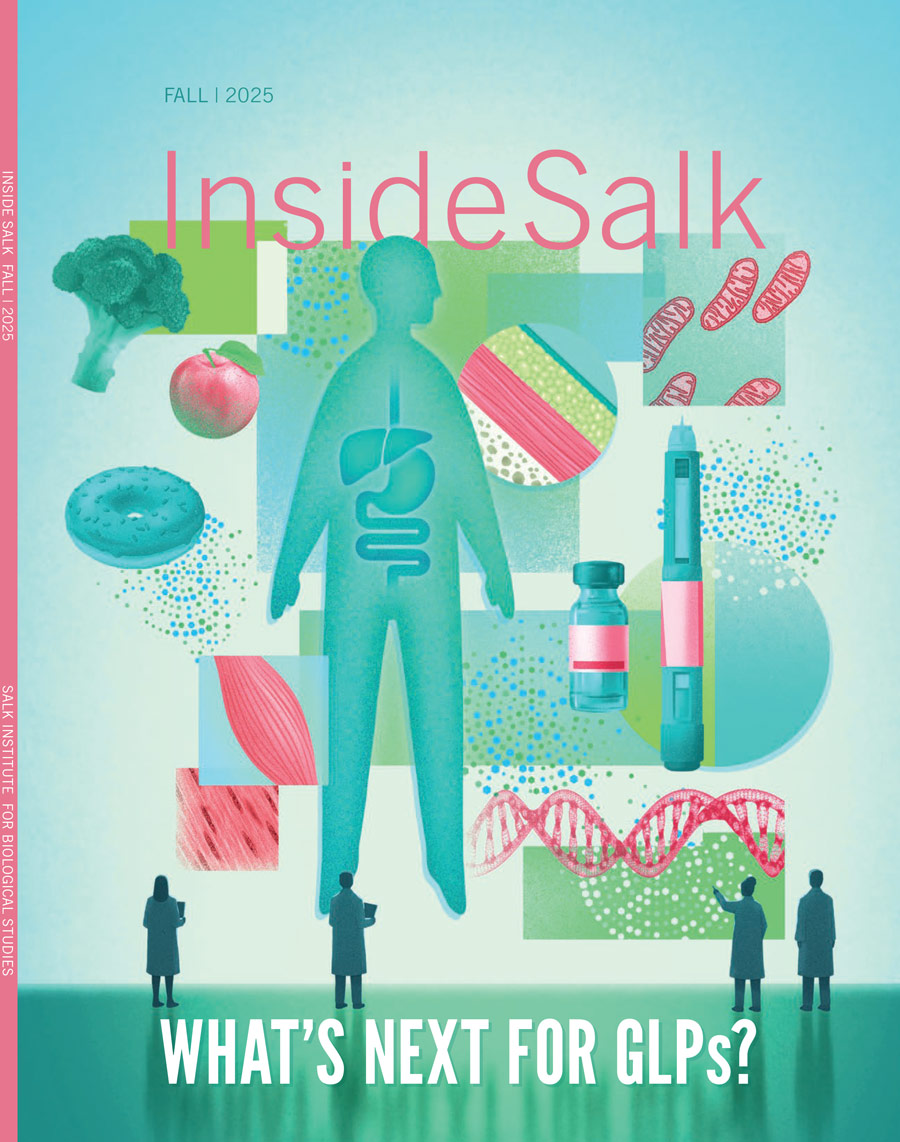
Inside Salk: Find out how Salk scientists are shaping the future of GLP-1 drugs
-
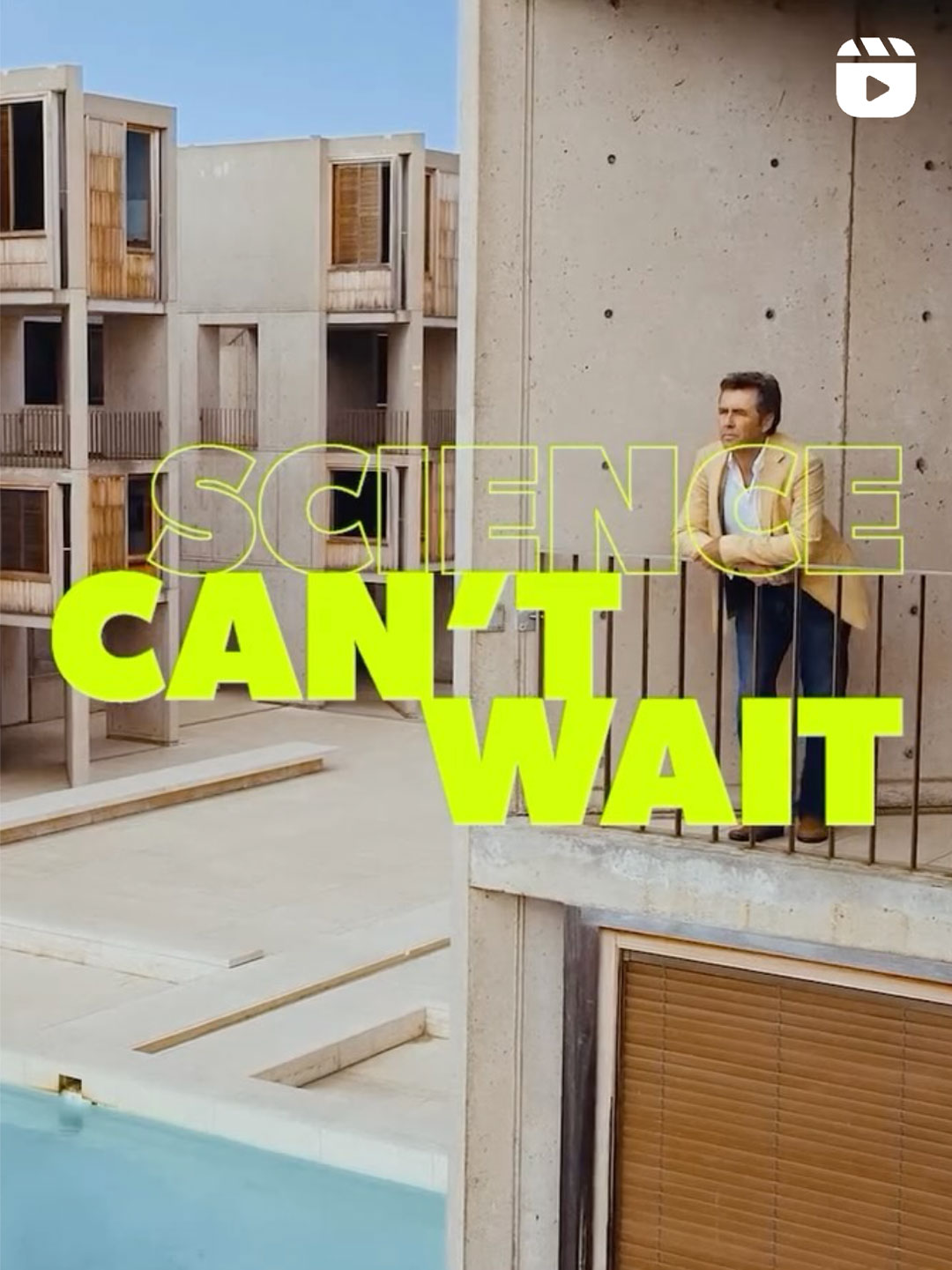
Social media highlight: Science Can’t Wait
| | Salk’s podcast Beyond Lab Walls | | Tomorrow: Special live video episode of Salk’s Beyond Lab Walls podcast | | |
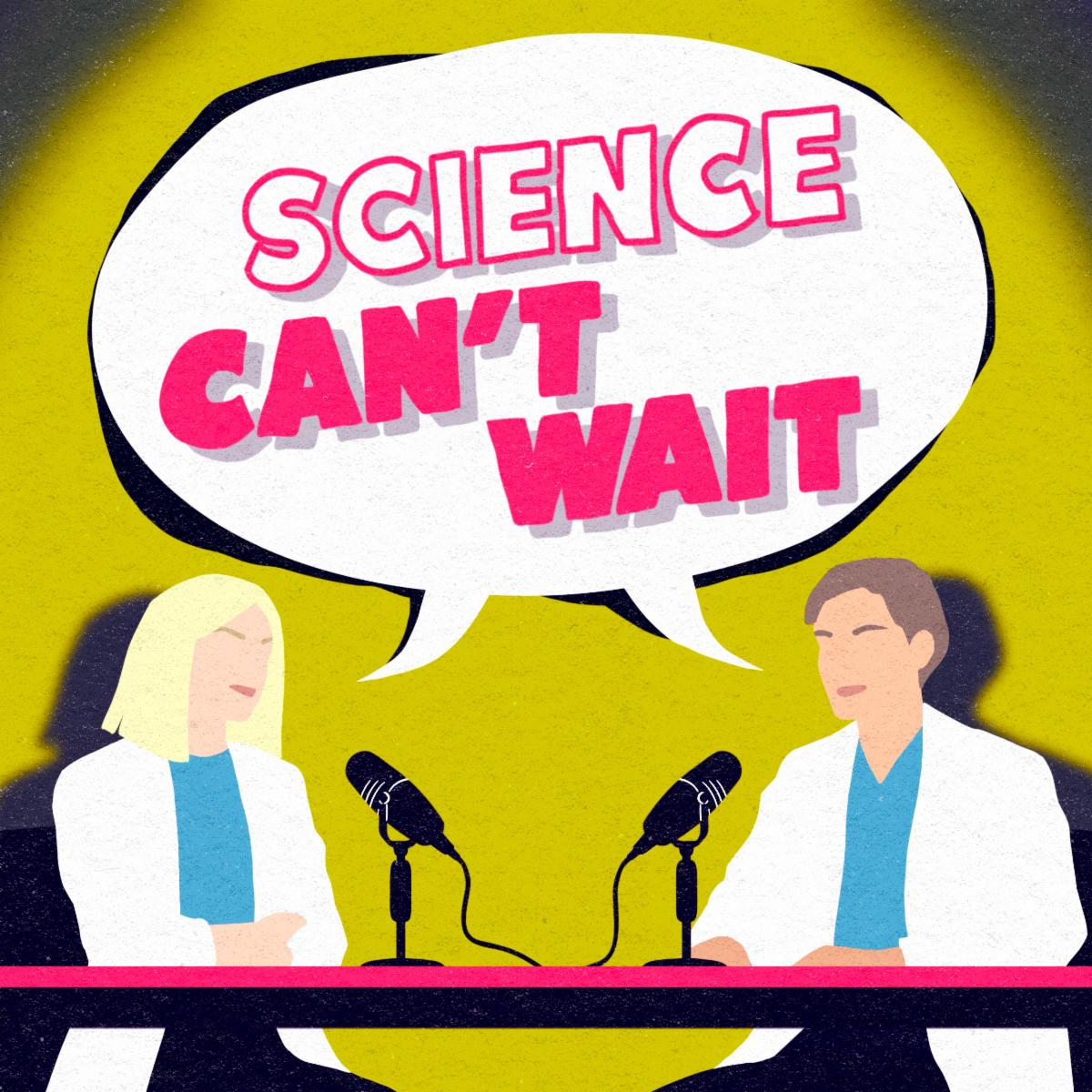
Tune in on October 30 at 9:00 a.m. PT/12:00 p.m. ET for a special live edition of Beyond Lab Walls, where we explore why science can’t wait. Salk’s Vice President of Advancement, Michelle Chamberlain, will host an in-depth conversation with Chief Science Officer Jan Karlseder, PhD, and Chief Financial Officer Marie Carter-Dubois about the urgent importance of foundational research and how it depends on the vital partnership between federal funding and private philanthropy. Discover how current funding challenges are impacting scientific progress and why continued support is essential for breakthroughs that can change the world.
Join us live on our website at www.salk.edu/cant-wait or catch it later on YouTube, Spotify, Apple Podcasts, or wherever you listen to see how the Salk Institute is keeping science moving forward—because life-changing discoveries can’t be put on hold.
| | Genome-informed restoration could save our oceans and coastlines | |
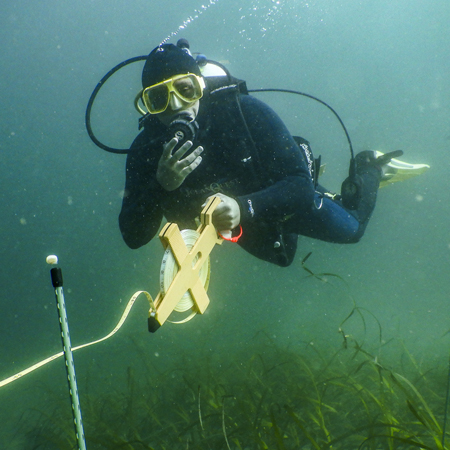
Seagrasses preserve our oceans and planet by offering safe harbor for sea life, calming rough waters, and storing excess carbon dioxide. These many benefits make seagrasses a prime target for coastal restoration efforts. Most of these efforts fail though—leading Salk and UC San Diego researchers to team up and strategize genomically informed restoration practices. Led by Todd Michael, PhD, the team used advanced genomic and transcriptomic technologies to investigate a hybrid seagrass that performs better in low-light conditions. This genomic profile could make the new hybrid seagrass a candidate for future coastal restoration efforts in California and beyond. Read more »
| | How HIV’s shape-shifting protein reveals clues for smarter drug design | |
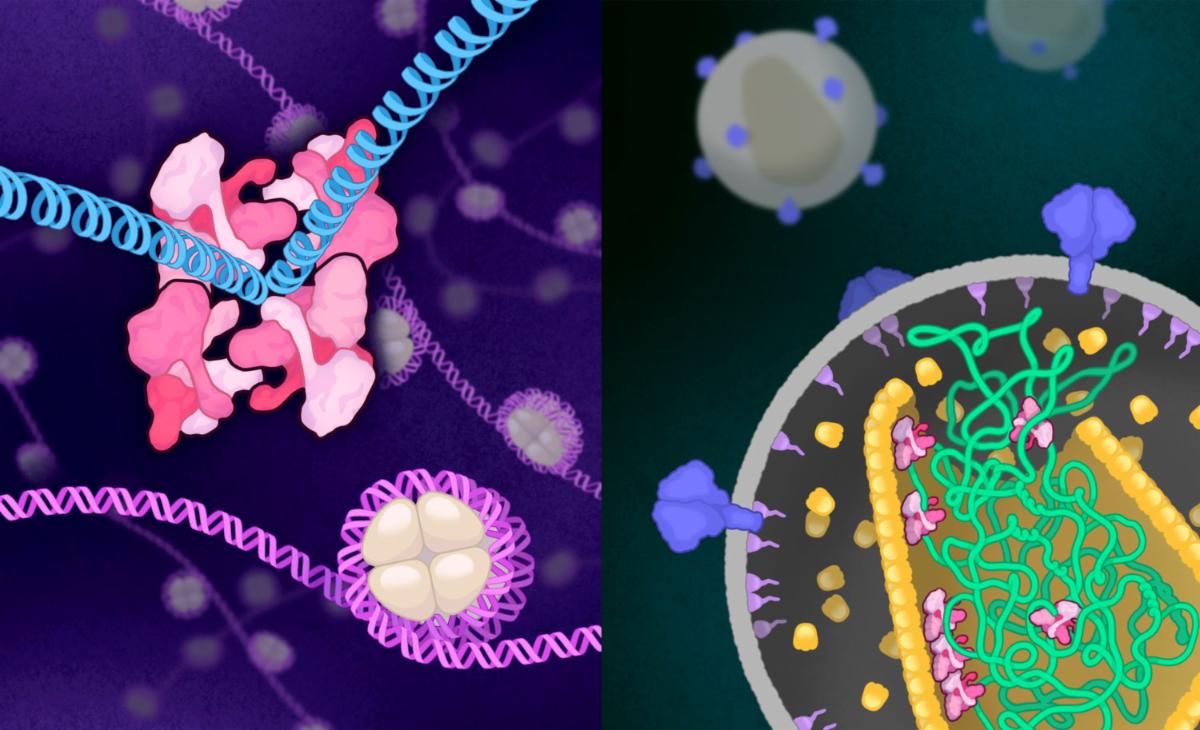
Salk scientists are piecing together the details of HIV replication in search of new treatment avenues for the tens of millions of people living with HIV globally. One of the most promising treatment avenues is disrupting HIV replication by impairing the function of integrase—a flexible protein that incorporates viral genetic material into the human host genome early in the HIV replication cycle, then alters its structure to help HIV again later in replication. Dmitry Lyumkis, PhD, and team captured these important structural changes for the first time, creating novel 3D models of integrase in both roles. Now, scientists can connect the dots between integrase’s form and function to begin developing compounds that could impair distinct functions of integrase and, in turn, better treat people living with HIV. Read more »
See also: bioengineer.org
| How does glial organization compare across brain regions and species? | |
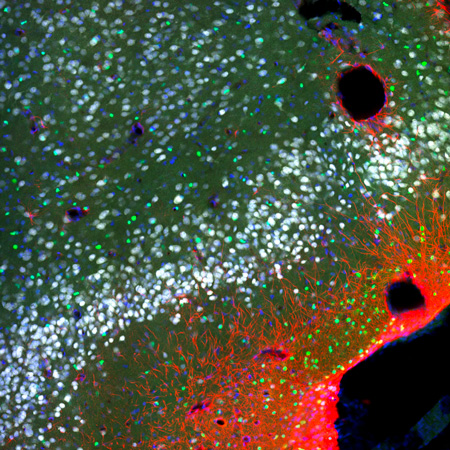
For much of history, glia were viewed as passive support cells, scattered uniformly throughout the brain to help keep neurons alive and healthy. Now, a growing body of evidence suggests that these non-neuronal cells may play a much more active role in supporting the unique functions of each brain area. In their latest study, Terrence Sejnowski, PhD, and team found found that glial organization varies significantly across different brain regions, and that these regional specificities are evolutionarily conserved across mammals. These new insights suggest that glia may have a greater influence on brain circuitry and cognition than was previously appreciated, and could therefore play a major role in neurological disease.
Read more »
| | |
Salk scientist Joseph Ecker awarded McClintock Prize for Plant Genetics and Genome Studies
Awarded by the Maize Genetics Cooperation, a global organization of maize geneticists and breeders, the prize honors “the most outstanding plant scientists working on both genetics and genomics in the present era.”
“For more than four decades, Joe Ecker has pushed the envelope of modern genetics,” says Salk Nonresident Fellow Detlef Weigel, PhD, who received the McClintock Prize in 2019. “The greatest service, however, to plant biology has perhaps been that Joe has leveraged his technical acumen and ingenuity to become a leader in the field of human brain development, by revealing the enormous diversity of brain cell types at both the genetic and epigenetic level—thereby teaching the scientific community at large how important lessons from plant genetics and genomics are for human biology and health.” Read more »
| | |
Salk scientist Terrence Sejnowski receives 2025 NIH Director’s Pioneer Award
The prestigious award is given by the National Institutes of Health (NIH) to scientists proposing exceptionally creative high-risk, high-reward research. Sejnowski will get $3.5 million over the next five years to support his lab’s latest project, which will use advanced computational techniques to analyze and model the neural circuit dynamics of working memory. The findings will help neuroscientists better understand and treat memory issues in mental disorders such as schizophrenia, traumatic brain injury (TBI), and post-traumatic stress disorder (PTSD). Read more »
| | |
Salk scientist Emily Manoogian named 2025 STAT Wunderkind
Each year, STAT recognizes inspiring scientists who are blazing new trails and answering some of the biggest questions in science and medicine. Manoogian is a staff scientist in the lab of Satchin Panda, PhD, where she studies time-restricted eating, circadian rhythms, metabolic diseases, and cancer. Read more »
| | |
Science Can't Wait: Life-changing discoveries depend on both federal funding and private philanthropy
Our faculty are sharing their stories and what makes science urgent to them as part of our Science Can’t Wait campaign. This video features Jesse Dixon, MD, PhD, an associate professor and holder of the Helen McLoraine Developmental Chair at Salk, who explores how abnormal genome folding can cause disease. Watch video »
| “The NIH is the largest funder of biomedical research in the country by no small measure,” says Dixon. “So, if you're really reducing this dramatically, that's going to be fewer projects, fewer discoveries. Ultimately, that's what leads to new ideas in terms of therapeutics, new drugs, new treatment strategies.” Learn more about Science Can't Wait » |
| |
Nature
How to get the best night’s sleep: what the science says
Features Emily Manoogian
STAT News
Autoimmune responses found in ALS, pointing to a new way to view the deadly disease
Features Samuel Pfaff
Inc.
Neuroscience says this is how you can turn a bad memory into a good (and useful) memory
Features Kay Tye
San Diego Union-Tribune
New Innovators Award winner works to answer maternal immunity questions
Features Deepshika Ramanan
National Foundation for Cancer Research
5 things to know about Dr. Tony Hunter
Features Tony Hunter
Quanta Magazine
Loops of DNA equipped ancient life to become complex
Features Tessa Popay
The Microbiologist
Biologist links stable gut bacteria to healthy childhood growth
Features Todd Michael
San Diego Magazine
Why San Diego is one of the best cities for healthy aging & longevity
Features Satchin Panda
| | |
Check out the fall 2025 edition of Inside Salk to see how our scientists are shaping the future of GLP-1 drugs. Beyond this exciting feature, you’ll find interviews with esteemed faculty and rising-star researchers, highlights of Salk’s latest scientific discoveries, and stories that emphasize the importance of empowering the next generation of scientists—and their teachers. Join our mailing list to receive a hard copy, or read the fall issue (and our past issues!) online now.
| | |
This month, we launched our Science Can’t Wait campaign. At the beginning of every clinical breakthrough is a scientific question—a moment of curiosity that long precedes the cure. At Salk, we’re asking the foundational questions that move science and society forward. With federal funding in limbo, ideas stall and discoveries are delayed. But Salk isn’t standing still, because science can’t wait.
Be sure to follow us on all social platforms to get the latest updates on #ScienceCantWait.
See Instagram post »
| | Your support keeps discovery alive. Donate today. | |
About this newsletter
Salk’s email newsletter is published monthly with updates on recent scientific publications, media coverage, awards, grants, events, and other timely information for Salk supporters and science enthusiasts.
| | | | |