October 2026

Newsletter

Can't see this email properly? Open it in your browser.

In this newsletter

Discovery Society: Join or renew and receive a Salk calendar

Discoveries: How plants fight and why exercise is good for us

Spotlight: And the 2026 Albany Prize goes to …

In the news: Fear responses, immune defenses, and cancer clues

Trailblazers in Science: Uplifting emerging scientists

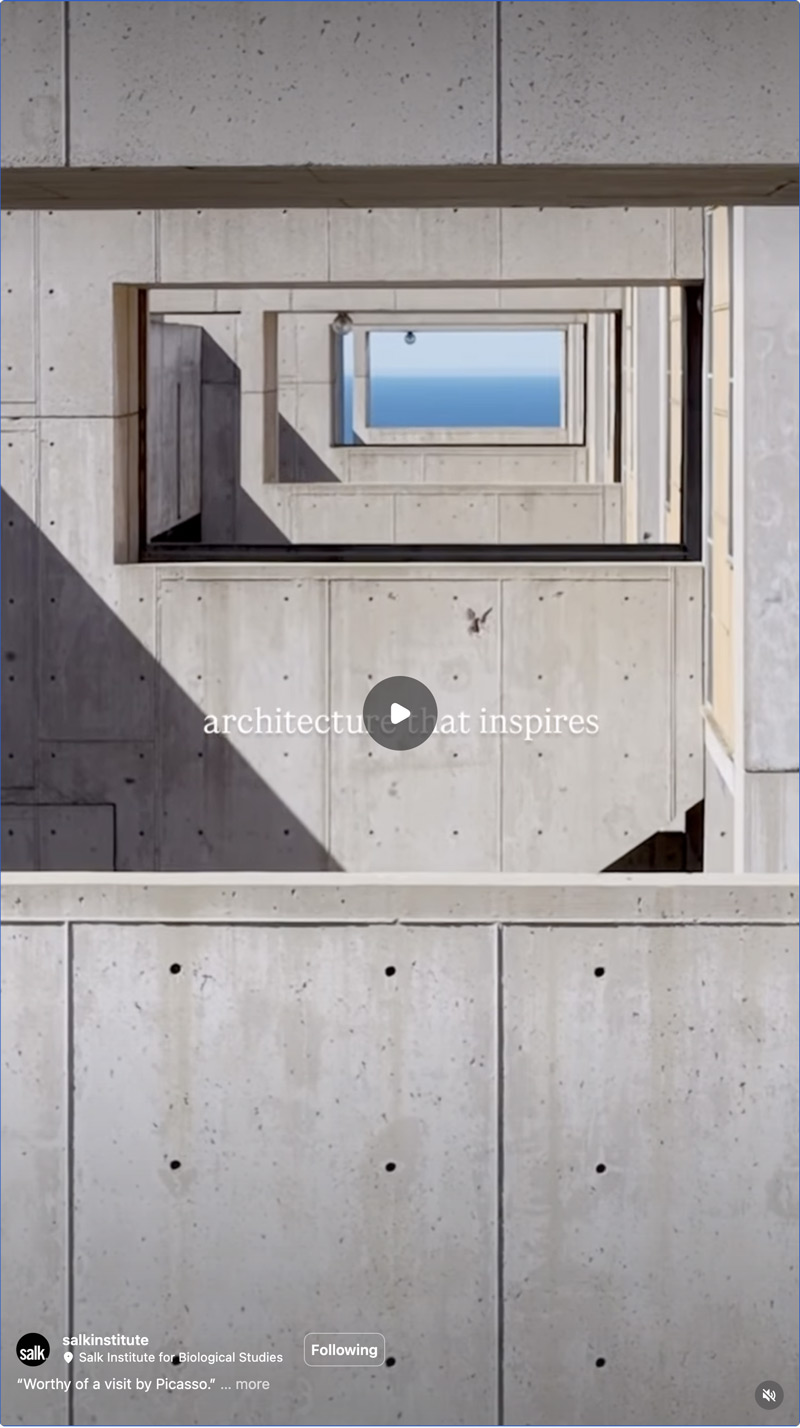
Social media highlight: Architecture that inspires

An engineer walks into a Salk neuroscience lab

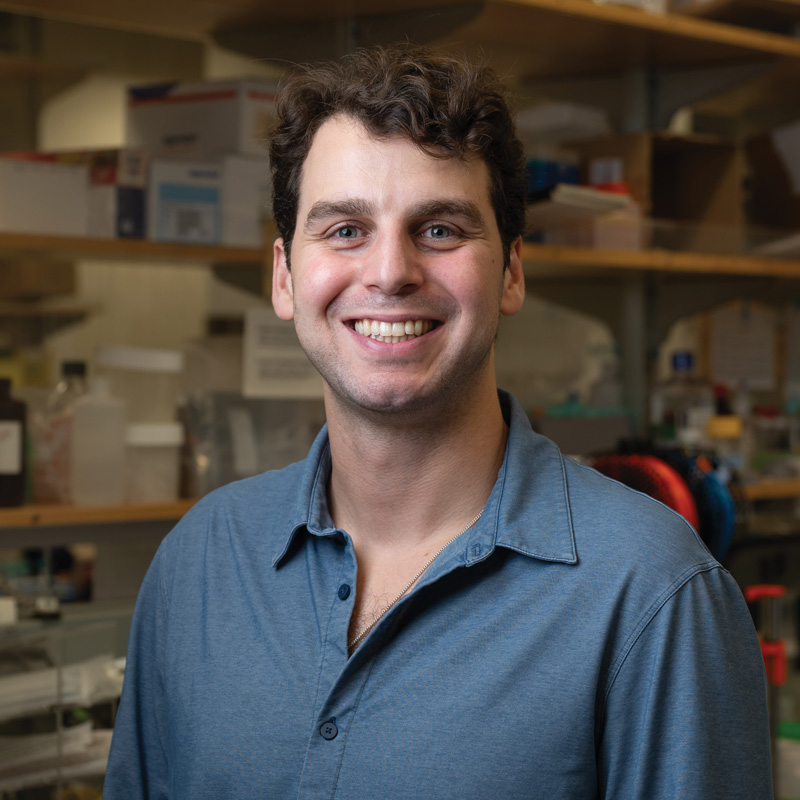
A few years ago, engineer and postdoctoral trainee Adam Farsheed walked into neuroscientist Rusty Gage’s lab at Salk. There, a team is pioneering a remarkable tool called brain organoids. These organoids are small clusters of living human brain cells that act like laboratory stand-ins for the real deal. 

With his unique perspective, Farsheed has developed a way to grow bigger organoids and is forging a path to future organoids that include functional blood vessels. Better models can help scientists answer new questions, like how inflammation influences Alzheimer’s, how exercise promotes new neuron growth, and why only some people experience neurodegeneration.


Farsheed’s work contributes to Salk’s Year of Brain Health, our 2026 initiative to understand what keeps the mind sharp across a lifetime. As this year comes to a close, you can help support what comes next—the foundational discoveries that open the door to dozens of questions, the answers to which lead us toward a better tomorrow for our children and grandchildren.

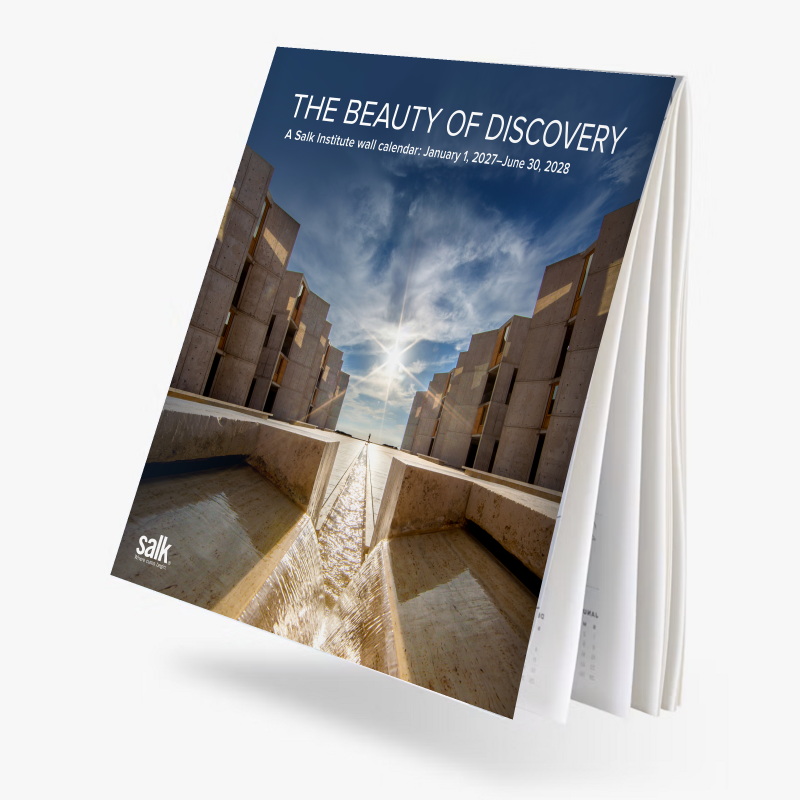
Join Salk's Discovery Society or renew your membership by December 31 and receive a beautiful 2027 Salk wall calendar (while supplies last). Members of this loyalty giving community support life-changing science while receiving exclusive benefits year-round, including early access to discovery news, VIP tours, and invitations to members-only events. 

Join or renew membership today Â»

Subscribe to Inside Salk magazine for more stories like Farsheed’s Â»

Discoveries

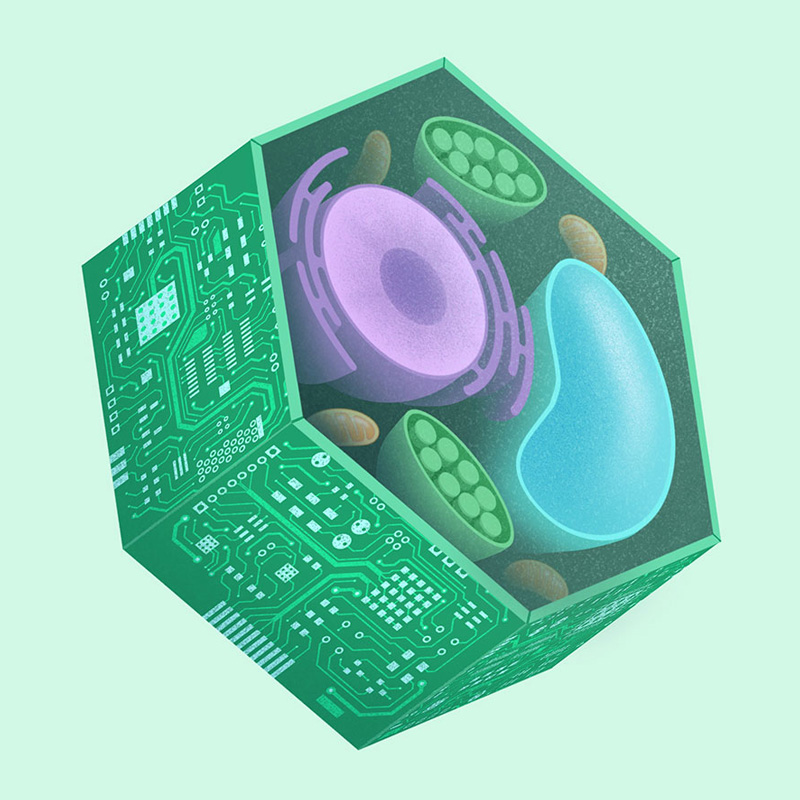
Plant cell receptor balances signals from food and foe

Energy production in our cells, oxygen traveling in our blood, and immune cells fighting infection all depend on iron, an essential mineral that enters the food chain when plants absorb it from soil. It’s crucial that plants keep healthy iron stores, and new Salk research reveals one way they do that: a dual-purpose protein called SRF3 that helps plants defend against iron-scavenging microbes and then restores iron balance after the costly immune response. 


This study provides insights into plant resilience that could shape future agricultural efforts to feed a growing global population with nutritious crops.

Learn about other plant biology news at Salk Â»

Exercise is good for us—but why?

To understand what goes wrong in the body, scientists must first know what right looks like. Salk researchers are building a scientific reference, piece by piece, for what makes a body healthy. Their latest effort maps how exercise reshapes the body at the molecular level, examining responses across organs, cell types, sexes, and circadian phases in mice. 


The result is a first-of-its-kind molecular atlas that gives scientists a starting point to explore how tissues adapt to exercise, what personalized exercise strategies might look like, and which molecules and pathways to investigate next.

Learn about other metabolism news at Salk Â»

Spotlight

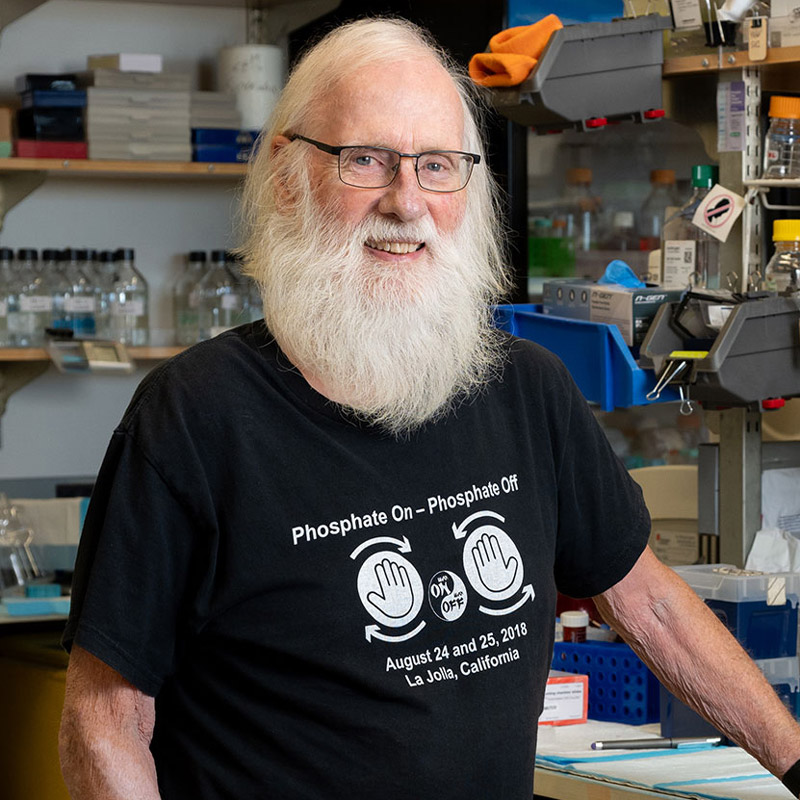
Tony Hunter awarded 2026 Albany Prize

The Albany Prize in Medicine and Biomedical Research, one of the largest and most prestigious science awards in the world, was awarded to Hunter for his identification of a molecular switch known as tyrosine phosphorylation, which has been targeted to create more than 100 cancer drugs. He shares the prize with UC Los Angeles oncologist Dennis Slamon, as together their cancer biology discoveries have saved millions of lives worldwide.

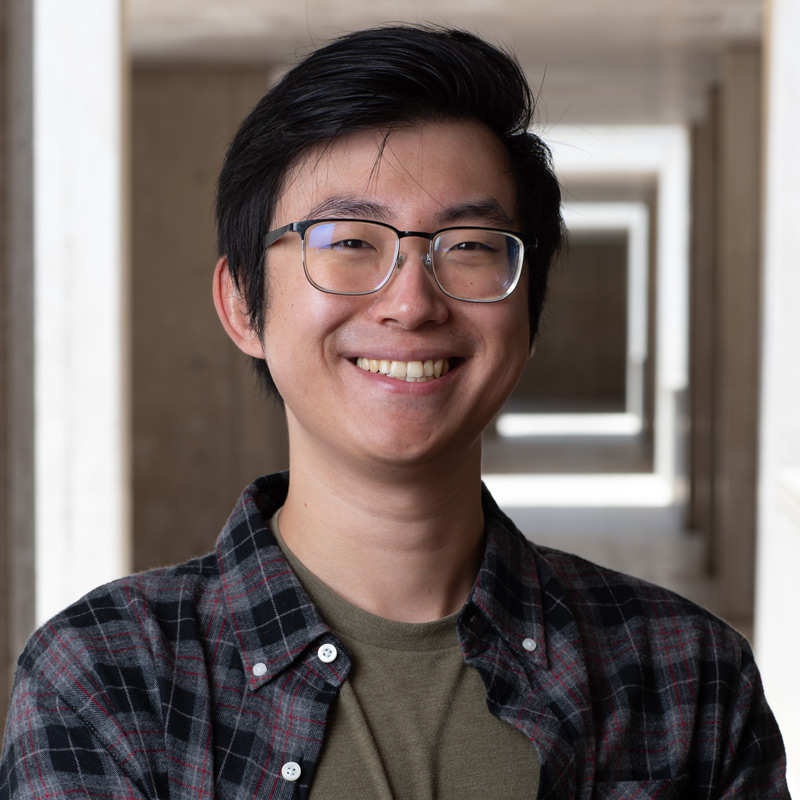
Graduate student earns AGBT Next Gen Leadership Award

The Advances in Genome Biology and Technology (AGBT) Precision Health Next Gen Leadership Awards recognize “outstanding scientists whose research is advancing the understanding of human disease and exploring new applications of genomics, multi-omics, data science, and artificial intelligence in precision medicine.” Salk graduate student Han Chen was honored as a 2026 awardee for his work in Graham McVicker’s lab, where he uses AI to study the underlying genetics of neuroblastoma.


In the news

KPBS

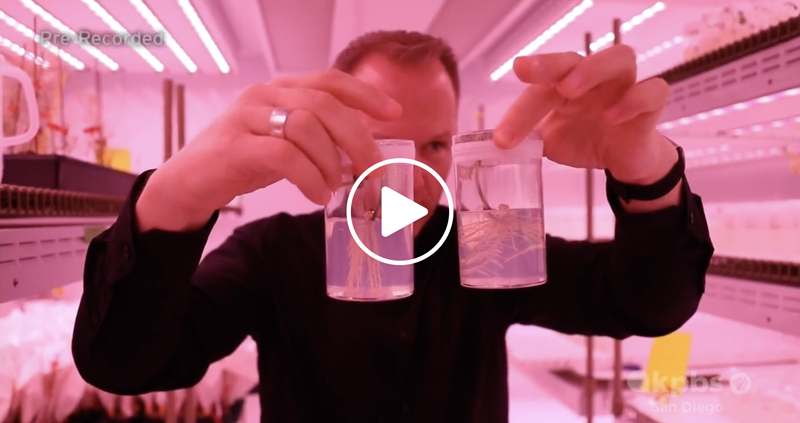
A new AI tool may speed up plants’ dirty solution to cleaner air

Features Wolfgang Busch

FOX 5 San Diego

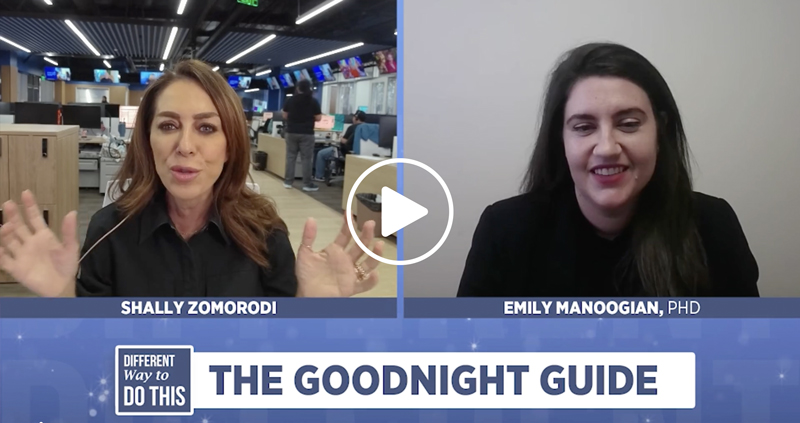
Getting a good night’s sleep

Features Emily Manoogian


Quanta

Surprisingly complex waves reveal the brain’s inner workings

Features John Reynolds

PsyPost

Scientists identify an overlooked brain region that sustains fear responses

Features Kay Tye

Health Medicine Network

How disease tolerance research points to treatments that limit infection damage instead of killing microbes

Features Janelle Ayres

Earth.com

An immune signal that fights cancer can switch sides and help tumors grow

Features Gerald Shadel


Events

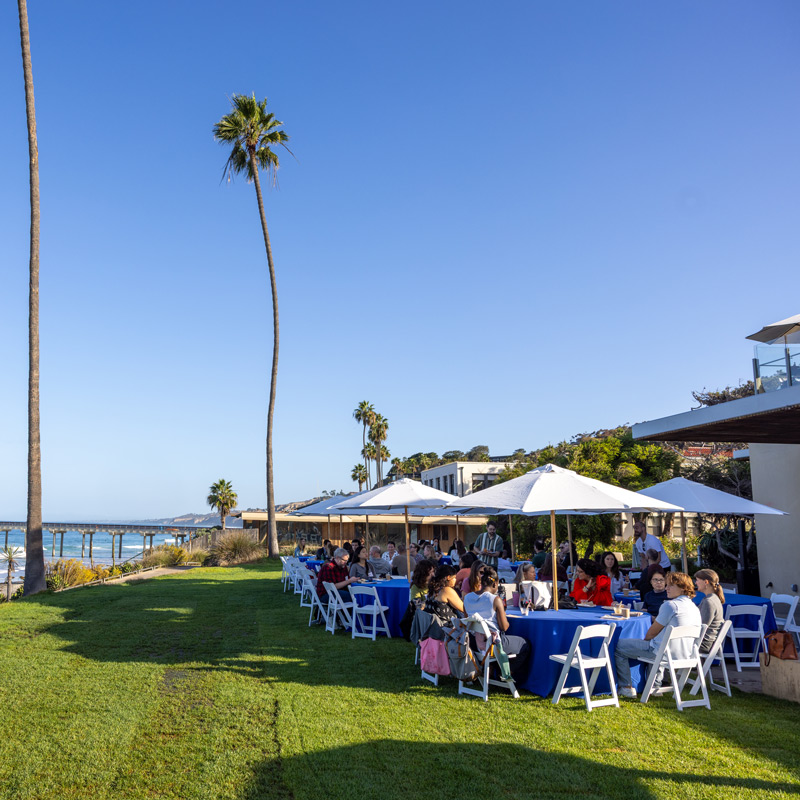
October 13: Science at the Seaside Symposium

Salk Science at the Seaside celebrated 15 years earlier this month, bringing our community together to share discoveries, swap ideas, and connect beyond the lab. From research talks and poster sessions to faculty science improv and an alumni mixer, the day offered plenty of ways to learn from one another.

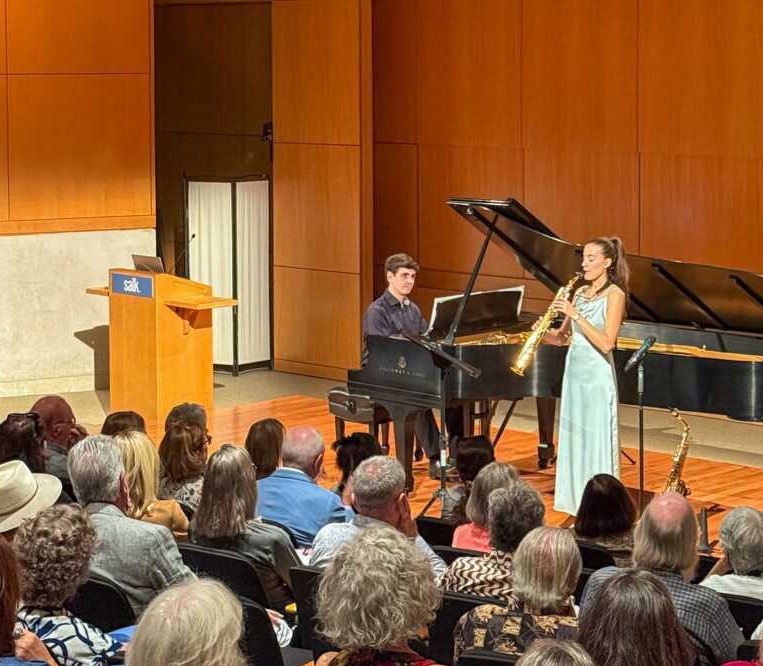
October 18: Joan Jacobs Science & Music Series

The beloved series returned for another evening that paired research with live performance. Salk bioengineer Christian Metallo shared his lab's work on metabolism—a part of Salk's Year of Brain Health—and guests heard a musical performance from classical saxophonist Estel Vivó Casanovas and pianist and composer Andreu Diport. Email Dacia Samilo at dsamilo@salk.edu for information on how you can attend the next Science & Music event.

Trailblazers in Science

Salk's Trailblazers in Science program ensures that emerging researchers have the support, community, and opportunity to become the leaders who will advance science in service to humanity.

Social media highlight

"Worthy of a visit by Picasso."


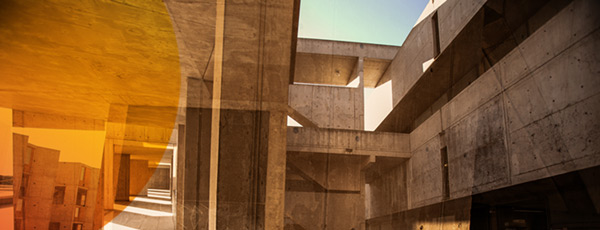
That was Jonas Salk's vision when he asked renowned architect Louis Kahn to design the Salk Institute in 1960. He wanted more than a fully functioning scientific research facility. He wanted a place that would inspire creativity, collaboration, and discovery.


The result is one of the world's most iconic works of modern architecture.


Designed for natural light: Floor-to-ceiling windows and massive light wells bring sunlight into laboratories, even those below ground.


Built for discovery: Spacious, flexible laboratories were designed to evolve alongside science.


A view to inspire: Two mirror-image buildings frame a stunning travertine courtyard overlooking the Pacific Ocean.


More than 65 years later, Salk and Kahn's shared vision lives on in a place where art, architecture, and science come together to inspire discoveries that benefit humanity.

Facebook | BlueSky | Twitter/X | Instagram | LinkedIn | YouTube

Explore more

Healthy Aging | Biochemistry and Biophysics | Cancer | Computational Biology | Immunobiology | Metabolism | Neuroscience | Plant Biology


Contact us

The Salk Institute for Biological Studies

10010 N Torrey Pines Rd

La Jolla, CA 92037

USA


Phone: (858) 453-4100

Email: communications@salk.edu

Media inquiries: press@salk.edu

Website: www.salk.edu

About this newsletter
Salk’s email newsletter is published monthly with updates on recent scientific publications, media coverage, awards, grants, events, and other timely information for Salk supporters and science enthusiasts.
 

Follow us and engage!

 
Facebook  X  Instagram  Linkedin  Youtube