|
Dear Friends,
At Salk, life-changing discoveries like those you’ll read about in this newsletter—advances in pancreatic cancer, childhood malnutrition, and crop resilience—are only possible because of the combined power of public funding and private generosity. In this time of federal budget uncertainty, philanthropy is more important than ever.
That’s why I’m honored to introduce our new Discovery Society, a community of dedicated supporters who help our scientists pursue bold ideas, accelerate breakthroughs, and create solutions that improve our lives. We hope you’ll join us in this effort and become part of this exclusive group.
With appreciation,
| |
Gerald Joyce
Salk Institute President
| | How does the brain differentiate painful from non-painful touch? | | |
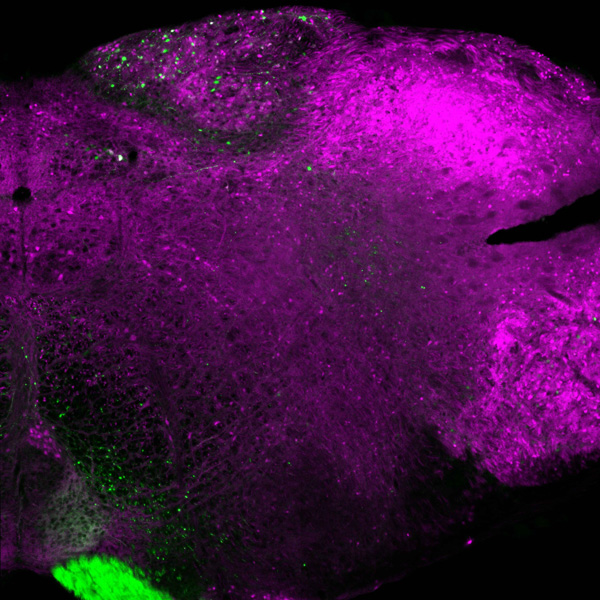
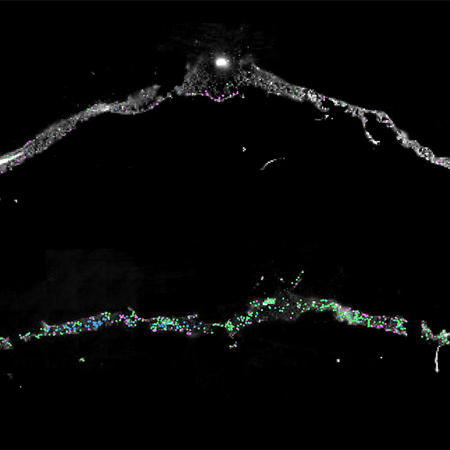
After nine months in the womb, humans enter a world filled with texture and shape and must quickly learn to recognize and respond to the outside world. But 7 to 10 percent of the global population develops mechanical allodynia, a form of chronic pain where innocuous light touch is perceived as painful. Salk neuroscientists led by Martyn Goulding, PhD, published a study in Cell Reports showing that altered neuronal activity in a brain area called the dorsal column nuclei drives mechanical allodynia. This new understanding of how the brain processes and encodes pain is a crucial first step toward designing acute and chronic pain therapeutics. Read more »
| | Could boosting this molecule slow pancreatic cancer progression? | |
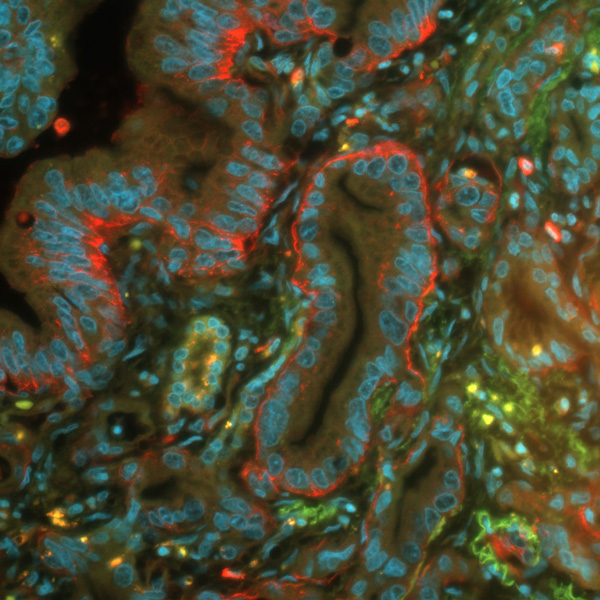
Pancreatic cancer has the highest mortality rate of all major cancers, and its incidence is climbing. Dannielle Engle, PhD, Salk colleagues, and UC San Diego collaborators teamed up in a new Journal of Clinical Investigation study to look for new ways to fight the deadly cancer. They identified a unique sugar called HSAT as a potential therapeutic target for slowing tumor progression and metastasis. What’s more, HSAT was detected in cancer patients’ plasma—suggesting it could also serve as a biomarker to help catch and track pancreatic cancer. Read more »
| | Can a healthy gut microbiome help prevent childhood stunting? | |
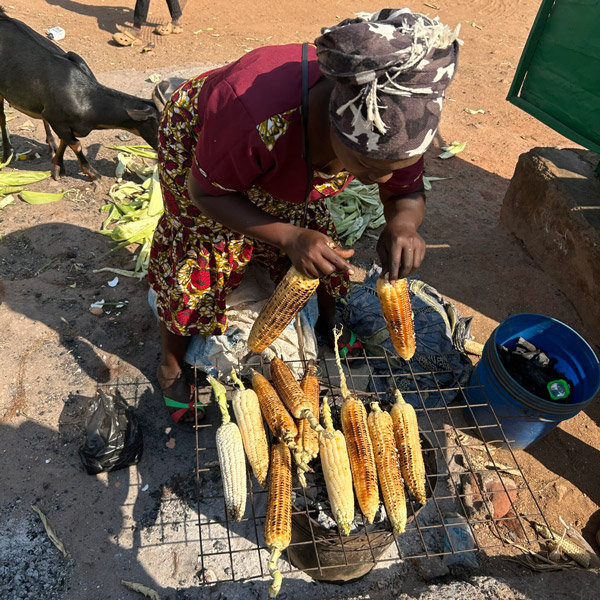
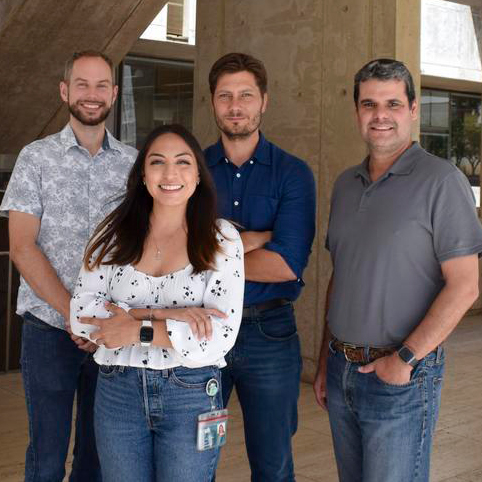
Todd Michael, PhD, Salk colleagues, and collaborators at WashU and UC San Diego collected microbiome samples from malnourished children in Malawi. They found that children whose gut microbial population changed more over time tended to have poorer growth, suggesting that microbiome stability may be an important sign of good gut health. The researchers also established the first-ever pediatric undernutrition microbial genome catalog—containing nearly 1,000 microbes, dozens of which are entirely novel. Published in Cell, the findings and catalog pave the way for new diagnostic and preventive solutions for undernourished children around the globe. Read more »
| | All DRII-ed up: How do plants recover after drought? | | |
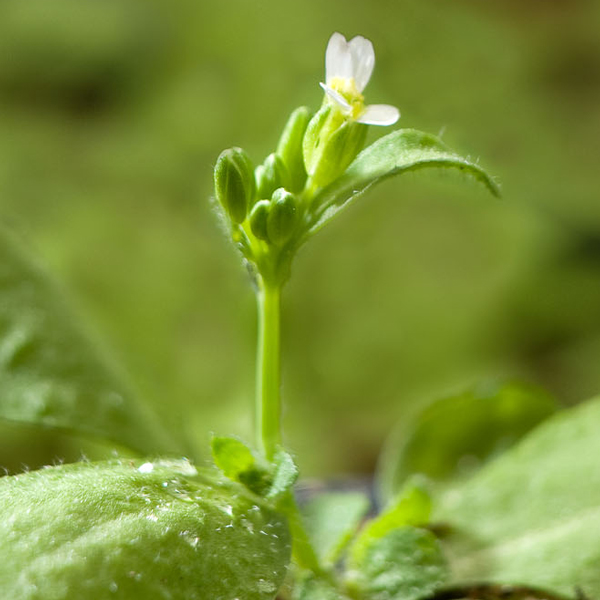
New research from Joseph Ecker, PhD, and team explores how plants protect themselves during the vulnerable post-drought recovery period. They found Arabidopsis thaliana and tomato plants launch a supercharged immune response to protect against pathogens, which the team dubbed “Drought Recovery-Induced Immunity” (DRII). The findings, published in Nature Communications, plant the seed for growing more resilient crops and protecting the global food supply in years to come. Read more »
| | Leveraging microproteins to treat obesity, aging, and mitochondrial disorders | | |
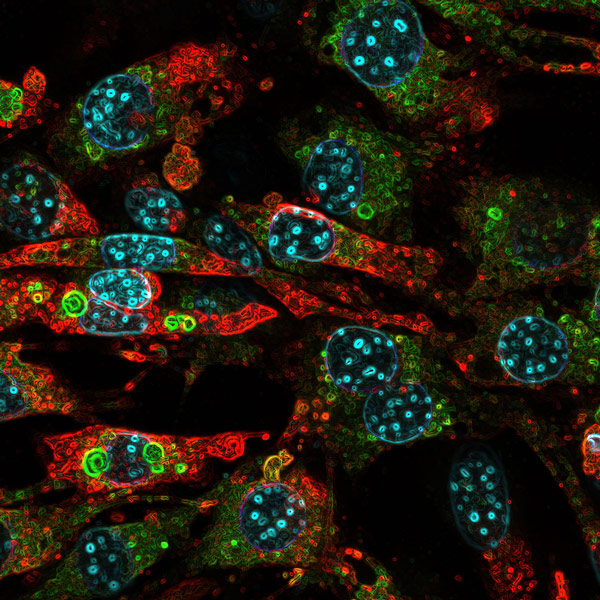
What’s next for metabolic therapeutics? Alan Saghatelian, PhD, and team think it might be microproteins—small proteins that have been difficult to find and, consequently, underestimated for their role in health and disease. Their latest study explores the role of a microprotein that their lab discovered last year, called SLC35A4-MP, finding that it upholds mitochondrial structure and regulates mitochondrial stress in mouse brown fat cells. The Science Advances study showcases the functional importance of microproteins in cellular biology, metabolism, and stress, and lights the way to future microprotein-based treatments. Read more »
| | Bursting HIV’s bubble: A new workflow to study HIV-1 genome-containing capsids | | |
While 40M+ people live with HIV globally, there is still no cure. Finding that cure depends on the answers to foundational questions like, How does HIV invade and replicate in host cells? A new study in ACS Nano from Dmitry Lyumkis, PhD, and team is helping build that foundation by improving laboratory workflows for characterizing HIV-1 capsids. Improved research techniques mean improved understanding of capsids and improved ability to target those capsids to treat HIV-1. Read more »
| | How do plants coordinate flowering with light and temperature conditions? | | |
Researchers led by Joanne Chory, PhD, discovered a genetic mechanism for how plants integrate light and temperature information to control their flowering. The findings, published in Nature Communications, will help plant biologists develop new strategies to support crop growth under changing environmental conditions.
Read more »
| | |
Salk mourns the loss of Nobel laureate David Baltimore
Baltimore was recruited by Salk Founding Fellow Renato Dulbecco, launching his independent research career at Salk in 1965. In 1975, Baltimore, Dulbecco, and Howard Temin shared the Nobel Prize in Physiology and Medicine for their discovery of reverse transcriptase and its role in cancer and viral disease. Baltimore died on September 6, 2025, in Woods Hole, Massachusetts, at the age of 87. Read more »
| | |
Deepshika Ramanan receives NIAID New Innovators Award
Ramanan’s award will support new research on the immune changes that occur during pregnancy and breastfeeding to support both maternal and infant health. Read more »
| | |
Dmitry Lyumkis wins 2025 ACS Infectious Disease Young Investigator Award
Lyumkis is recognized for his outstanding early-career work in infectious disease research. His research—including a recent paper in an ACS journal—asks fundamental questions about HIV, with the goal of creating more effective therapies for people living with the disease. Read more »
| | |
Ismail Özcan earns Alzheimer’s Association Research Fellowship
Özcan, a postdoctoral researcher in the lab of Rusty Gage, PhD, will receive funding for a project to epigenetically rejuvenate aging neurons from patients with Alzheimer’s.
Read more »
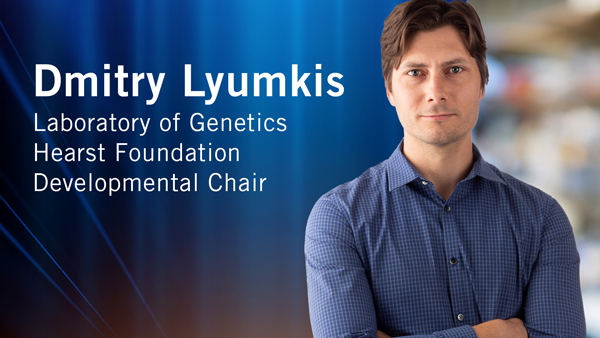
| | Dmitry Lyumkis, PhD, is an associate professor and holder of the Hearst Foundation Developmental Chair at Salk, where he works to understand and interconnect the complex roles macromolecules play in human diseases like cancer or HIV. | “I've always liked to learn, and I’ve always liked the process of learning and potentially discovering,” says Lyumkis. “There are thousands and thousands of different reactions and many possible ways to arrive at a result. And the idea of developing your own path was really attractive to me.” Watch video » | | SALK'S PODCAST BEYOND LAB WALLS | | |
This month’s episode of Beyond Lab Walls features world-renowned cancer biologist Tony Hunter, PhD, a professor and holder of the Renato Dulbecco Chair at Salk. 2025 marks Hunter’s 50th year at the Institute—a milestone that’s apparent the second you walk into his office. Floor-to-ceiling archives reflect the many discoveries he’s made, papers he’s reviewed, people he’s met, and knowledge he’s gained along the way. His persistent curiosity has fueled incredible science and lifesaving medications and continues to shape the future of cancer research. Listen now »
| | |
Technology Networks | Tiny proteins could have a big future in obesity treatment
Features Alan Saghatelian
Newsweek | Alzheimer’s: Future diagnoses may come via ‘simple’ skin biopsy
Features Gerald Shadel
CNN | Vaccine fast facts
Features Jonas Salk
Women in STEM podcast | Fighting cancer through research
Features Dannielle Engle and Christina Towers
KPBS | Circadian rhythms and intermittent fasting and their roles in promoting healthy lifespan
Features Satchin Panda
WebMD | Science reveals 5 overeating traps
Features Satchin Panda
NBC 7 San Diego | A new Alzheimer's approach
Features Joseph Herdy
| | |
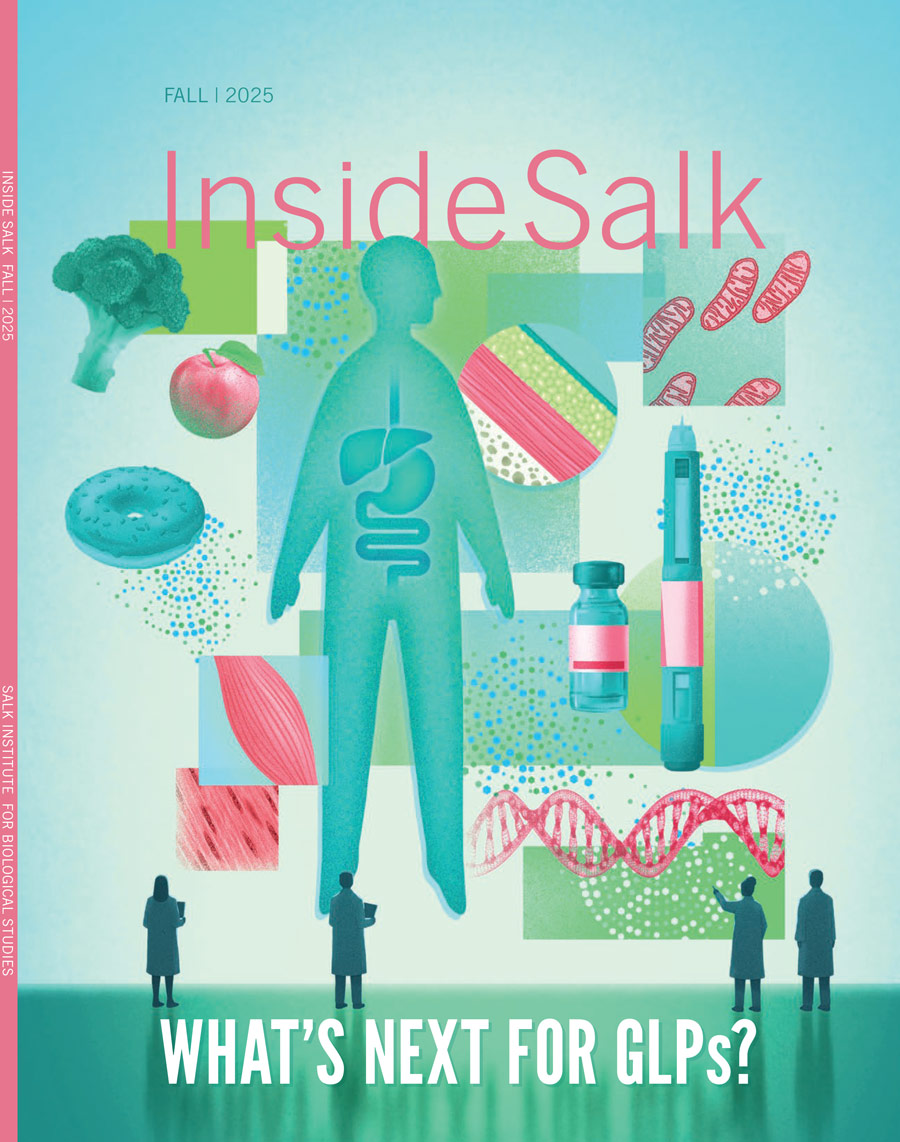
Check out the fall 2025 edition of Inside Salk to see how our scientists are shaping the future of GLP-1 drugs. Hear about neuroscience’s new star, Nicola Allen, PhD, get to know plant biologist-turned-startup founder, Joseph Swift, PhD, and meet Salk’s new Vice President of Advancement, Michelle Chamberlain. Plus, a look into how Salk is empowering the next generation of scientists—and their teachers. Join our mailing list to receive a print copy, or read the fall issue online now.
| | |
If you want more regular Salk news, be sure to follow us on social media for timely updates on our science, culture, and beautiful campus.
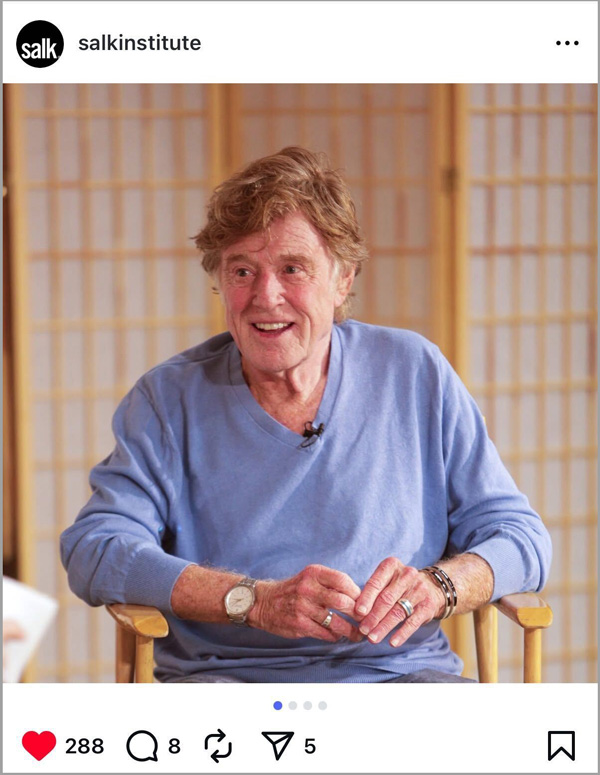
This month, we celebrated the life of Robert Redford, who contracted polio as a child before Jonas Salk’s vaccine brought an end to widespread outbreaks of the disease. Redford paid tribute to Salk’s legacy through the six-part 3D documentary Cathedrals of Culture, directing a segment on the Salk Institute. We are grateful that he recognized Jonas Salk’s work and illuminated the Institute’s mission to advance science for the benefit of humanity. See Instagram post »
| |
About this newsletter
Salk’s email newsletter is published monthly with updates on recent scientific publications, media coverage, awards, grants, events, and other timely information for Salk supporters and science enthusiasts.
| | | | |