|
Harnessing Plants Initiative: Plants that solve global problems
Inside Salk: Join the magazine mailing list today
Events: Science, music, and a chance to chat with Salk scientists
Equinox sunset: An evening of alignment for Salk Discovery Society
Trailblazers in Science: Support emerging scientists
Social media highlight: Journey from Salk to Jurassic
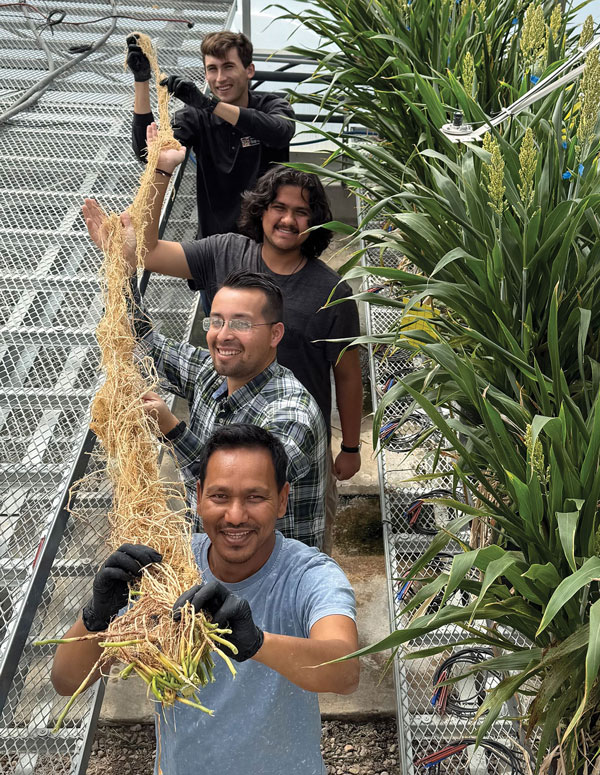
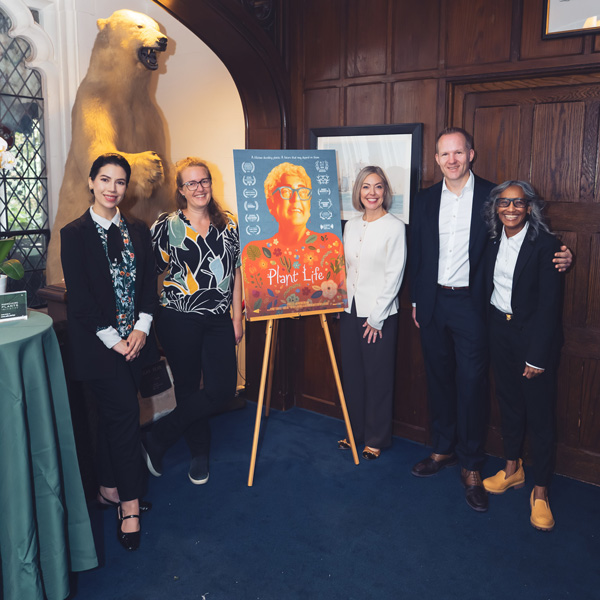
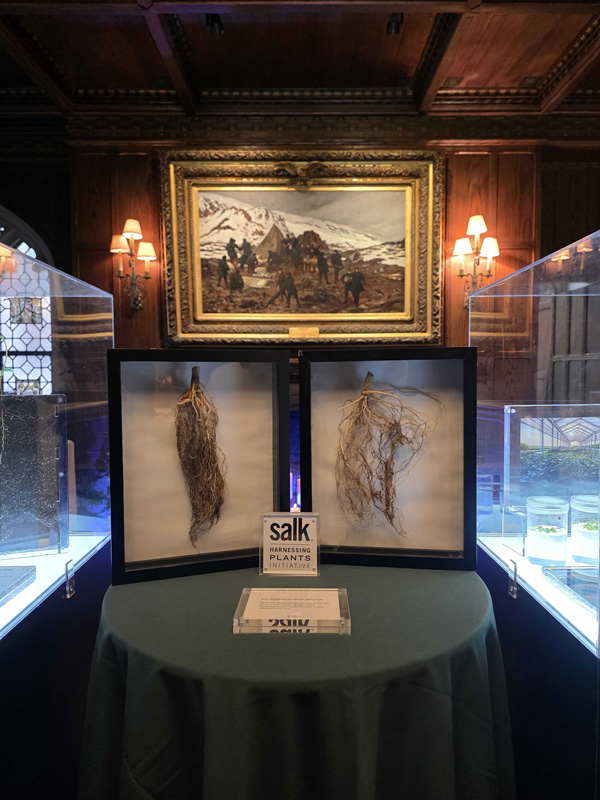
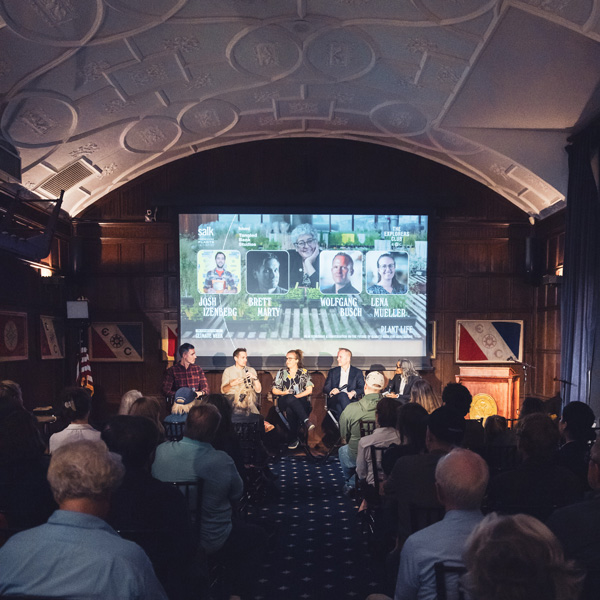
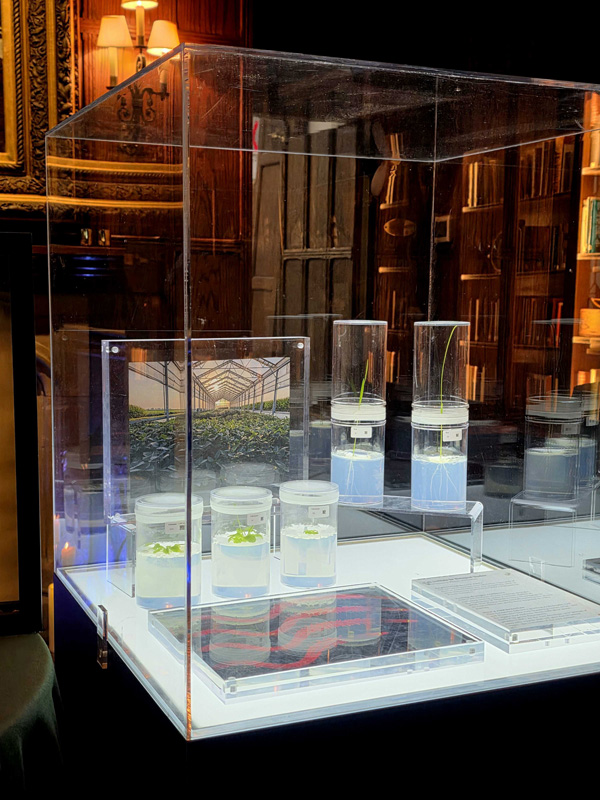
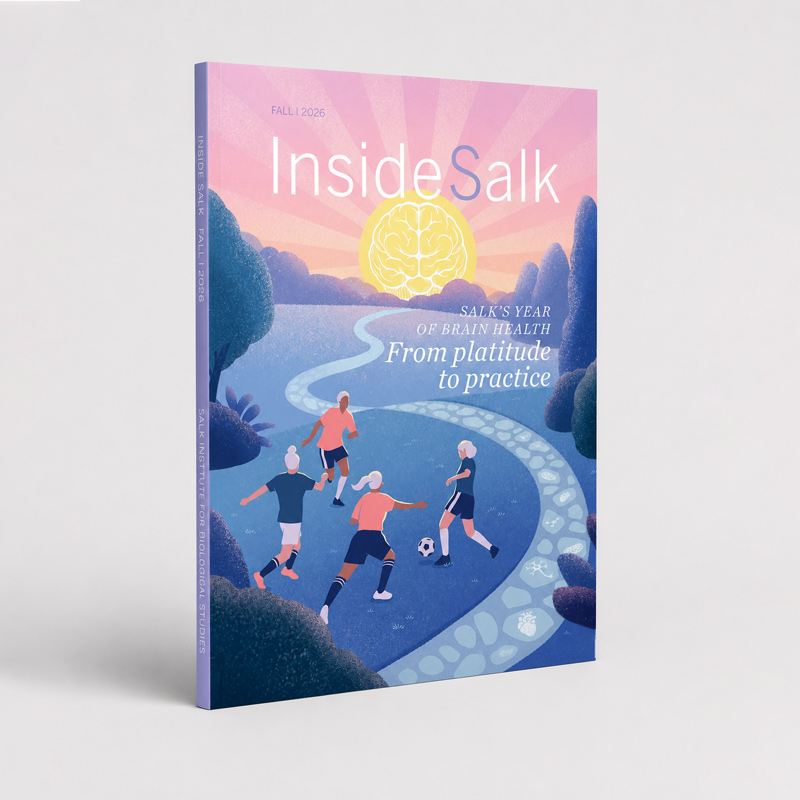
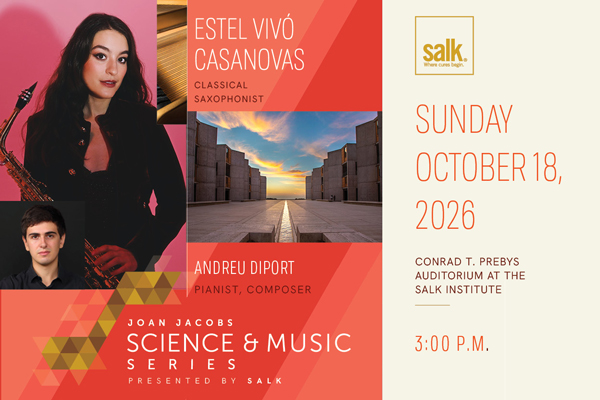
| | Harnessing Plants Initiative | $18M from the Bezos Earth Fund takes Salk's resilient crops to the next stage | Salk’s Harnessing Plants Initiative is putting carbon dioxide to work for humans. Next year will mark 10 years of progress for the initiative—collaborations, lab experiments, field trials, and everything in between. Leading up to this milestone year, the team received $18 million from the Bezos Earth Fund for Harnessing Plants Initiative Phase II: ROOTS, a three-year project to test deeper-rooted, more resilient crops that can store more carbon in soil. A new feature by the Associated Press highlights their progress so far and where the team is headed with this new funding. | An evening at the Explorers Club in New York City further celebrated the initiative. On September 22, the prestigious professional society dedicated to scientific field research and the preservation of the instinct to explore welcomed Salk leaders to share an up-close look at Salk Ideal Plants® and a special screening of Plant Life, an intimate portrait of late Salk scientist and plant biology pioneer Joanne Chory. | | Credit: The Explorers Club/Peter Domorak | Credit: The Salk Institute/ Samantha Galaz | | Credit: The Explorers Club/Peter Domorak | Credit: The Salk Institute/ Samantha Galaz | | Salk's Year of Brain Health | | | | Since the beginning of 2026—declared Salk's Year of Brain Health—Salk President Gerald Joyce has sat down with faculty from across the Institute in a special video series of our podcast, Beyond Lab Walls. Each conversation offers a different set of practical tips and scientific discoveries from our distinguished researchers in immunology, metabolism, neuroscience, and more. | | | | The fall issue of our magazine continues our Year of Brain Health’s practical angle—turning platitudes into practice. The feature article explores how exercise, cardiovascular health, immune health, metabolic health, and cognitive health converge to support a healthy brain. | | Be in the know: Sign up to receive Inside Salk magazine | Join the mailing list to be the first to receive the next issue of Inside Salk, right at your door. The upcoming winter issue of our magazine debuts the follow-up to our Year of Brain Health, includes profiles of Salk faculty and staff, and explores another exciting season of discoveries, events, and awards on Salk’s campus. | | Coming this October: Joan Jacobs Science & Music Series | On October 18, the series will return for another evening that pairs research with live performance. Salk bioengineer Christian Metallo will share his lab's work on metabolism—a part of Salk's Year of Brain Health—and then guests will hear a musical performance featuring classical saxophonist Estel Vivó Casanovas and pianist and composer Andreu Diport. Email Dacia Samilo at dsamilo@salk.edu for more information. | | Coming this November: Science in the Studies | The Studies are where Salk’s scientists come to think. Jonas Salk and Louis Kahn designed them as private retreats above the Pacific, deliberately set apart from the labs, and most visitors never see the inside of one. This November, our scientists are inviting some of Salk’s supporters to join them in their Studies for an exclusive evening of intimate conversation and sunset views. Email Dacia Samilo at dsamilo@salk.edu for more information. | | Equinox Sunset for Discovery Society Members | |
The Salk Institute’s Discovery Society honors and celebrates a committed group of donors who empower Salk’s world-renowned scientists to pursue bold ideas, accelerate discoveries, and inspire solutions that improve lives.
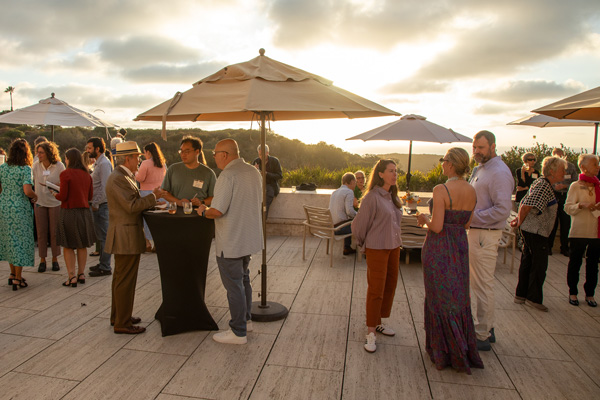
This month, Discovery Society members were invited to campus for an intimate evening at the River of Life as the setting sun aligned with the water feature in the Institute’s iconic courtyard on the fall equinox. It is one of Salk’s most iconic and breathtaking views, visible only twice a year. Join the Discovery Society today for invitations to future exclusive events where Salk’s architecture, people, and science come together.
| | Why do we stay afraid for so long when the brain’s first alarm fires so fast? | |
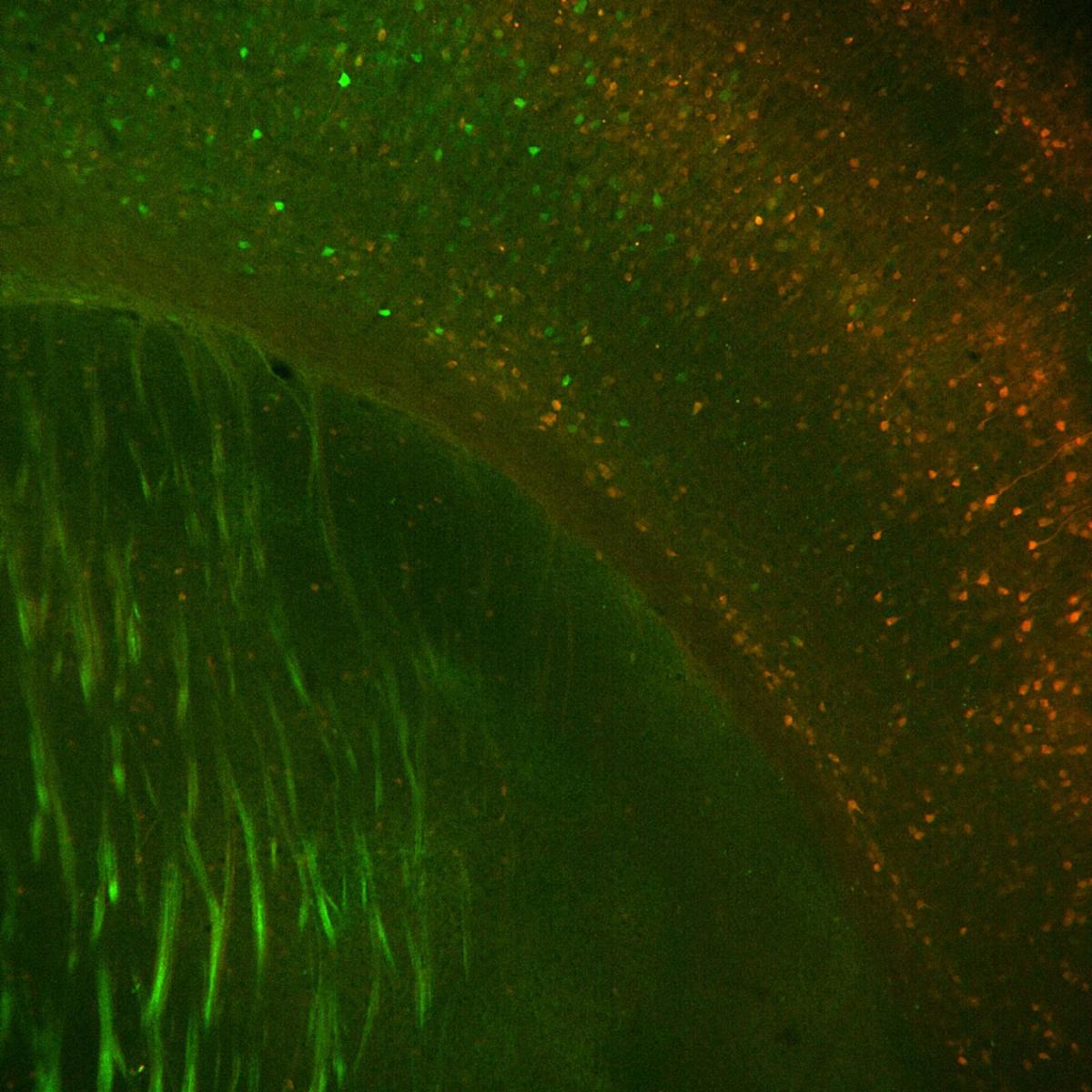
Scientists have long wondered why fear responses can last so long when the amygdala—considered the brain’s fear center—has neurons that fire so fast. A new Salk study reveals an overlooked brain region is the answer: the amygdalostriatal transition zone, whose neurons fire with more strength and longevity. The insights into the brain’s fear circuitry may be used in future therapeutic development for fear and panic disorders.
| | Cancer biologists are bringing in the B cell reinforcements | |
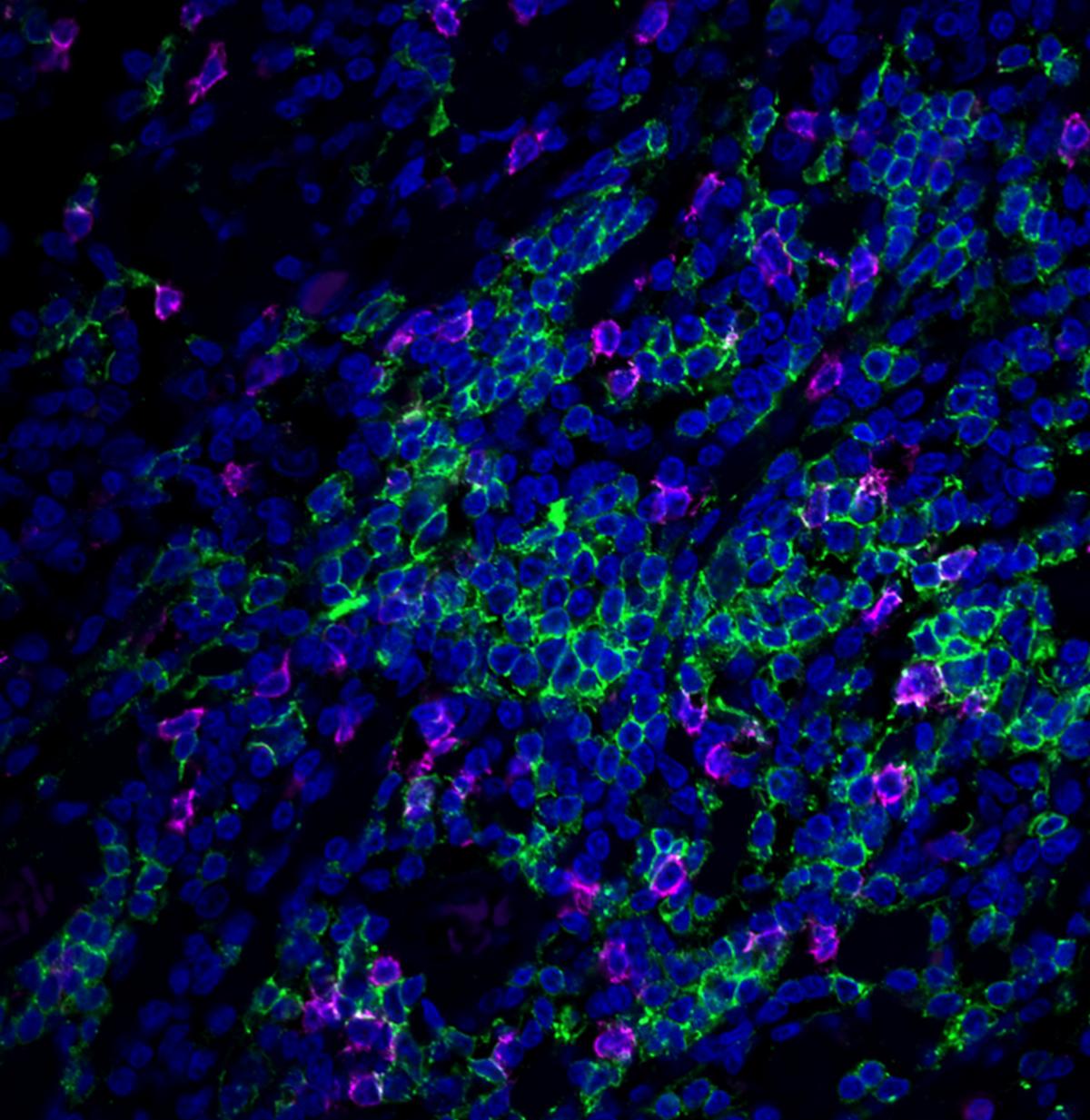
While cancer immunotherapy has radically changed treatment outcomes, focusing mainly on T cells has left important immune cell partners in the shadows: B cells. Salk research in a mouse model of aggressive breast cancer shows that B cells play a multifaceted role in promoting T cell anti-cancer activity, including regulating killer T cell function. The insights lay the foundation for harnessing B cells in immunotherapy, which has the potential to radically change the future of cancer care.
| | Microproteins provide new playbook for Alzheimer’s research | |
A novel microprotein atlas, developed at Salk and assembled using human brain samples, is giving scientists new leads to develop treatments for neurodegenerative diseases. The team used 480 human frontal cortex samples with and without Alzheimer’s disease to identify over 1,000 new microproteins and found a potential link between one microprotein and brain-resident immune cell dysfunction in Alzheimer’s disease.
| | Why does the immune system sometimes help tumors grow? | |
Salk researchers discovered a novel pathway that causes anti-cancer interferon activity to transition into pro-cancer activity in mice, answering a longstanding question in cancer biology. By explaining how interferon II turns from “good” to “bad,” the foundational insights can provide a path to future therapies that may combat immunotherapy resistance.
| | How can stressed mitochondria actually protect your heart? | |
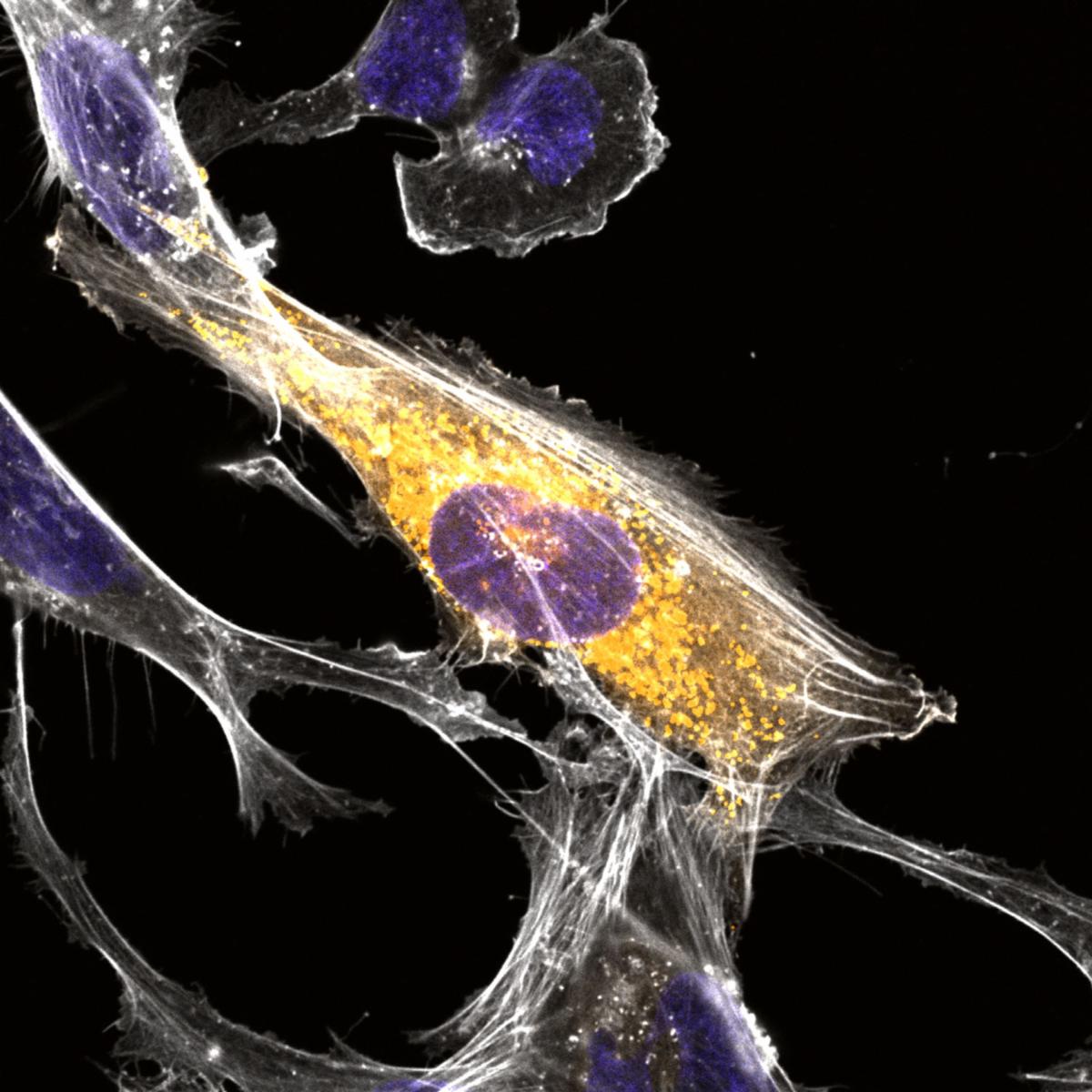
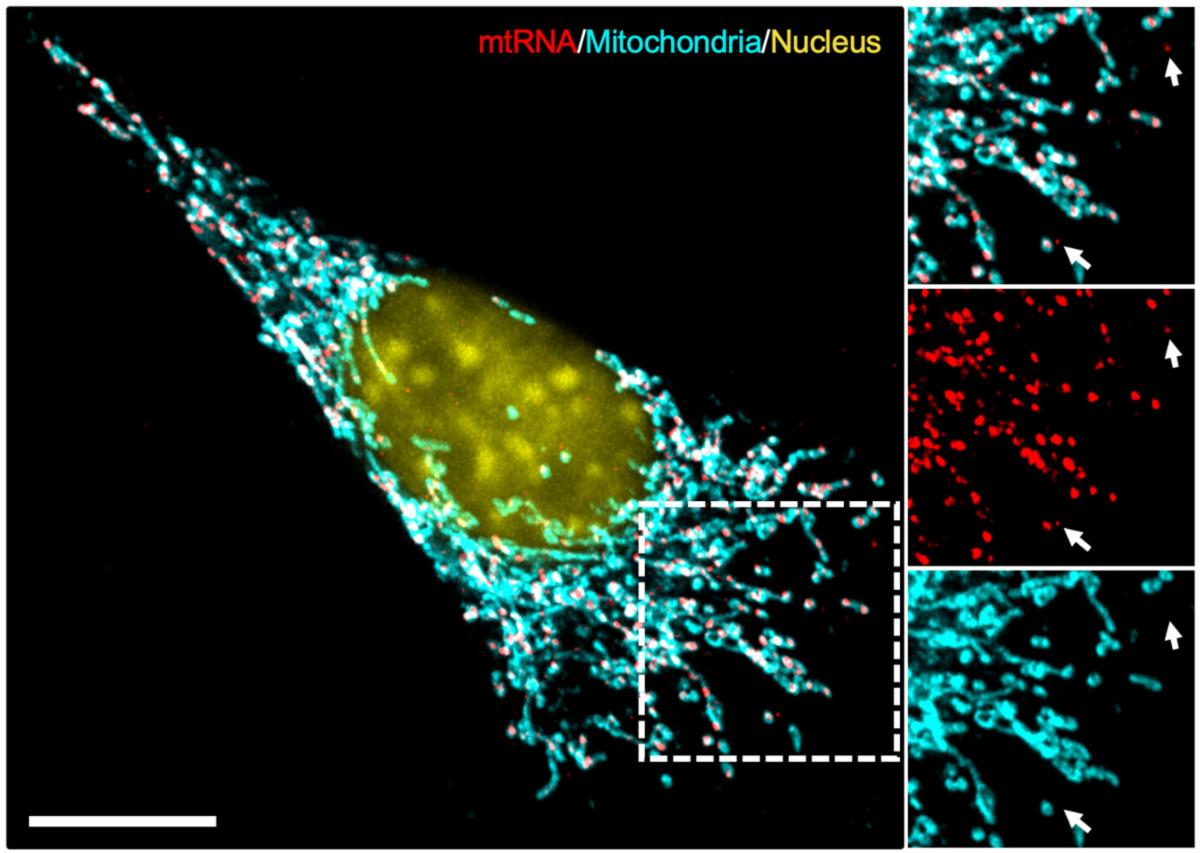
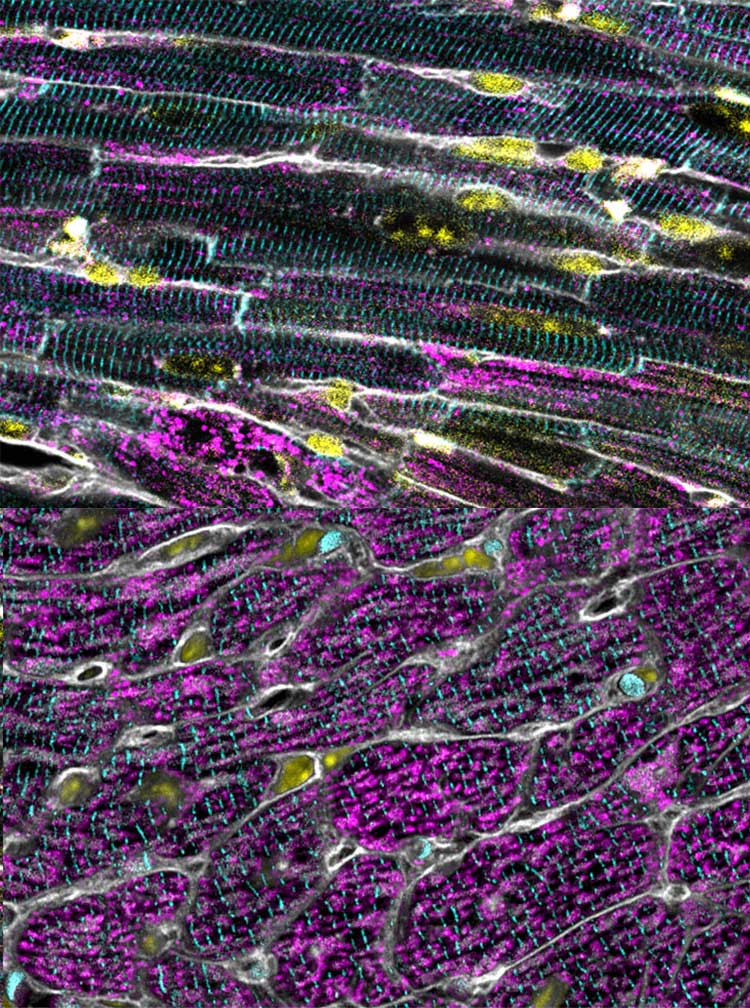
Mitochondria do so much more than just generate power—including acting as signaling hubs. In yeast and flies, mitochondria exposed to mild stress early in life can convert it into signals that initiate lifelong beneficial adaptations, extending lifespan and resilience. Salk scientists are the first to decipher how this works in mice, finding that mild mitochondrial stress can be beneficial to mouse heart health. The findings may inform future heart therapeutics or healthy aging efforts.
| | Why does severe illness during pregnancy sometimes harm neurodevelopment? | |
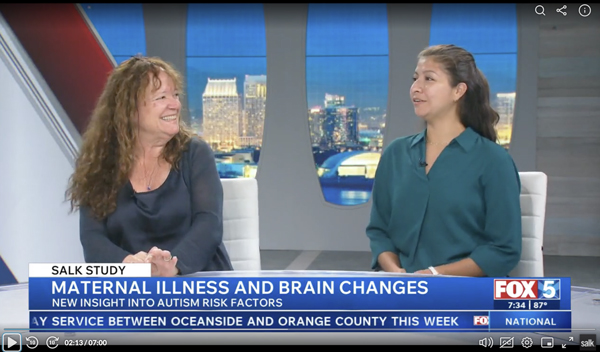
Roughly 10 percent of the American population lives with a neurodevelopmental condition, including autism spectrum disorders, ADHD, learning disorders, auditory and visual processing disorders, and more. Yet why, when, and where many of these disorders begin has been hard to pin down. New Salk research reveals a link between severe maternal illness during pregnancy and elevated risk of neurodevelopmental disorders in mice.
| | |
Fox 5 San Diego
Maternal illness and brain changes
Features Margarita Behrens
| |  | |
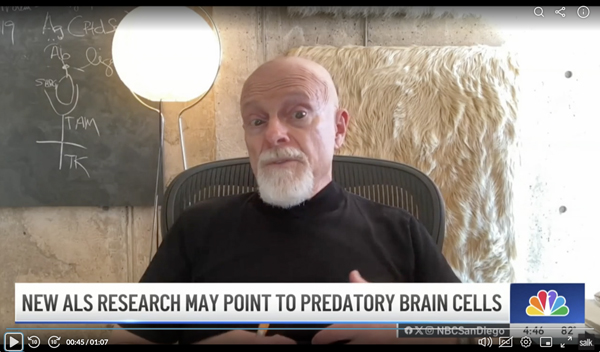
NBC 7 San Diego
New ALS research may point to predatory brain cells
Features Greg Lemke
| | |
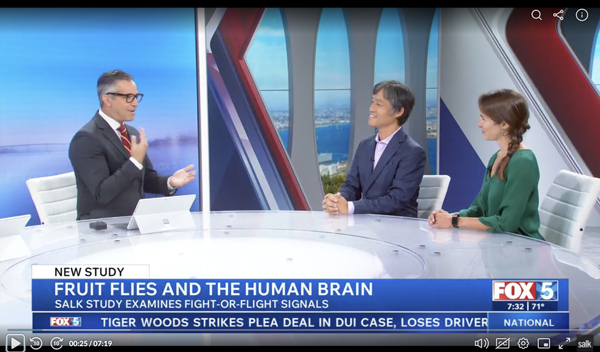
FOX 5 San Diego
Fruit flies and the human brain
Features Kenta Asahina
| | | |
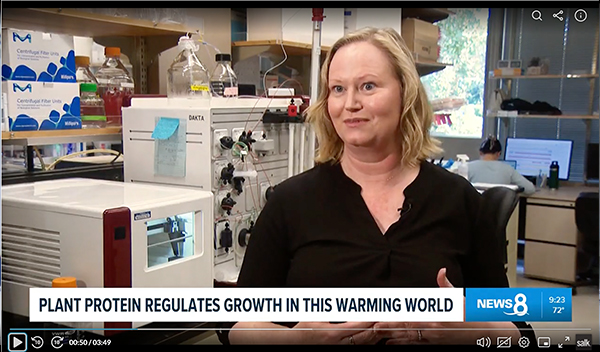
CBS 8
Plant protein regulates growth in this warming world
Features Lucia Strader
| | |
Nature
Map of brain "microproteins" could offer new clues to Alzheimer’s disease
Features Alan Saghatelian
| | | |
Earth.com
Social isolation can alter how the brain responds to alcohol
Features Kay Tye
| | |
Cancer World
Lung tumors found to drive cachexia through direct brain signaling
Features Thales Papagiannakopoulos
| | | |
Mission: Cure
How organoids could help personalize treatment for chronic pancreatitis
Features Dannielle Engle
| | |
The Scientist
Pancreatic cancer: Emerging breakthroughs and clinical strategies
Features Ronald Evans
| | | |
Nautilus
Why we stay afraid
Features Kay Tye
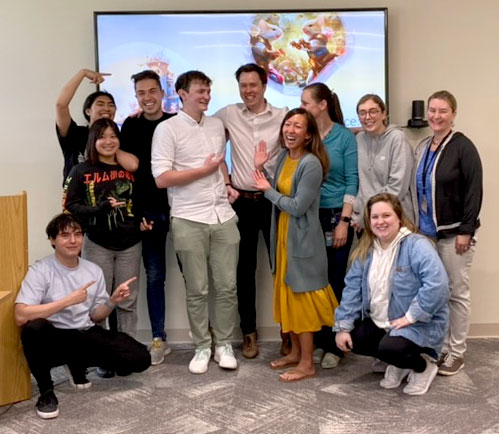
| | Trailblazers in Science ensures that emerging researchers have the support, community, and opportunity to become the leaders who will advance science in service to humanity. | |
About this newsletter
Salk’s email newsletter is published monthly with updates on recent scientific publications, media coverage, awards, grants, events, and other timely information for Salk supporters and science enthusiasts.
| | | | |