|
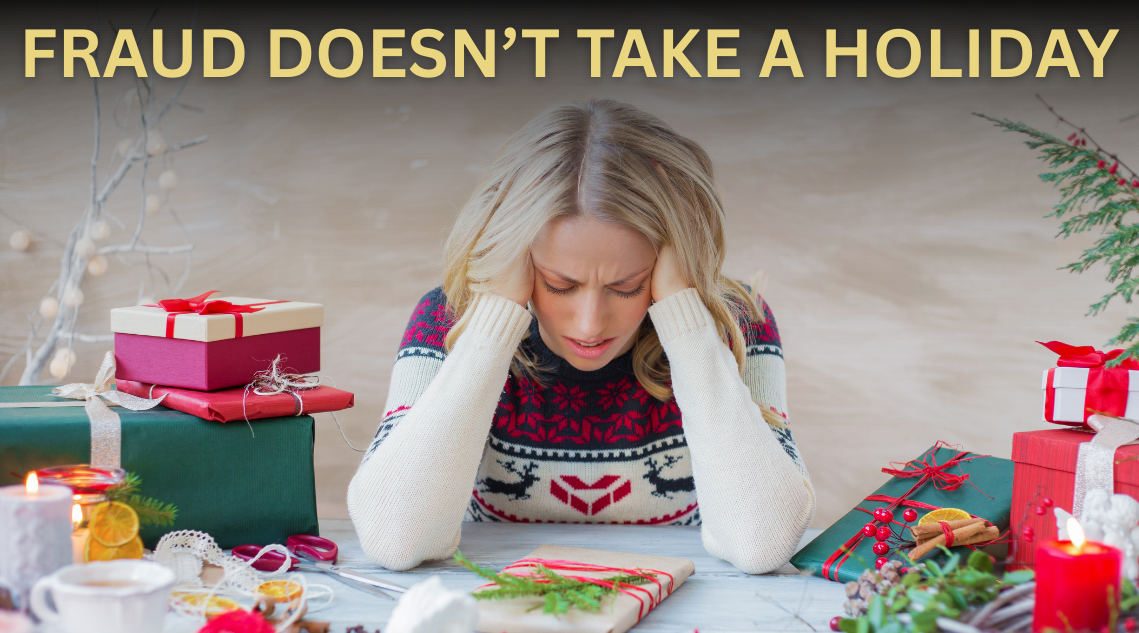
In fact, scams significantly increase during the holidays, a time where there is an increase in online shopping, people are feeling generous, and people are more likely to be distracted — and therefore more likely to be less cautious and overlook red flags.
All of these factors help to create perfect opportunities for fraudsters, who may use fake deals, gift card scams, texts about the "delivery" of your package, AI-powered voice cloning and more to steal your money or collect data on you.
KEY STATISTICS FROM THE BBB, FBI AND CYBERSECURITY FIRMS:
- In 2024, 17% of U.S. consumers reported being victim to online scams. In 2025, a similar study showed nearly one-third (23%) of consumers reporting already being victim to such scams during the holiday season.
- Holiday-themed phishing attacks increased by 327% over Black Friday in 2024. Due to the use of AI, it is anticipated that both consumers and companies received even more attempts this year.
- Delivery notification scams saw an increase of 105.8% in November 2025 compared to the previous year.
HOLIDAY SCAMS TO LOOK OUT FOR:
-
Fake Shopping Sites Offering Too-Good-To-Be-True Deals: Fraudsters create fake websites or social media accounts that pose as trusted brands to steal your money or data.
-
Gift Card Scams: The fraudster demands you to pay for things, such as taxes, fines or gifts) with gift cards. Scammers may also promise free gift cards in exchange for personal information.
-
Fake Charity Appeals: The holidays are a time of giving back, so fraudsters will use this as an opportunity to request donations. The rise in AI makes it even more difficult to distinguish fake emails, calls and / or texts, as fraudsters can create a realistic donation request that pulls at your heartstrings.
-
Fake Shipping Notifications and Package Delivery Scams: Text messages or emails from fraudsters impersonating carriers like Amazon, USPS, etc. to claim a package is delayed and prompt the individual to click a malicious link to provide personal information or urgent payment.
HOW TO PROTECT YOURSELF:
-
Be Vigilant: Watch for unusual activity on your bank accounts and credit card statements. Verify everything, and be suspicious of unsolicited offers or any urgent requests. Monitor the shipping process and get tracking numbers for any items you buy online.
-
Check URLS: Before entering payment info on any website, ensure that you see "https://" and the lock icon. Research sellers and check reviews before just purchasing from an unfamiliar website - especially if you were directed to it from an online ad or through social media.
-
Be Wary of Gift Cards: Companies that are legitimate won't urgently demand gift cards for payments.
-
Use Strong Passwords & MFA: This will help protect your accounts from identity theft.
-
Be Skeptical: If an offer seems too good to be true, it likely is. Do not click on any suspicious links or attachments in emails, on website, or on social media.
WHAT TO DO IF YOU'VE BEEN SCAMMED:
-
Contact Your Financial Institution: Do this immediately to report the issue.
-
Freeze or Replace Compromised Cards: If a debit or credit card was involved, be sure to request a replacement card immediately to prevent any additional charges from happening.
-
Document Everything: This may include any suspicious emails, texts or calls you may have received. Take screenshots and document any charges on account statements that you did not make. This will help your financial institution, and - if necessary - law enforcement.
-
Report the Fraud: File a report with your financial institution, the Federal Trade Commission, and the local police if necessary. It is also always a good idea to report the fraud to one of the three credit bureaus, Equifax, Experian or TransUnion, to place a free fraud alert.
-
Continue To Monitor Your Accounts: Even after resolving the issue and following all of these steps, it is still important to continue to monitor your accounts closely. Be sure you get account alerts so you are notified instantly of any unusual activity.
Fraud happens, and it happens to many of us.
Surveys suggest roughly 1 in 3 Americans experience fraud.
Use the above tips to keep your holiday season merry and your finances safe.
Fleetwood Bank is here to help you protect your accounts.
|