|
The Quiet Legend of Galena Creek
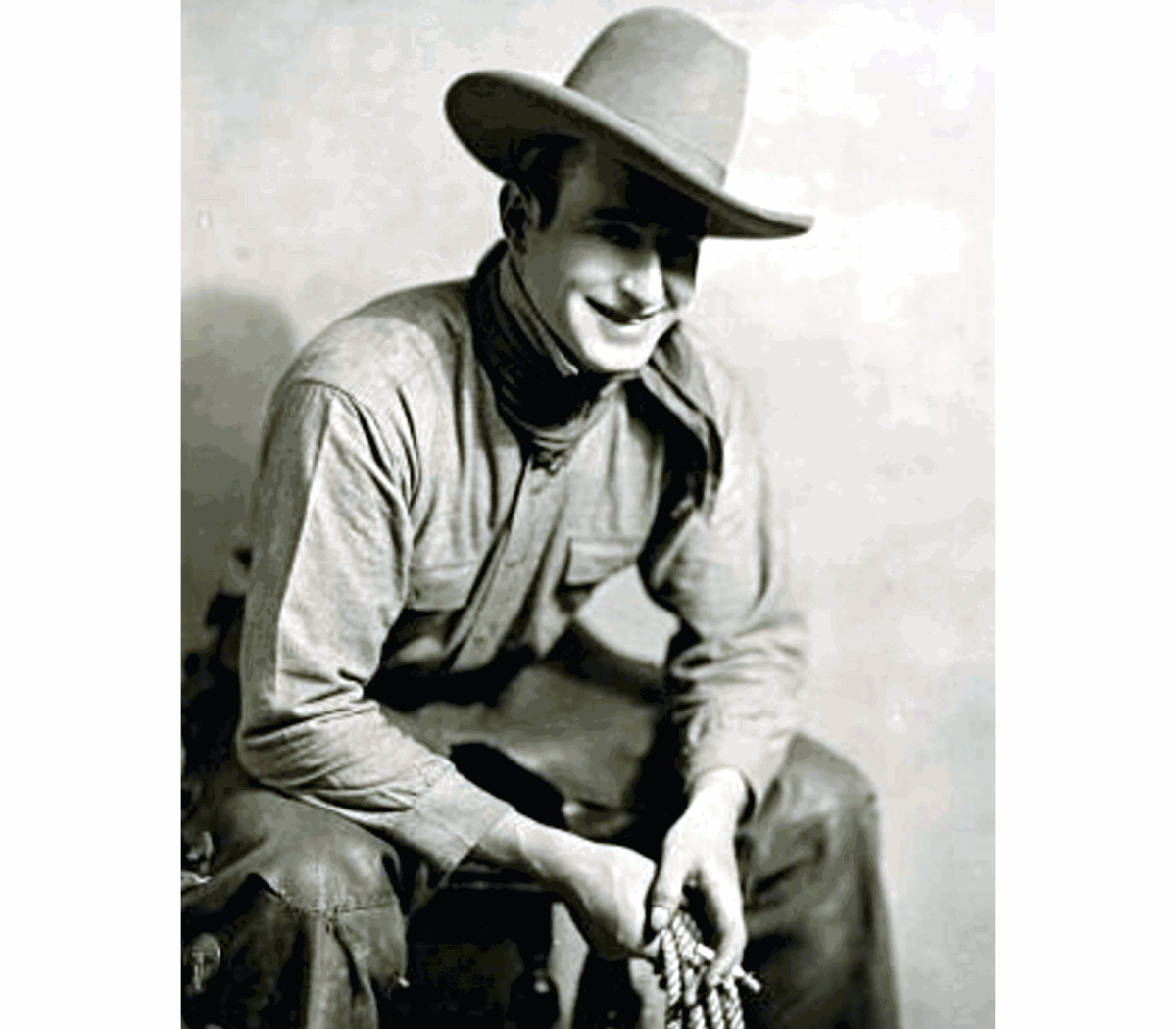
In the sweltering summer of 1914, a lanky cowboy named Cuba Crutchfield found himself picking his tall frame up from the dusty floor of a rodeo arena in Cheyenne, Wyoming. He had just been bucked off twice by a notorious mare named Yellow Fever, a horse known for a dizzying spin that left even the most seasoned riders looking for their bearings in the dirt. As he brushed the Wyoming grime from his chaps, a stocky man with a distinctive bushy mustache and round spectacles approached him. The stranger offered a broad, genuine grin and extended a hand. He told the young cowboy not to feel too badly about the fall, admitting that he likely could not have stayed on that horse either. Cuba could only smile in return because when Theodore Roosevelt offered a compliment on rough riding, you listened.
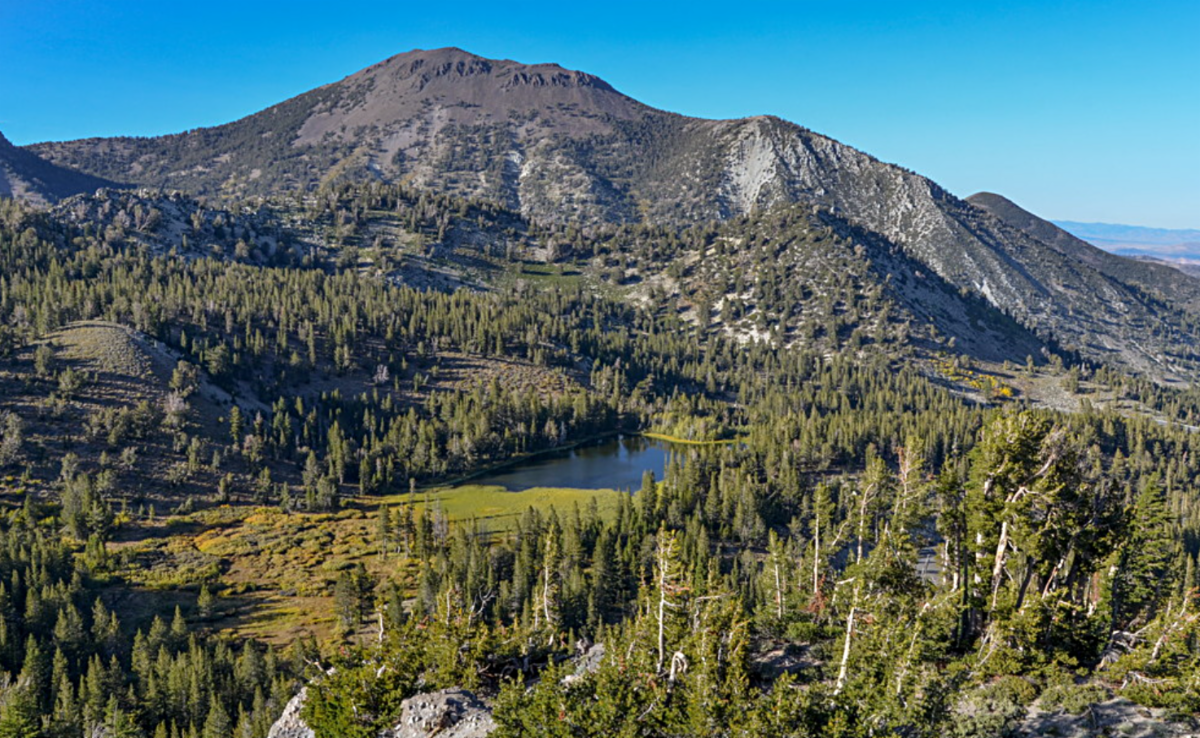
This encounter with a President was merely a Tuesday in the extraordinary life of Cuba Island Crutchfield. For decades, residents of Northern Nevada knew him simply as a quiet neighbor, a humble rancher who tended to his property near Galena Creek.
They saw a man who preferred the company of his horses to the roar of a crowd. Few realized that the tall man in the stone house south of Reno was once a global icon, a Vaudeville headliner, and a silent film star who stood shoulder to shoulder with the greatest entertainers of the twentieth century. He was a man of immense talent who chose the silence of the Sierra foothills over the neon lights of Broadway, trading the applause of thousands for the rustle of wind through the pines.
| |
Oklahoma Oven to the Wild West Stage
The story of Cuba Crutchfield began with a miracle in Claremore, Oklahoma, on March 15, 1891. Born to Frank and Ida McDaniel Crutchfield, the infant weighed a precarious three pounds. In an era before modern medical interventions or incubators, his mother placed him in a warm oven to keep his tiny body alive during those first critical days. The unconventional method worked brilliantly.
The fragile infant grew into a powerhouse of a man, eventually standing over six feet tall and weighing a solid 180 pounds. He shared more than just a birthplace with the legendary humorist Will Rogers; the two were third cousins, both carrying Cherokee heritage and a natural affinity for the traditions of the West.
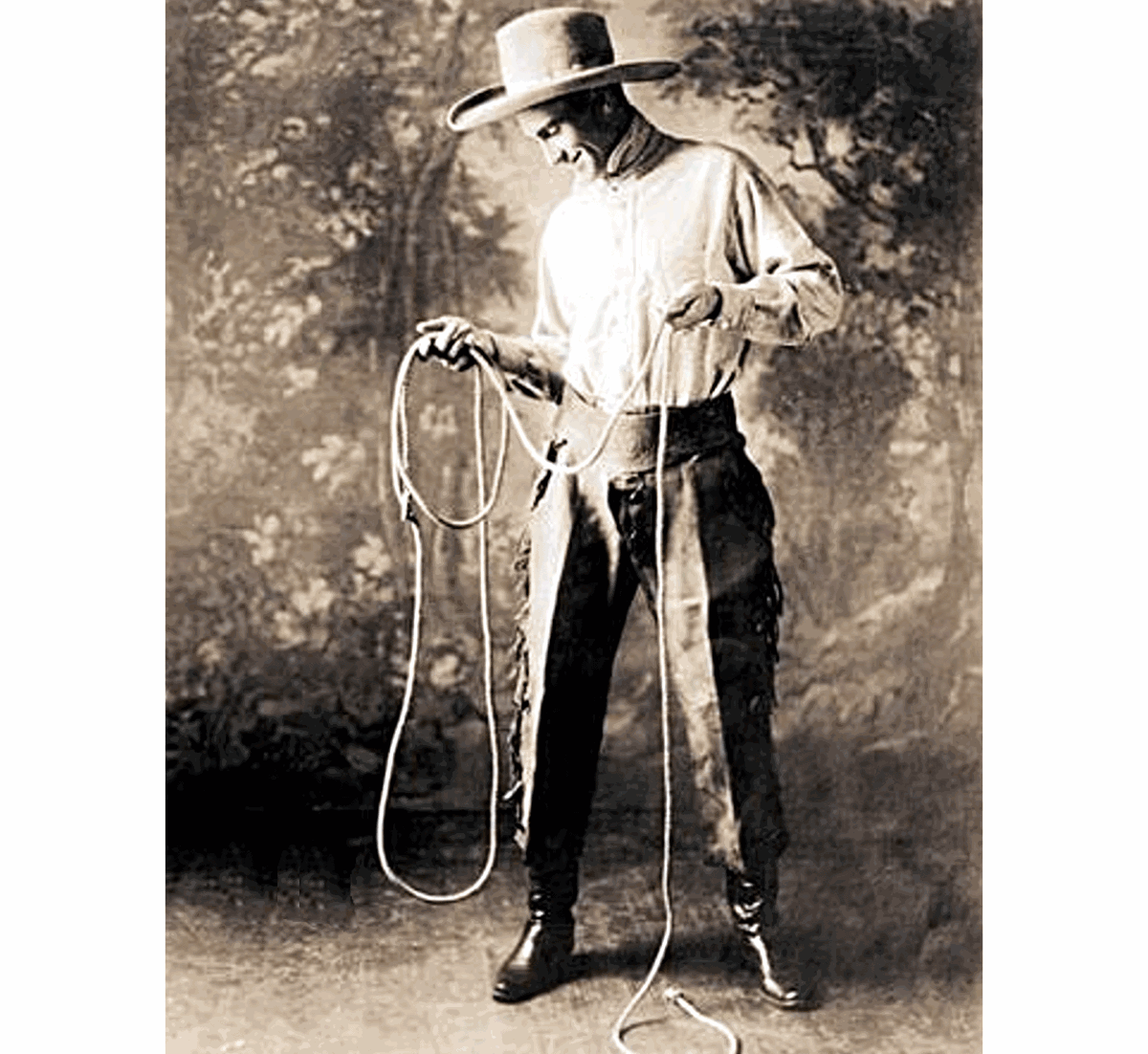
While his cousin Will found fame through wit and lariats, Cuba became a technician of the rope. By the age of twelve, he was already a self taught prodigy, executing spins and catches that defied logic.
His destiny was sealed in 1912 when Buffalo Bill Cody witnessed a performance and immediately invited the young Oklahoman to join his world famous Wild West show. Cuba soon found himself touring the great cities of the East Coast, performing alongside the incomparable Annie Oakley. By 1915, he had joined J.C. Miller’s 101 Ranch Wild West Show, where he developed acrobatic rope tricks that no other performer in the world could replicate. He was no longer just a cowboy; he was an elite athlete and an artist of the arena.
| |
Bright Lights of Vaudeville and Hollywood
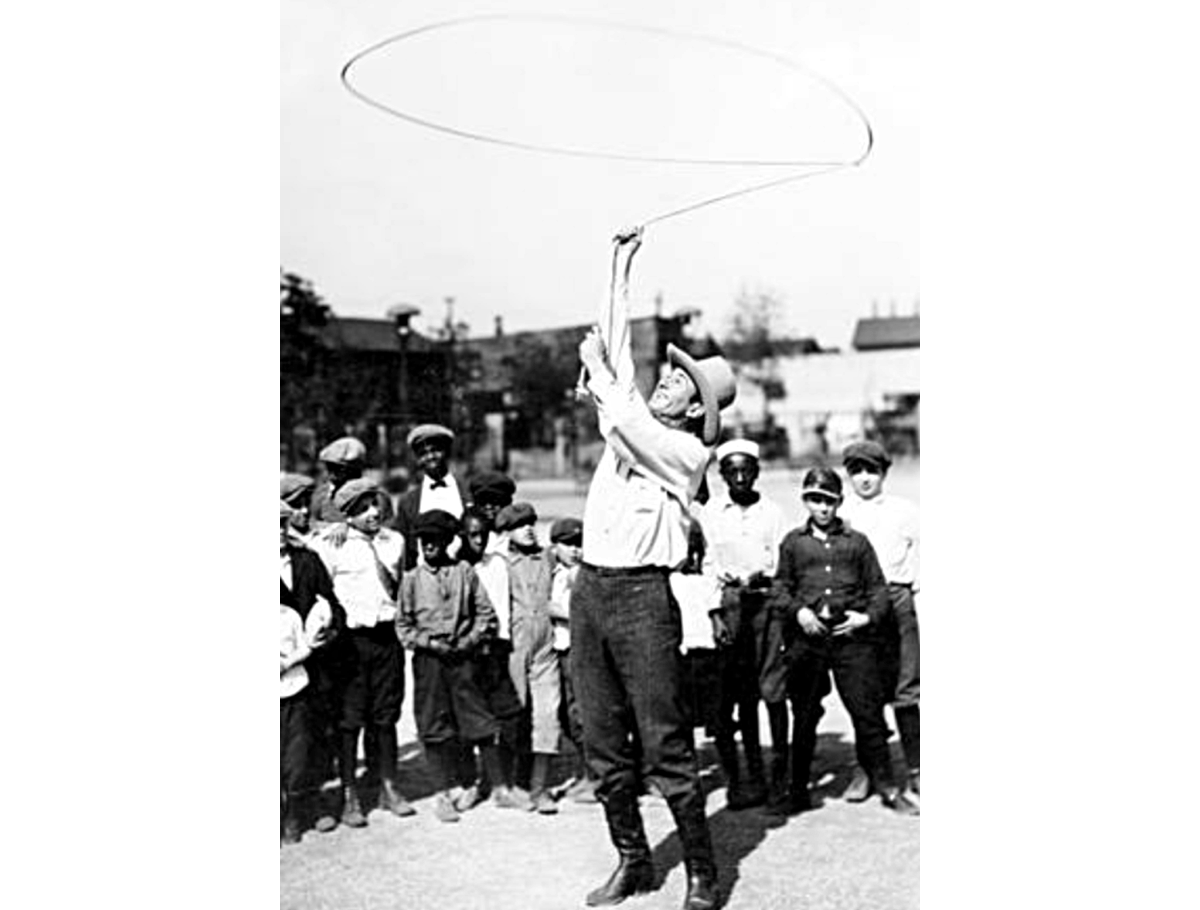
By the late 1910s, Cuba Crutchfield was a fixture of the American stage. He became a Vaudeville sensation, appearing at the Ziegfeld Theater, the New York Hippodrome, and the prestigious Boardwalk in Atlantic City. His name shared billing with titans like Harry Houdini, Enrico Caruso, Mae West, and his cousin Will Rogers. The grand finale of his performances often featured Cuba spinning a massive 100 foot lasso, a rotating wall of rope that would eventually encircle the entire cast of performers on stage. He was a master of the Big Loop, a feat that required immense physical strength and precise timing.
Hollywood soon came calling. Under the stage name Cuba Coolidge, he signed a contract to star in a series of Western films designed to showcase his roping mastery. He completed three silent films and even starred in one of the first filmed commercials for Cadillac.
During his time in the limelight, he was promoted alongside cowboy royalty like Tom Mix and Hoot Gibson. Yet, despite the fame and the high weekly salaries, including a lucrative stint in Chicago where the Chamber of Commerce gifted him a 1927 Buick Sport Tour for teaching roping to local children, Cuba remained unaffected. He was a man who appreciated the craft but never quite fell in love with the celebrity.
| |
Private Life Beneath Mount Rose
The transition from the world stage to the Nevada wilderness began in 1927. As the economic clouds of the Great Depression began to gather and the Vaudeville circuit started to fade, Cuba and his first wife, Travis, looked toward the West. Cuba had passed through Northern Nevada in 1910 and had never forgotten the crisp air and the sense of limitless space.
He once remarked that Nevada provided the perfect breathing space for a man. They initially lived on Forest Street and Caliente Street in Reno before purchasing a ranch property near Galena Creek from the pioneering Callahan family.
On this rugged land, Cuba built a sturdy two story stone home and settled into a life of relative anonymity. He was notoriously modest about his past. Even his stepson, Bill Gaston, recalled that information about Cuba’s performing days had to be pried out of him. He was a man who refused to brag, preferring to be seen as just another rancher. However, his past occasionally caught up with him in the form of famous visitors.
During the filming of The Misfits, actor Clark Gable would frequently escape the pressures of the Reno high life to visit the Crutchfield ranch. Cuba admired Gable, noting that the actor was a wonderful man whose success had never gone to his head, a sentiment that clearly reflected Cuba’s own philosophy on life.
| |
A Lasting Legacy
The quiet peace of the ranch was shattered in 1966 when a devastating Sierra wildfire roared through the property. The flames destroyed several out buildings and claimed a significant portion of Cuba’s personal memorabilia, including records and photographs from his decades in show business. Now aging and facing heart complications, Cuba and his second wife, Ann, moved to a smaller home on Lonesome Polecat Lane in Washoe Valley.
It was Ann who eventually encouraged Cuba to step back into the light. She began researching his career and reconnecting with the world he had left behind, discovering that many former colleagues assumed the great roper had long since passed away.
In 1968, a year before his death, Cuba returned to his roots in Claremore, Oklahoma, for Will Rogers Day. There, the old cowboy finally accepted the accolades he had spent a lifetime avoiding. He rode a white horse in the parade, a living link to a bygone era of American entertainment.
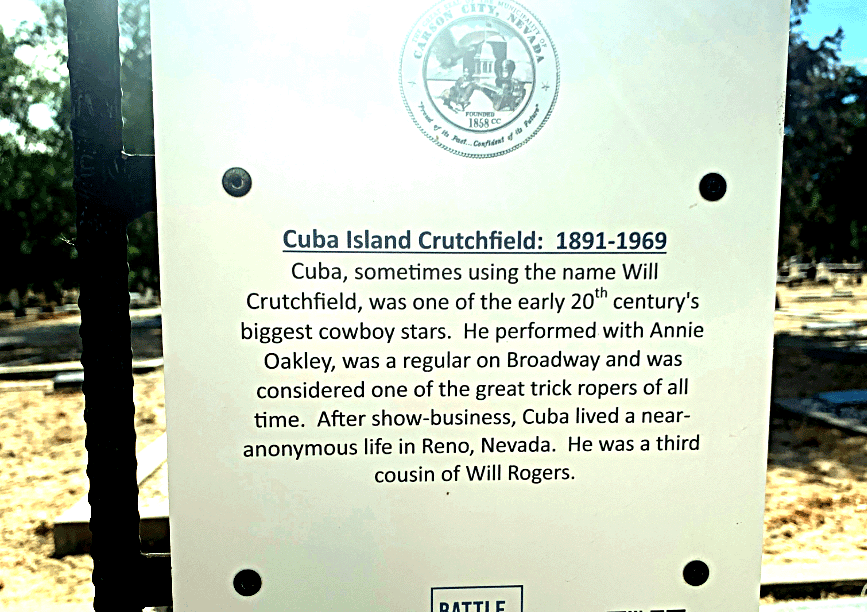
Cuba Island Crutchfield passed away at his home in Washoe Valley on October 14, 1969. His funeral was a modest affair attended by local ranchers and neighbors, the very people who had known him not as a star, but as a friend. He rests today in Lone Mountain Cemetery in Carson City, buried beside his wife.
While the 100 foot lasso has long since stopped spinning, the story of the bashful superstar remains a cherished piece of Reno history, a reminder of the legends who walk among us in the shadows of the Sierras.
| |