THE ASHOKAN RAIL TRAIL TURNS SEVEN


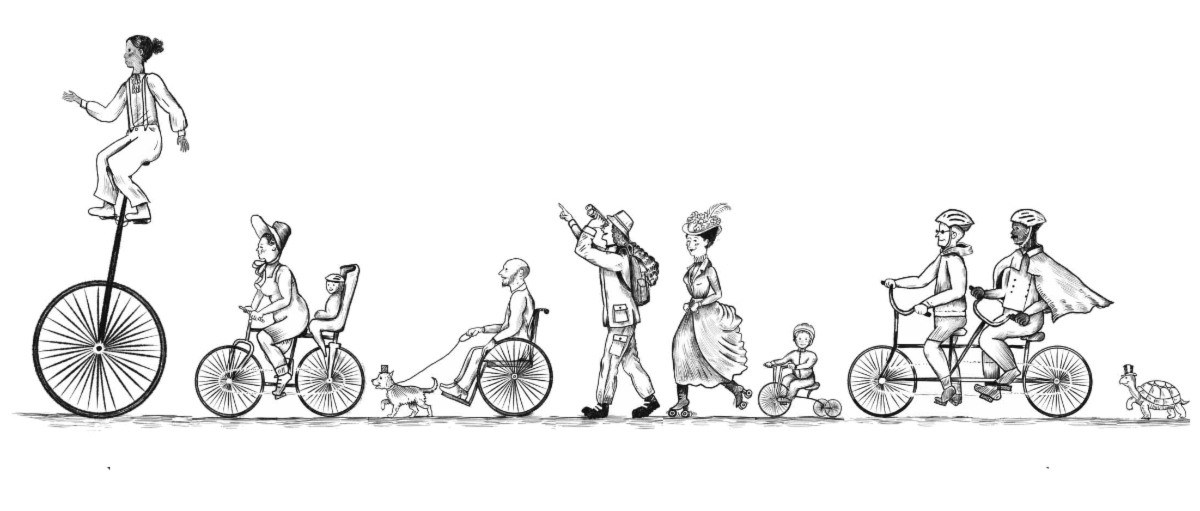
The Ashokan Rail Trail first opened on October 18, 2019, and on Sunday, October 18, from noon to 3 p.m., we're celebrating at the Boiceville Bridge Trailhead, 5080 Route 28A. There'll be Appalachian music by Witch Butter, pumpkin pie and festive beverages from Little Rye Bakehouse, and a few words at 1. The group ride leaves at 2, and the walkers & ramblers set out five minutes later. Parking at the trailhead is limited, so park at Onteora High School, or better yet, bike in from one of the other trailheads. It's free, it's presented with NYC Environmental Protection and Ulster County, and everyone's welcome.


Details →

All drawings by Miranda Javid. We left out the color. You'll find it on the trail Sunday.

HOW TO LEAF PEEP


All summer, a leaf runs on solar power. Chlorophyll works like a solar panel, catching sunlight so the leaf can turn air and water into sugar for the tree. Chlorophyll also happens to be green, and there's so much of it that it hides every other color in the leaf. Sunlight wears chlorophyll out fast, so the leaf keeps making more, and as long as it does, the green stays on top.


In the fall, the nights get longer and colder, and the tree starts settling in for winter. The leaf stops making chlorophyll, and a thin layer of cells grows across the base of its stem, right where it meets the twig. Little by little, that layer closes off the leaf's veins, so water stops coming in and sugar stops going out. It's also where the leaf will eventually let go. Look at a twig this winter, and you'll see a small scar where each one hung. As the green fades, the yellows come through. They were in the leaf all summer, the same natural pigments that color carrots and egg yolks, hidden under the green. The birches and hickories going gold right now aren't changing color so much as finally showing it.


The reds are different. They aren't in the leaf all summer, waiting under the green like the yellows. The leaf makes them new in the fall, out of the sugar trapped behind the closing stem. Red maples and sugar maples, both common in the Catskills, are especially good at it. The more sugar in the leaf, the more red. Sunny days keep the leaf making sugar, and cold nights slow it from draining out through the veins. A hard freeze, though, kills the leaf before it can finish, which is why bright days and chilly but not freezing nights make the brightest show.


Brown is the end of the line, what's left once everything else has broken down. Oaks often end up there after a stretch of russet or red, and many hang on to their dead leaves well into winter, a habit with its own name: marcescence.


In the Catskills, the high peaks color first. The Ashokan trail sits around 600 feet, so it tends to come in later, and Sunday should be a good day for it. Andy has checked the barometric pressure, and he's optimistic.


Where to look, east to west:


Woodstock Dike. The view just west of the parking lot is the first good look at the reservoir.

Glenford Dike, Milepost 11. A quarter mile of open water. The mountain left of center is Ashokan High Point, which the Board of Water Supply's engineers (more on that later) were already singing about in 1913: "Old High Point will its shadow cast / Upon a lake of surface vast."

The middle. The eight miles or so between Glenford and Milepost 19 are mostly wooded and have few views, which makes them the place to look up.

Near Milepost 19. The trail runs along the water again, with High Point on the left and Samuels Point and Cross Mountain beyond it.

The Boiceville Trestle. Rebuilt for the trail, the bridge runs more than 350 feet over the Esopus Creek. It was built higher than the old one to stay above future floods, and it has color upstream and down. It ends a short walk from the pie.


A few tips: leaves glow when the sun is behind them, so walk toward the light. Overcast days are underrated, because flat light makes colors look richer. And if you're out early, while the water is still, you get every tree twice!

LITTLE RYE BAKEHOUSE AND THE PUMPKIN PIE


The pie on Sunday comes from Little Rye Bakehouse, the roughly 200-square-foot bakery on Broadway in Kingston run by Catarina Cowden and Dan Mazza. Every recipe includes a little whole grain flour, rye or wheat, which they mill themselves from grain they get through Wild Hive, the Clinton Corners mill that buys from the region's farmers. Whole grain flour loses its flavor fast once it's ground, so milling it in-house keeps it at its best.


"Everything is small batch and made from scratch, hand rolled and carefully crafted," they told us. "We're a tiny place, hoping to keep a tiny footprint with a simple intention—to bake for our community. We're the little guy (the little rye) in the neighborhood, and that's just the way we like it."


In pie we crust. Little Rye Bakehouse →

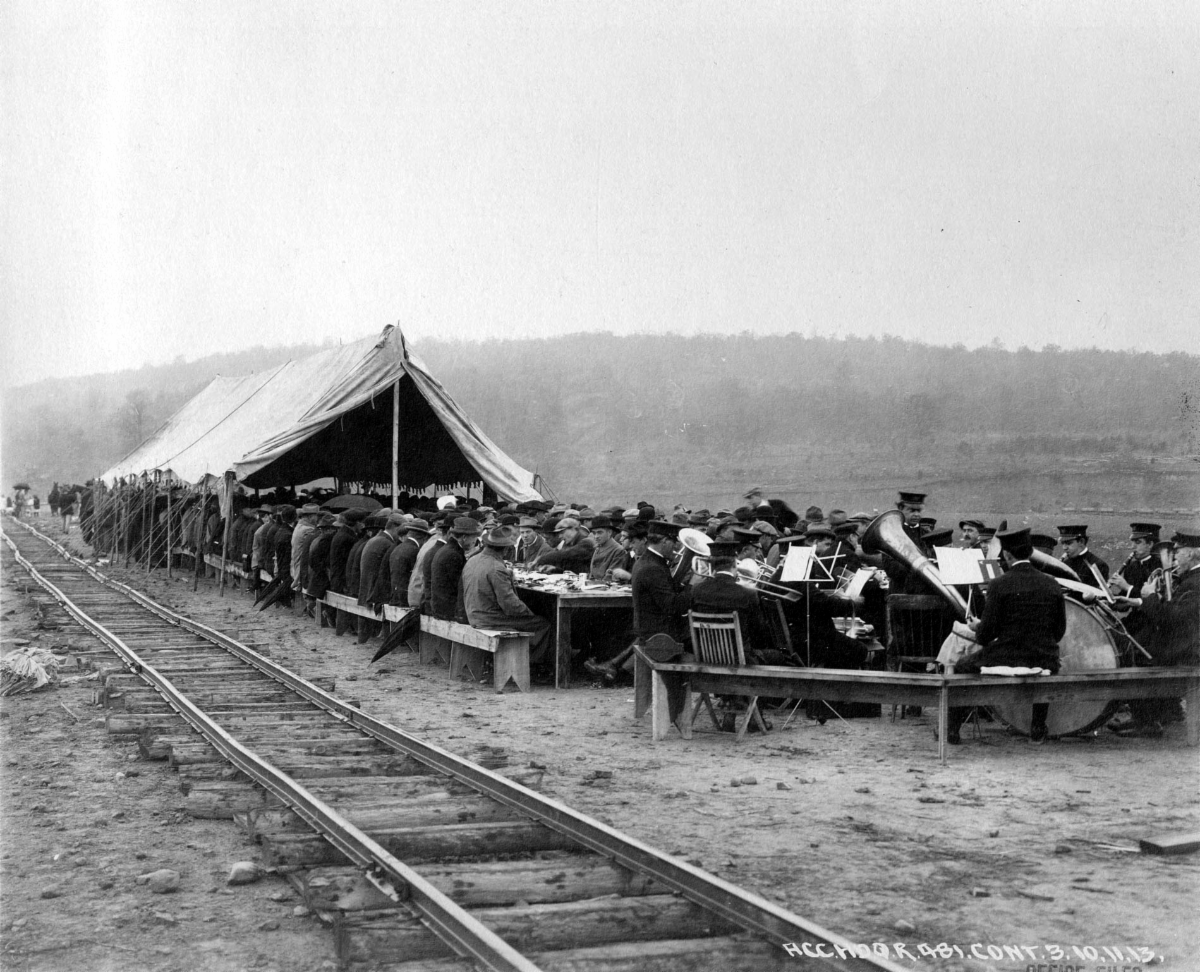
The celebration dinner, October 11, 1913. Photo courtesy NYC DEP.

A TASTE OF THE PAPER


Everyone at Sunday's celebration gets a copy of Reservoir, My Reservoir, a four-page paper we made about the valley before the water, the taking of it, and how the trail came to be. Its title comes from a song those same engineers sang at their 1913 celebration. Here's a taste, from page two:

Storage began on October 11, 1913, and the Board marked the occasion with a dinner. The menu is reproduced on this page. The reservoir took two years to fill. It holds a hundred and twenty-three billion gallons, it covers eighty-three hundred acres, and it covers, entirely, the places named here.

That dinner was 113 years ago this past Sunday. The rest of the paper (and the menu) will be at the trailhead on Sunday.

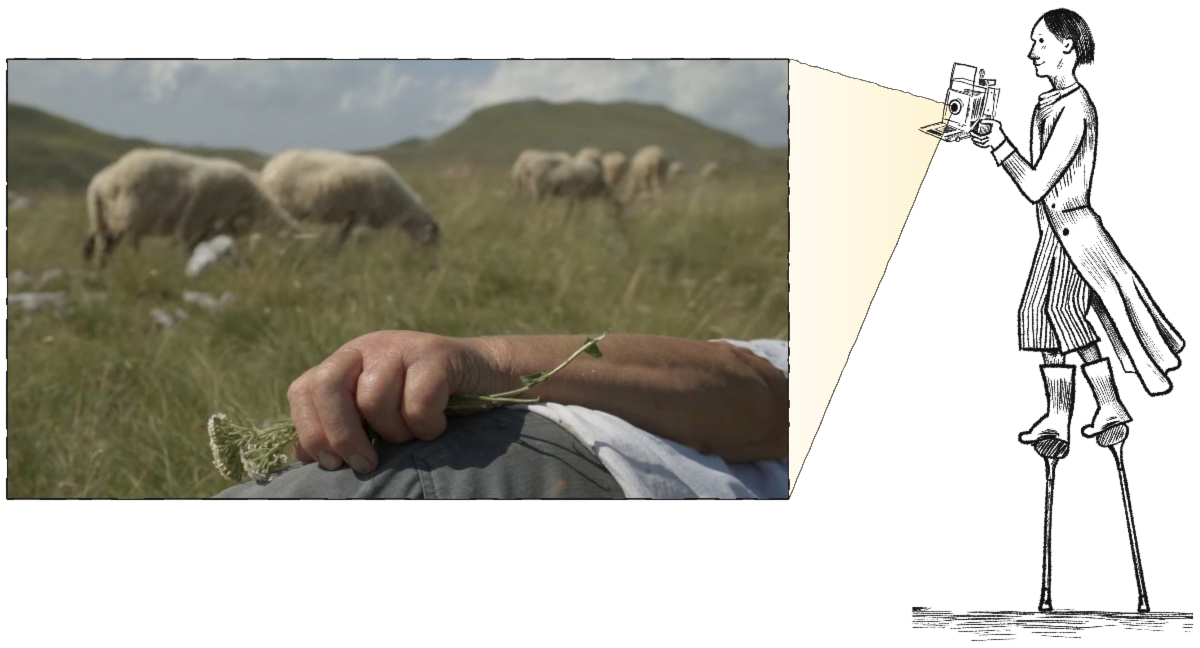
Film still courtesy Wake Up Films.

FRIDAY AT THE MOVIES: TO HOLD A MOUNTAIN


To Hold a Mountain won the World Cinema Grand Jury Prize for documentary at Sundance this year, and we're its community partner at the Woodstock Film Festival. It's set on the Sinjajevina plateau in Montenegro, where a family's ancestral grazing land is threatened by plans to turn it into a NATO training ground. It's about land people have worked for generations and what it takes to keep it. Andy will introduce the film, and co-director and producer Biljana Tutorov will stay for a Q&A afterward.


Friday, October 16, 2:30 p.m., at Upstate Films at the Orpheum, 156 Main Street, Saugerties.


Tickets →

HELP GROW ISRAEL WITTMAN SANCTUARY: AN UPDATE


Last week we asked for help buying the 25 acres of wetland next to Israel Wittman Sanctuary, and you answered. Thank you. We've now raised more than $47,000 of our $100,000 goal, and we have until Friday, October 30, to raise the rest.


Help grow the sanctuary →

If someone sent you this, you can get your own! If you got it from us, forward it to someone you'd take leaf peeping.

Your donations help us continue our work to protect and preserve open lands, forests, water resources, scenic areas and historic sites in Woodstock and the eastern Catskills.


With environmental groups large and small facing unique challenges, we need your support now more than ever. Every dollar makes a difference.


Support WLC today with a financial gift and consider adding us to your estate plan.

Our EIN number is 22-2950482.

2025 Environmental Organization - 1st Place

2026 Environmental Organization - 1st Place

2026 Environmental Advocate/Activist - Andy Mossey, 1st Place

Facebook  Instagram  Youtube