Maybe You Know Something I Don't
Zach and I were talking recently about working together when he mentioned that we agree on most things.
Most things?
Well, of course I had to ask about the things we don’t agree on. 😊
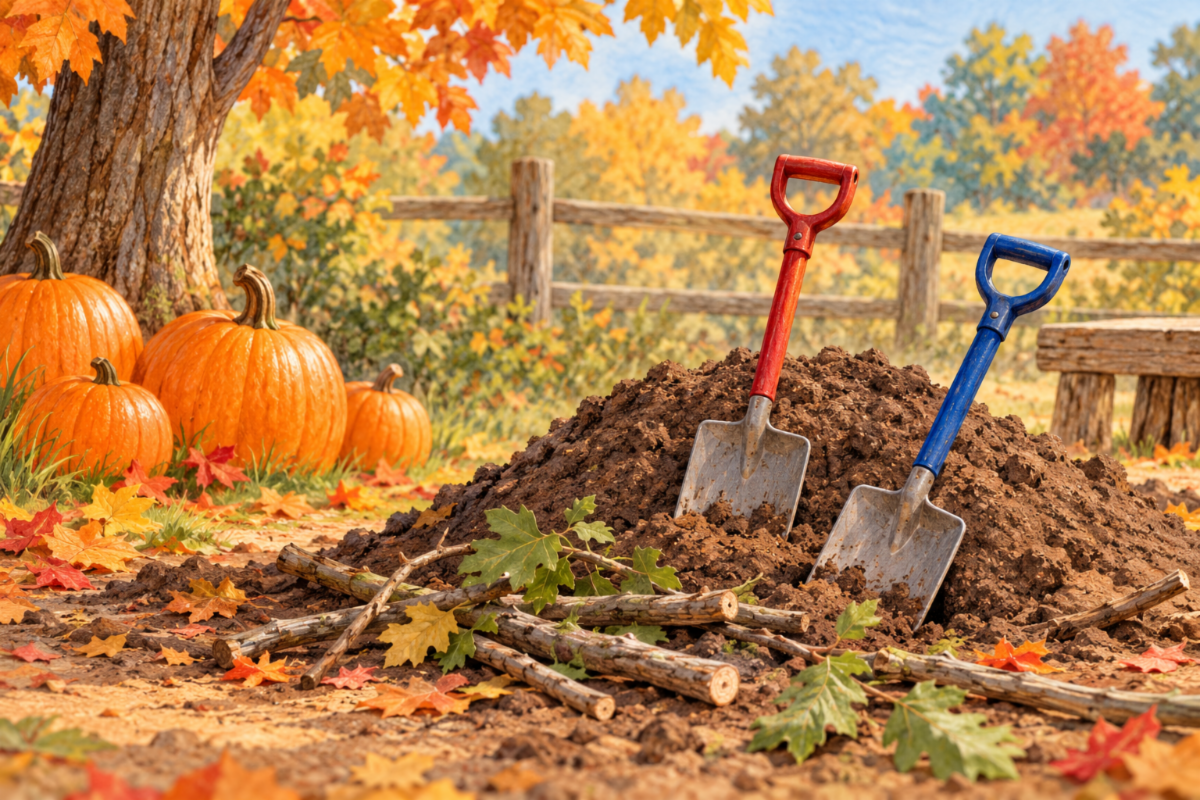
He brought up something that had happened the week before. A couple of the boys were outside using the dirt-pile shovels to chop at branches. Zach was right there supervising, but I stepped in and stopped them.
“Shovels are for digging.”
Apparently, Zach hadn’t entirely agreed with that decision.
And when we talked about it, I could understand why.
From his perspective, the boys were outside, he was supervising them, and chopping at branches with shovels didn’t seem particularly concerning. As he very succinctly put it:
“Boys chop. Girls say shovels are for digging.”
Fair enough. 😂
But there was a piece he didn’t know.
These aren’t plastic play shovels. They’re about half the size of regular shovels, with metal blades. And I had already reminded these particular kids more than once about how they were using them.
With a different combination of kids, I might have let the exact same thing go. In this situation, I knew there was a pretty good chance that enthusiastic branch chopping could turn into somebody accidentally getting whacked with a metal shovel.
Once I explained that, Zach understood my decision differently.
And I appreciated that he had been comfortable enough to tell me he hadn’t agreed with it in the first place.
Because there’s a useful social lesson in there for kids—and grown-ups.
Sometimes we think someone is wrong because we’re looking at the same situation with different information.
We saw what happened.
We didn’t necessarily see what happened five minutes earlier. We don’t know what the other person has already tried, what they’ve noticed before, or what information went into their decision.
That doesn’t mean we have to automatically agree with them.
But instead of jumping straight to, “That doesn’t make any sense,” we can get curious:
“Is there something you know that I don’t?”
Last week, I wrote about teaching kids to go to the source when they have a question or problem.
Maybe this is the next part of that lesson.
Go to the source—and then be willing to learn something you didn’t know.
Sometimes that one missing piece of information changes the whole picture.
|