Five Things High School Students Should do this Summer
Hooray! Summer is finally here! Many of our students have probably been waiting for this moment all year long. For some, summer means staying up late, sleeping in, hanging out with friends, and not having to write research papers. But summer is also a time to think about college and the next steps of life.
With college admission as competitive as it is, every summer activity counts. In fact, Princeton University historically asks on its application: “How Have You Spent the Last Two Summers?” Colleges want to know how you occupy your time. This gives them insight into who you are and what you prioritize.
Colleges look for students who dedicate themselves to activities and projects as they aim to build a well-rounded incoming freshman class. And even if it’s the summer after your freshman year of high school, it’s never too early to figure out how your plans for the next ten weeks may impact potential college applications.
Here are the top five activities to consider that will help you stand out in the college admission process, according to CollegeXpress.
1. Volunteer
Community service begins in the neighboring blocks or miles around your home. Do not neglect to do good in your immediate vicinity. There are plenty of opportunities for you to help others at churches, rec centers, day camps, and more.
You do not have to travel to Fiji to dig a well in order to do community service. In fact, an expensive trip abroad may signal “vacation” more than “volunteering.” If you plan to volunteer overseas, make sure the program has a dedicated service component that is easily understood.
Wherever you go, expect that the experience will change you. It will also confirm your willingness to be a contributing and conscientious (global) citizen.
2. Establish and/or Clean up Your Online Presence
You are probably already active on social media. Now more than ever, it’s essential to use it responsibly; no more inappropriate pictures or language. Instead, create a website with your name and highlight what you do. Upload YouTube videos of you singing, performing in the arts, playing in a game, or simply sharing your vision for the world. Since your online presence is often how people meet you for the first time, make it something you are proud of.
3. Take Classes
Summer classes at a local community college are very different from high school. You should be able to take a course that intrigues you. It may even springboard into your eventual college major. Plus, taking an additional three to six weeks to invest in your long-term education makes you smarter and shows colleges that you are a serious student. It’s also possible to take credit-bearing summer courses that most colleges will accept for credit, which can save you money in the long run.
4. Get a Job
Paid or unpaid jobs (like internships) give you a chance to gain valuable hands-on experience. Many of these jobs can help you to determine what you want or do not want to do later in life. For example, if you work in retail, you might find you do not want to do that later in life. Or, if you intern at a startup company, maybe you will be inspired to learn the nuts and bolts of entrepreneurship. No matter what the job is, at this age, you will emerge better for it. And colleges will be impressed with your work ethic.
5. Visit Colleges
Whether you are a rising sophomore, junior, or senior, you should make a point to spend some time on a college campus this summer. If you have any potential colleges in mind, those should be your priority. But it doesn’t hurt to visit campuses near you either, just to get the experience. Since most college admission offices remain open during the summer, you can pay an informal visit. How will this impress them? Colleges track “demonstrated interest.” When it is time to apply, you will be able to reconnect with an admission officer and build an authentic rapport. If you can confirm your interest in a school, especially from a summer visit, you may shine brighter than the other applicants.
|
|
Middle School Writing Update
Want to read a creative, well-written fictional narrative? All you have to do is come up to the Middle School Language Arts room and you will find many.
Throughout the year your Middle Schoolers have written many different types of writing genres. We started the year writing some personal narratives. It’s always fun to start the year writing about ourselves and our experiences from the summer months. We then wrote informational pieces on a topic we found interesting. Some of those topics were about the different ecosystems throughout the world and The Aztecs. We wrote some persuasive essays over a topic we felt strongly about and some of those topics were about how we should have snow days and why we should protect our environment. We studied and learned all about narratives in our last writing project. We got to choose whether we wanted to write a non-fiction, personal or fictional narrative. We all chose fictional narratives because we are such a creative bunch!
Our current writing project is to write a myth. We have read and studied quite a few constellation myths and we are now in the planning stage of writing our own myth. So, stay tuned for some really fascinating and engaging stories and encourage your child to keep writing during the summer months. All the students know they can share with me any story, narrative, or nonfiction piece and I will read it and give them feedback.
|
|
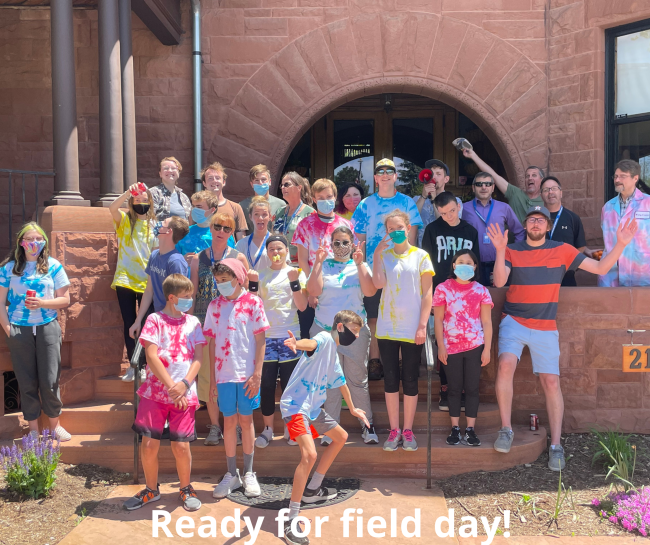
Field Trip to the Denver Botanic Gardens and Field Day
Kyle Pepper, Educational Recruiter and Enrollment Counselor
As the end of the traditional 2020-21 school year quickly approaches, I wanted to take a moment to reflect on the past year of activities at Accelerated Schools. The past school year posed an unprecedented challenge that we all had to overcome. Being able to reward students and take them on community outings and activities during the pandemic has proven to be a great motivator for our students in a time when they already are facing so much adversity and isolation from their peers and community. Since the first day we returned to in-person learning on August 17th, 2020, students have been excellent about abiding by all COVID-19 guidelines and restrictions put in place. Way to go!
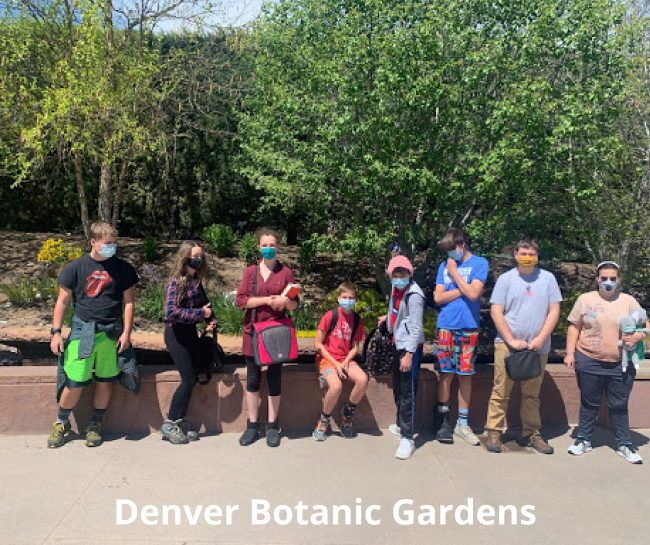
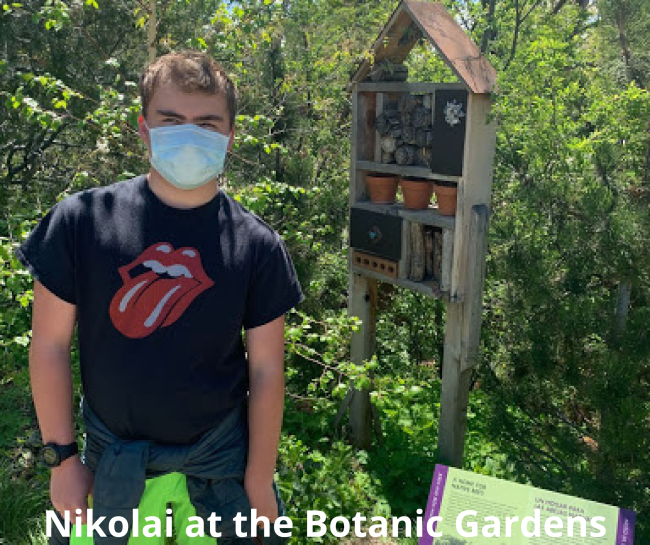
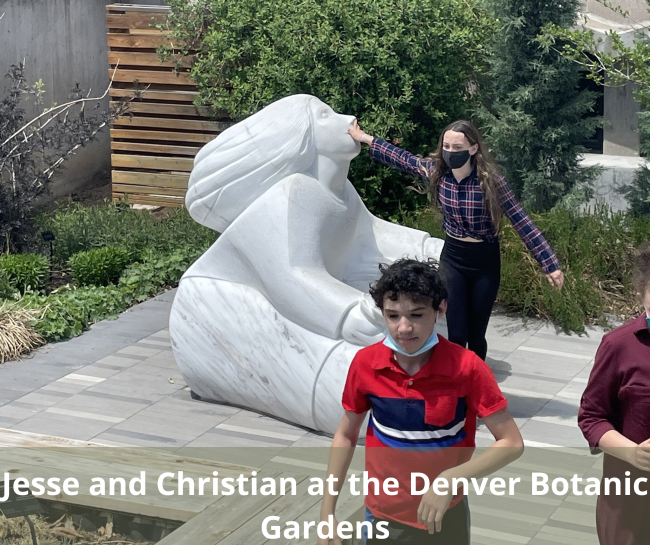
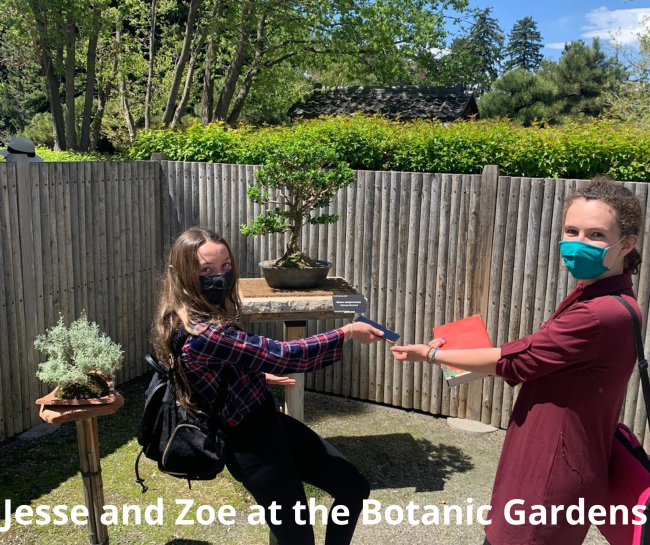
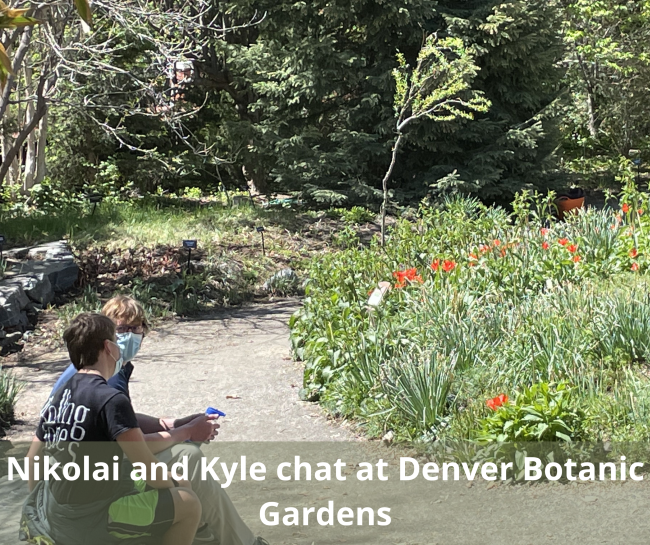
On Thursday, May 17th, Adam Burnett and I took a small group of qualifying students to the Denver Botanic Gardens for the last and final off-campus activity of the 2020-21 Spring semester. The Denver Botanic Gardens at York Street presents a wide variety of gardens and collections on twenty-four acres. We lucked out with beautiful, sunny weather and the students had a blast exploring and roaming the many diverse gardens and learning about the different plant life from all corners of the globe. The gardens on display include eighteen arid gardens that thrive in Colorado's unique climate as well as internationally inspired, ornamental, shady, and water gardens.
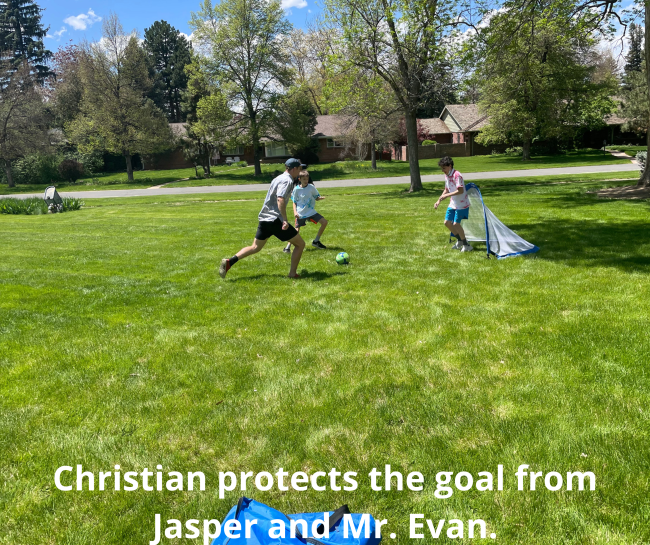
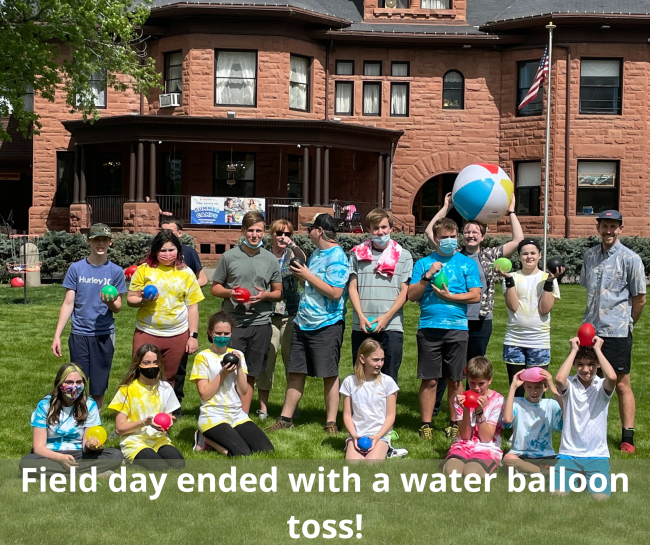
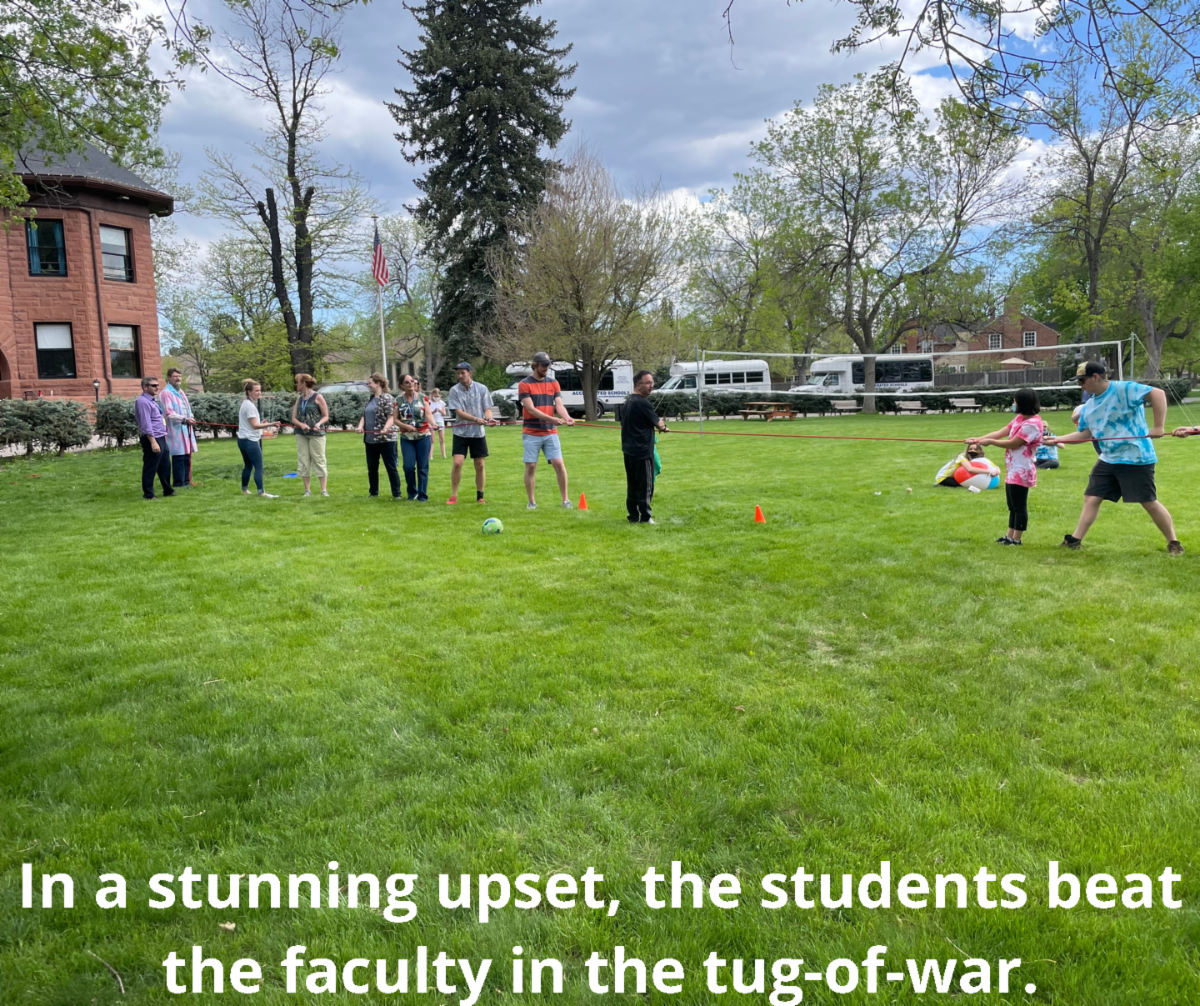
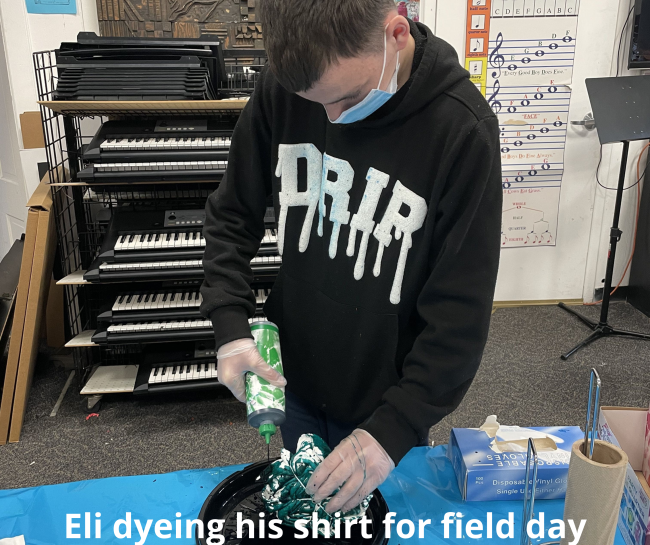
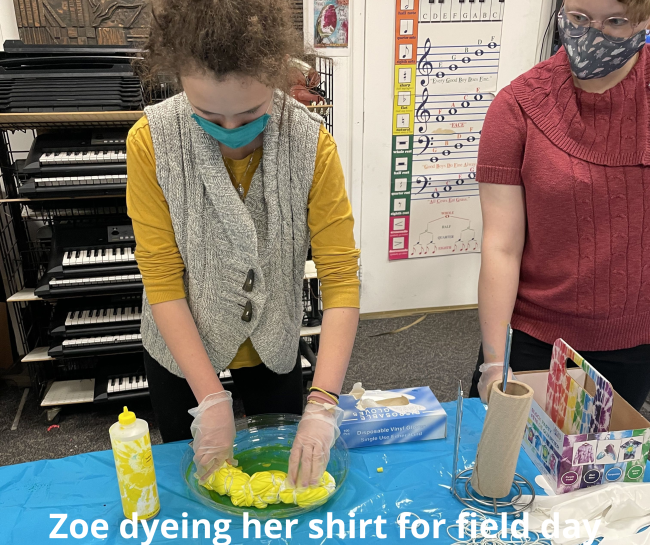
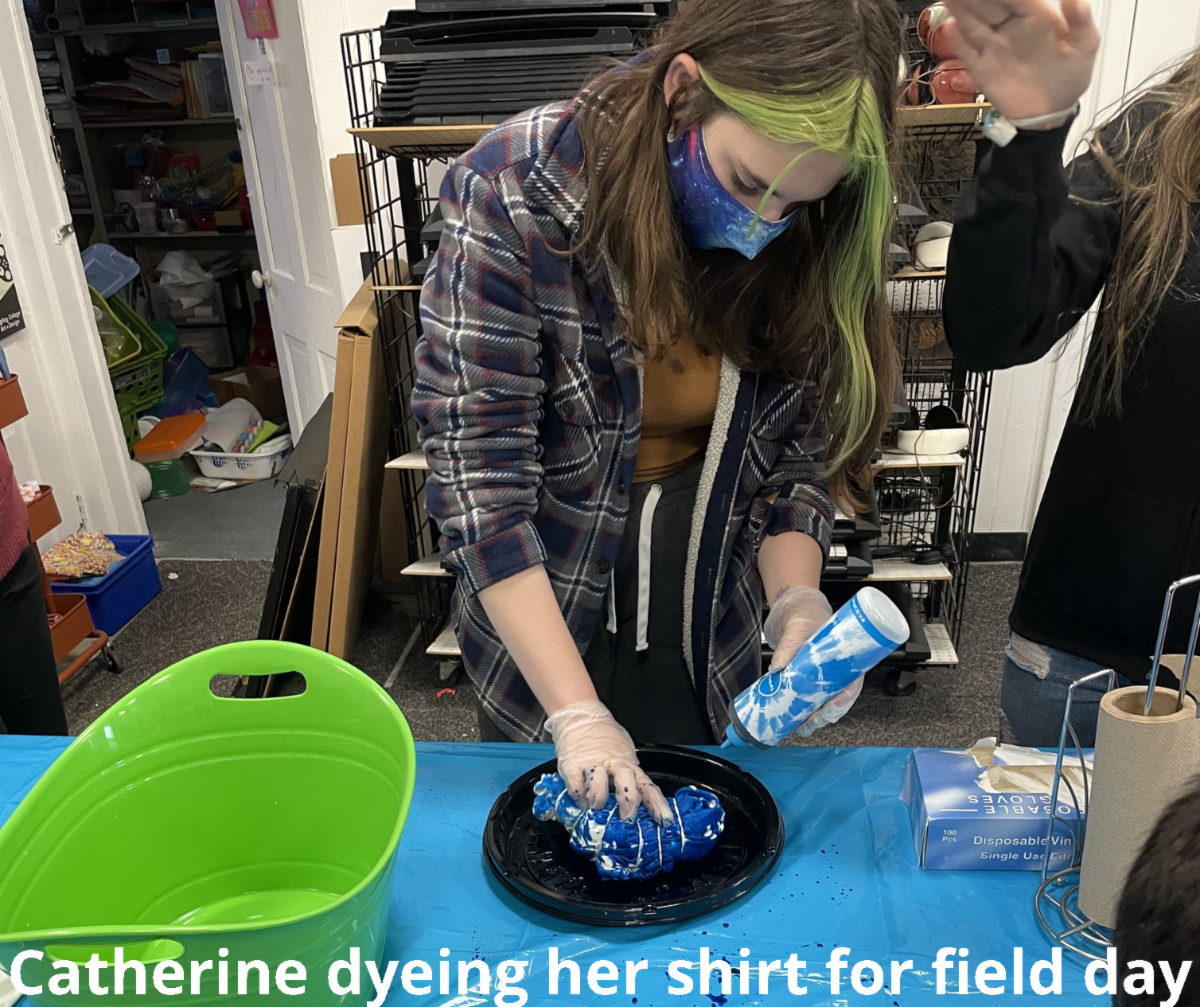
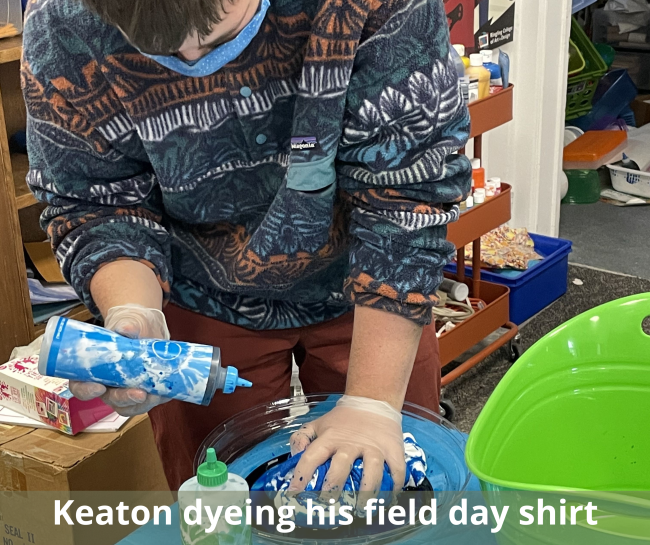
Our next and final “activity” will be our annual Field Day, held on the grounds here on campus on Thursday, May 20th (weather permitting). I look forward to continuing to schedule and plan more community outings and activities for students over the summer. If your child takes a traditional summer break and is not participating in our Summer Program, I look forward to them joining us on future activities in the Fall. I wish you all a wonderful and safe summer!
|
|
Simple and Fun Ways to Prevent the “Summer Slide”
Evyn Marsh, High School Math Instructor and Fine Arts Instructor
What is the “Summer Slide”? The “Summer Slide” is the term used to describe when students take summer break off from academics and start to forget the material they had learned in school and thus “slide” back in their overall knowledge. The types of students most at-risk for this are the younger students, as they are at a crucial time in their cognitive development.
“In general, kids learn a lot more in kindergarten, first grade, and second grade than kids in middle school or high school, because learning follows a curve where it’s accelerated early in life and then plateaus,” says James Kim, Ed.D., an assistant professor of education at Harvard University. “Things like decoding, letter knowledge, and word reading skills are very susceptible to decay without frequent practice, as are math facts like addition and subtraction.”
Whether or not your child is participating in academics with us this summer, continuing to maintain your child’s academic brain is important. The brain is a powerful organ in the body that allows us to think, act, and feel human. However, just like any other part of our bodies, the brain will need some periodic use or “exercise” in order to maintain functionality. What this means for our students is that we should be encouraging them to use their brains all year long! If your family has decided to take the summer off from academics, you can actively prevent the dreaded “Summer Slide” by trying some of the following activities:
· Letting children read stories and books that interest them, and that they find enjoyable
· Read to your children! Even children that claim they are “too big” to be read to can still enjoy some one on one time with their family with age appropriate books.
· Encourage your children to read to you or each other. This is also a great time to encourage their voice acting skills if you want to turn up the fun.
· Making time for play! Many collaborative and solo games incorporate academic skills while still being fun, such as Monopoly (Practicing money skills), Sudoku (Logic and Reasoning), or even Tetris (Spacial Awareness)!
|
|
Music News
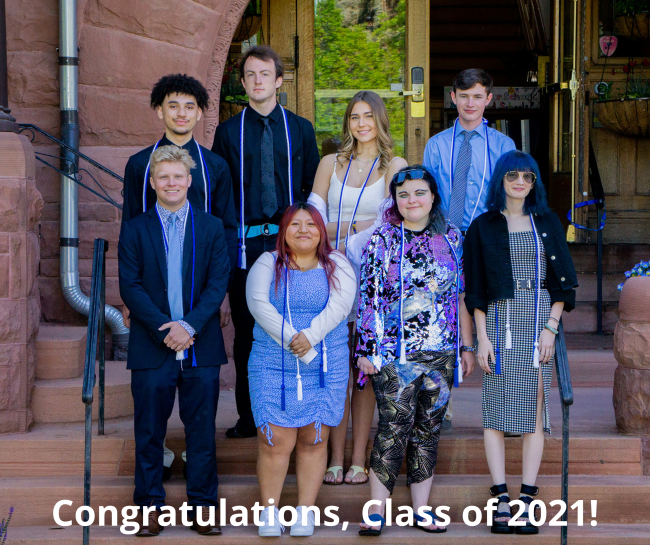
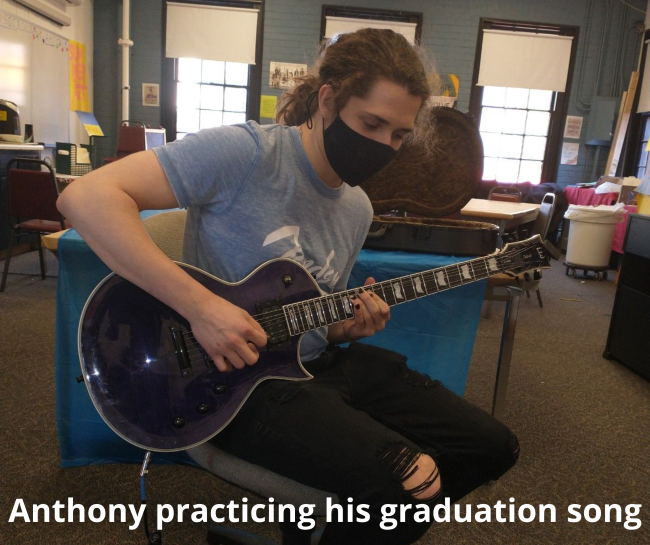
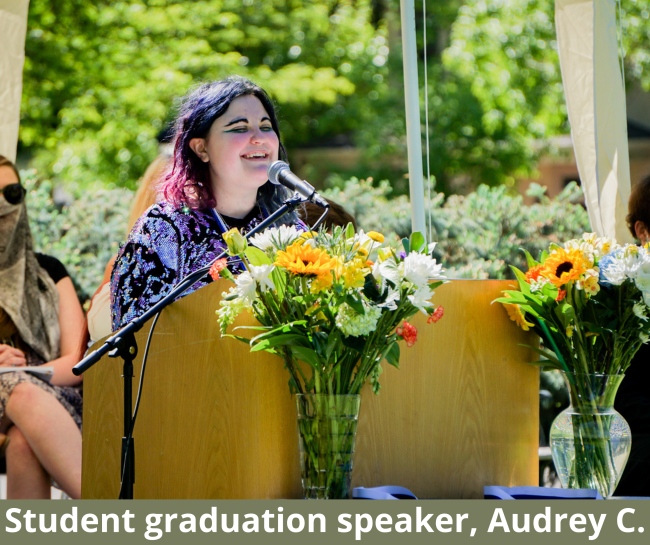
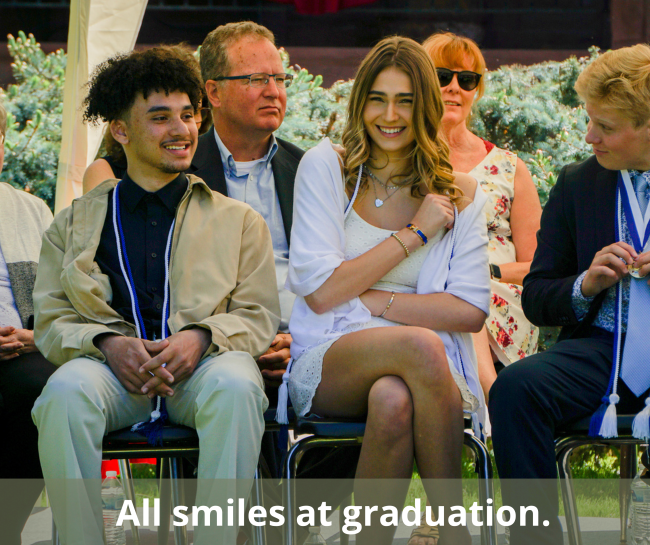
We finished the year strong, and I was so happy to be back in school to experience it. Students excelled as they shared their vocal and instrumental accomplishments with each other. These events were followed by a wonderful electric guitar performance by Anthony S. in the graduation ceremony on the front lawn of Accelerated Schools. It certainly was a year to remember.
I hope that students continue to practice and explore the instruments they have at home this summer. There is no telling what they may discover.
See you next fall!
|
|
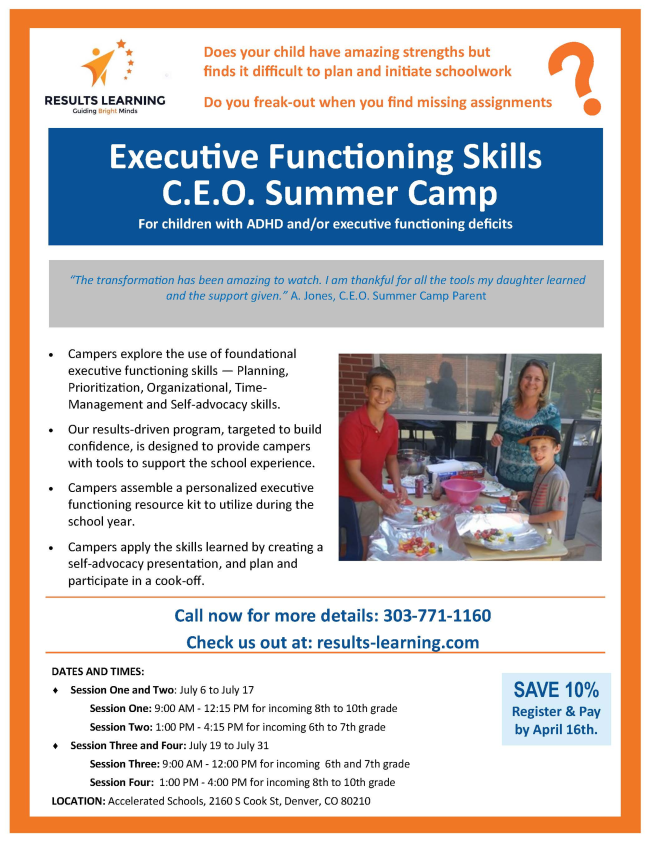
Summer Camps at Accelerated Schools
|
|
|
|
For more than 40 years, concerned parents have turned to Accelerated Schools for individualized learning programs helping students overcome challenges, and excel academically. The fact is, a traditional school system is not designed to meet the needs of every child. When a student is not being successful, or is not thriving in a traditional environment, parents must often look elsewhere for a solution. This is were Accelerated Schools comes in.
Accelerated Schools begins by creating a learning program designed specifically for a student. Our work points are toward changing the ratio of failure to success and by cultivating an environment of accountability. Our students are given attainable goals and are rewarded by celebrating their accomplishments. Once a student starts experiencing success, their attitude, motivation and effort improve dramatically. This ends the negative cycle and leads to positive academic progress and positive self-esteem.
|
|
|
If you have comments and/or suggestions about our newsletter, email Adam Burnett.
|
|
|
|
|
|
|