|
This Month's Newsletter is Packed with Some Exciting Upcoming Events, and The Latest Research Including The First Joint Consensus on IBD with IBS-Like Symptoms.
Plus, Cozy, Nourishing Fall Soups and Ideas to Celebrate Halloween Inclusively Without a Food Focus.
| | Discover The Nutrition Hub at UEG Week 2026 | | |
Explore. Taste. Learn. Connect.
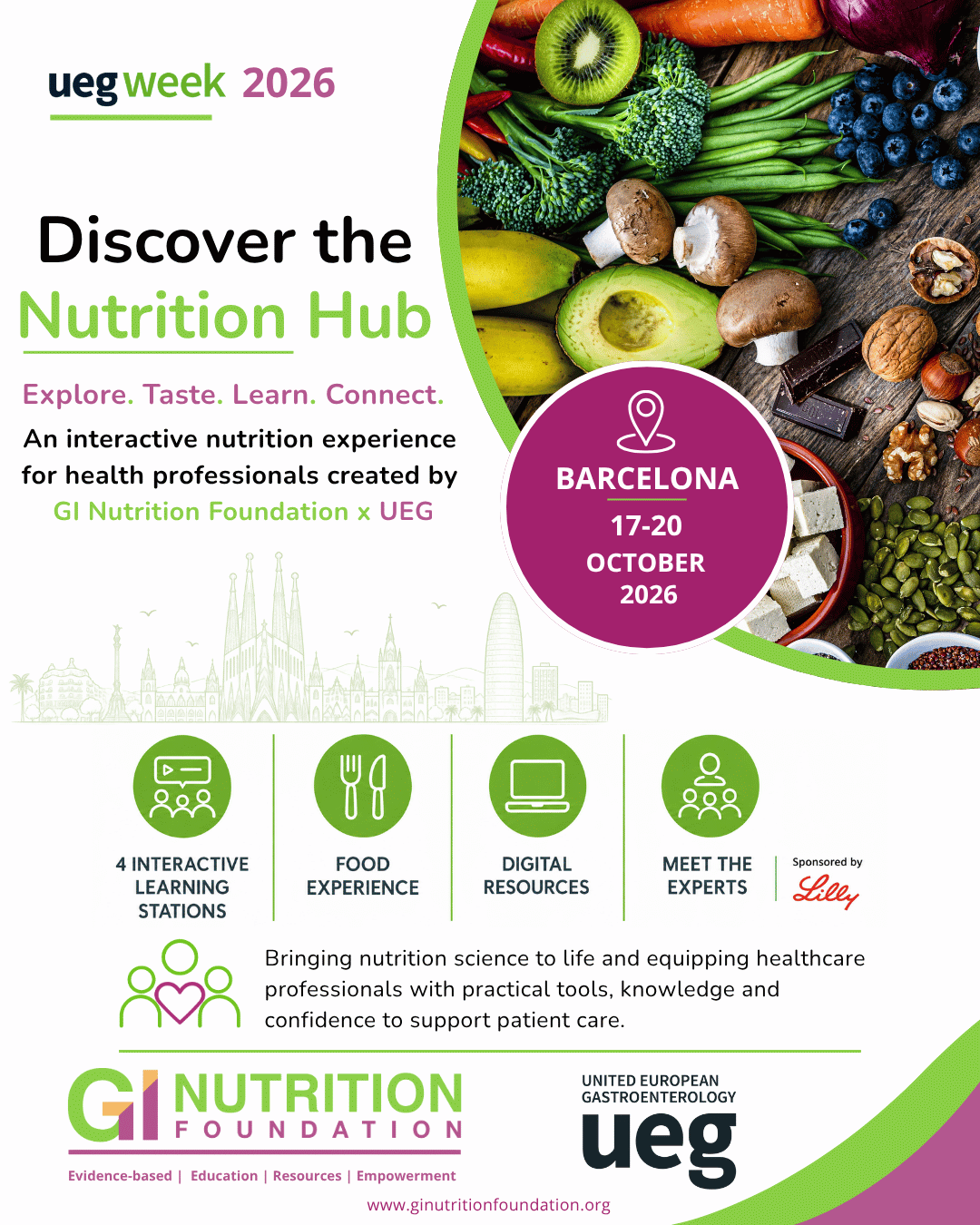
From October 17-20, the GI Nutrition Foundation will be at UEG Week 2026 in Barcelona to help healthcare professionals integrate nutrition and diet into GI care.
Step inside the Nutrition Hub, an exciting, interactive destination created by GI Nutrition Foundation in collaboration with UEG.
“What should I eat?” is one of the first questions patients ask following a GI diagnosis. The Nutrition Hub brings nutrition science to life, helping healthcare professionals navigate that question with greater knowledge, practical tools, and confidence.
Explore evidence-based nutrition through four interactive learning stations, digital resources, a food experience, and the "Meet the Experts" presentation series, sponsored by Lilly, featuring leading international GI experts. Discover the latest research, learn about dietary approaches used in GI care, explore the essential role of fiber, and take away practical strategies to support nutrition conversations with patients.
Designed to go beyond the science, the Nutrition Hub is a place to discover what’s new, connect with experts, and see how evidence-based nutrition can be practical, approachable, and integrated alongside medical care. Click Here to learn more.
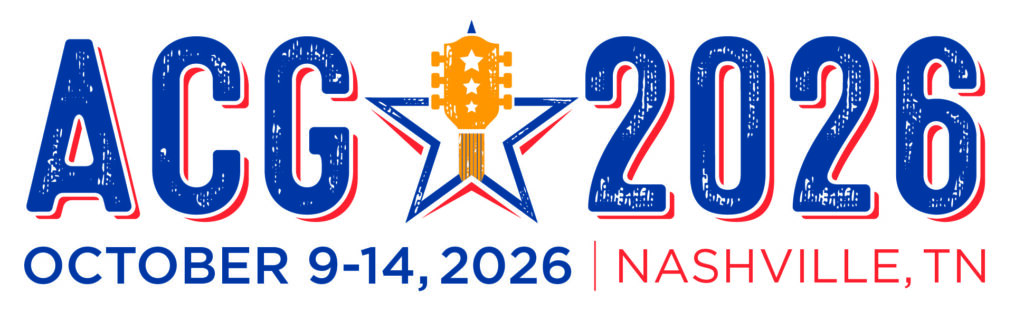
| | Come visit us at Booth #2510 at the Music City Center in Nashville during ACG 2026 taking place October 9-14th. Click Here for more details and registration information. | | World Ostomy Awareness Day On Saturday October 3, 2026 | |
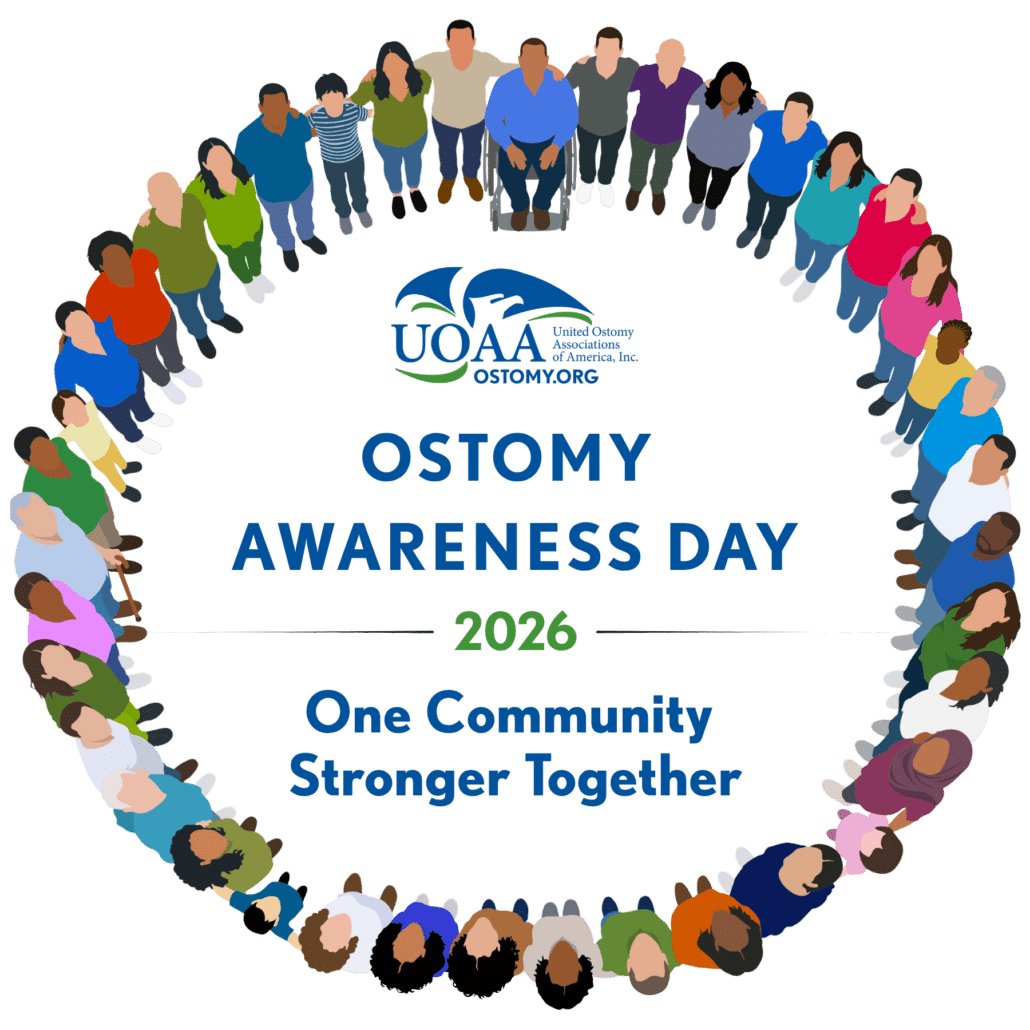
| | Everyone is invited to celebrate Ostomy Awareness Day on Saturday, October 3, 2026! This year’s theme is One Community – Stronger Together. Whether you have or have had a colostomy, ileostomy, urostomy, jejunostomy or any continent diversion. Whether you are a caregiver, medical professional, family or friend of the cause we are one community that is stronger when working together to educate the public on these life-changing and often life-saving surgeries. Check out the United Ostomy Association of America’s page for more information about events taking place to raise awareness. | | | | Fourth Annual Mount Sinai Nutrition & IBD Education Session | | |
The Fourth Annual Mount Sinai Nutrition and IBD Education Session offers both in-person and virtual options over the two-day event. On Tuesday, October 27 from 5–6 PM at Mount Sinai Hospital, James Lewis, MD, from the University of Pennsylvania will be the guest speaker. Following the 1/2-hour presentation, there will be an interactive tasting experience featuring IBD-specific dietary tastings along with Mediterranean-inspired snacks and appetizers. It will be a great opportunity for practical nutrition education, food, and conversation with colleagues.
The program will continue on Wednesday, October 28 from 9 AM–12 PM with the Virtual IBD Nutrition Symposium, featuring clinically focused presentations on supplements and IBD, microplastics, enteral nutrition, geriatric nutrition, GLP-1s, and more. Click Here to register.
| | Crohn’s and Colitis Canada’s Meeting of the Minds Nutrition and IBD Symposium | |
| | The Nutrition in IBD Symposium will take place at the Westin Harbour Castle on Sunday, November 8, 2026. This symposium will address the importance of nutrition and diet in IBD for the multidisciplinary team. Click Here for more information. | | | | The First Joint Consensus On IBD With IBS-Like Symptoms Is Here | | |
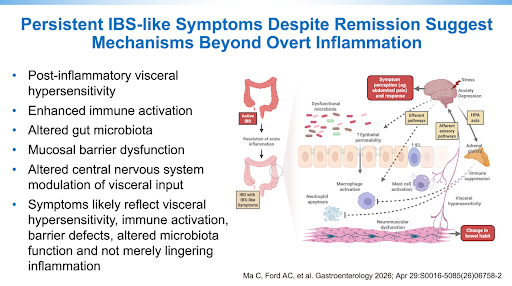
Despite no active inflammation, one in every three patients with IBD in remission experiences abdominal pain, irregular bowel movements and bloating.
- IBD and IBS are no longer separate diagnoses; they are connected and can occur in patients in remission
- An additional risk factor is that approximately 10% of individuals develop IBS following gastrointestinal infection
- The immune alterations underlying IBD, as well as those induced by acute gastroenteritis, may persist over time as low-grade inflammation, which is considered one of the key mechanisms involved in IBS-like symptoms
👉 Read here the first consensus involving scientists, healthcare professionals and patients with IBD sheds light on involved causes and tips for managing it
| | Dietary Restriction Is Not The Final Goal In IBS | | |
A new Mexican study found no difference in the number of people experiencing adequate relief between the personalized low-FODMAP diet (54.5%) and eating a balanced diet (NICE diet) (41.2%):
- Personalized FODMAP diet yielded symptom improvement comparable to NICE dietary advice while preserving nutritional adequacy
- Personalized advice and close follow-up with a dietitian for patients who restricted fermentable carbohydrates that they least tolerated may partially explain the findings
- Eating right for better gut health has more to do with what healthy foods you include rather than what foods you exclude
👉 Learn more
| Heating, Cooking And Processing Affect The Content Of Fiber In Foods | |
- Fiber is not one substance: soluble, insoluble, and fermentable fibers differ in viscosity, fermentability, and physiological effects
- Cooking foods can modify the fiber amount 👉 dried onion has higher content of fructans compared to raw and cooked onion
- Because people differ in metabolism, gut microbiota, symptoms, and health goals, optimal fiber type and amount should be personalized rather than one-size-fits-all
👉 Find out more tips and tricks to choose the right fiber type and amount for managing gut disorders
| | We are thrilled to welcome Bethany Doerfler, MS, RDN, and Nirmala Gonsalves, MD, to our Medical Advisory Board, bringing expertise in eosinophilic gastrointestinal disease. We appreciate their contributions to advancing our resources and mission. | |
| | |
Nirmala Gonsalves, MD
Dr. Nirmala Gonsalves is a Professor of Medicine in the Division of Gastroenterology & Hepatology and Northwestern University – The Feinberg School of Medicine. At Northwestern she serves as the Director of the Northwestern Eosinophilic Gastrointestinal Disorders Program and has authored numerous consensus guidelines, original research publications and presented extensively at international society meetings, invited grand rounds, and symposia focusing on eosinophilic gastrointestinal diseases (EGIDs).
| | | |
| |
Bethany Doerfler, MS, RDN
Bethany Doerfler MS, RDN is the Senior Clinical Research Dietitian for the Digestive Health Institute at Northwestern Memorial Feinberg School of Medicine. Her clinical practice and research prioritize lifestyle management of digestive diseases including GERD, inflammatory bowel diseases, motility disorders, and eosinophilic diseases. She is one of the founding members of the GI behavioral medicine team at Northwestern Medicine which offers GI nutrition and psychogastroenterology for patients seeking digestive health.
| | | | Making Halloween Enjoyable and Inclusive Without Making Food the Focus of the Celebration | | |
Halloween is all about fun, and kids with GI conditions can enjoy the festivities too!
Take the focus off food by creating opportunities for kids to enjoy the holiday through costumes, decorating pumpkins, spooky crafts, Halloween music and games, or a neighborhood scavenger hunt. Encourage neighborhood families to consider a non-food treat such as small toys, stickers, glow sticks or other fun surprises.
If traditional Halloween candy doesn’t always agree with your child’s dietary needs, consider starting a “Switch Witch” tradition. Let your kid’s trade in the candy treats for a special non-food surprise, such as a small toy, book, craft or fun activity. Families can also keep GI-friendly alternatives on hand, such as individually packaged snacks that fit the child’s usual dietary needs, so everyone can participate in the excitement of Halloween. Use the Halloween Filter on our Recipe Database to find some healthier homemade treats.
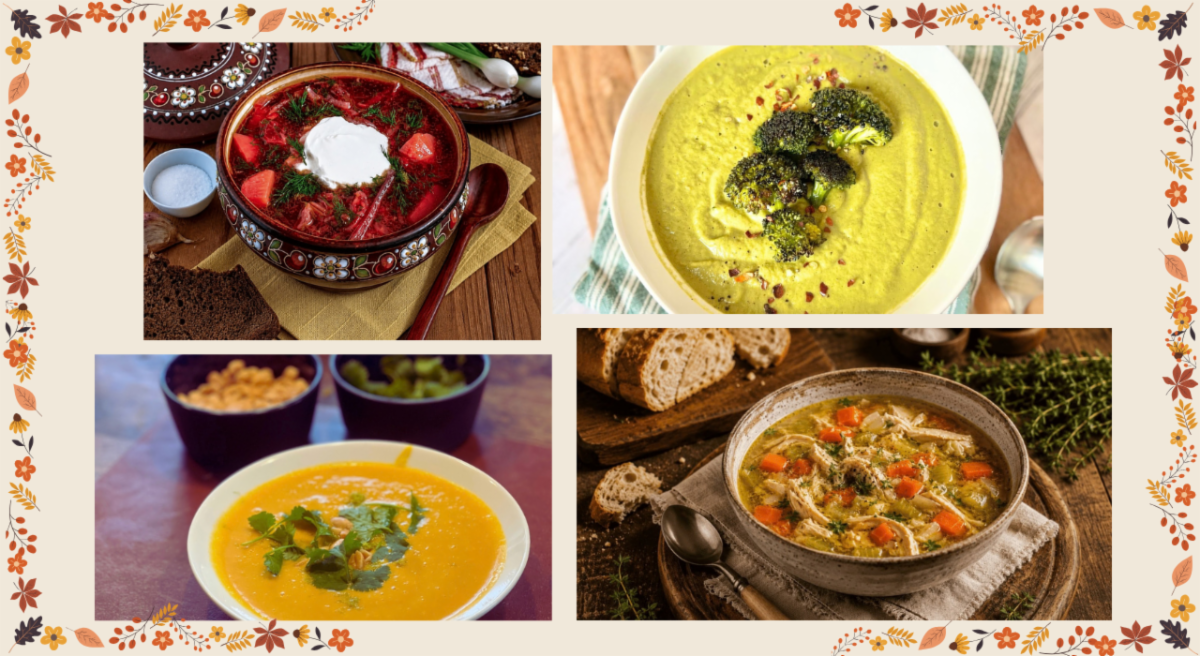
| | As the temperatures begin to cool, fall is the perfect time to enjoy a comforting bowl of soup. Warm, nourishing, and easy to customize, soups can be a great way to incorporate seasonal vegetables, lean proteins, and other nutrient-rich ingredients while adapting recipes to individual GI needs and tolerances. Here is a sample of some delicious fall soup recipes from our recipe database. | | Know someone with IBD, IBS, Celiac, or EoE looking for information on evidence-based nutrition? Forward them this newsletter! They can sign up to join our community and receive our monthly newsletter here. | | We are grateful for the collaboration and support of our Corporate Partners! | | *Please note that the GI Nutrition Foundation does not provide medical advice. The content provided here is for informational purposes only. Patients should always talk with their healthcare providers before changing their diet.* | | | | |