Header - The Leading Edge

Is your Perspective Helping, or Hurting?

As a Leadership Coach I love witnessing my clients’ moments of clarity, like when . . .

  • The thing they’ve been fretting about turns out even better (!) than OK.
  • That super-irritating-to-them person becomes likeable once they’ve built rapport.
  • The way forward becomes more manageable after they go for a walk or have a good night’s sleep.


And. Even these inspiring leaders struggle with not-great habits, like . . .

  • Replaying past incidents over and over and over (i.e. that dumb thing they said last week, or when others have “done them wrong”).
  • Grinding away on a problem, convinced they’re the only ones who can fix it.
  • Ignoring problems or complaints, and then fixating on them (aka catastrophizing) at 3 am.


Oy.


Yes, sometimes we can trace our actions to the specifics of the situation . . . or low blood sugar.


But really? The common thread of clarity or confusion is often psychological distance, aka the distance we feel from something (or someone).


In and Above the Falls


Psychological distance expands and contracts our mental horizon.


Here’s an analogy from my recent visit to Iguazu Falls, the world’s largest waterfall system (275 falls!) that borders Argentina and Brazil.


Zoomed in

Both countries have done a stand-out job of letting visitors get up close to this awe-inspiring force of nature, including in a jet-boat which is super-fun (and super-wet) for experiencing all the details that matter.


A world beyond

A network of boardwalks opens up different vistas, kinda like taking a deep breath (or three) during a charged conversation.

Zoomed out

My first helicopter ride ever was over the falls, and gotta say, the big picture was spectacular. Like those “ah-ha” moments when you suddenly realize someone’s behaviour has absolutely nothing to do with you.


Zoomed in, Zoomed out: Finding the Sweet Spot.


Whether near or far, psychological distance is a way of changing the focal point to best suit the situation.


When we’re zoomed out, we see beyond the minutaie and have a simpler, more defined and less ambiguous perspective. We can identify what’s meaningful and see why it matters.


When we’re zoomed in, we see the countless details. This shift from the why to the how helps us assess the feasibility of different options.


Neither view is always best. The goal?


Be aware of our current view setting, assess if it’s working, and intentionally choose the lens that supports us, and our teams, to bring our best to what’s needed now.


Where to start?

First some self-compassion if you're struggling cuz it's yucky when things are hard.

And then?


Zoom out when you are . . .

* Feeling stressed or overwhelmed (including during conflict). Connecting to the "why" get us in the helicopter versus sucked into the eddies. We’re more positive about the more distant future and more likely to make choices aligned with our core values. It's probably a strategy you used 5 years ago to carry on during COVID.


* Doubting yourself. Seeing yourself from the third person gives you a clearer view of your strengths and character. You remember what you’re capable of.


* Struggling with self-control. Thinking of your Future Self (or putting the bag of chips back in the top cupboard) helps us recognise what’s really important.


* Planning. Expanding the focus liberates you to set priorities versus obsessing over short-term obstacles.

Zoom in when you are . . .

* In a crisis or solving a specific problem. Considering the "how" of an activity and concentrating on immediate actions prevents overwhelm so you can find precise solutions.


* In deep conversation. Listen deeply.


* Stuck in broad resentment of someone. Zooming in helps us consider situational circumstances (your colleague had a hard day) rather than attributing personality traits (they’re a terrible person). It builds belonging and positivity about others.


* Confused about a social situation. Tune into the spoken and unspoken cues. When we’re psychologically closer, we’re more attuned to the social context and others’ attitudes.


Focus with Purpose. Move with Clarity.


Shifting our viewpoint helps us better assess situations, communicate more clearly with those in a different zoom setting, process our emotions more quickly, and identify how to move forward.


The trick?


Knowing when to focus on what’s right in front of us and when to look beyond.


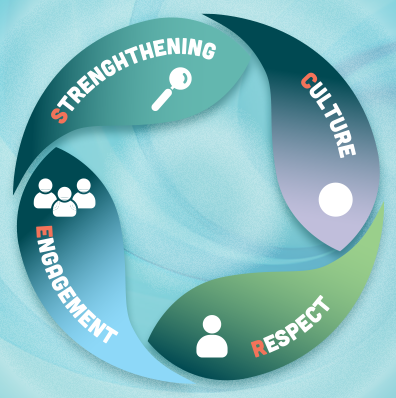
SCORE: The Front-Line Focus Tool


The super-power of intentionally zooming in and out is good for everyone – you, your leader colleagues, and your front-line staff.


And you don’t have to muddle through and figure out how to do it on your own.


* It’s what leaders gain from Leadership Coaching.

When it’s tough to shift perspectives on our own, coaching works cuz it’s not about telling you where to look – it’s helping you adjust the lens so you can see for yourself.


* The more the merrier.

Leadership teams can expand their capacity together in the Academy for Compassionate Leadership.

* Front-line teams practice it in the SCORE program.

I think that's why SCORE is so effective at reducing workplace incivility and why the first BC-based SCORE pilot groups reported a lighter work atmosphere post-program.


And btw, the SCORE improvements are sustained over time.


Learn more with a 7-minute video from the SCORE creator, a 35-minute webinar recording that walks you through the program and the research behind it, and a bunch more resources.


Either way, let’s connect.

I can share real examples of how leaders and teams have used psychological distance to create lasting improvements, and help you assess what can fit for you and your teams.

About the Author

Mary Ellen Sanajko is an internationally recognized speaker, trainer and leadership coach.


In the last 25+ years she's worked with small- to large-sized organizations, and teams of all shapes and sizes to build workplace harmony through coaching individual leaders and teams, training programs, and guiding the acclaimed Academy for Compassionate Leadership.

She's a certified teacher of the Search Inside Yourself program, a mindfulness-based emotional intelligence program born at Google and based in neuroscience. 

If there's anything I can do to be of service for you or your team . . . feel free to reach out to set up a free, 20-minute exploratory conversation.


You might just end up turning barriers into bridges. 

LinkedIn