¡Versión en español a seguir! | | This month at QSLA, we focus on providing support on immigration for families and the children they work with. | |
Welcoming Environment
Ensure Your Program Feels Inviting
| | | QSLA's Immigration & Safety Resources | | |
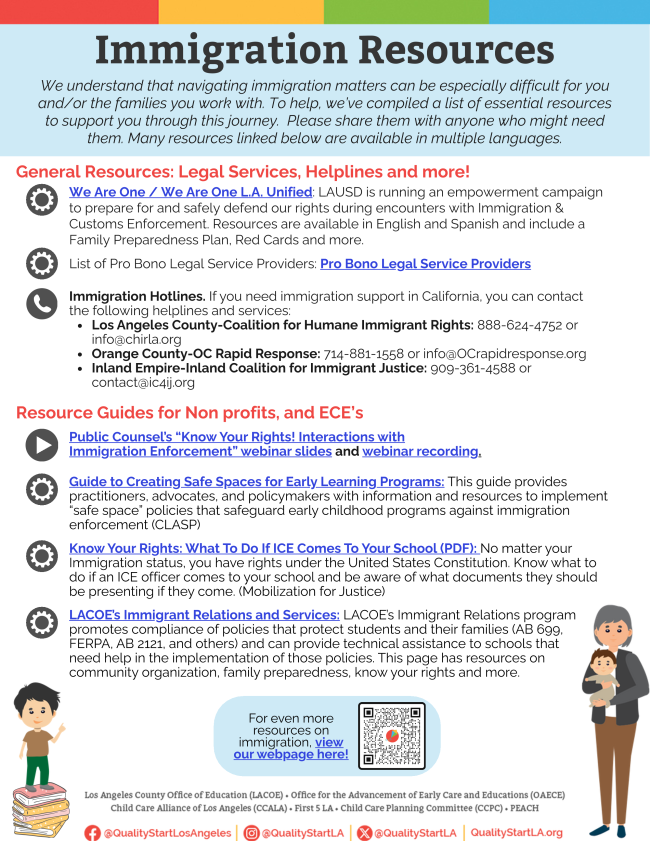
Our QSLA team understands that navigating immigration matters can be especially difficult for you and the families you work with currently. To help, we’ve compiled a list of essential resources to support your early learning community through this journey. Please share these resources with anyone who might need them!
- Many resources linked below are available in multiple languages.
- Webinars and recordings regarding immigration advocacy, legal expertise, and children's educational rights
- General resources for legal services, helplines, and pro bono supports
- Resource guides for non-profits and ECE programs
| | | This resource will support ECERS-R: Item 9 and FCCERS-R: Item 35- Provisions for Parents, PAS: Item 16- Family Communications, and BAS: Item 7- Provider Parent Communications. | |
Family Partnerships
Work with Families to Build a Stronger Program
| |
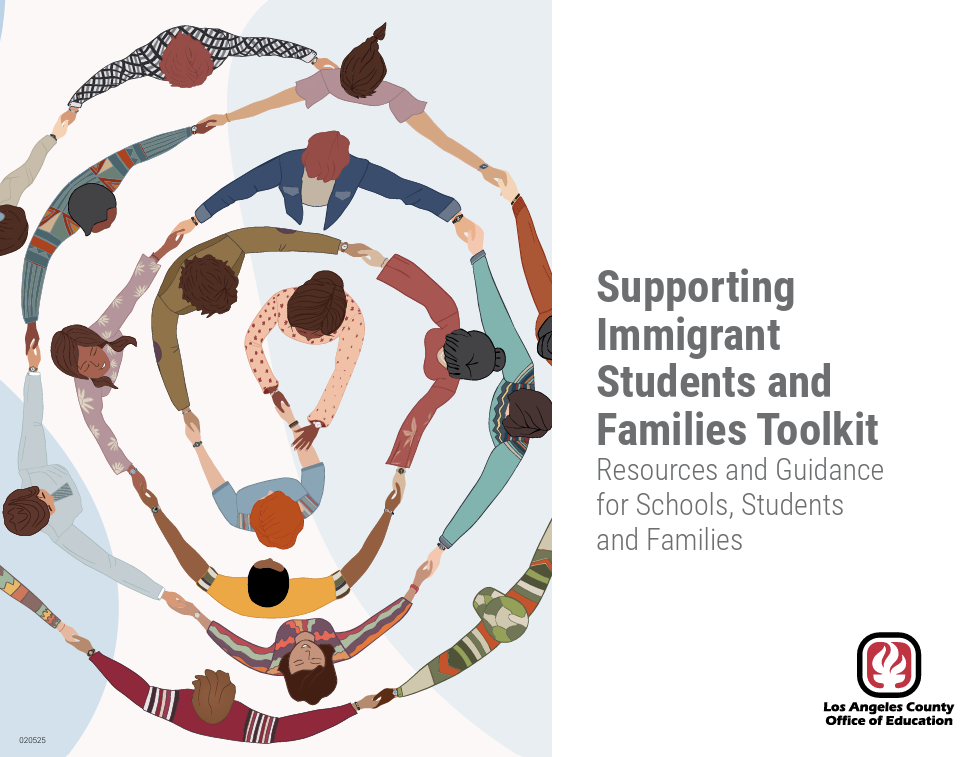
| Supporting Immigrant Students and Families Toolkit | | To quote Debra Duardo in her opening message within this toolkit, "every child has the constitutional right to a quality education, regardless of immigration status." Prepare your early learning program to offer a safe haven of support for families experiencing issues with immigration policies with guidance from "Supporting Immigrant Students and Families Toolkit." Let's equip ourselves (and the families we work with) to empower and educate ourselves in this uncertain time of mass deportations! | | | This resource will support ECERS-R: Item 38 and FCCERS-R: Item 35- Provisions for Parents, PAS: Item 16- Family Communications, and BAS: Item 7- Provider Parent Communications. | |
Community Partnerships
Use Community Resources to Strengthen Program Quality
| | | |
Nonprofits & Businesses:
Know Your Rights! with Public Counsel
| | |
Public Counsel offered a webinar recording to support nonprofits and small businesses in understanding their rights and responsibilities in the event of U.S. Immigration and Customs Enforcement ICE visit to their office, business, or facility, and for leadership to help empower staff with knowledge on how to navigate ICE enforcement. This is accompanied with a publication on this topic with sample policies included, please find it here. The webinar recording (use button below) helps provide clarity on:
- Your rights when interacting with ICE
- Why you should have a written policy regarding ICE interactions
- What the policy should consider and say
- How you can implement your policy to give guidance to staff if ICE shows up in person
| | |
Along with the copy of the presentation slides (use button below) and the recording of the presentation, your program could also find help in reviewing the following:
| | Knowing and using these community resources will support PAS: Item 17- Family Support Involvement, BAS: Item 8-Community Resources, and NAEYC Accreditation: Standard 7-Families | |
Equitable Approaches to Supporting Children and Families
| |
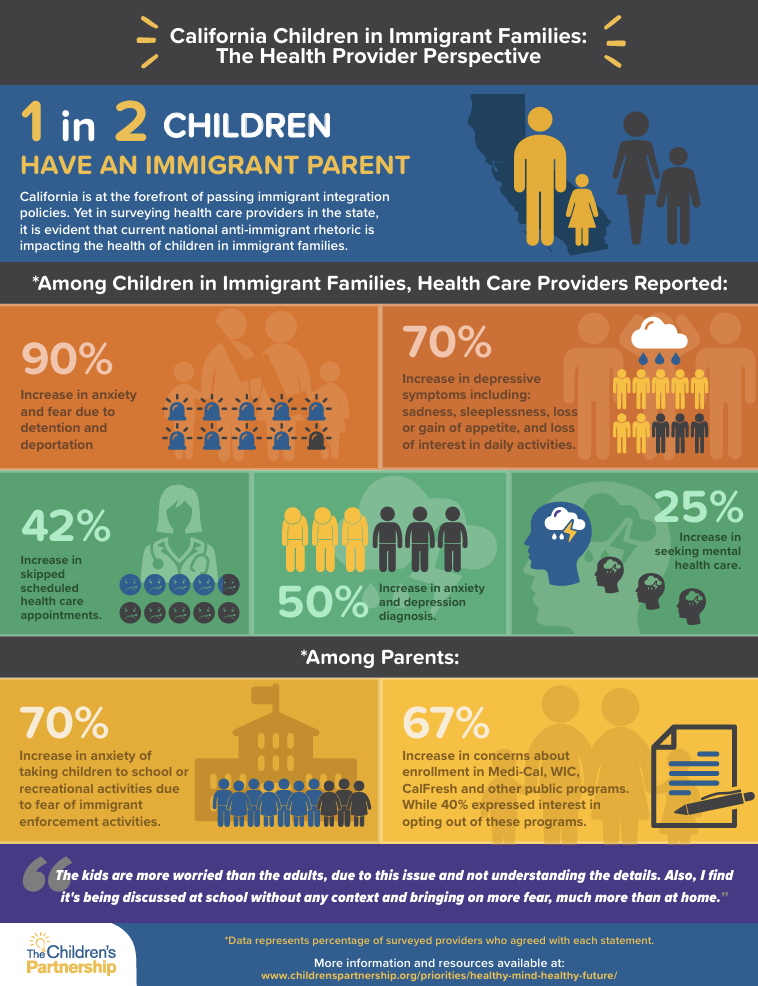
| California Children in Immigrant Families: The Impact of Anti-Immigrant Rhetoric | | |
As the science of child development has shown us, young children are in fact affected by the messaging and behaviors in their surroundings - even if they don't yet fully understand what may be happening. The recent waves of mass deportations and harmful messaging against immigrant families is likely hurting the young children from immigrant families enrolled in our ECE programs. Explore this research infographic below for a deeper understanding of how that is - and share with your colleagues!
| | |
Staff Development and Support
Enhance Your Family Engagement Knowledge and Skills
| | | Know Your Rights to Support Immigrant Families! | | |
Know Your Rights: Encounters with Immigration Enforcement and when Entering the U.S. at Ports of Entry
In collaboration with Hively, the Pars Equality Center is offering a 1-hr "Know Your Rights" virtual presentation. The session provides essential information on immigrants’ rights during interactions with immigration enforcement and when entering the U.S. at ports of entry. Learning objectives:
- Understand Your Legal Rights: Participants will learn about their constitutional rights during encounters with immigration enforcement, including what to do if approached by ICE officers.
- Navigate Ports of Entry: Participants will gain knowledge about their rights and responsibilities when entering the U.S. at airports and other ports of entry, including how to respond to questioning and document requests.
This session will have a 30 minute section at the end from Hively to learn coping skills for anxiety and stress.
| |
| |
Thursday, May 29th, 6:30 - 8:00PM
| | |
Sesame Workshop's Rhythms of Resilience
Join Sesame Workshop for "Rhythms of Resilience," this interactive 30 minute course designed to help providers and other caring community members introduce resilience-building practices to young children and families, especially those who have been affected by crisis. This course will help you gain more understanding of what resilience is, and how it can be nurtured (in both children and adults) through consistent positive behaviors, activities, and interactions that support both emotional and cognitive well-being and development.
| |
| |
Self-Paced Course (30 minutes)
| | |
Sesame Workshop's Welcoming Others
Explore Sesame Workshop for "Welcoming Others," an interactive 30 minute course that explores practical, strength-based ways providers and other caring community members can help support children and families affected by conflict, crisis, or other traumatic experiences. This course can be taken as the first or refresher steps of support for newcomer families in your community.
| |
| |
Self-Paced Course (30 minutes)
| | These trainings support ECERS-R: Item 43- Opportunities for Professional Growth, PAS: Item 3- Staff Development, FCCERS-R: Item 37- Opportunities for Professional Development, and BAS: Item 1-Qualifications and Professional Development | | |
Creating a safe place policy is important for all children! Why Does Your Program Need a Safe Space Policy?
-
To keep children, families, and staff safe and supported. A surprise visit from immigration agents or law enforcement can be frightening so it's important to have a clear plan and be prepared to protect private information.
-
To show immigrant families that they are welcome and protected. By creating and sharing a safe space policy, your program shows that it cares about the safety and needs of all families, including those with mixed immigration status.
-
To make sure staff know how to handle sudden and stressful situations calmly and confidently. Putting your safe space policy into action means more than just writing down steps to follow—it also means making sure all staff are trained and ready to respond.
| | |
Were you forwarded this email?
Would you like to sign up to receive our Family Engagement Newsletters?
| | | | |