¡Versión en español a seguir! | | This month at QSLA, we focus on strengthening family-program partnerships through conferences and connection! | | | Family Partnership Tips from QSLA | | |
When it comes to family partnerships, there are so many areas of possibility in these powerful bonds! From learning about families and their unique roots and strengths to hearing their perspectives about our ECE world and more, our bonds with families are foundational to the existence and impact of our ECE programs. As you reflect on your programs unique opportunities for growth around family partnerships, take a look at this QSLA family engagement article on foundational perspectives and strategies to support your program!
| | Family Partnerships I: Gathering Family Feedback for Stronger Programs | | | This resource will support ECERS-R: Item 38 and FCCERS-R: Item 35- Provisions for Parents, PAS: Item 16- Family Communications, BAS: Item 7- Provider Parent Communications, PAS: Item 17- Family Support Involvement, BAS: Item 8-Community Resources, and NAEYC Accreditation: Standard 7-Families | |
Welcoming Environment
Ensure Your Program Feels Inviting
| | | Engaging with Families Through
Parent-Teacher Conferences | | |
| Swinging into the fall season means family-teacher conferences in our programs! At team gathering at Lincoln Elementary School, staff asked families about their experiences with parent-teacher conferences. They shared that they had felt rushed and dominated by teacher talk. The parents also wished, as one father put it, that teachers would take the time to “ask about what our life is like at home and what we know about our child.” Read Edutopia's article here on how this school adjusted their conference strategy to help meet the needs of their families - and for inspiration to use in preparing your program's fall conferences! | | This resource will support ECERS-R: Item 9 and FCCERS-R: Item 35- Provisions for Parents, PAS: Item 16- Family Communications, and BAS: Item 7- Provider Parent Communications. | |
Community Partnerships
Use Community Resources to Strengthen Program Quality
| | Community Partnerships and Support Services | | |
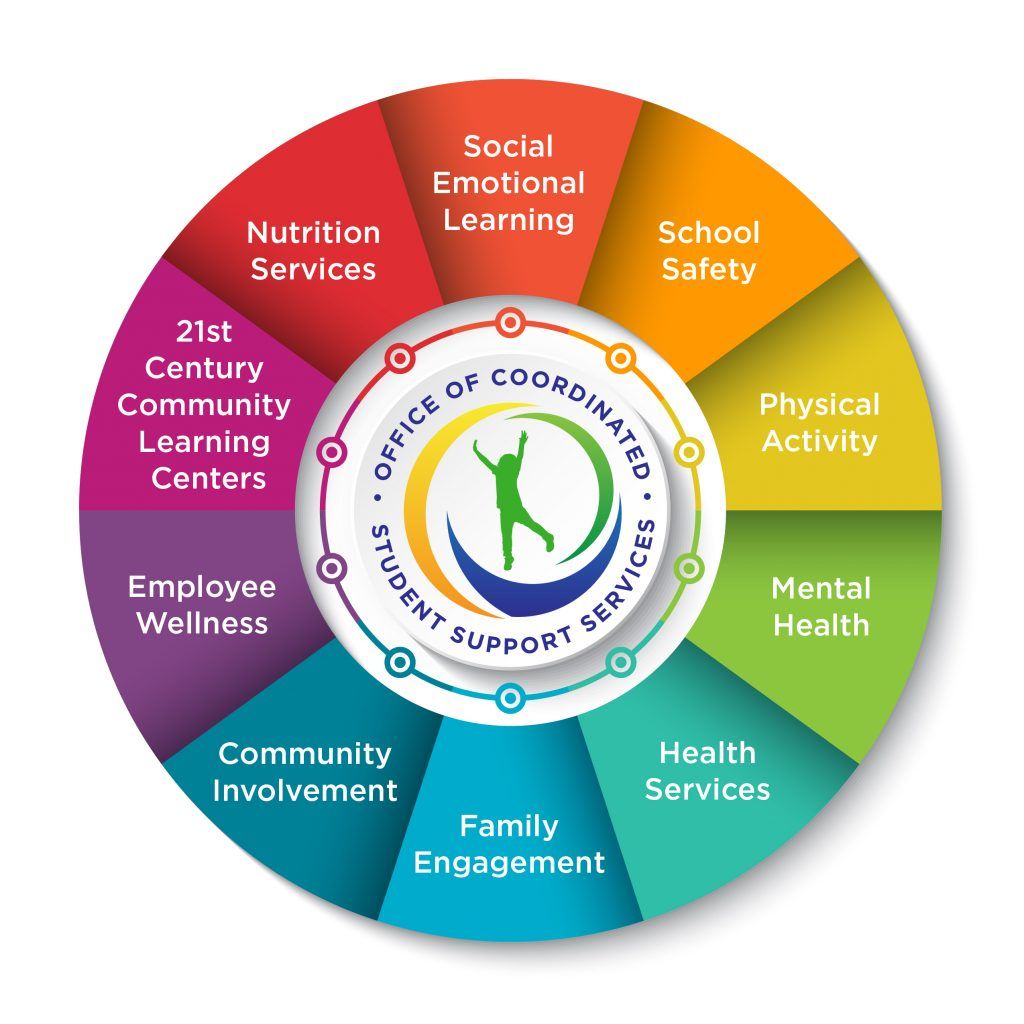
As the fall season ramps up, families and communities are navigating plenty of change and challenges! In that vein, it's essential for us to remember that community partners and support services play key role in supporting the non-academic needs of young ones and families to ensure families have what they need to be in school and ready to learn. Explore this video from NDE Coordinated Student Support Services for a deeper dive into Family and Community Engagement.
This video can support staff meetings or training by highlighting family and community engagement best practices that allow our teams to further discuss what works and what points of growth we may embark on. Explore these discussion questions below that NDE offered with this video!
- How can we find and work with local organizations that support students and families?
- How can families help shape partnerships that reflect the strengths and needs of our program's community?
- What’s one thing we can do this week to connect a family with a local group or service that fits their needs or strengths?
| | Knowing and using these community resources will support PAS: Item 17- Family Support Involvement, BAS: Item 8-Community Resources, and NAEYC Accreditation: Standard 7-Families | |
Family Partnerships
Work with Families to Build a Stronger Program
| |
| Family-Teacher Conference Checklist | | Ah, the joys, nerves, and possibilities of family-teacher conferences! The families in our programs often have varied experiences in education spaces and more formal institutions, sometimes carrying with them a lack of awareness of their rights, the power of their voice, and the options they have. Consider sharing this family-teacher conference checklist from middle school SPED teacher Bianca with families to empower and support families in your program ahead of the conference season! | | | This resource will support ECERS-R: Item 38 and FCCERS-R: Item 35- Provisions for Parents, PAS: Item 16- Family Communications, and BAS: Item 7- Provider Parent Communications. | | |
Staff Development and Support
Enhance Your Family Engagement Knowledge and Skills
| | | Strengthening Family Partnerships Through Professional Learning | | Explore QSLA's self-paced courses on QSLA Connect to support your program's relationships with families this fall! In particular, check out our trio of Family Partnership courses below: | | |
Family Partnerships I: Gathering Family Feedback for Stronger Programs
Are you ready to refresh your program with families in mind? Take a look at this 1.5 hr self-paced course, focused on how to collaborate with families in developing, implementing, and assessing our programs' policies and offerings!
| | | |
Family Partnerships III: Building Programs that Reflect Families' Cultural Diversity
Building relationships with families means exploring families' culture roots as well! Check out this 1.5 hr self-paced course to explore the impact of honoring honor families’ racial, ethnic, and cultural identities and figuring out what culturally inclusive practices our programs can take up.
| | | |
Building Authentic Family Partnerships and Engagement in Early Childhood Settings
This interactive virtual training from 4C's Alameda is designed for ECE professionals who are seeking to deepen their ability to foster meaningful, respectful, and culturally responsive partnerships with families. Participants will explore strategies for building trust, honoring family voices, and creating inclusive environments that support ongoing family engagement. The session will provide real-world examples, reflective exercises, and tools that can be immediately applied in early childhood settings to strengthen family-provider relationships and improve child outcomes.
-
Time/Date: Thursday, Sept 18th from 7:00 - 9:00PM
| | | These trainings support ECERS-R: Item 43- Opportunities for Professional Growth, PAS: Item 3- Staff Development, FCCERS-R: Item 37- Opportunities for Professional Development, and BAS: Item 1-Qualifications and Professional Development | | |
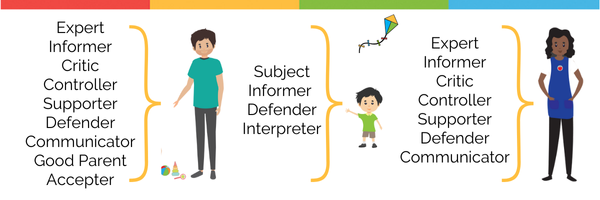
Family-teacher conferences offer more roles for parents/caregivers and educators than we may think! This research review from Munthe and Westergård notes that parents, children, and teachers each have unique roles in parent-teacher conferences. All of these roles are important in our child's village!
- Parents/caregivers: Experts on their child and family, critics of the teacher and program, and informers about the home.
- Teachers: Experts in education and child development, critics of the child's progress and sometimes the home, and informers about the program.
- Children: Active participants in their own learning and development.
All of these roles are necessary for our communities to continue supporting a child's development, learning, and supports! Use this graphic below to inspire families and remind educators with fresh perspectives ahead of this conference season!
| | |
Were you forwarded this email?
Would you like to sign up to receive our Family Engagement Newsletters?
| | | | |