|
Inside, you'll find:
- News and Updates
- Upcoming Events
- Research Spotlight: Making Hemp History
- Weather Data
- Outcroppings Blog
- Photos
| | Updated Funding Information for Dairy and Crop Operations Available Now | Read the most updated information about grants and programs that can help support your farm. This webpage provides an overview, and the link below takes you to more details that can help you navigate applying for funding. | | 2026 Nutrient Management Planning Class | |
It’s time to start preparing your 2026 Nutrient Management Plan (NMP)! UVM Extension will be offering 2026 NMP classes this January and February. This course runs for six weeks. Specific dates and locations to be announced soon.
Before you can take this course, you must complete these basic NMP course requirements, including:
- A current manure analysis
- A current soil analysis (no older than 3 years) for all fields on the farm
- A completed Land Treatment Plan (field maps, RUSLE2 values, etc.)
If you want to take an NMP course in January 2026, now is the time to begin completing these requirements to ensure that you will be prepared. If you are interested in updating your NMP, taking the 2026 class, or need assistance completing the course requirements, please reach out to UVM Extension Program Manager Susan Brouillette by calling (802) 656-7611 or (802) 524-6501 or emailing Susan.Brouillette@uvm.edu.
| |
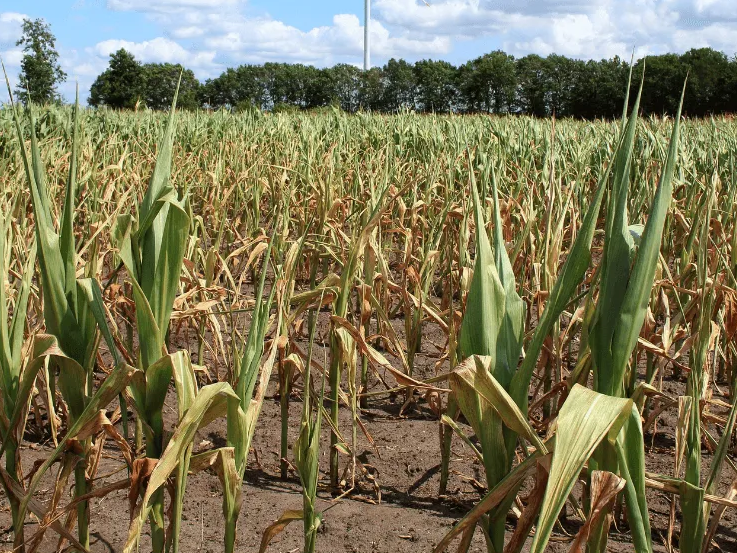
Vermont's 2025 Drought and Cover Cropping: Stay the Course
Are you wondering how to proceed with cover cropping under the current dry conditions? Read this article to learn management strategies from Agronomy Specialist Jeff Sanders.
| |  |
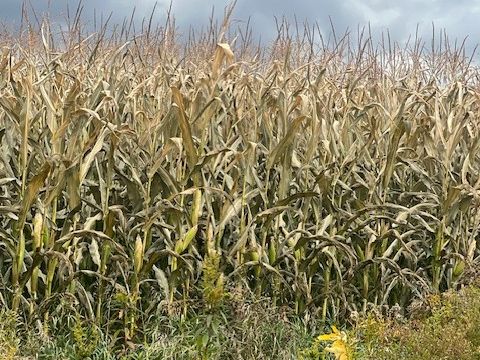
Managing Immature and Frosted Corn Silage
Heather Darby answers your questions about when to harvest immature or frosted corn silage, how to store it, and using it as feed.
| | |
Vermont Sheep and Wool Survey
Help strengthen Vermont’s sheep and wool industry by sharing your experience! The Vermont Sustainable Jobs Fund seeks data from sheep farmers to establish a clear picture of wool production across our state. All-sized farms are encouraged to complete the survey.
The goal of this research is to strengthen the wool supply chain here in Vermont. Please take a few minutes to contribute and encourage fellow sheep farmers to participate. The results and findings will be available on the VSJF website. Thank you for your participation! Contact allison@vsjf.org with any questions.
| | |
Fall Northeast Cover Crops Council Webinar Series
Wednesdays, 12:00 p.m. - 1:00 p.m.
October 15: Cover crops and pest dynamics, with John Tooker, Penn State
October 22: Cover crop interseeding and drone seeding, with Jeff Sanders, University of Vermont, and Heidi Reed, Penn State
October 29: Cover crops and nutrient dynamics, with Charlie White, Penn State University
November 5: Cover crops and soil water dynamics, with Daniela Carrijo, Penn State, and Cara Peterson, University of Maryland
| | |
Tri-State Dairy Exchange: Navigating the Future of Dairy Monthly Webinar Series
Wednesday, October 29, 11:30 a.m. - 12:30 p.m.
Join Dr. Kathryn Bach from Cornell University for a deep dive into the latest research on managing transition and early lactation cows for optimal health and milk production.
| | |
Research Spotlight
Making Hemp History at Borderview Research Farm
Below are some highlights from a new article on our groundbreaking hemp fiber research. Read the full article on our website.
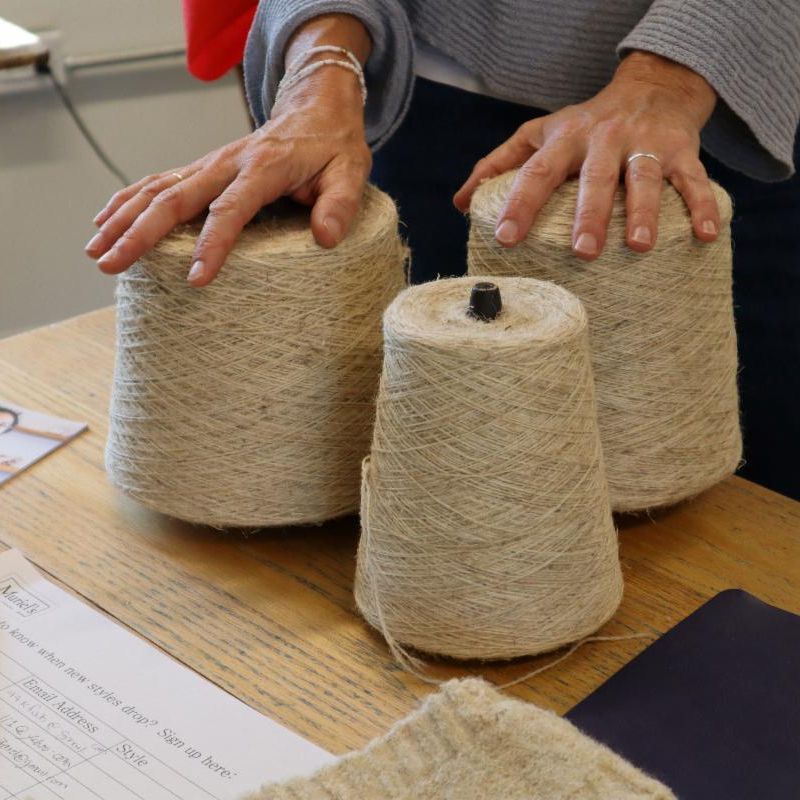
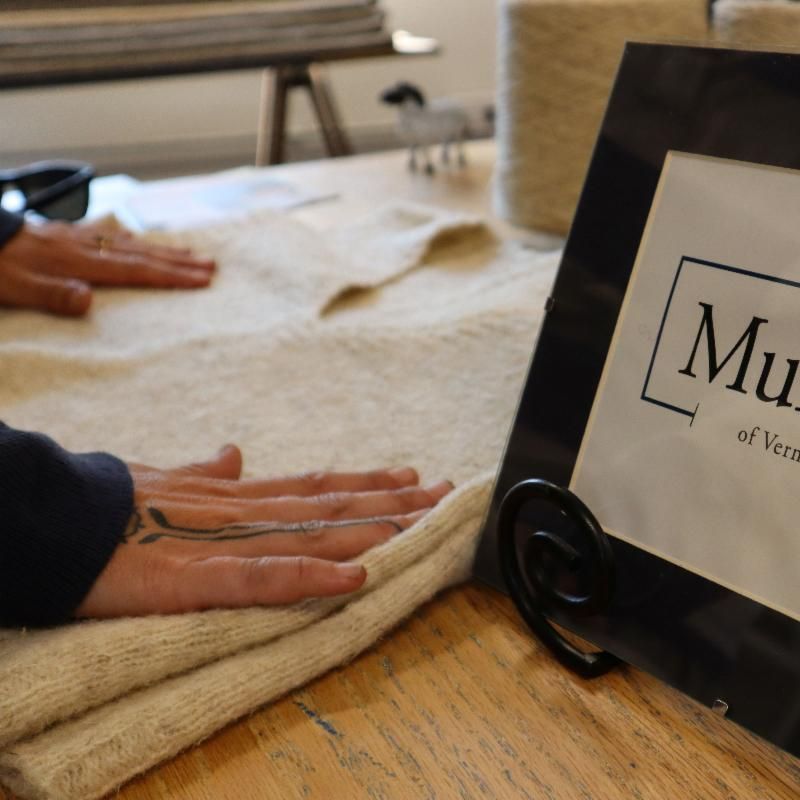
With the help of our local collaborators, Battenkill Fibers and Muriel’s of Vermont, we produced the first all-local hemp fiber clothing in the modern history of the Northeast.
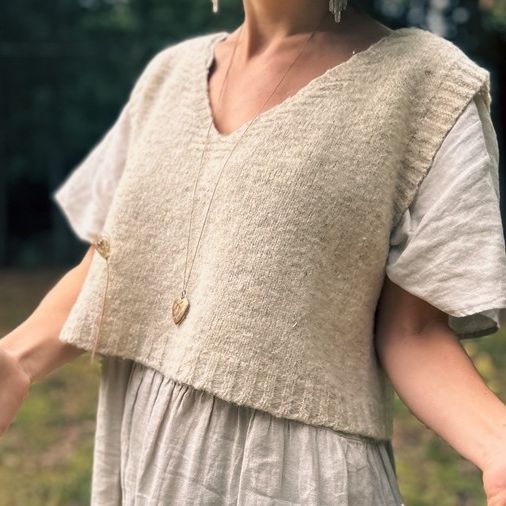
Using hemp grown at Borderview Research Farm in Alburgh, Vermont; Corriedale wool from the Finger Lakes region; fiber processing knowledge and expertise from Battenkill Fibers in Greenwich, New York; and the fashion design and knitting capabilities of Muriel’s of Vermont in North Hero, we produced three wool-hemp sweater vests. More than a year in the making, this achievement stands as proof of what’s possible for sustainable, locally produced fibers.
| | |
The cream sweater vests are slightly cropped with a boxy fit and feature a V-neck design. The garments are soft to the touch with slight roughness that can be expected from wool and natural fibers. If you look closely, you can see the tan hemp fibers within the vests. These designs are wearable, durable, and offer warmth without too much weight. They are the kind of garment that would last for years to come.
Conclusions
The consensus among our NWCS staff and the Muriel’s of Vermont team is that the 70:30 wool:hemp blend produced a softer product. Cyrus Brooks, knitwear designer at Muriel’s, also noted that their Japanese knitting machines had a hard time working with the 60:40 wool:hemp blend, citing that “the blend isn’t very forgiving,” Cyrus said. “It’s strong until it breaks. It doesn’t really stretch.” Some yarn, like the 60:40 blend, is less consistent in size throughout and has many clumps, or “slubs” as they are called. Slubs trigger stoppages in the knitting machines, which can make it difficult to process yarn with inconsistencies.
In terms of winter-retted or field-retted fiber, we succeeded in integrating both into our regional infrastructure and have determined that both are suitable for textile use in our climate. In this round of research, we yielded a finer product with field-retted fiber, but we are interested in building upon our winter-retting inquiry with more experimentation.
| | |
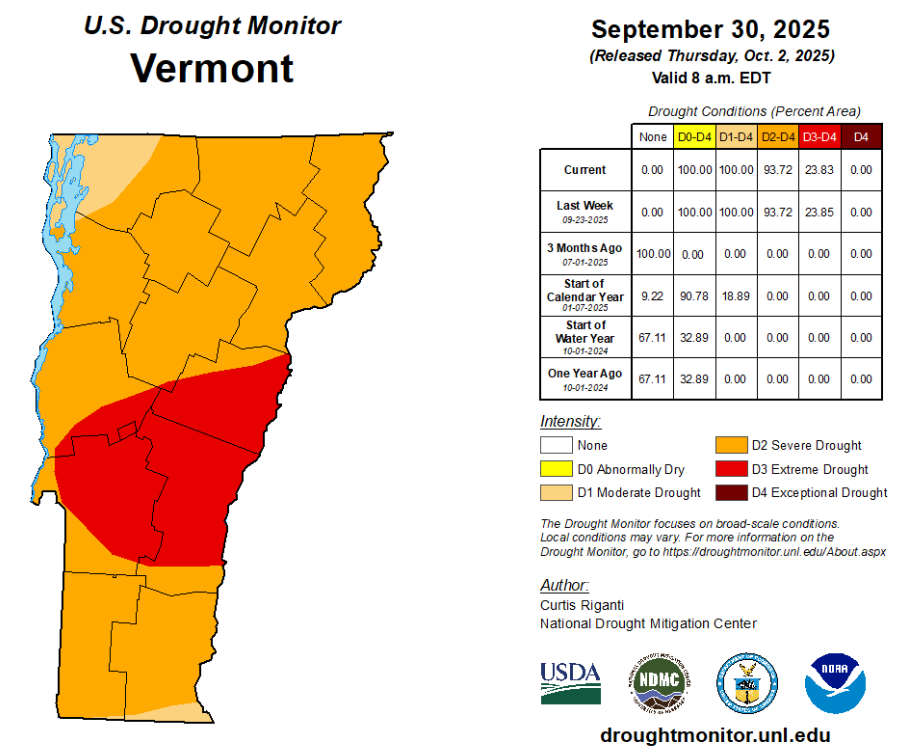
This map from the U.S. Drought Monitor is a great resource for assessing drought conditions. As of September 30, 2025, 23.83% of Vermont was classified as experiencing extreme drought. If you need support with drought management strategies, please reach out to your local UVM Extension agronomist. Please find our latest information on drought strategies here.
Heather Darby, (802) 782-6054 or Heather.Darby@uvm.edu
Shawn Lucas, (802) 656-7546 or Shawn.Lucas@uvm.edu
| | |
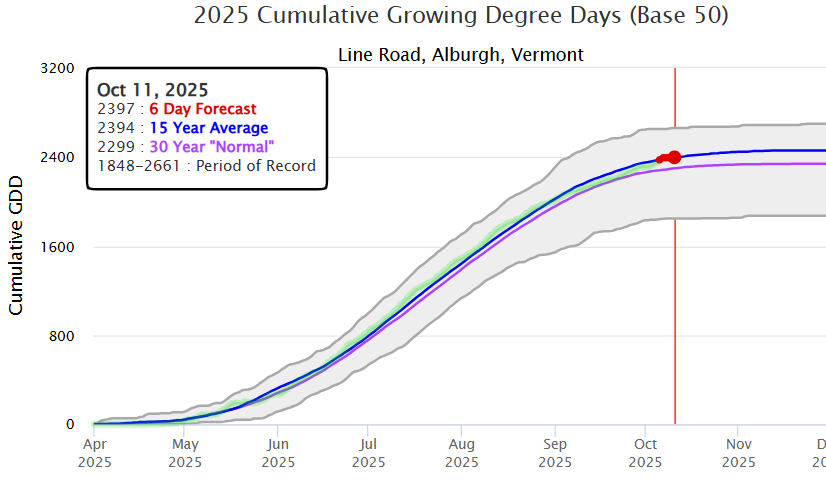
This is the 2025 season outlook of Growing Degree Days (GDDs) in Alburgh, Vermont, the location of our program's research farm. As of October 11, this area has accumulated 2,397 GDDs in line with the 15-year average. As we approach the end of the growing season, the cumulative GDDs will plateau.
This graph was created by the Climate Smart Farming Growing Degree Day Calculator.
© Cornell University, 2016. Credits: Tool Developed by Art DeGaetano, Rick Moore, Brian Belcher & Ben Eck.
| | Healthier Herds: Tips from the Tri-State Dairy Exchange Team to Improve Heifer and Calf Management | | |
Milk Quality Matters: Lessons from Dr. Paul Virkler and the Tri-State Dairy Exchange Team
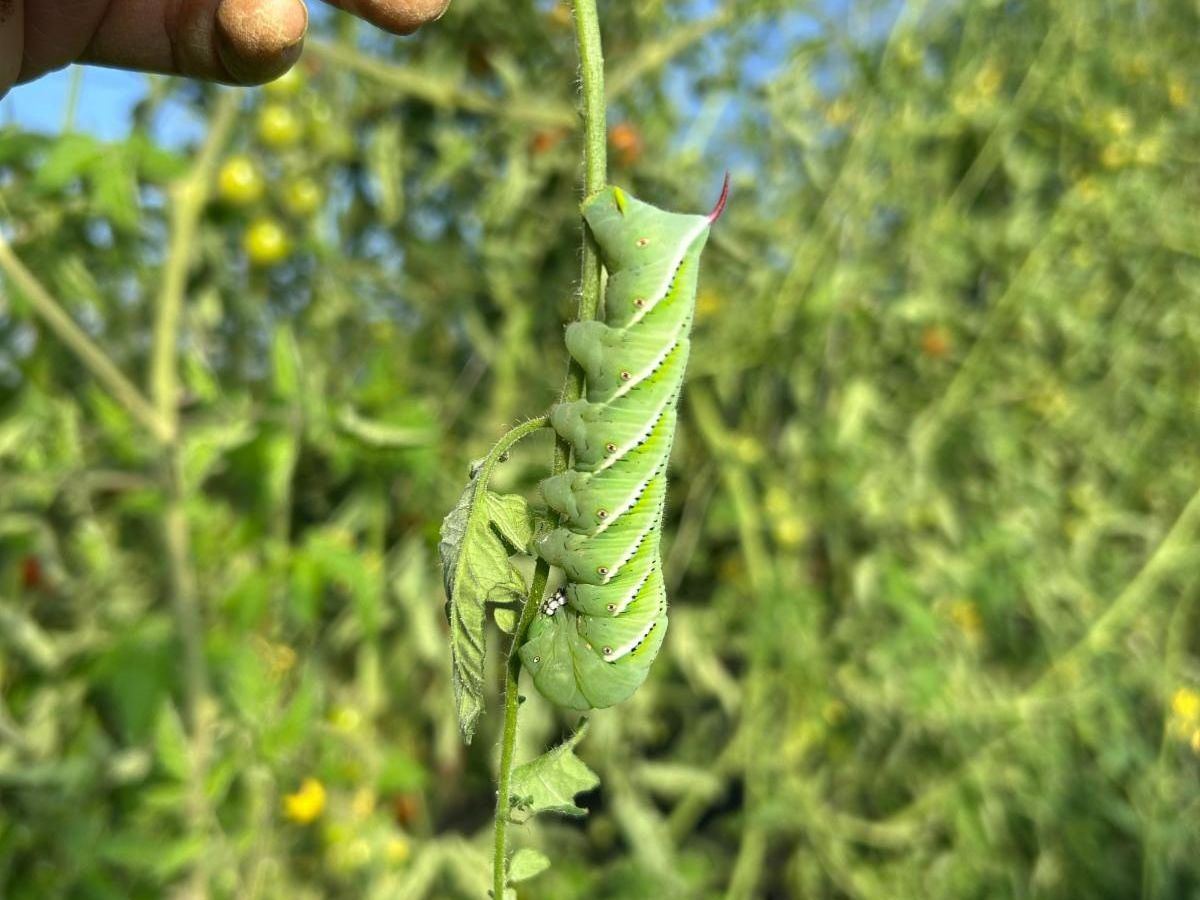
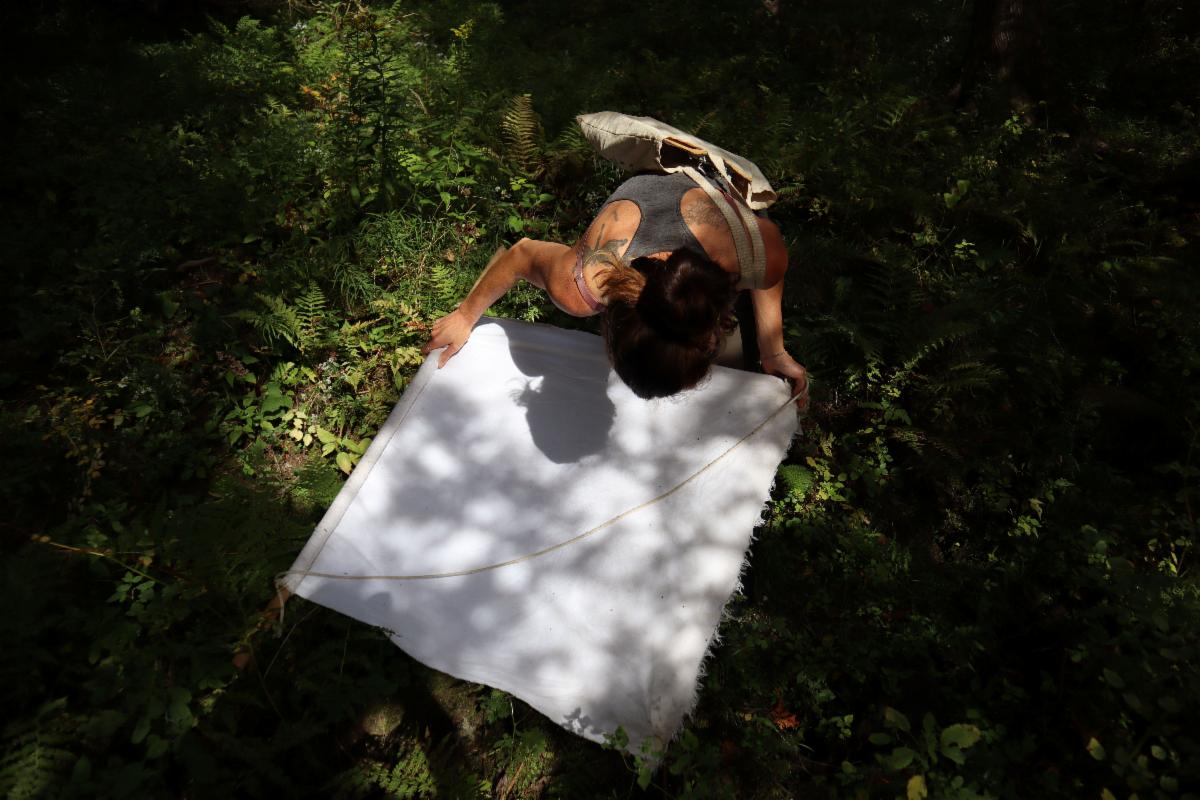
| | | We often find large hornworms on our tomato plants in our organic seed production trial. These pests can cause extensive damage to crops, especially tomatoes. Struggling with hornworms? UVM Extension Plant Pathologist Ann Hazelrigg offers guidance on these pests in this article. | | | UVM Extension Assistant Professor Bryony Sands sampled for ticks at farms across Vermont this summer. Here you can see her checking cloth she has dragged through brush to collect ticks, both adults and larvae. Check out our tick resources on our website. | | | |
UVM Extension NW Crops and Soils Program | Website
278 South Main Street, St. Albans, VT 05478 I 802-656-7610
For more information contact shannon.macdonald@uvm.edu
Having trouble viewing this email? Click "Trust sender" or "View in browser".
| | Issued in furtherance of Cooperative Extension work, Acts of May 8 and June 30, 1914, in cooperation with the United States Department of Agriculture. University of Vermont Extension, Burlington, Vermont. University of Vermont Extension, and U.S. Department of Agriculture, cooperating, offer education and employment to everyone without regard to race, color, national origin, gender, religion, age, disability, political beliefs, sexual orientation, and marital or familial status. | | | | |