X Share This Email
LinkedIn Share This Email

News You Can Use

Your FREA October

E-Newsletter

In this E-Newsletter:


  • The American's Creed
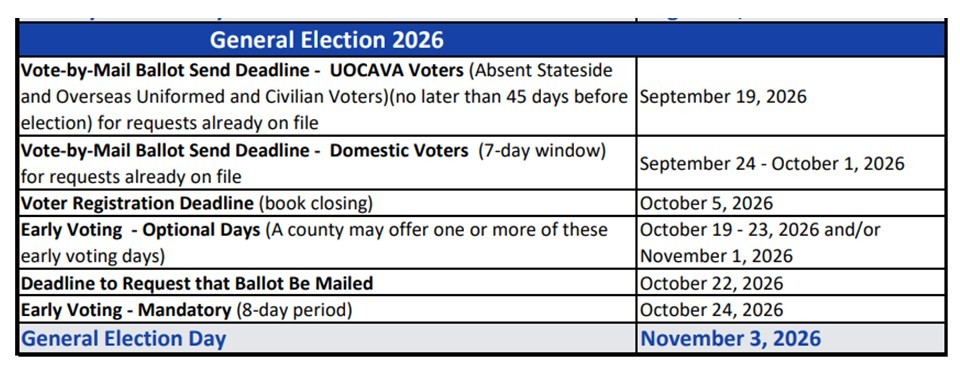
  • Voting? Important deadlines to know.
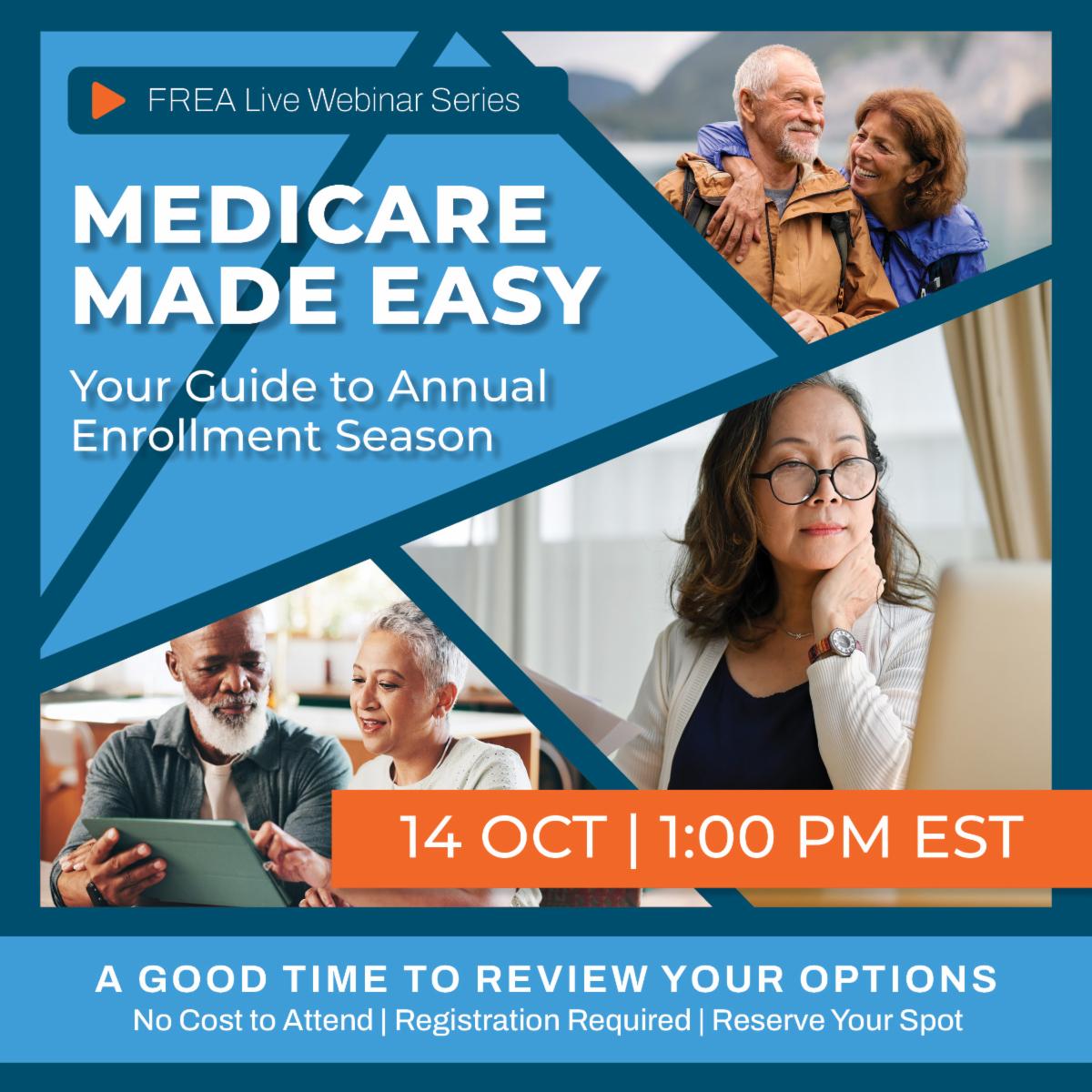
  • Medicare Mailbox Madness?: Mine is filled, how about yours? 2027 Changes to Medicare Webinar October 14
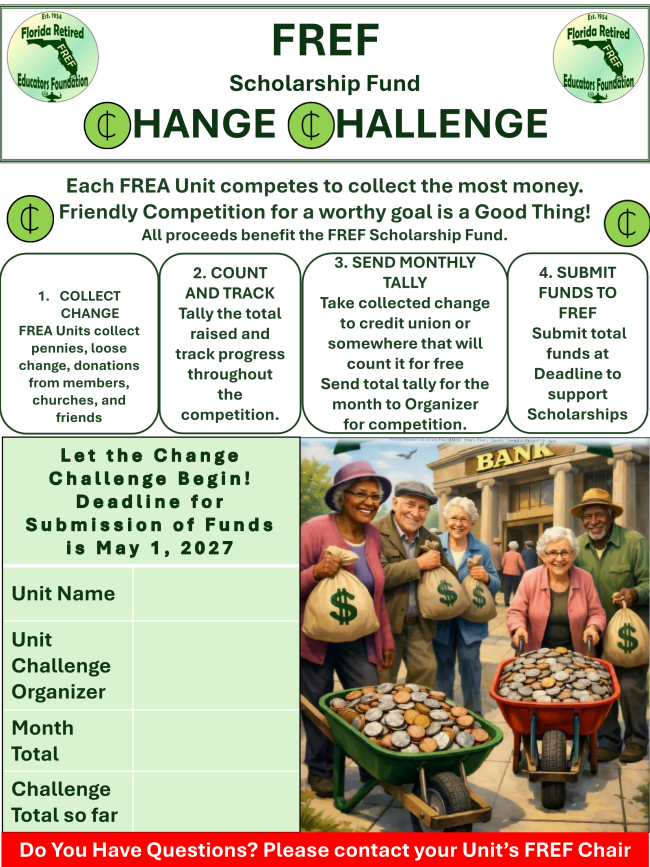
  • The FREF Change Challenge! How are we doing?
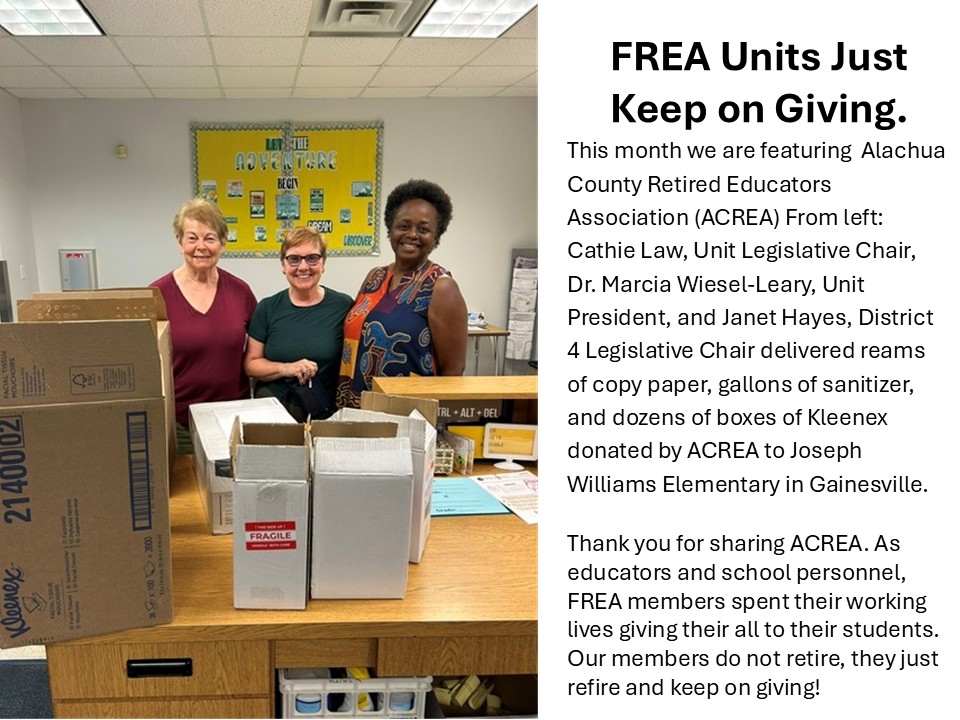
  • Alachua CREA: They keep on giving!
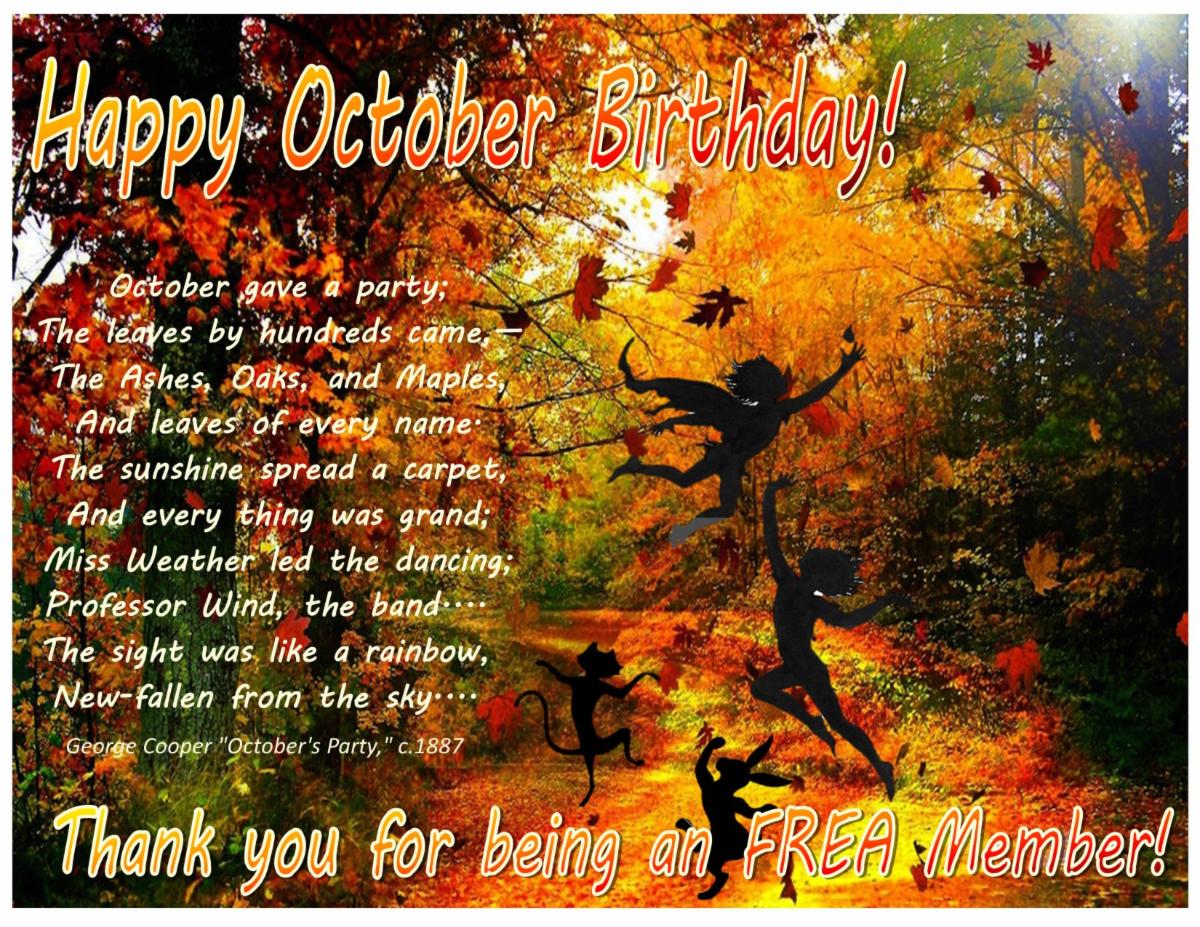
  • October Birthday?: Don't be scared! Celebrate!
  • Hurricane Season Preparedness: So far so good,but just in case, Resources for You
  • The Final Word: It is better to know than not know.

Medicare doesn't have to be confusing. 🤷

Whether you're turning 65 soon or reviewing your options for open enrollment, join us for a clear, no-pressure walkthrough of what to expect this season.

We'll cover:

✅ When and how to enroll in Medicare

✅ The 3 main ways to get coverage

✅ How to choose what fits your situation best

A little clarity now can make open enrollment a lot less stressful. ✨

📅 October 14th │ ⏰ 1:00 PM EST


Already registered? Feel free to share this invite with a friend, family member, or fellow member who could benefit. 🤝

Whether you're planning ahead for yourself or making sure your family is covered, understanding where you stand can help you make more informed choices for your legacy.

*CA Insurance License #0I96562 | AR Insurance License #100114462

Can't attend or want to watch a past webinar? We have webinars up on the FREA website within a week of broadcast. https://frea.org/webinars/


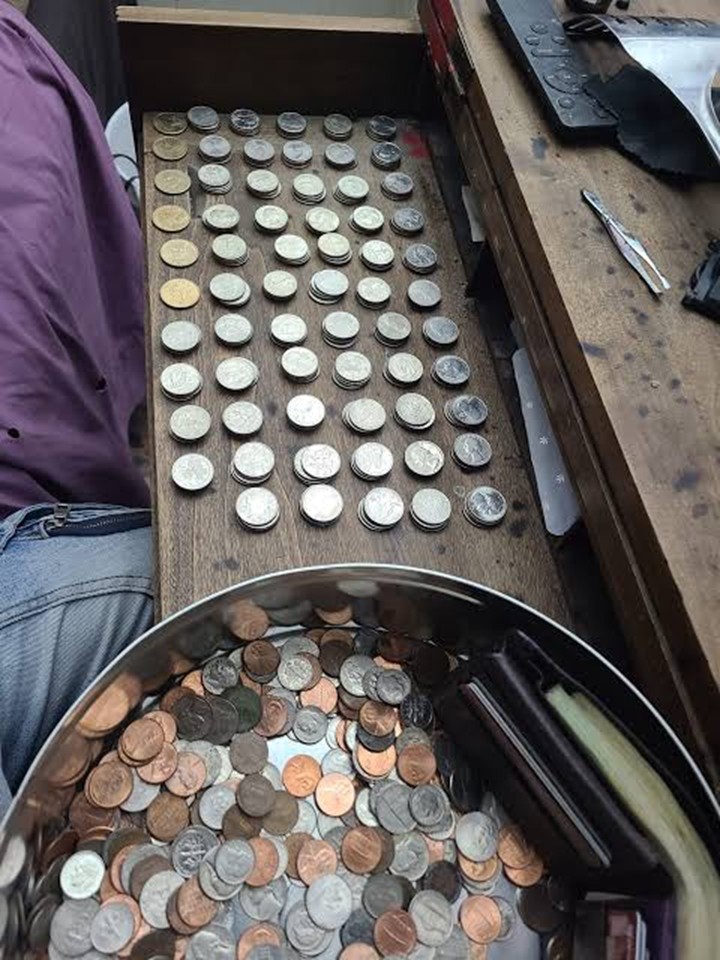
A Little Adds Up To A Lot!

The FREF Change Challenge is Underway

The Totals are Starting to Build!

D1: Escambia - $62.01

D1: Santa Rosa - $20.79

D6: Pasco - $27.85

D9: St. Lucie: $65.29

Total: $175.94

Great job! Let's keep that loose change rolling in!

Buckle Up and Hunker Down ~ It's Hurricane Season

Click the below images for various Hurricane Preparedness Tools, Checklists and other useful information.

Traveling or Staying Home? Someone Need Help?

These Articles Could be Useful.


In the immortal words of Spenser, hero of Robert Parker's Spenser novels, "It is better to know, than not know."


We would all like to think that we cannot be scammed. But every day the stories appear about the new ways that we can be. It's exhausting. Planning on traveling, or just perusing the web? Here are the latest scams for you to watch out for.


When I drive my 4.1 miles to work every day, I listen to the traffic reports from around the Tampa Bay area. I-4: Accidents, I-75: Accidents, I-275: Accidents. Too few roads and too many cars. (Can you tell I have lived here on and off since the mid-70's?)

What would I do if I were there and someone needed help? Would I be able to? What about if someone fell over in front of me while walking on the beach, same concerns, plus: Would I be blamed if I helped and the results were not positive? Not in many states, Florida included. Florida has Good Samaritan Laws that protect us. Some states don't.


Knowing about these two subjects may be something you will never use or need to know, but again, "It is better to know than not know." Happy Florida Fall! Anne

Travel scams are getting harder to spot.

Here’s how to stay safe


Pickpockets were once the biggest worry for travelers heading to new destinations on vacation.

But travel scams have become more sophisticated, and scammers using new artificial intelligence tools have become better at creating fake websites and using stolen data to their advantage, said Florent Silve, an executive at Engine, a corporate travel management platform.

“What used to look like a fake website now becomes much harder to spot by consumers,” Silve said. According to a Federal Trade Commission report published in June, Americans last year reported losing $3.5 billion to scams in which impostors contacted them through text, email, phone, social media and search engines, though those weren’t all travel scams. Nearly 1 in 3 fraud reports were about impostor scams, making it the most reported fraud category.

Click here to read full article

The Good Samaritan’s guide to safely helping during an emergency

Emergencies require quick action, but many people hesitate to step in because they’re worried about doing the wrong thing or even facing legal consequences. Fortunately, by understanding a few basic principles, you can make a meaningful difference while waiting for professional first responders to arrive.

Imagine witnessing a car crash, seeing someone collapse at the gym, or finding a neighbor who has fallen. Most people instinctively want to help, but many hesitate. They worry about making the situation worse, being blamed if something goes wrong, or even being sued for trying to assist.

Those concerns are understandable, but they shouldn't prevent someone from taking lifesaving action. In the United States, Good Samaritan laws offer legal protections to those who act in good faith and provide reasonable assistance during a medical emergency. 


Click here to read full article

X Share This Email
LinkedIn Share This Email