| |
Peer Group Events
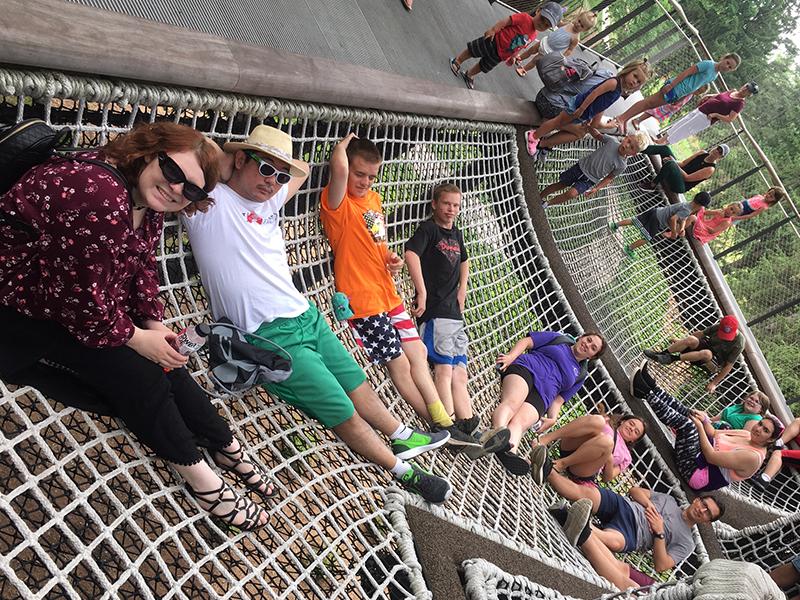
Peer groups provide an organized environment for people to encourage, advocate and educate one another. Peer Group events are being held both in-person and virtually.
| | | |
Support DNMM During Give Local Midland
On May 5, our community comes together for Give Local Midland—a 24-hour online giving event that celebrates the power of local generosity.
Hosted by the Midland Area Community Foundation, Give Local Midland connects donors with nonprofits making a difference right here in our community. It’s a day when every gift—no matter the size—helps strengthen programs, expand services, and support neighbors in need.
At DNMM, your support fuels programs that empower individuals with disabilities to live independently and fully participate in community life. From youth transition programs like S.T.A.G.E.S., to advocacy, accessibility initiatives, and independent living services—your donation directly impacts lives across Mid-Michigan.
Why Give on May 5?
- Your gift goes further: Bonus funds and matching opportunities may increase the impact of your donation.
- It’s quick and easy: All donations are made securely online in just a few clicks.
- It supports local impact: Every dollar stays right here in our community.
Be Part of Something Bigger
Give Local Midland is more than a fundraiser—it’s a celebration of what we can accomplish together. When you support DNMM, you’re helping create a more inclusive, accessible community where everyone has the opportunity to thrive.
Mark your calendar for May 5 and join us in making a difference.
| |
Celebrate Opening Day with the Great Lakes Loons
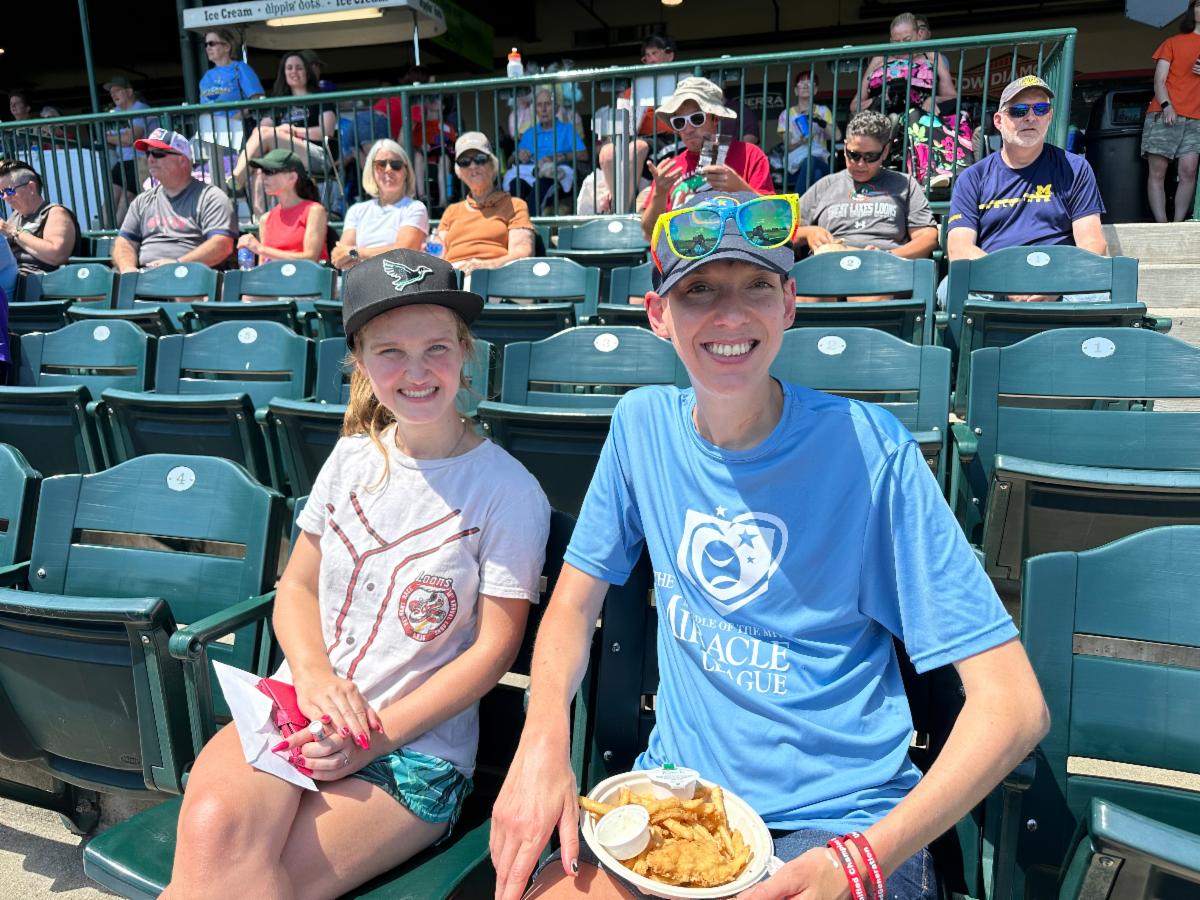
Spring is here, and that means it’s time for baseball! As the Great Lakes Loons kick off another exciting season, we are proud to celebrate not only Opening Day—but also the team’s ongoing commitment to accessibility and inclusion.
At DNMM, we believe that community events should be welcoming to everyone. That’s why we applaud the Loons for their efforts to create an inclusive ballpark experience where individuals of all abilities can enjoy America’s favorite pastime alongside family and friends.
Accessibility at the Ballpark
From accessible seating options and barrier-free pathways to thoughtful accommodations that enhance the fan experience, the Loons continue to demonstrate what it means to prioritize inclusion. These efforts help ensure that individuals with disabilities can fully participate in the excitement, energy, and connection that make game day so special.
Why It Matters
Accessible spaces don’t just benefit individuals with disabilities—they strengthen our entire community. When venues like the Loons’ ballpark take intentional steps toward inclusion, they set a powerful example and create opportunities for everyone to feel welcome and valued.
At DNMM, we’re proud to recognize and support community partners like the Great Lakes Loons who are helping build a more inclusive Mid-Michigan—one game at a time.
| |
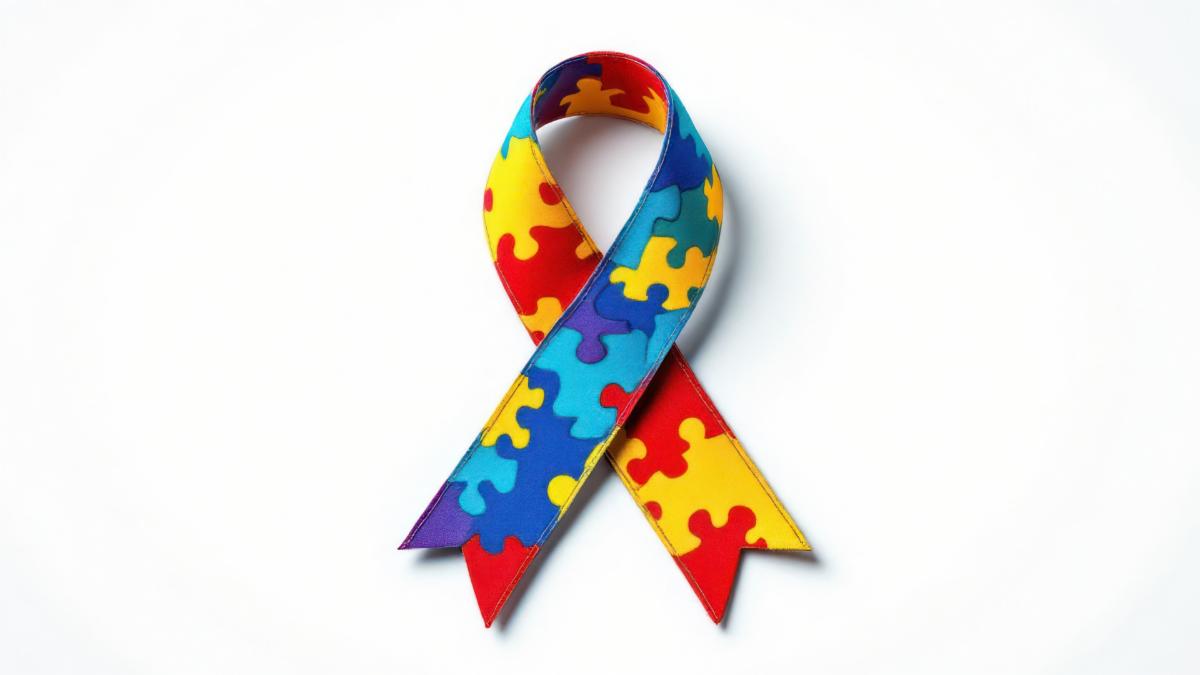
Autism Acceptance Month
April is Autism Acceptance Month, a time to move beyond awareness and focus on understanding, inclusion, and meaningful acceptance of individuals on the autism spectrum.
At DNMM, we believe that every person deserves to be valued, respected, and empowered to live independently and participate fully in their community. Autism Acceptance Month is an opportunity to celebrate neurodiversity and recognize the unique strengths, perspectives, and contributions of individuals with autism.
From Awareness to Acceptance
While awareness is an important first step, acceptance goes further. It means:
• Creating environments where individuals with autism feel welcome and supported
• Listening to and amplifying autistic voices
• Promoting accessibility in schools, workplaces, and community spaces
• Recognizing that differences are not deficits—they are part of human diversity
Acceptance is about action—ensuring that inclusion is not just an idea, but a lived experience.
Building Inclusive Communities
For individuals with autism, barriers can exist in many forms—communication challenges, sensory environments, or lack of understanding. By making thoughtful accommodations and fostering a culture of respect, we can remove these barriers and open doors to greater independence and opportunity.
Simple steps—like offering sensory-friendly environments, using clear communication, and being patient and flexible—can make a meaningful difference.
How You Can Support Autism Acceptance
- Educate yourself and others about autism and neurodiversity
- Practice inclusion in your workplace, school, and community
- Support organizations and programs that empower individuals with disabilities
- Listen to lived experiences and elevate autistic voices
Together, We Can Make a Difference
Autism Acceptance Month is a reminder that inclusion is everyone’s responsibility. When we embrace differences and prioritize accessibility, we create stronger, more connected communities where everyone has the opportunity to thrive.
|
|
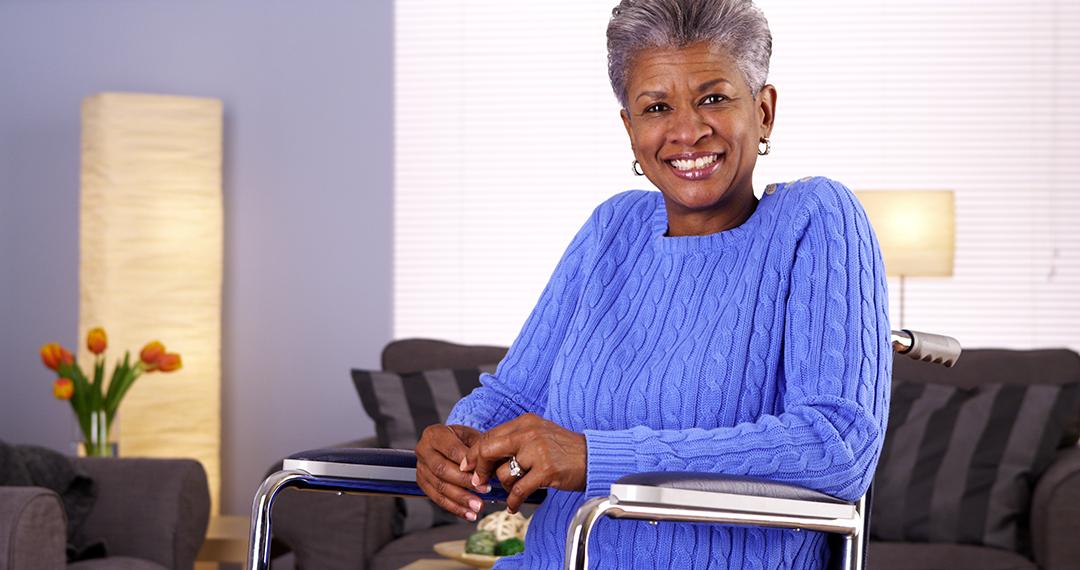
Expanding Independence for Michiganders with Disabilities
Recent updates from Michigan’s Elder Abuse Task Force highlight an important shift in how our state is working to protect the rights and independence of individuals with disabilities.
A new package of proposed legislation aims to ensure that guardianship is used only as a last resort, while promoting alternatives that allow individuals to retain more control over their own lives.
What’s Changing?
Guardianship is a legal arrangement where another person is given authority to make major life decisions—such as where someone lives, works, or receives medical care. While it can be appropriate in some situations, advocates across Michigan recognize that it can also limit personal freedom and independence.
The proposed legislation would:
• Require courts to consider less restrictive options before assigning guardianship
• Encourage the use of supported decision-making, where individuals receive guidance from trusted supporters but retain the right to make their own choices
• Recognize that disability is not “one size fits all,” and that many individuals can make decisions with the right support
Why It Matters
This shift reflects a growing movement to prioritize self-determination, dignity, and independence for people with disabilities. Everyone deserves the opportunity to make decisions about their own life—with support when needed.
These bills are needed because disability is not “one size fits all.” Every person with a disability is unique. Not everyone needs to be put under a guardianship where they lose all their rights. To share your thoughts on this legislation, please write to Matt Hall.
| | |
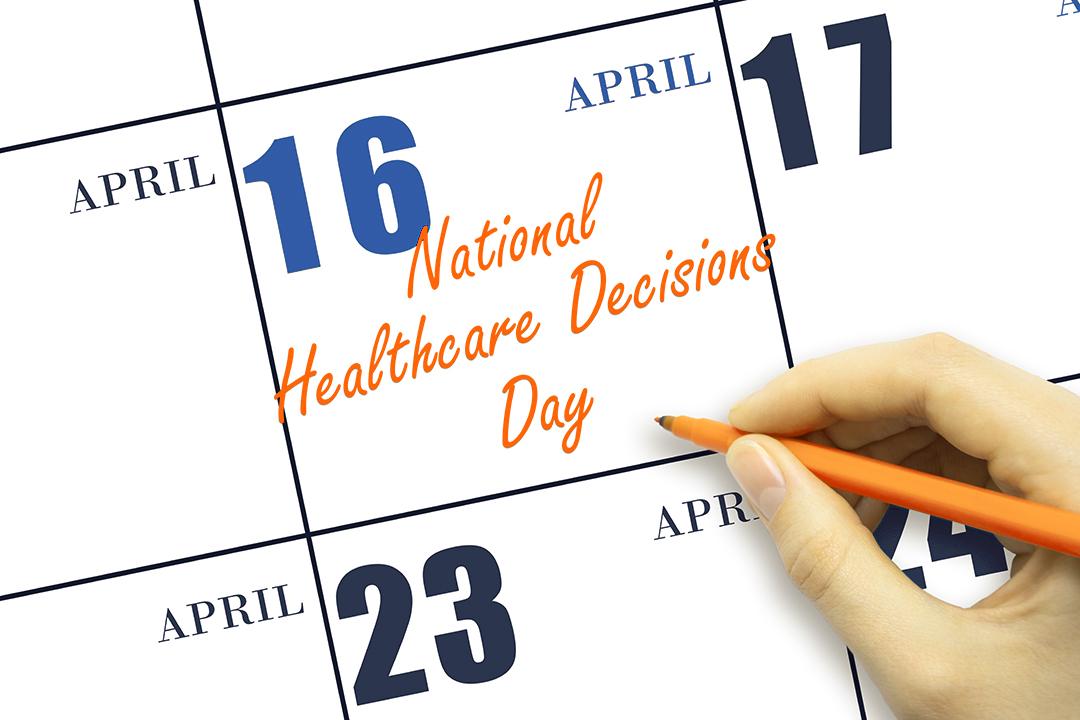
National Healthcare Decisions Day
April 16 marks National Healthcare Decisions Day, a day dedicated to encouraging individuals to think about and document their healthcare preferences for the future.
We believe that everyone deserves to have their voice heard—especially when it comes to important medical decisions. Planning ahead ensures that your choices are respected if you are ever unable to communicate them yourself.
Why It Matters
Taking time to complete advance directives—such as a living will or designating a healthcare proxy—can:
- Provide clarity and peace of mind for you and your loved ones
- Ensure your values and preferences guide your care
- Reduce stress and uncertainty during difficult situations
Take the First Step
Having conversations with family members and trusted individuals is just as important as completing the paperwork. National Healthcare Decisions Day is the perfect opportunity to start that conversation.
If you or a loved one would like to get the process started, we can help. Call us at 989-835-4041 or email info@dnmm.org.
|
|
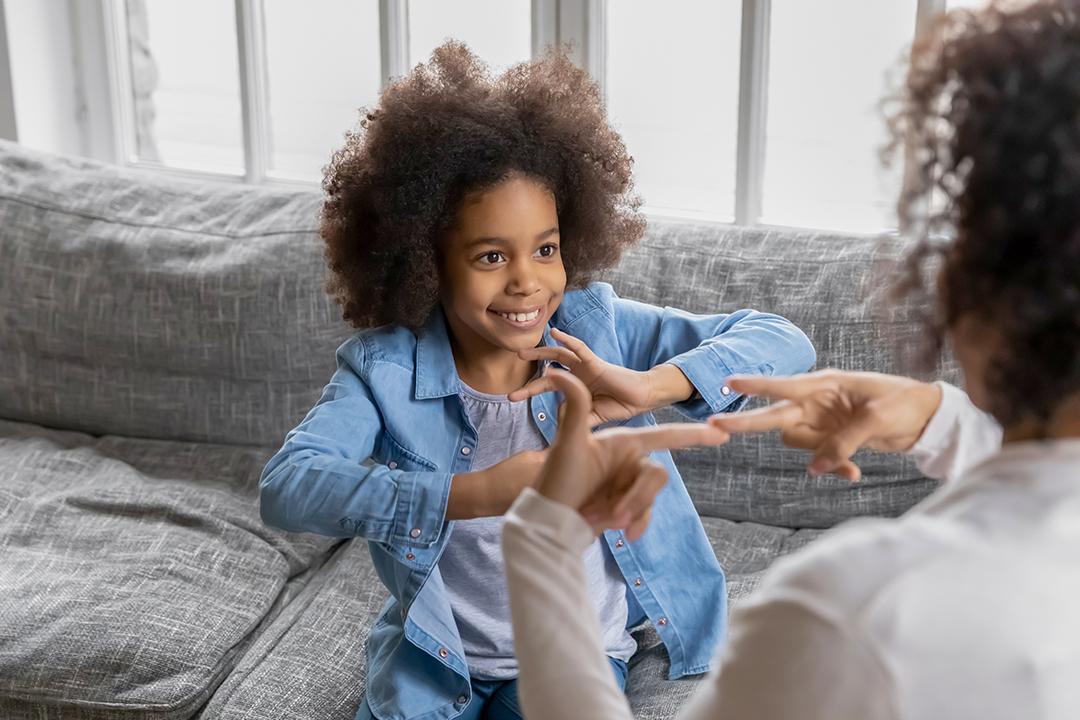
Deaf History Month
Deaf History Month, observed each year from March 13 to April 15, is a time to recognize the rich history, culture, and contributions of Deaf and hard-of-hearing individuals in our communities.
This timeframe commemorates several important milestones, including the founding of Gallaudet University—the world’s only university designed specifically for Deaf and hard-of-hearing students—and the establishment of the first public school for Deaf students in the United States.
Did You Know?
- American Sign Language (ASL) is a complete and complex language with its own grammar and structure—it is not simply a signed version of English.
- The Deaf President Now protest at Gallaudet University in 1988 was a pivotal moment in civil rights history, leading to the appointment of the university’s first Deaf president.
- Many everyday innovations—like closed captioning—were advanced through advocacy by the Deaf community and benefit millions of people today.
Building Inclusive Communities
We celebrate Deaf culture and recognize the importance of accessible communication. Simple actions—such as using captions, learning basic signs, and ensuring access to interpreters—help create more inclusive spaces for everyone.
Join us in celebrating Deaf History Month by learning, sharing, and supporting a more accessible and connected community.
| |
Parkinson’s Awareness Month
April is Parkinson’s Awareness Month, a time to increase understanding of Parkinson's disease and support individuals and families navigating life with this condition.
Parkinson’s disease is a progressive neurological disorder that can affect movement, balance, and coordination, as well as speech and daily activities. While symptoms and experiences vary from person to person, access to the right resources and support can make a meaningful difference in maintaining independence and quality of life.
How DNMM Can Help
We are here to support individuals living with Parkinson’s and other disabilities by providing:
- Information & Referral Services to connect you with local resources and support networks
- Advocacy Assistance to help you navigate systems and access the services you need
- Independent Living Skills Support to promote confidence and daily independence
- Community Connections to reduce isolation and build support systems
You’re Not Alone
Whether you or a loved one has recently been diagnosed or have been living with Parkinson’s for years, DNMM is here to help you find the tools, resources, and support you need.
If you’re looking for assistance, contact us at 989-835-4041 or visit dnmm.org to learn more about available services.
|
|
Statement of Inclusion
Inclusion is a universal human right for all people, regardless of race, age, gender, religion, disability, sexual orientation, or any other discernible quality. To be inclusive is to promote a sense of belonging, respect, and value for who you are as a person. It is about equal access and opportunities for everyone. Inclusion is an integral part of our Independent Living philosophy and of our agency's vision of accessible and inclusive communities.
DNMM offices have been, and continue to be, places of solace, understanding, and information for all. We are committed to promoting and protecting diversity and inclusion, within our offices, among our community partners, and throughout the 15 Centers for Independent Living in Michigan.
| |
Accessibility Statement
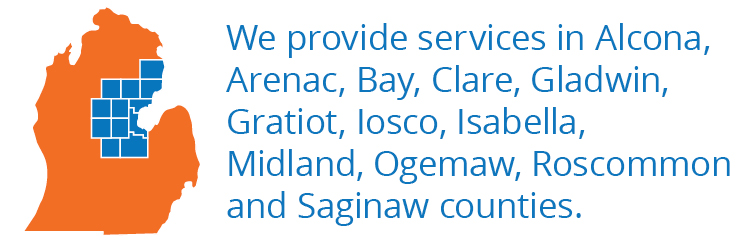
DNMM advocates for the removal of barriers to independence and full inclusion of people with disabilities throughout the Mid-Michigan area. DNMM pledges to ensure accessibility. Each year, DNMM conducts a review of its own architectural, environmental, attitudinal, employment, communication, transportation, and other barriers that may exist that prohibit full access to our services.
If you have any issues of concern regarding the accessibility of DNMM services and facilities, we encourage you to share that information with us.
| | | | |