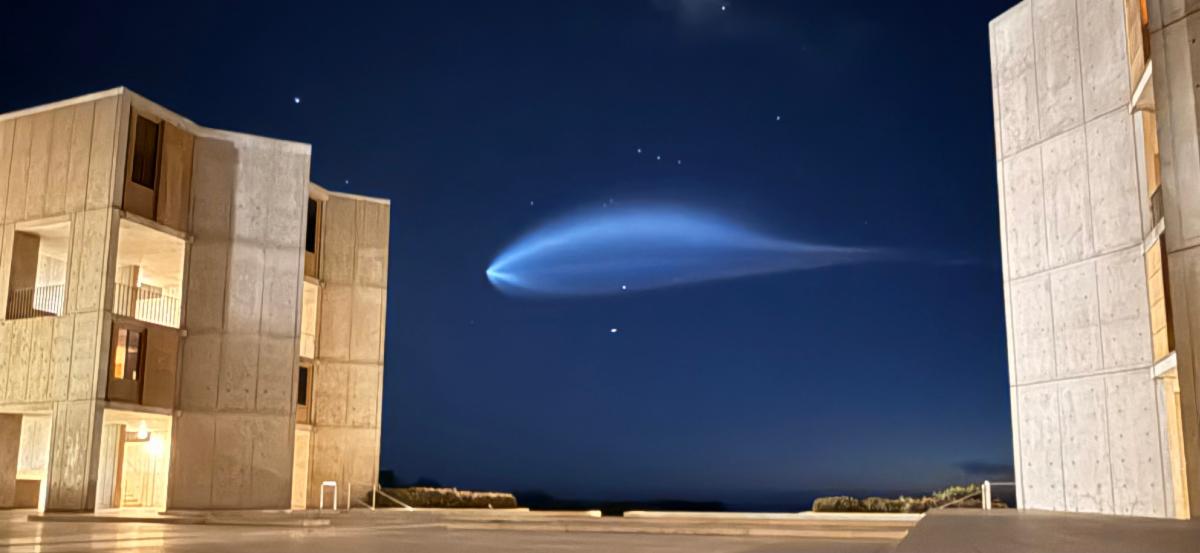
Space X Launch over Salk. Photo Credit: Akram Tobia, Security Services | | |
Discoveries: Tackling pancreatic cancer and fragile X syndrome
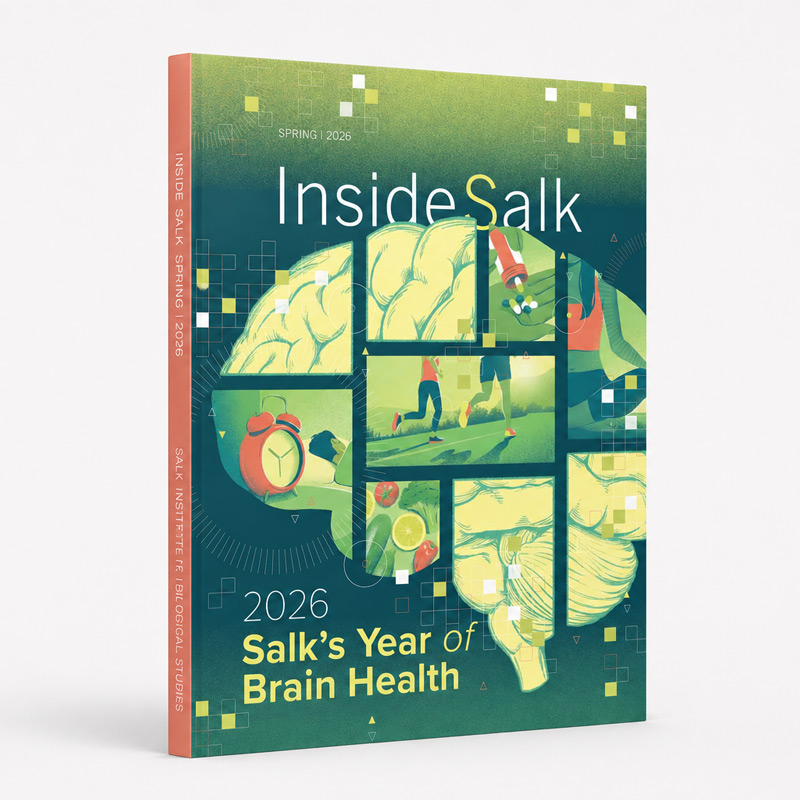
Year of Brain Health: Talking metabolism with Christian Metallo
Spotlight: Welcoming and promoting cancer, AI, and genetics faculty
Events: Symphony at Salk and science webinars
Discovery Society: A dedicated community of science supporters
In the news: Agriculture, cancer, and neuroscience breakthroughs
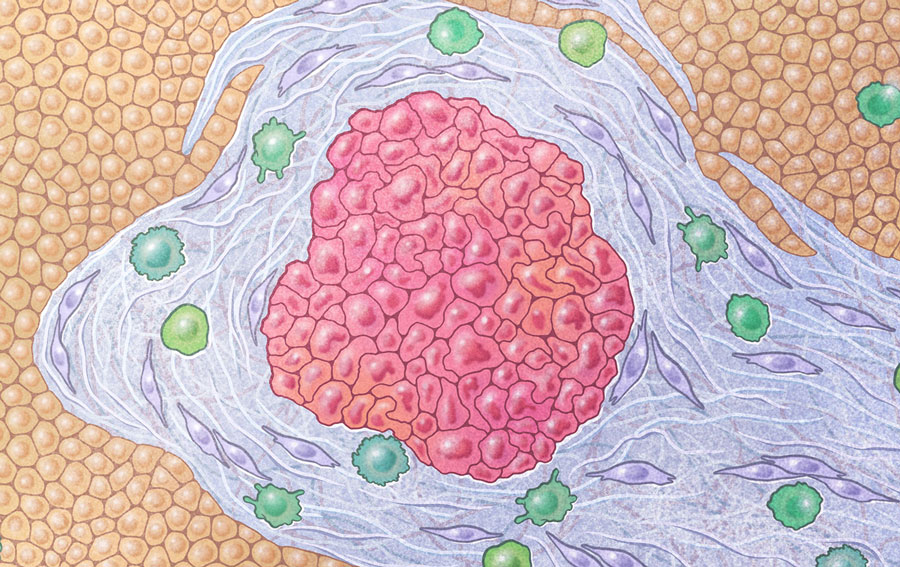
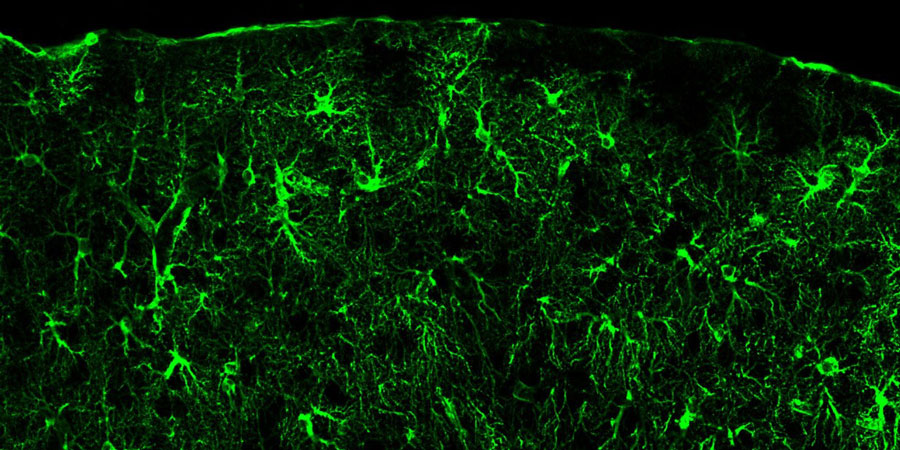
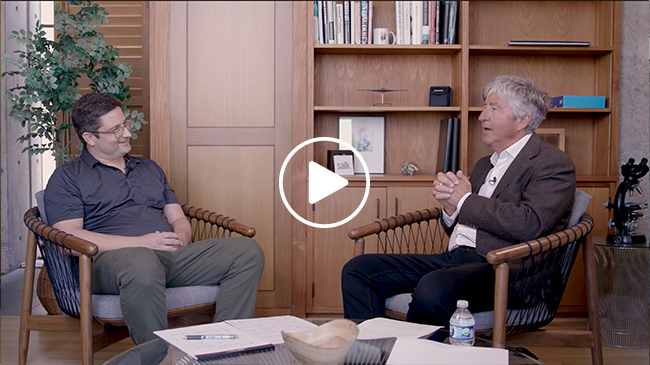
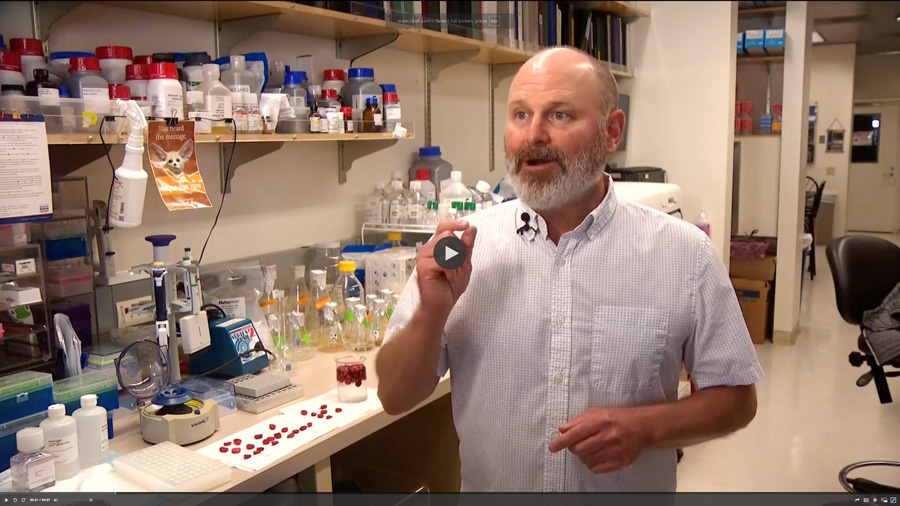
| | From Salk Institute discovery to patient care: Vitamin D analog shuts down pancreatic cancer’s shield in clinical trial | Preclinical studies at the Salk Institute laid the foundation for a new Dana-Farber Cancer Institute clinical trial, which found vitamin D analogs may enhance chemotherapy response and improve survival for people with pancreatic cancer. | | How do astrocytes contribute to fragile X syndrome? | Salk scientists found correcting dysregulations in star-shaped brain cells called astrocytes improves some fragile X syndrome symptoms, making astrocytes potential future therapeutic targets. | | In this special Beyond Lab Walls video podcast episode—part of Salk’s 2026 Year of Brain Health—Salk President Gerald Joyce sits down with metabolic health expert Christian Metallo to explore how metabolism shapes brain health across a lifetime. The conversation is a window into how foundational science turns familiar advice into real, evidence-based understanding. | | Salk Institute mourns the loss of Suzanne Bourgeois, founding member | |
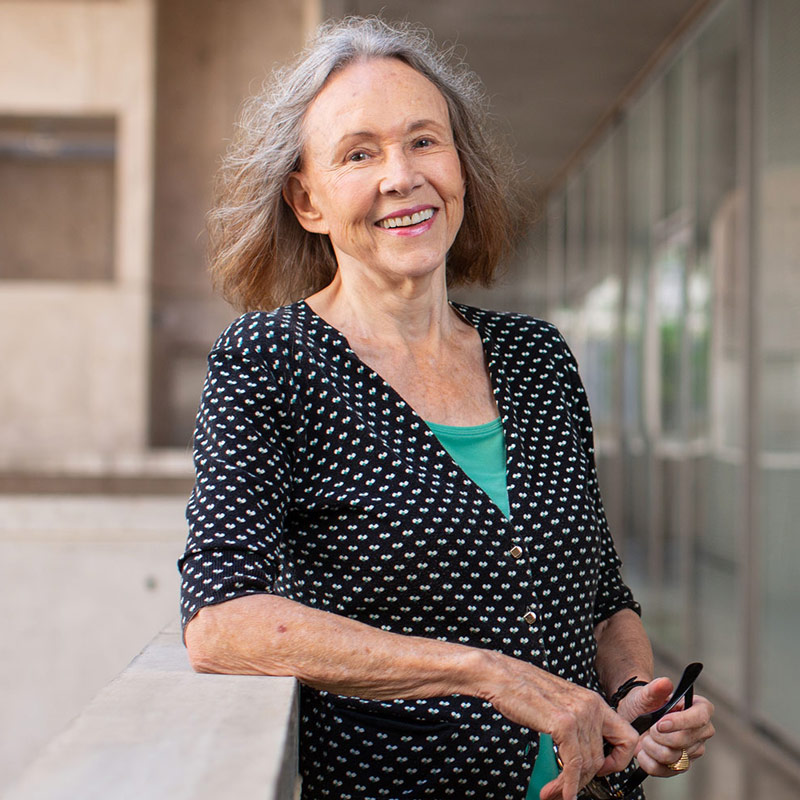
Bourgeois, Salk professor emerita, founding member of the Salk Institute, and pioneer in gene regulation research, died at her home in Del Mar, California, on March 14, 2026. As the founder of Salk’s Regulatory Biology Laboratory, Bourgeois studied the regulation of gene expression—the process cells use to turn genes “on” or “off”—using the bacterial lactose (lac) operon as a model system. After retiring from her laboratory, Bourgeois became Salk’s unofficial historian, working to document and preserve the Institute’s history.
| | Salk Institute welcomes Sarah Wolf Hallac to Board of Trustees | |
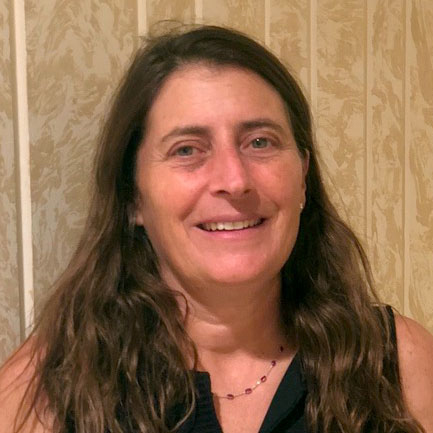
Hallac brings broad experience spanning technology, finance, and philanthropy and will help guide the Institute as it advances foundational science that fuels future breakthroughs. She is an advisor to VectoIQ and a director of VectoIQ acquisition corporation, a company that partners with startups and early-stage companies to develop next-generation smart transportation products and services, including autonomous vehicles, wireless vehicle charging, and fleet management solutions. She is also a consultant to BlackRock on significant philanthropic projects.
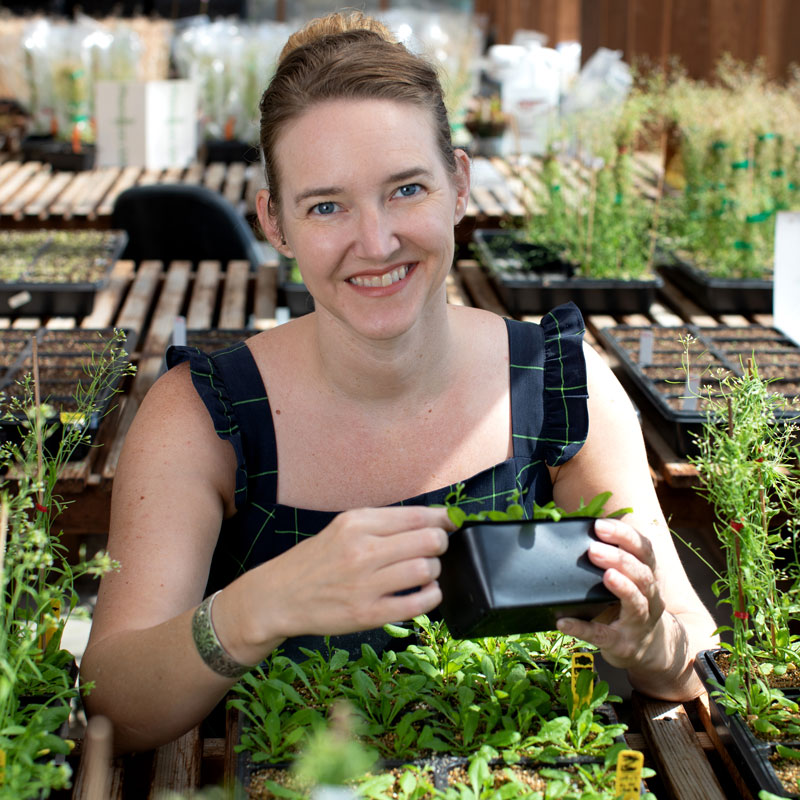
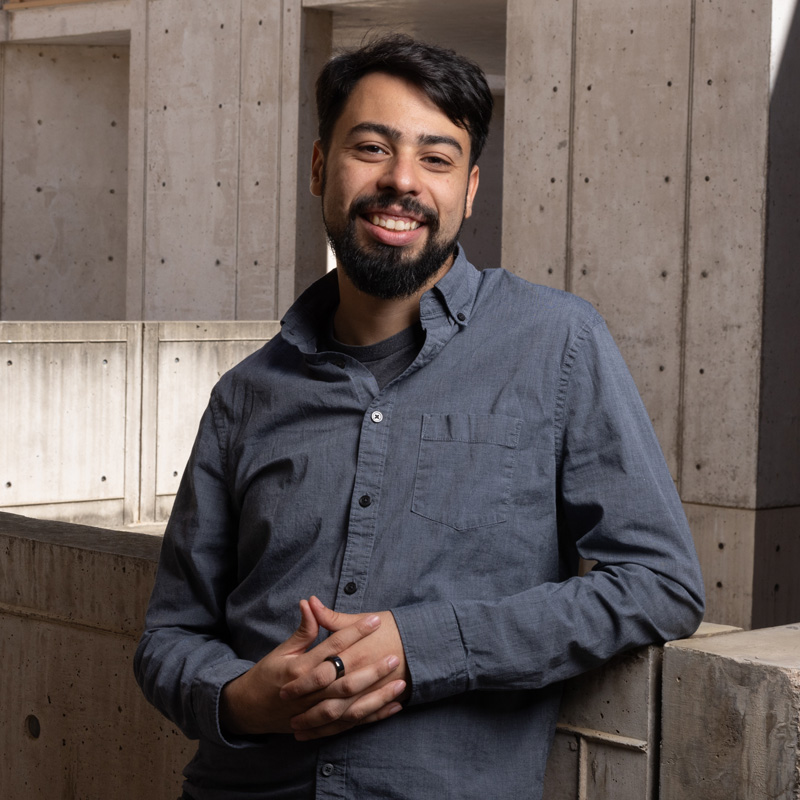
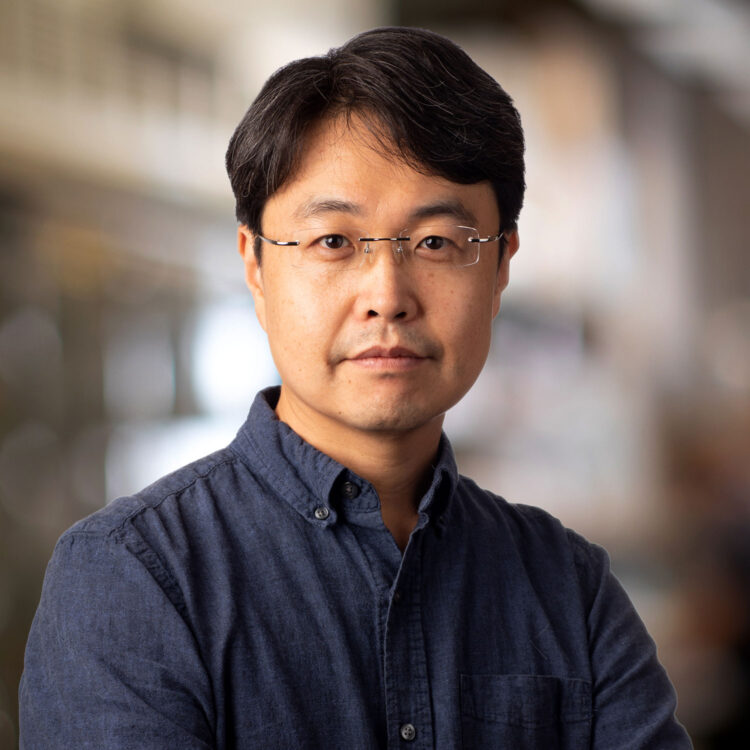
| | Salk Institute promotes Julie Law, appoints Talmo Pereira | | | | Julie Law, who studies how epigenetics influences human and plant health, has been promoted from associate professor to full professor. Talmo Pereira, who designs AI-based tools to study movement in fields ranging from neuroscience to plant biology, has joined Salk’s faculty as an assistant professor. The recognition reflects both scientists’ excellence and innovation in their respective research areas. | | Ian Guldner joins Salk Institute to advance foundational research on brain aging and Alzheimer’s disease | |
Guldner will start as an assistant professor later in 2026. His lab will identify cellular communication mechanisms that regulate brain aging and disease and target those interactions to preserve brain health. His recruitment was enabled by a gift from the Ray and Dagmar Dolby Family Fund and will create new opportunities for collaboration across Salk in neurodegeneration, immunobiology, and aging.
| | Keck Foundation funds three innovative early-career Salk projects | | | | |
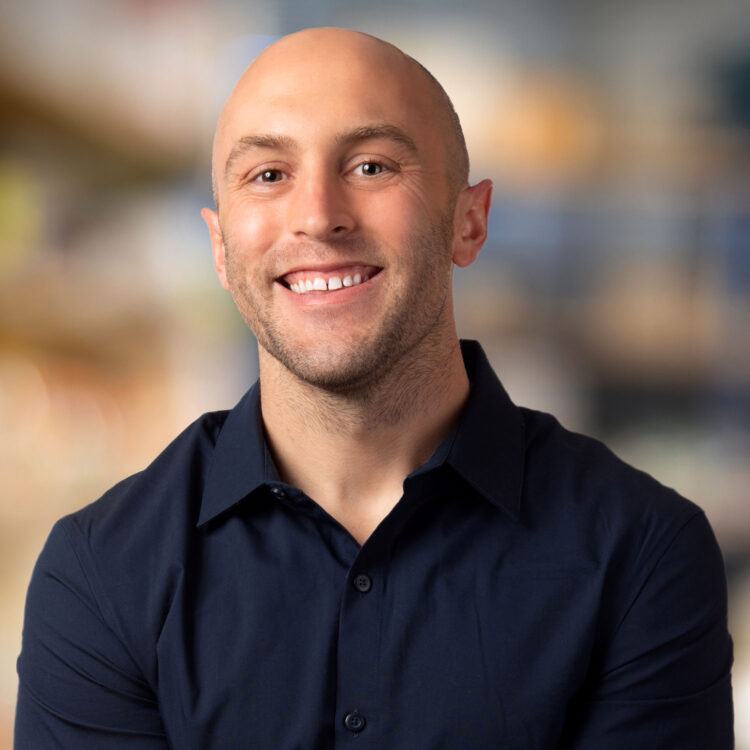
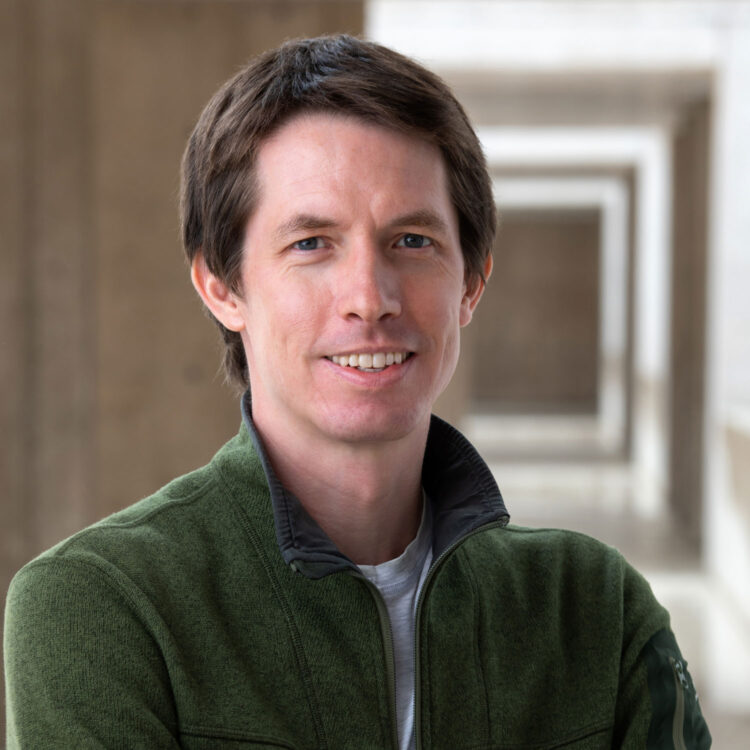
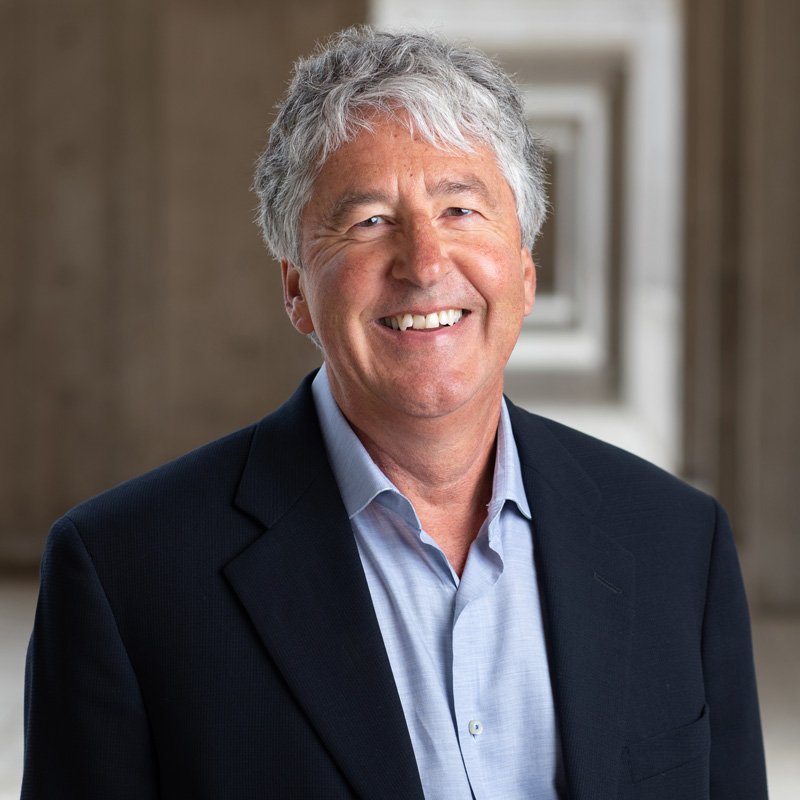
Three Salk faculty members, Sung Han, Daniel Hollern, and Graham McVicker, have been chosen as Keck Scholars, alongside corresponding graduate students as Keck Fellows, in a special W. M. Keck Foundation Bridge Funding Initiative. The Initiative comes as the Keck Foundation seeks to support early-career scientists amid federal funding uncertainty.
Salk encourages scientists to pursue high-risk, high-impact science. Keck funding allows us to protect and advance the kind of bold scientific inquiry exemplified by the three awarded projects, which you can learn about by clicking the button below.
| | Salk President Gerald Joyce elected to American Philosophical Society | |
Founded in 1743 by Benjamin Franklin, the American Philosophical Society is the oldest learned society in the United States. Joyce was elected for his efforts pioneering directed evolution; illuminating how some of the earliest biomolecules evolved; and designing the first DNA enzymes, some of which are now being tested in human clinical trials for cancer, asthma, and skin diseases.
| | Gerald Shadel wins mitochondrial research award from Case Western Reserve University | |
Shadel is the eighth recipient of the Charles L. Hoppel Prize and was chosen for his leadership in mitochondrial biology research—a field that he has shaped by improving our understanding of how mitochondria contribute to cell signaling, aging, immunity, and disease, and by mentoring the next generation of mitochondria researchers.
| | |
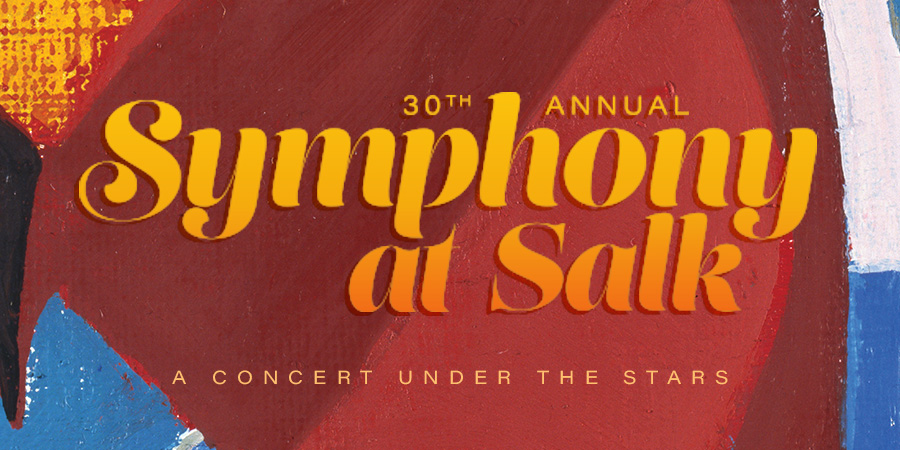
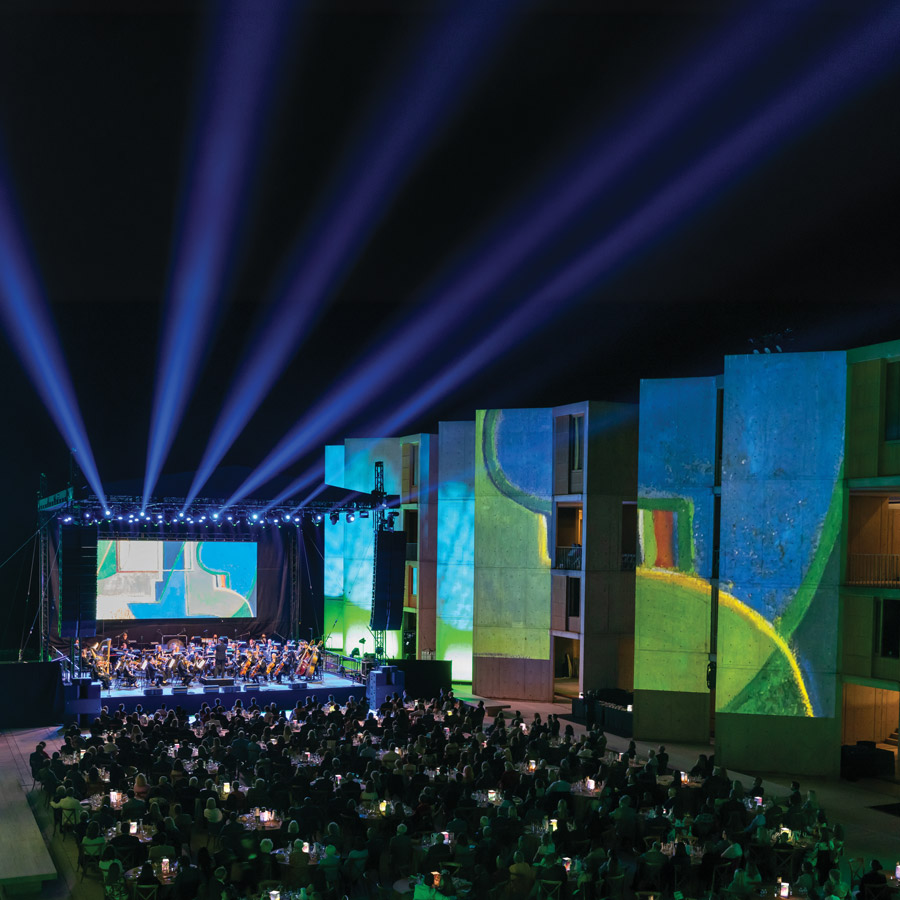
On August 15, 2026, we will celebrate the 30th Annual Symphony at Salk, an extraordinary milestone celebration where world-class music meets world-changing science. This year’s concert under the stars will feature a spectacular performance by the San Diego Symphony and special guests The Bacon Brothers, led by Emmy-winning composer Michael Bacon and acclaimed Hollywood actor Kevin Bacon.
Your attendance supports foundational Salk science that fuels future solutions for cancer, Alzheimer’s disease, agricultural vulnerability, and other global challenges. Last year’s Symphony at Salk sold out, so be sure to secure your tickets and table sponsorships now.
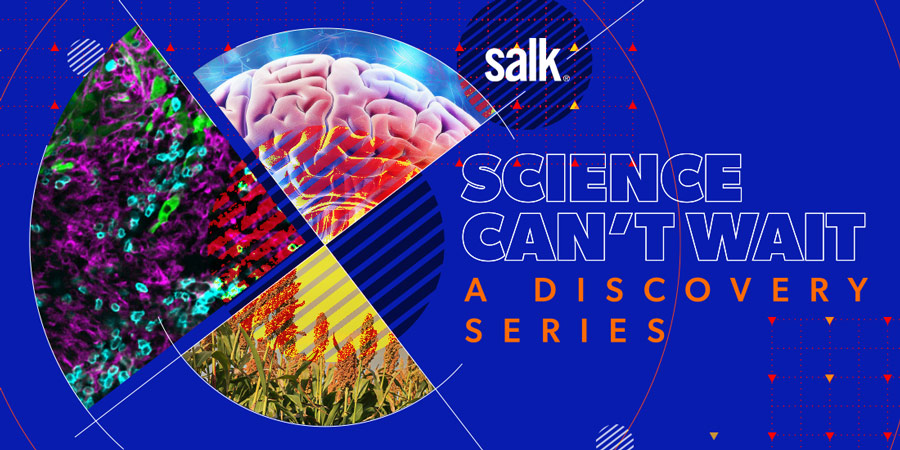
| | Science Can't Wait: A Discovery Series | | |
Thanks to the generous partnership of the Del Mar Foundation, Salk's three-part Science Can’t Wait webinar series exploring breakthroughs in brain health, cancer, Alzheimer’s disease, agricultural solutions, and more, was a tremendous success. Across the series, we welcomed over 800 attendees and met our fundraising goal—generating $50,344 in gifts which the Del Mar Foundation matched for a total of $100,344 raised in support of Salk science.
You can watch each session now on our website to get exclusive insights from Salk scientists whose work is shaping the future of human health and our planet. Hear directly from circadian biologist Emily Manoogian, plant scientist Lucia Strader, and cancer researcher Daniel Hollern, to find out why science can't wait.
| | May 13, 2026: Rising Stars Symposium | | We held our third annual Rising Stars Symposium this month to recognize the accomplishments of outstanding postdoctoral trainees in the scientific workforce, as well as to develop novel opportunities for faculty recruitment at Salk. Trainees shared their research, met one-on-one with our world-renowned faculty members, and learned more about Salk recruitment opportunities. | | The Salk Institute’s Discovery Society honors and celebrates a committed group of individuals who empower Salk’s world-renowned scientists to pursue bold ideas, accelerate discoveries, and inspire solutions that improve lives. | | |
CBS8
Study into hybrid cranberries may boost resilience amid climate change, say Salk scientists
Features Todd Michael
| | |
LA Times
Looking to DNA for answers as climate change outpaces California wildlife’s ability to evolve
Features Todd Michael
A Few Beers With Podcast
Can humans live forever?
Features Jan Karlseder
The Scientist
What’s the best way to measure mentorship?
Features Georgia Lattanzi
CBC
As It Happens April 27, 2026
Features Janelle Ayres
The Conversation
Headspace: Can our brains get full?
Features Terrence Sejnowski
The San Diego Union-Tribune
Salk Institute studying cells that are ‘like a heat-seeking missile that can find cancer’
Features Daniel Hollern
Fragile X News Today
Targeting star-shaped brain cells reduces fragile X seizures in mice: Study
Features Nicola Allen
MSN
New tools and habits show promise for Alzheimer’s prevention
Features Salk Institute’s Year of Brain Health
| | Del Mar Wine & Food Festival | Join us on the Polo Fields October 3 and 4 for the Del Mar Wine & Food Festival—a weekend of exceptional food, remarkable wines, and the chance to explore, taste, and connect with the people shaping how San Diego eats and drinks. | | |
About this newsletter
Salk’s email newsletter is published monthly with updates on recent scientific publications, media coverage, awards, grants, events, and other timely information for Salk supporters and science enthusiasts.
| | | | |