🍓Berries of Change🍓

After last month's event of the season, maybe that should be our new name?

Just kidding (as much we love berries here, it just doesn't have the same ring to it)!


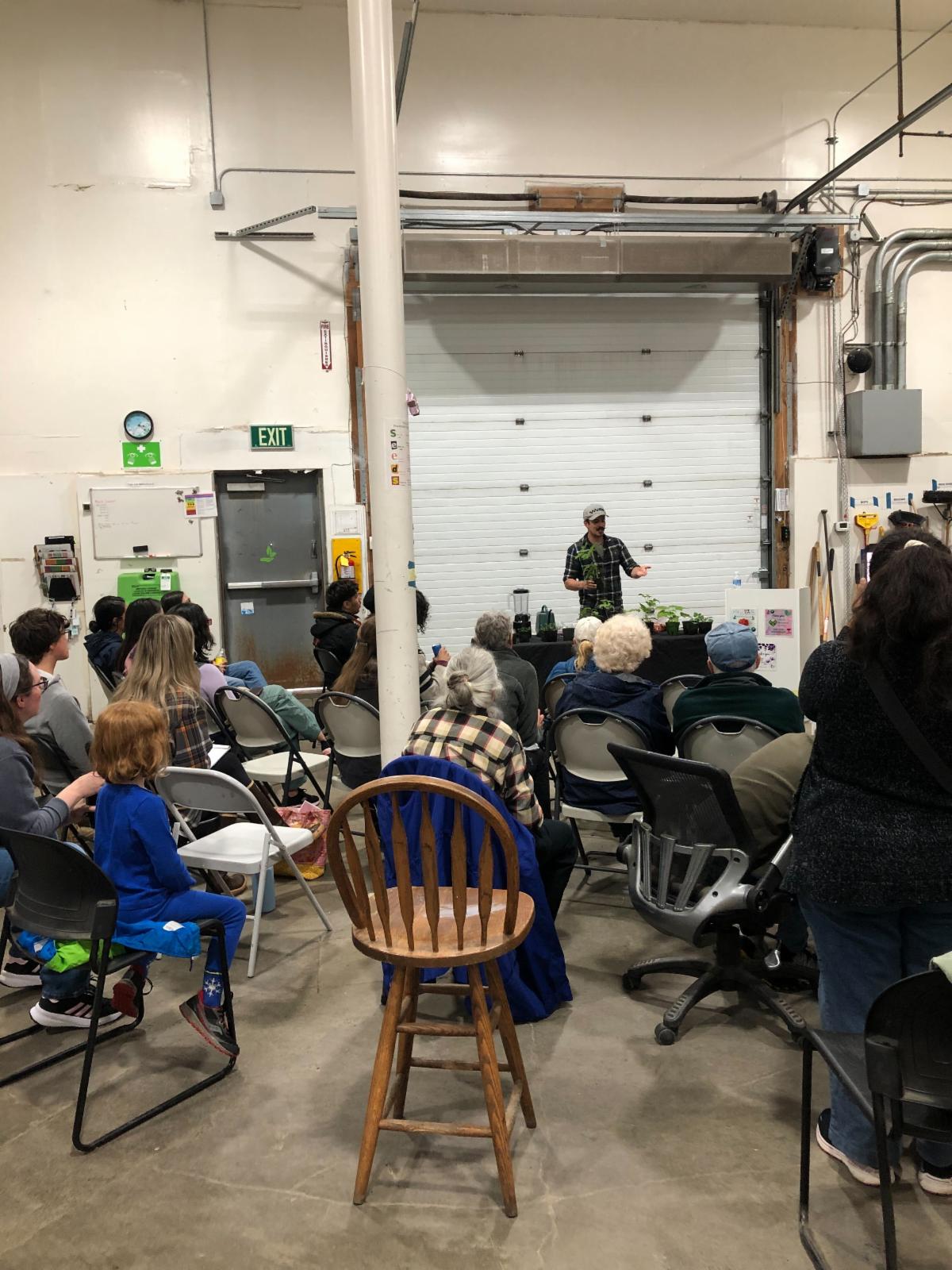
If you were unable to attend or missed the announcement, during the month of August, our hydroponic greenhouse hosted a famous guest speaker. Josh Smith, a local social media influencer and owner of Bear Mountain Forest Nursery, presented on all things berry production in Alaska. Josh taught us his system of berry collection and berry seed germination. Over thirty berry-lovers attended the event and berry much fun was had!

Josh is developing protocols for native berry production and was kind enough to share that knowledge with us. Planting native berry plants at your home or within your community is an excellent way to restore native habitat and provide food sources for wildlife (humans included). At Alaska Seeds of Change, we have begun the process of growing native currants from collected seeds. Wish us luck! The tips and tricks that Josh shared were extremely useful in getting the process up and running. It could not have been possible without him or without our amazing partners, the Anchorage Parks Foundation and the Anchorage Soil and Water Conservation District.

If you are interested in growing native berry plants, check out Josh on social media or stop in at Seeds for a chat!

Hydro Highlight: đź’§


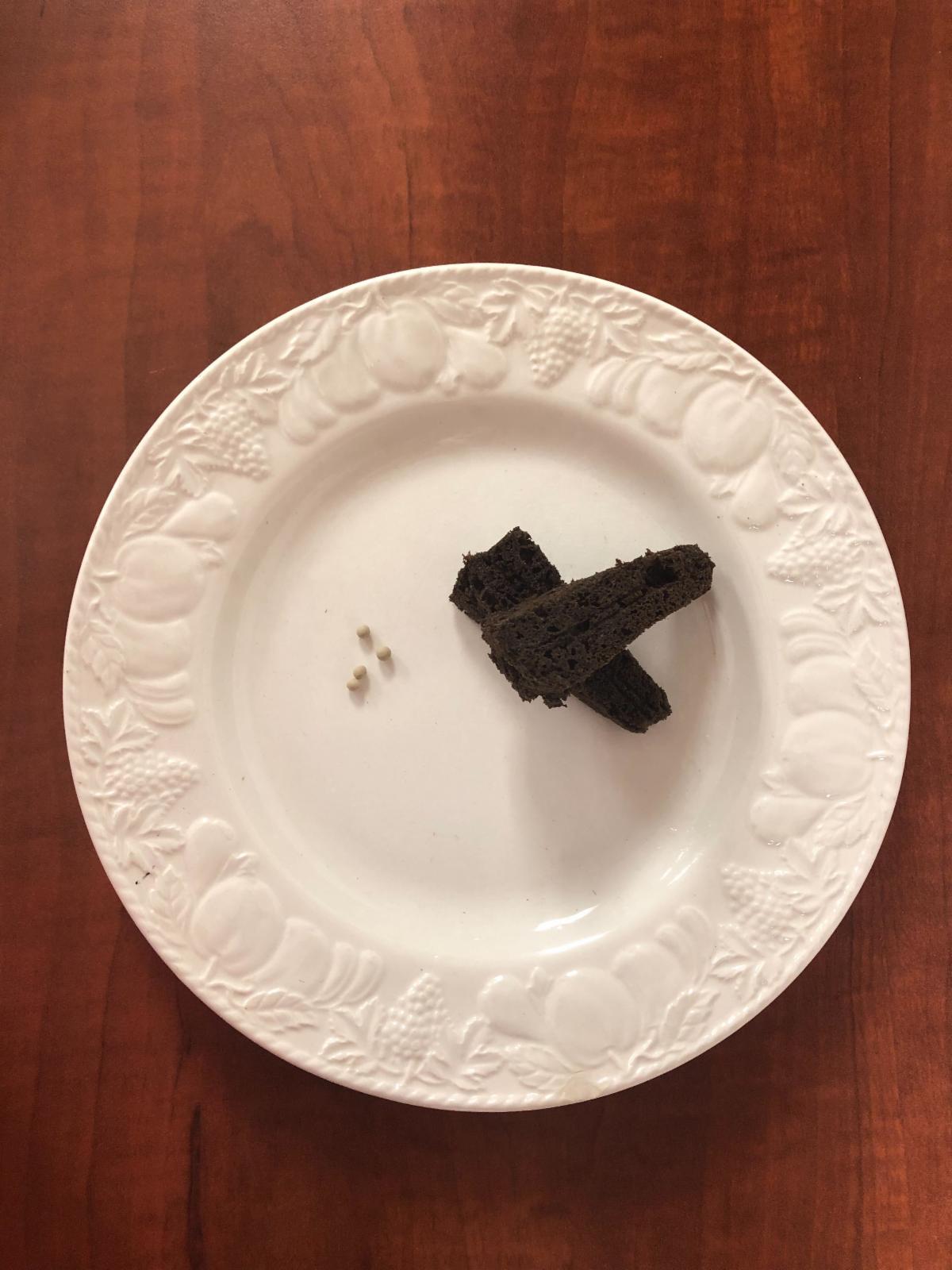
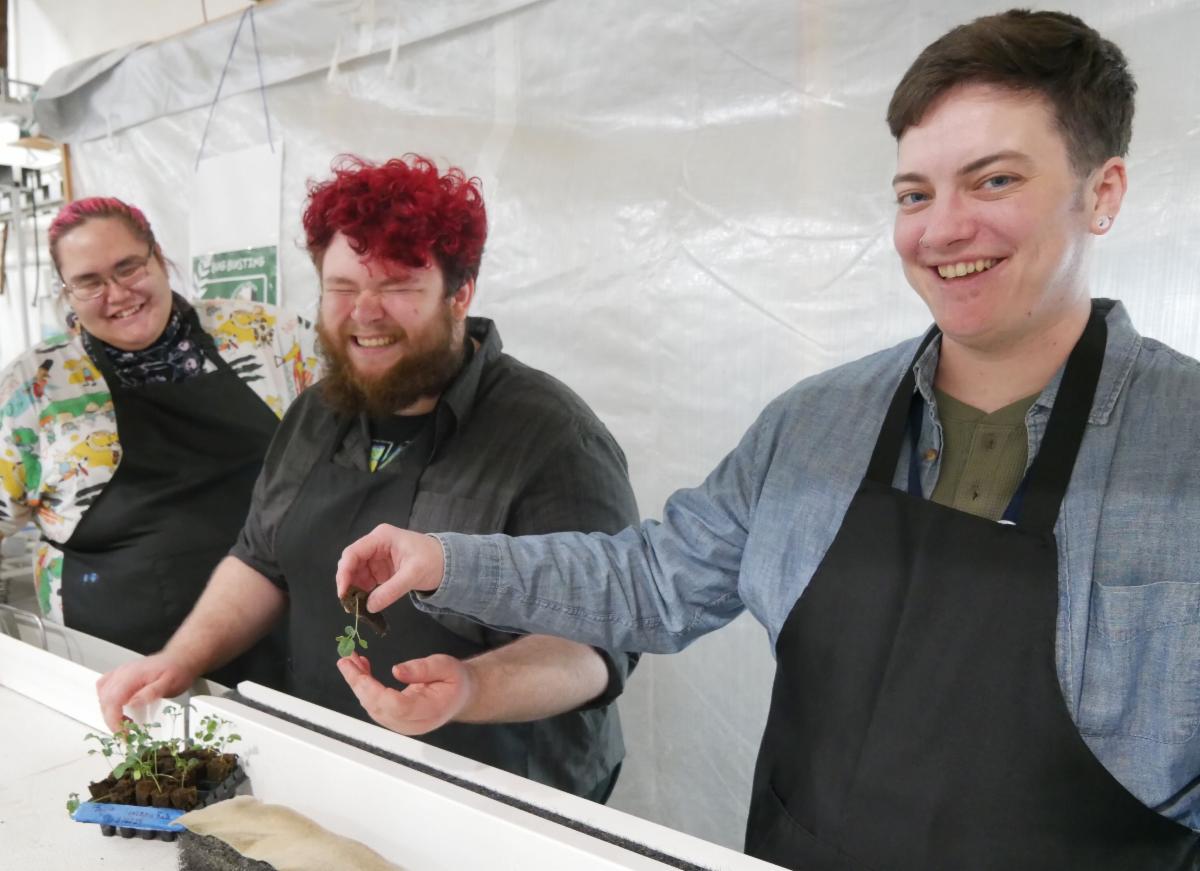
We often get asked how we start growing our plants. The answer is more simple than you think: we start them by seed! We purchase most of our seeds, but try to gather our own when possible. Peppers are especially easy to collect from, but lettuce is not! Every seed gets placed into a plug and into a tray. The plugs look like dirt, but are actually made out of wood polymer. They won't provide any nutrients to the seeds, but will provide the first layer of support for young roots. Newly seeded plugs spend a period inside our "Germination Station" AKA an enclosed growing chamber that we keep extra warm and extra moist. The environment helps promote faster germination. Pictured below is two of our seeding plugs and a few Salanova lettuce seeds.

Hydrolab Highlights: Multitudes of Millet and Lychee for Life!

If you have visited our greenhouse, you may have been shown a special area called the "Hydrolab". Within this area, our youth apprentices are encouraged to complete a agricultural experiment. The experiment could look like growing a plant we've never tried to grow before or testing out different nutrient mixtures on a crop. Ultimately, it is whatever the apprentice wants to do. After they come up with an idea, they must outline a credible hypothesis using the scientific method. We want our youth to use critical thinking skills while they develop a plan, create a timeline, and infer possible outcomes. All skills used during Hydrolab experiments are transferable to future career or schooling opportunities. Recently, we've had two experiments wrap up and wanted to showcase them here.


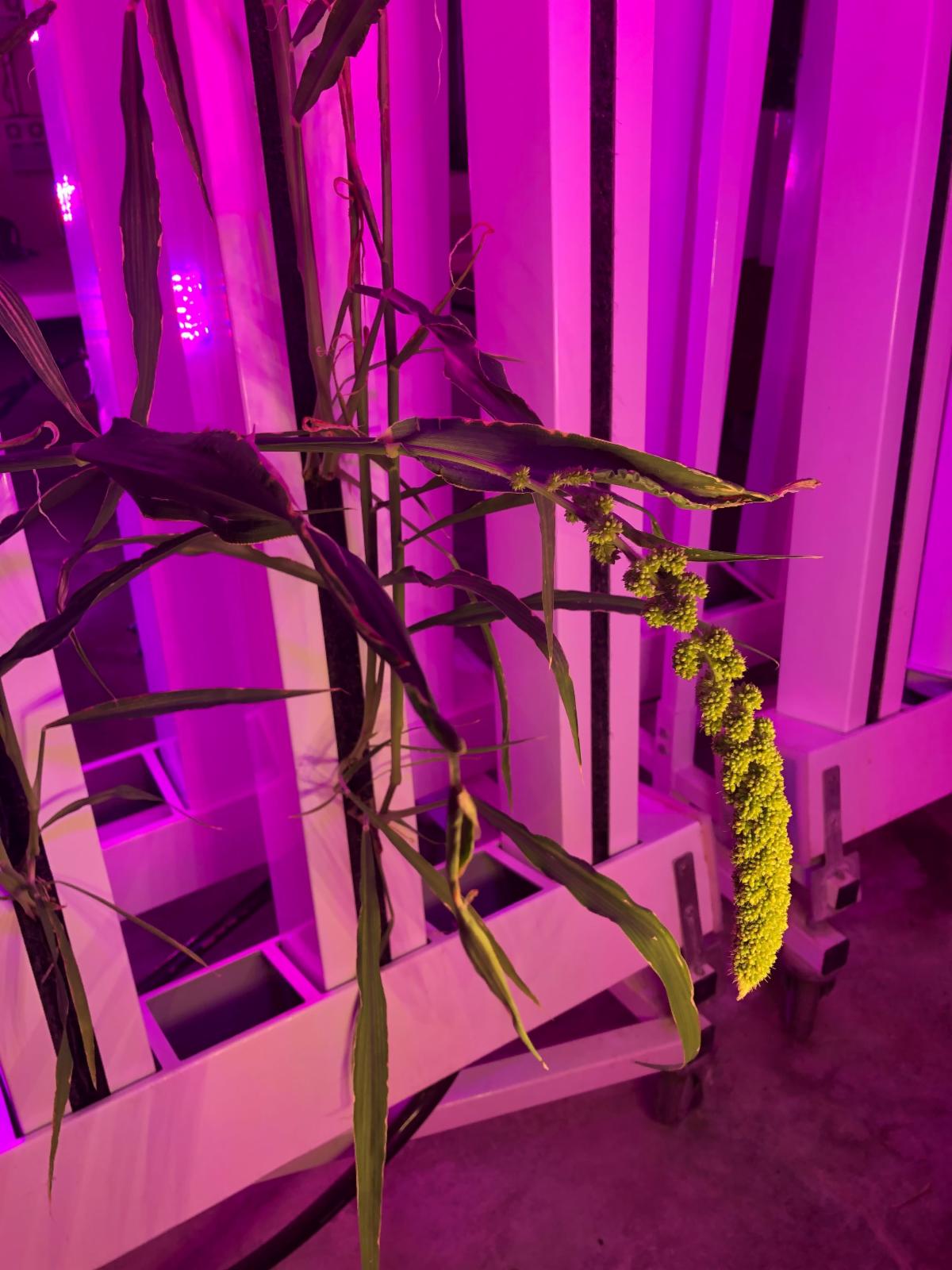
First off, there is the millet experiment completed by current apprentice, Zeke. After filling up his bird feeder at home, Zeke started to wonder where bird seed comes from and what it actually looks like in its adult form. The next day, he brought in a handful of the seed and the experiment began! Based on some research and sleuthing, Zeke hypothesized that the seed may grow into a type of grain and that it may not grow very effectively within a hydroponic system. He planted the seeds and installed them into our hydroponic grow towers, then the wait began. It turned out that the seed grew into millet! The millet ended up growing exceptionally fast, remained resistant to pest damage, and started to produce more seeds by the end of it's life cycle. The circle was complete! Way to go Zeke!

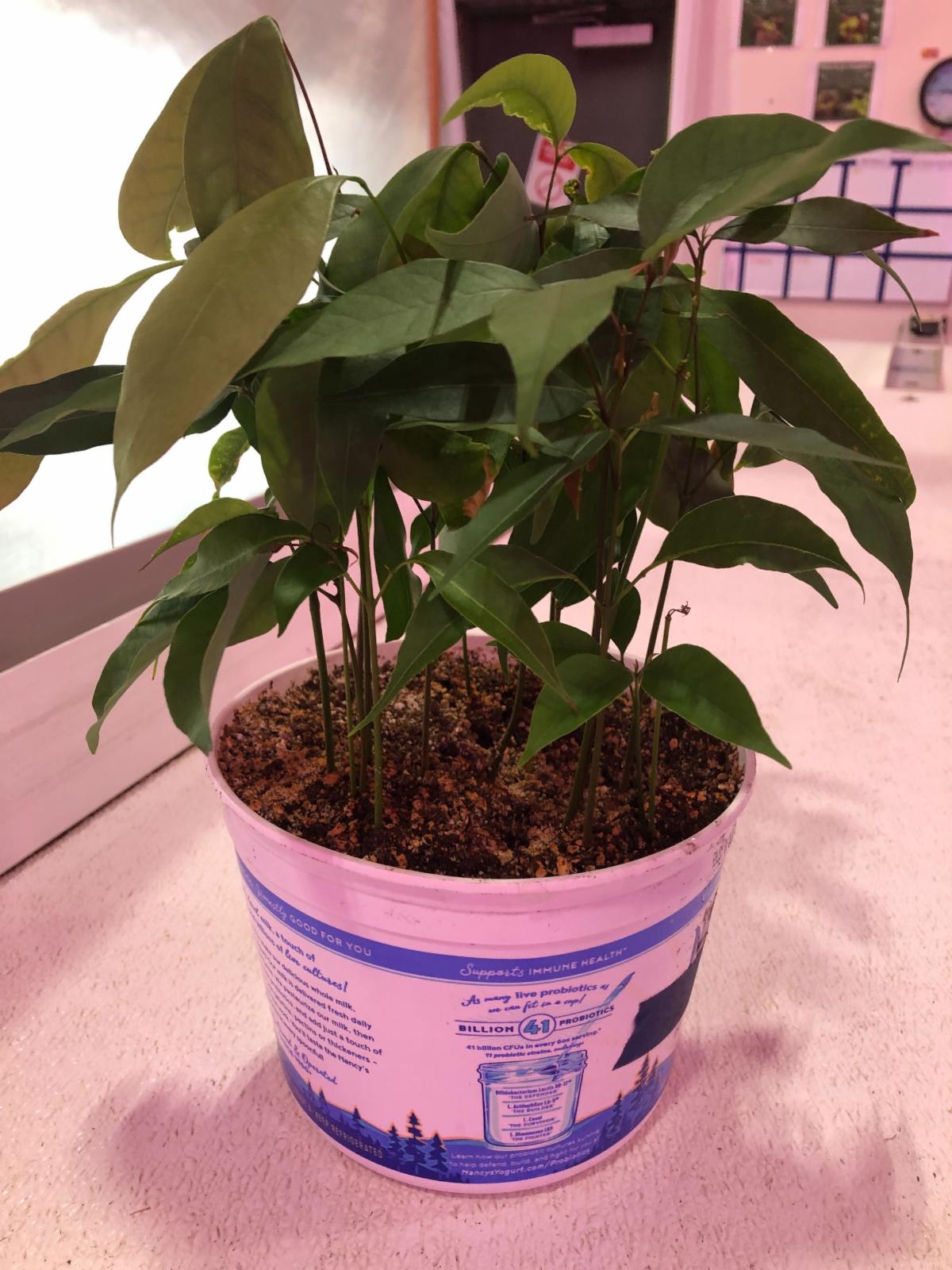
For the next experiment, a former apprentice and current volunteer, Clover, wanted to experiment with growing tropical fruit from seed. Clover procured a dragon fruit and some lychee from a local grocery store to collect seeds from. This meant the first part of the experiment involved eating these tasty fruits! Next, Clover diligently cleaned the seeds, planted them, and awaited germination. Clover hypothesized that both fruits would germinate in our extra humid and warm germination station, since it mimics the fruits native habitat. As it turned out, the lychee did germinate and started growing fast! The dragon fruit, however, remained unsuccessful. Perhaps another experiment is needed? For now, we will celebrate the lychee success! Awesome job, Clover!

Ingredients:

  1. 4 cups water
  2. 1 lb. of rhubarb
  3. 1/4 cup sugar (or more if you want it sweeter)
  4. Mint (as a garnish)


Special Equipment Needed:

  1. Strainer


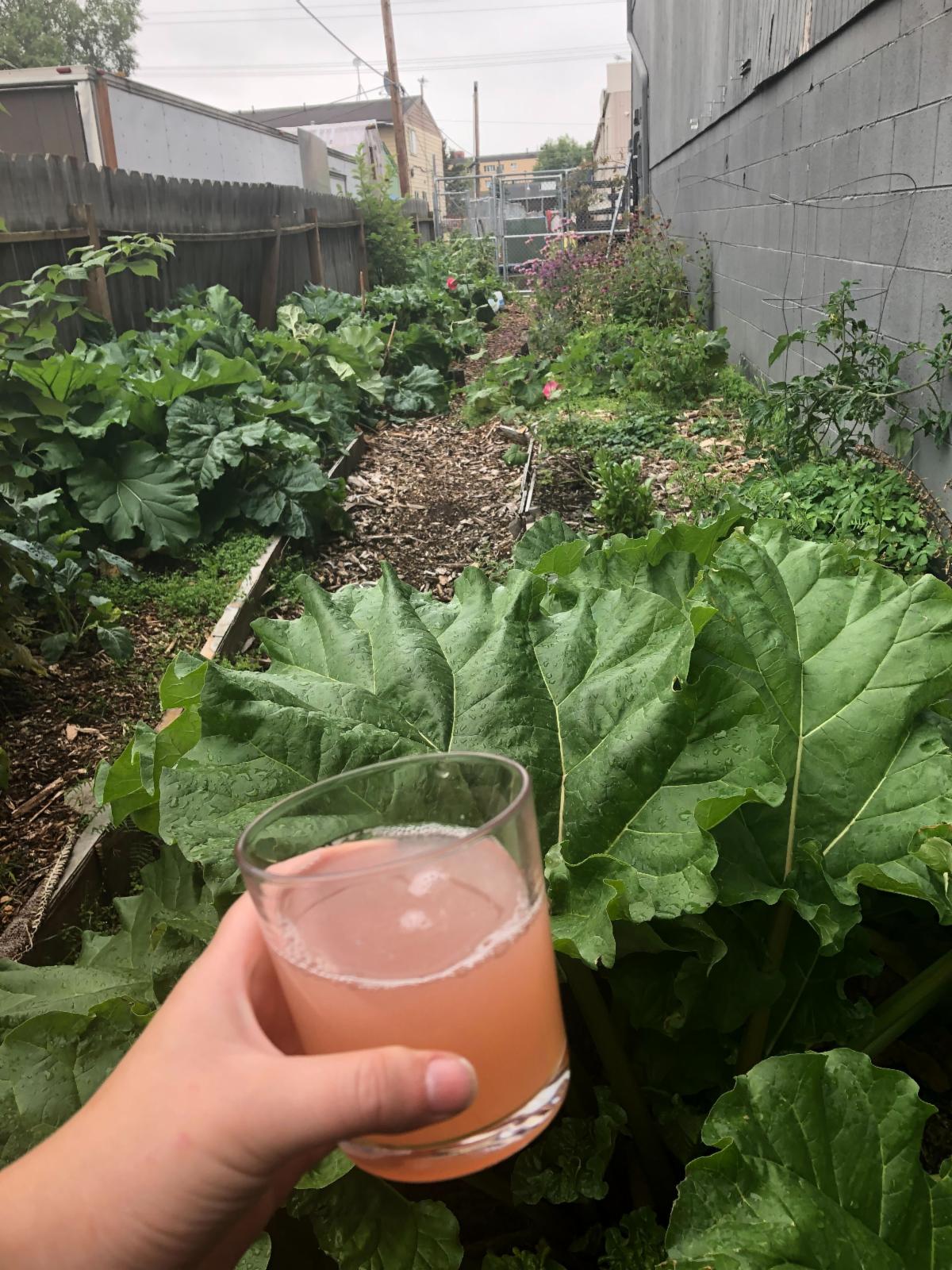
Use our produce in this month's featured recipe: Rhubarb Juice!


Instructions:

  1. Chop rhubarb stalks crosswise, into 1 inch pieces.
  2. In a large pot, combine the cut rhubarb and water. Bring to a boil.
  3. Once boiling, reduce heat and allow mixture to simmer for 15 minutes.
  4. Strain liquid into a pitcher or large bowl. Press any solids against strainer for optimal extraction.
  5. While the juice is still warm, stir in sugar. You can always sip and add more to suit your sweet-tooth.
  6. Compost leftover rhubarb pulp and put the juice in the fridge. Allow juice to cool for 3 hours before serving.
  7. Garnish with some mint leaves and enjoy!


Interested in Volunteering?

As a volunteer, you can assist with a variety of greenhouse tasks including, but not limited to seeding, transplanting, and harvesting.

Email our Volunteer Coordinator!
 

Interested in Apprenticeships?

Do you need a job or know someone who does? We offer paid apprenticeships to local youth. Learn transferable skills and gain valuable experience.

Email Us!
 
Want to support our program? Donate today!
 

Address: 704 W 26th Ave Anchorage, AK 99503

Office: (907) 762 - 8660

Email: seeds@akbh.org

Facebook  Instagram