|
| |
IN THIS ISSUE
Policy Corner
News Feed
Training & Events
Resources
Job Announcements
| | |
Policy Corner
Considerations in Leveraging AI in Behavioral Health
| | |
Artificial Intelligence (AI) is increasingly being used as a tool by mental and behavioral health care systems. In January 2025, the U.S. Department of Health and Human Services released its Artificial Intelligence Strategic Plan, outlining its intentions to responsibly leverage AI to enhance health, human services, and public health.
One of the most promising avenues for the use of AI in behavioral health care is the opportunity to address the significant and growing workforce shortage. While research is still in the early stages, some studies have shown various forms of AI to be effective at screening for opioid use disorder, predicting when adolescents were at high risk for future mental health issues, and helping identify patients at-risk for suicide. For individuals living in areas with limited access to services, AI has potential to provide 24/7 support through AI therapy chatbots, and once someone engages in therapy, AI can help providers create personalized treatment plans. Additionally, AI is regularly used to perform administrative tasks, helping to ease the administrative burden felt by many providers. AI also offers promise supporting recruitment of more diverse professionals.
As with any new technology, building a strong policy foundation to address ethical considerations and ensure data remains secure is crucial to successfully implementing solutions. AI outputs rely on data, so it is critical that information entered is checked for accuracy. AI models are built using data, which should be diverse and representative to proactively mitigate bias. As one article noted, “rigorous testing and validation processes are necessary to ensure that AI-driven interventions are accurate, reliable, and safe for patients.”
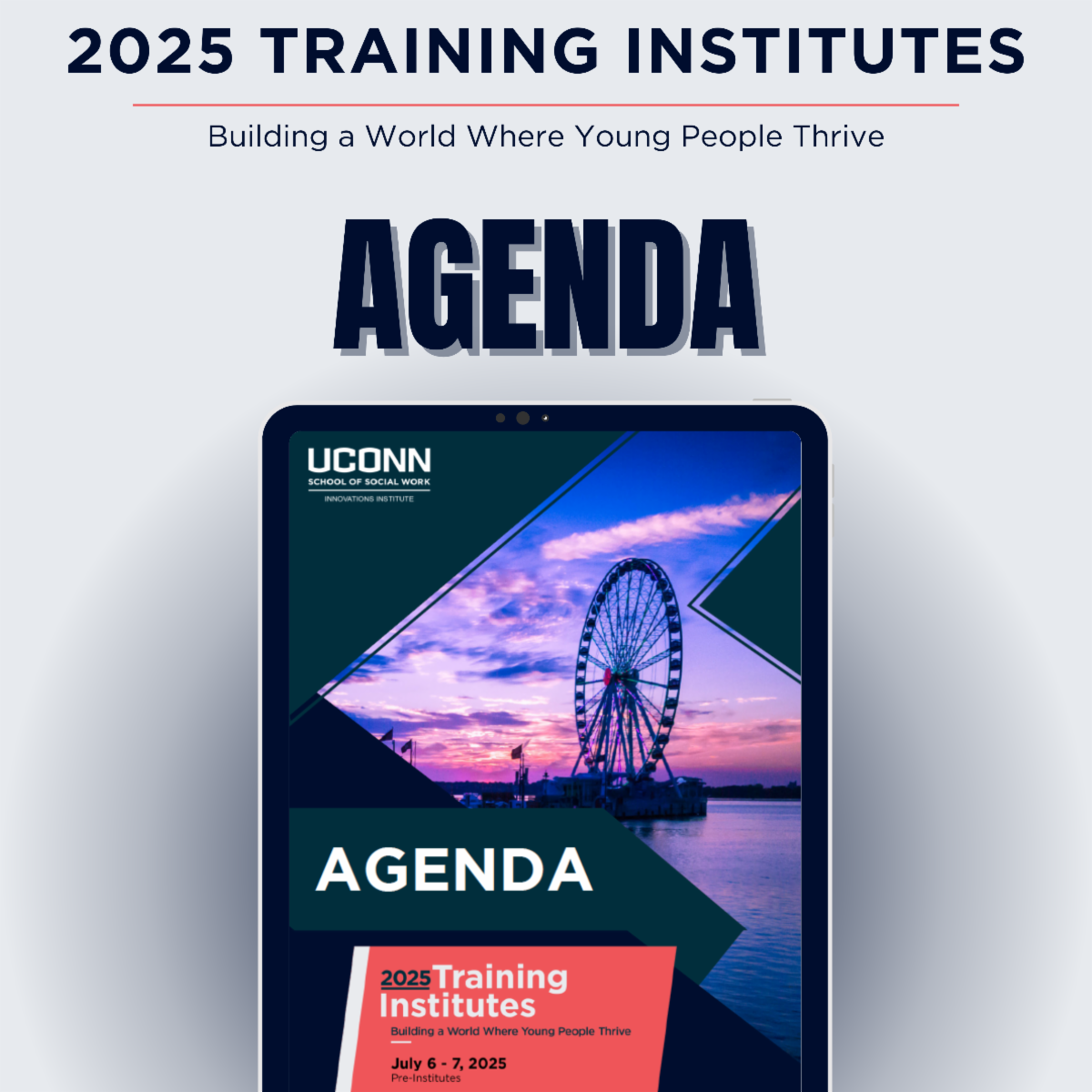
Join the conversation about Artificial Intelligence at next month's 2025 Training Institutes! The closing plenary, Finding Innovation and Leveraging Opportunities, will kick-off with a keynote from Kana Enomoto, director of brain health for McKinsey Health Institute, followed by a panel featuring Dr. Kamillah Wood, MD, MPH, FAAP, the partnerships and strategy lead for the Health Optimization Team at Google Health.
Resources
Authored by Kate Dormont, MSW candidate, UConn School of Social Work & JD Candidate, UConn Law; MSW Practicum Student, Innovations Institute
| | | |
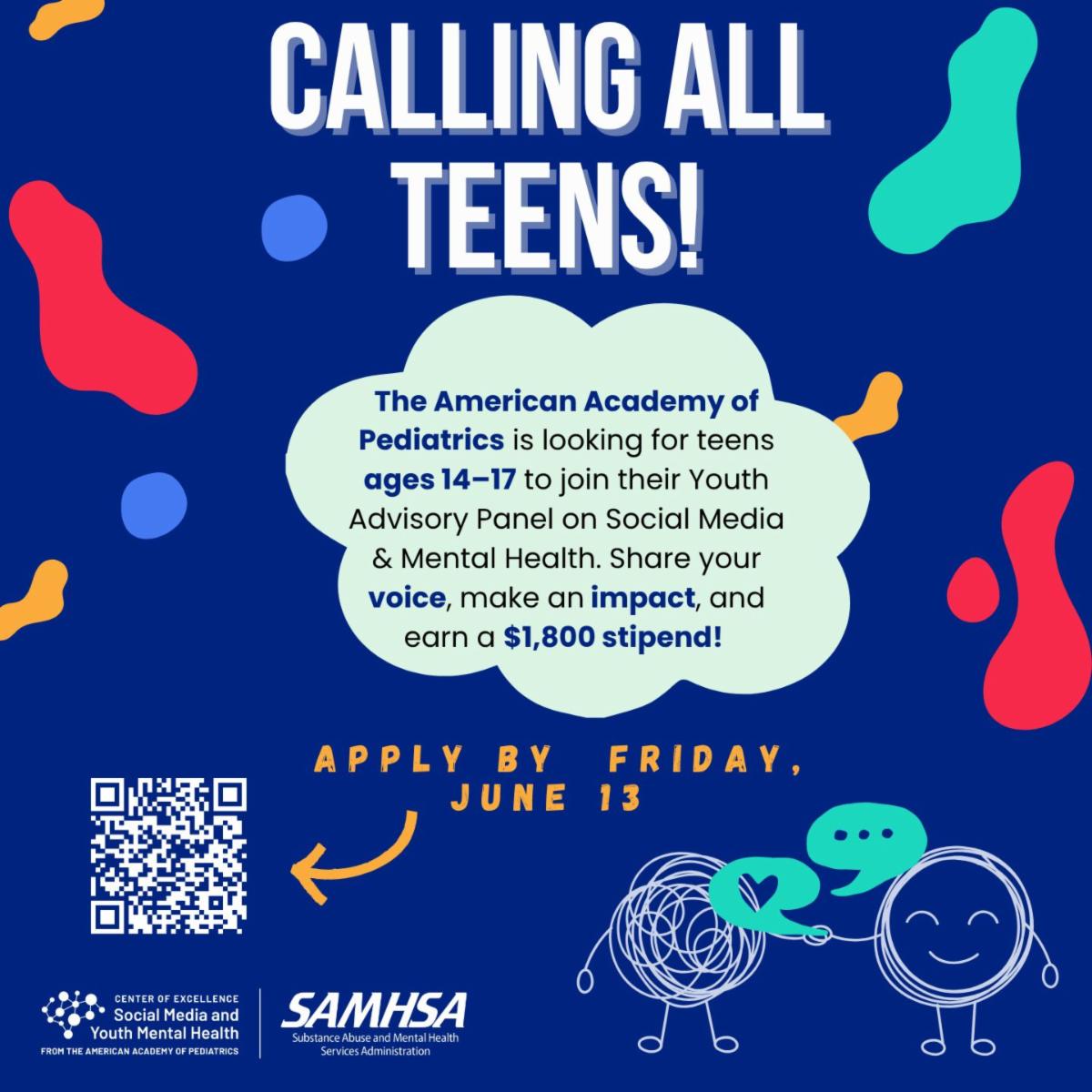
AAP Youth Advisory Panel Opportunity
The American Academy of Pediatrics Center of Excellence on Social Media and Youth Mental Health is recruiting new members for their 2025 Youth Advisory Panel (YAP). The YAP is made up of 20 diverse youth, ages 14 to 19, who provide thought leadership and guidance by sharing experiences, ideas, and insights about social media and youth mental health. Learn more and apply by June 13, 2025.
| |
Community Corner*
Youth Futures Supports At-Risk & Homeless Utah Children
| | Kristen Mitchell and her team have been supporting Utah's youth for the last 10 years. With overnight shelter, drop-in services and street outreach, Mitchell says Youth Futures has changed lives and helped to lessen the cycle of homelessness for kids. Youth Futures was founded while Mitchell was working a youth mental health hotline. A 2015 conversation with a young, distraught boy kept Mitchell up all night and then she immediately got to work launching a homeless youth shelter for kids 12-18 and transitional living for those 16-22. One of the most important guiding principles of the organization is never turning youth away. Youth Futures is open 24/7 and provides access to laundry, computer access, overnight shelter, support groups, art therapy, pregnancy prevention, and a myriad of other courses. "If you can think about it, we offer it. If we don't offer it, and a kid needs it, we will figure out how to help build it," Mitchell said. | |
|
*Community Corner features innovative work that transforms child-, youth-, and family-serving systems and services. Send us information about your program or project to be highlighted here by emailing us at TAtelegram@uconn.edu. | | | |
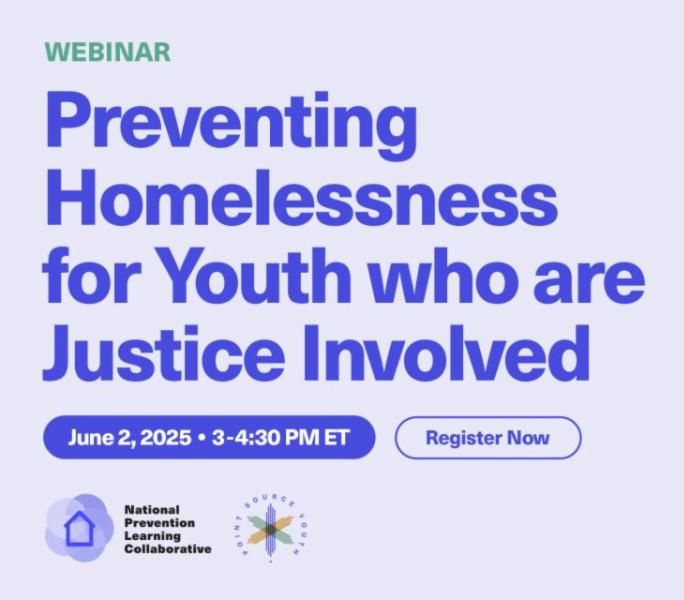
Preventing Youth Homelessness
Join the National Prevention Learning Collaborative and Point Source Youth for this session featuring two King County, WA programs serving youth who are court involved. Speakers will share about their innovative models, Housing Stability for Youth in Courts (H-SYNC) and the Prevention Youth Engagement Team (P-YET).
Preventing Homelessness with Youth who are Justice Involved
Monday, June 2
3:00 – 4:30 PM ET
| | | | |
NFSTAC Family Connections
Join the National Family Support Technical Assistance Center (NFSTAC) for a discussion on substance use disorder (SUD) and its stages, which affects millions of people from all walks of life—including families and caregivers.
SUD 101: What It Is, What It Isn't
Thursday, June 5
1:30 – 2:30 PM ET
| | | |
Authentic Youth Engagement
Participants will hear from a panel of research group members and Child Trends Staff about a recent study to better understand how organizations engage youth, factors that help and hinder authentic youth engagement, and outcomes associated with authentic youth engagement.
Engaging Youth Authentically in the Policy Process
Tuesday, June 10
1:00 PM ET
| |
NFSTAC Office Hour
Join the National Family Support Technical Assistance Center (NFSTAC) for a session exploring all the possible roles for family members with lived experience. Participants will also hear tips on writing successful government and foundation grant proposals.
Family Peer Career Ladder & Grant Writing Tips
Tuesday, June 10
2:00 – 3:30 PM ET
| | | | |
Medicaid's 60th Anniversary
This session will feature authors from a special issue of the Journal of Health Politics, Policy, and Law—Medicaid at 60—discussing their research on Medicaid's history; what changes to the program could mean for people's health; how grassroots advocacy and policy influence each other; and what to watch in the years ahead.
Medicaid at 60: Examining the Program's Past, Present & Future
Thursday, June 12
3:00 PM ET
| |
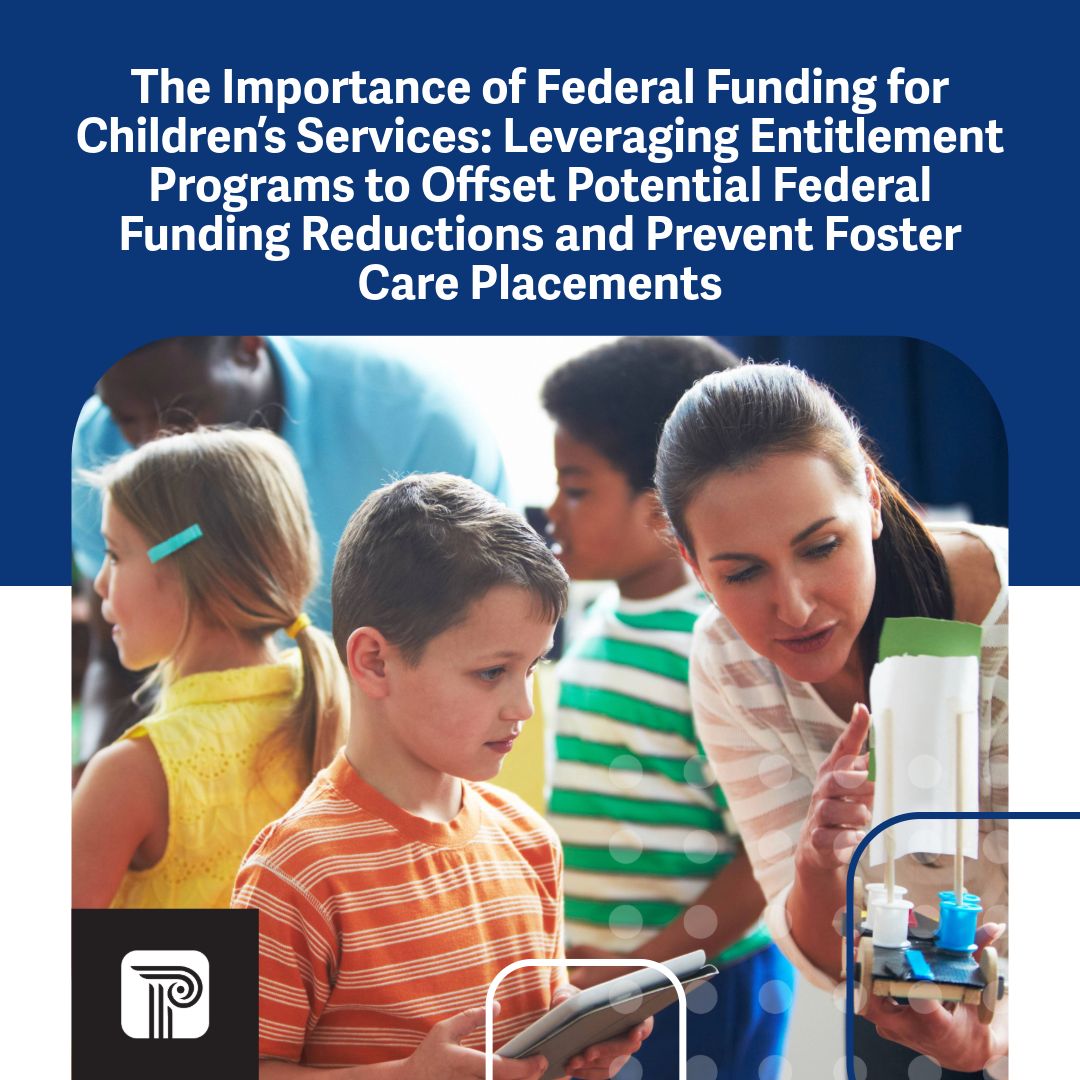
PCG's Latest Brief
Public Consulting Group's (PCG) latest brief explores how economic factors and access to high-quality children's services impact child welfare involvement. The brief discusses strategies for leveraging entitlement programs to mitigate potential funding reductions and keep children and families together.
| | | | |
Published Findings from NAMD
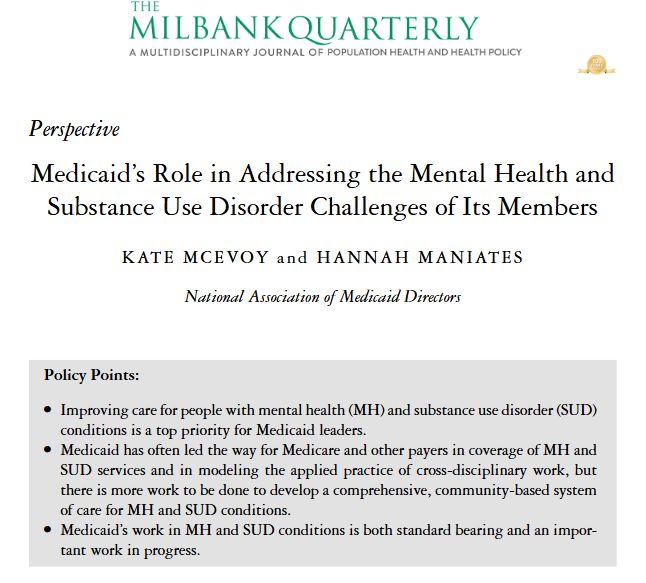
A recent article written by the National Association of Medicaid Directors (NAMD) in The Milbank Quarterly explores Medicaid's pivotal position in enhancing care for individuals with mental health and substance use disorder conditions, underscoring the importance of cross-disciplinary work in addressing these complex challenges.
| | |
Do you have a job opportunity you would like to share with the field?
Be sure to indicate any applicant deadlines.
| | | | |