Thinking Out Loud

The Tech Thought Leadership Hub of the Universe*

Feb 9, 2026


[This Week]

Customer Journeys vs. Employee Reality

Tandy’s Blueprint for Store Visits

Shrink Your Restaurant Footprint

Demographic Segmentation Made Simple

The Grocery Control Myth

Your Restaurant Stack Is Overbuilt

Automation to Strengthen Supply Chains

AI Shopping Assistants Arrive

Identity Proofing, Simplified


The Retail Disconnect: Seamless Customer Journeys, Fragmented Employee Experiences


Retailers are building increasingly sophisticated customer experiences on top of fragmented, siloed communication systems for employees. And that's why most of them can't turn their aspirations into reality [8x8].


Why it matters according to AI: A modern engagement platform reveals how fragmented CX, data, and frontline tools quietly erode loyalty, revenue, and operational efficiency.

How Specialty Retailers Can Drive In-Store Visits: A Lesson from Tandy Leather


Tandy Leather perfected the delicate balance between pinpoint targeting and multi-touch media to drive sales [GroundTruth].


Why it matters according to AI: Location intelligence shows how real‑world audience signals can lift store visits, sharpen local activation, and strengthen specialty retail performance.

​Promotion

Restaurant Sustainability Guide: How to Reduce Your Carbon Footprint


From the emissions released during livestock production to the water used in the food supply chain and the food waste generated along the way, restaurants create a substantial environmental footprint [Lightspeed].


Why it matters according to AI: Sustainability guidance helps operators cut waste, lower costs, and meet rising guest expectations for responsible, future‑minded restaurant practices.

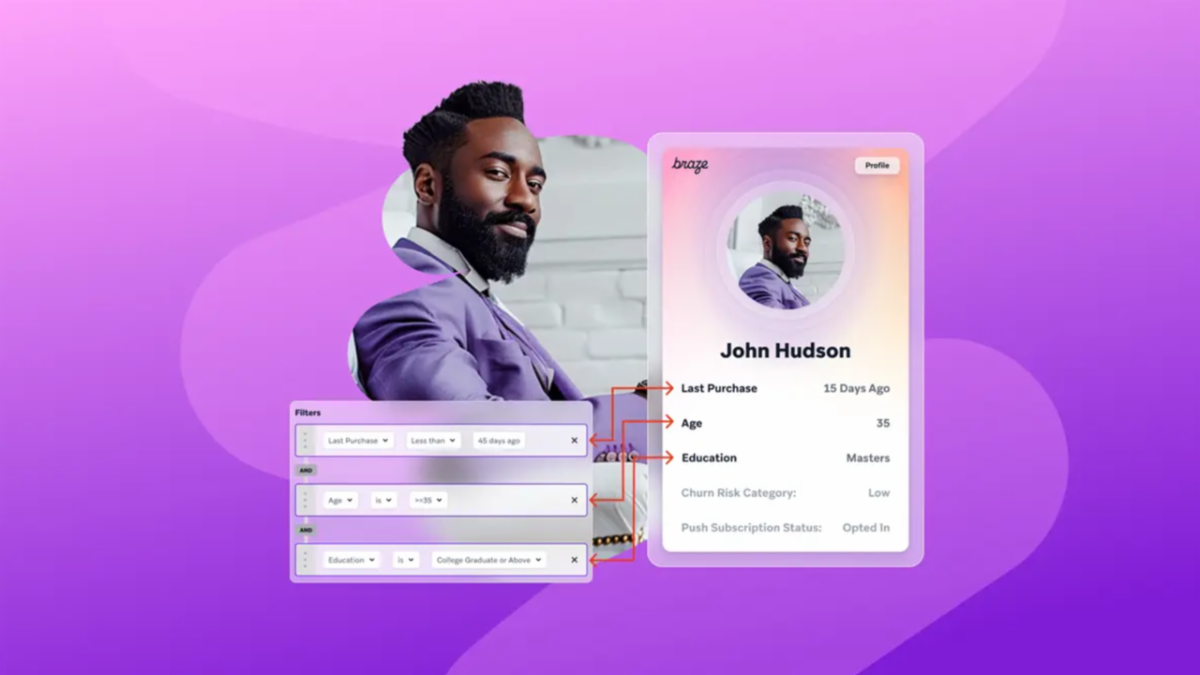
Demographic Segmentation: How To Do It, Examples and Best Practices


Combined with behavioral and lifecycle signals, demographic segmentation turns into a more complete and effective part of your lifecycle orchestration [Braze].


Why it matters according to AI: Demographic segmentation clarifies who your customers are, helping brands tailor messaging, improve relevance, and build more effective, data‑driven engagement.

Partner Content

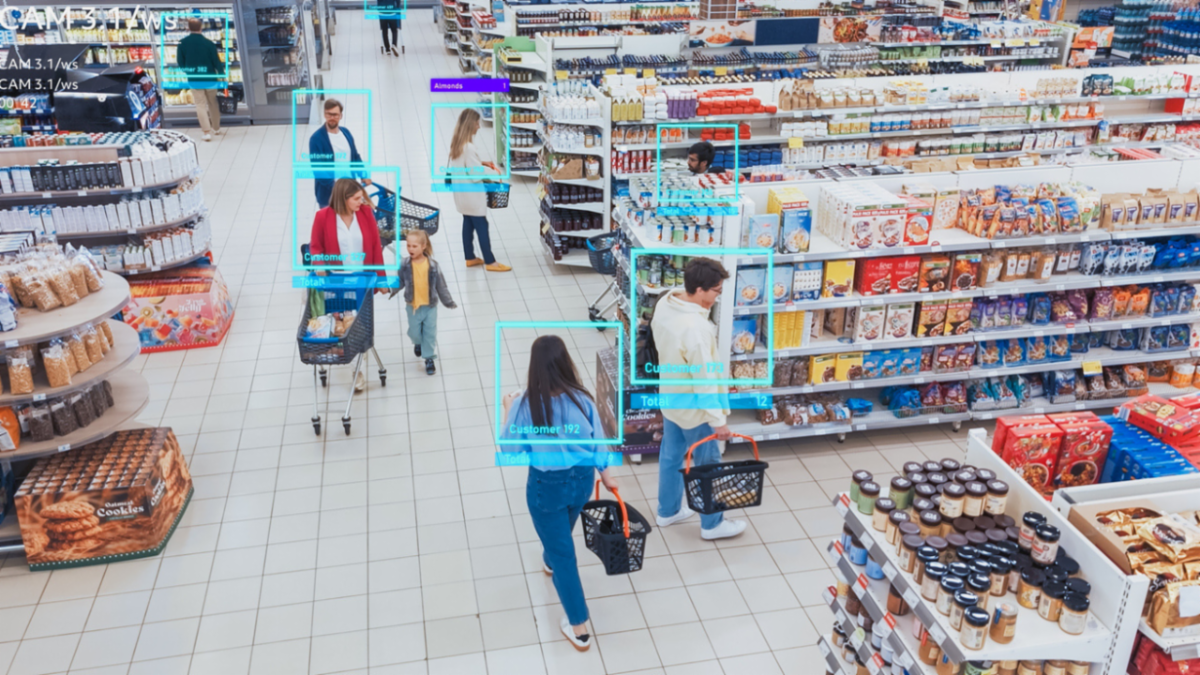
Think You’re in Control Shopping for Groceries? Wrong!


Welcome to the brave new world of the Agentic AI shopping experience. Your grocery trip is an experiment—and you’re the test subject [Phil Lempert/The Robin Report].


Why it matters according to AI: Behavioral research shows how subtle cues in grocery environments shape choices, revealing why retailers must design journeys that guide—not guess—shopper decisions.

5 Signs Your Restaurant Software Stack Is Too Complicated


When your tech stack becomes a towering collection of disconnected tools, each promising to streamline operations, you create new problems faster than you solve old ones [Chowly].


Why it matters according to AI: Overly complex tech stacks slow teams down, create errors, and inflate costs—showing operators why simplification is now a competitive advantage.

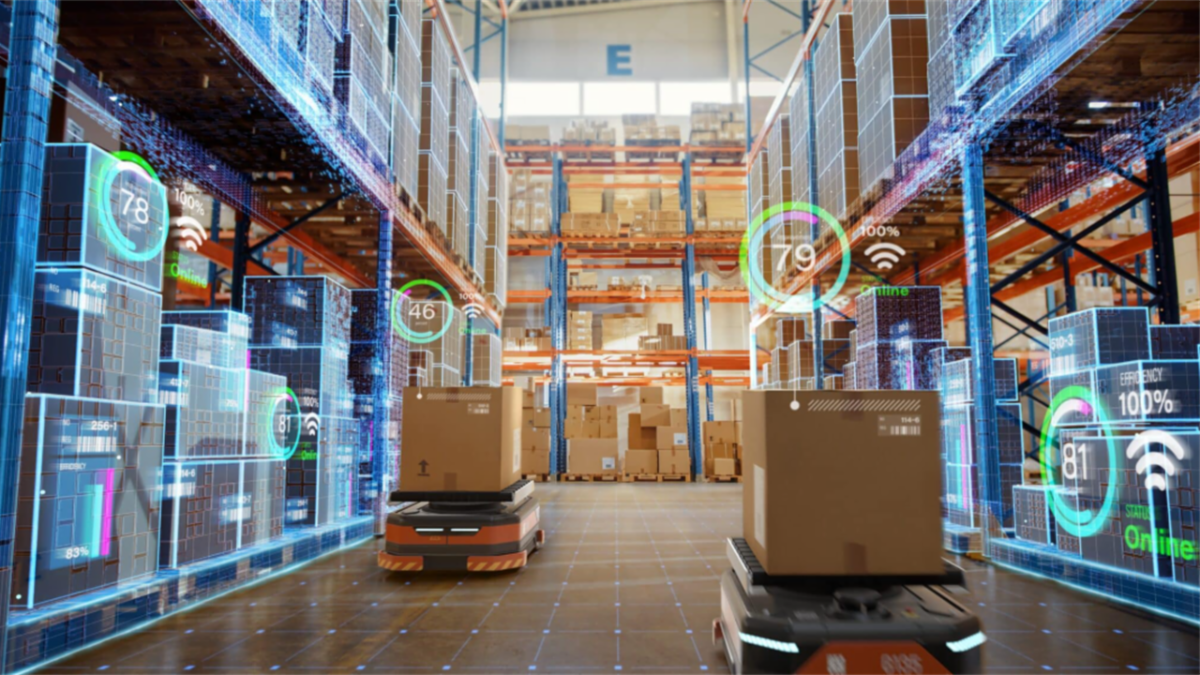
Leveraging Robotics, Automation, and AI to Optimize Supply Chains


As automation and artificial intelligence move from buzzwords to business necessities, logistics leaders are asking a simple question: what actually works? [Zipline Logistics].


Why it matters according to AI: Robotics and AI reveal where manual processes slow supply chains, helping operators boost accuracy, resilience, and throughput in an increasingly volatile market.

Partner Content

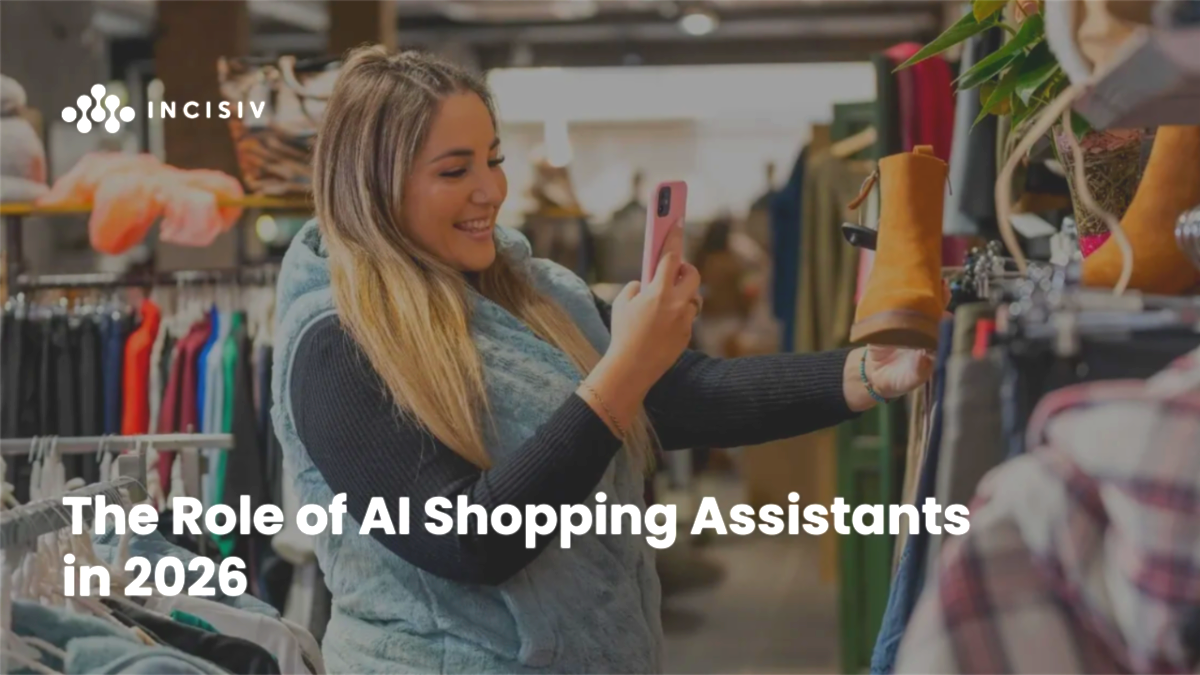
The Role of AI Shopping Assistants in 2026


AI shopping assistants are moving from experimental features to essential infrastructure, but retailers must solve for trust, integration, and measurable business outcomes to capture the opportunity [Incisiv].


Why it matters according to AI: AI shopping assistants illustrate how automated guidance can reduce friction, personalize choices, and reshape how consumers navigate increasingly complex digital buying journeys.

Promotion

What is Identity Proofing? A Guide to Smarter Digital Verification 


As fraud techniques evolve and digital onboarding becomes the standard, verifying customer identities has become a foundational requirement for both compliance and trust [Telesign].


Why it matters according to AI: Identity proofing clarifies how stronger verification practices reduce fraud, protect customer trust, and support safer, more resilient digital interactions.

Retail

Foodservice

Mfg/DTC

Supply Chain

Hospitality

Disclosure: We maintain editorial independence. Content is not sponsored unless indicated.


10,000+ executives receive Thinking Out Loud every week from the Retail & Hospitality Hub.


*Our tagline - It's a Boston Thing.