Charleston's People, Culture, and Community
Black History Month reminds us to pause, reflect, and honor the Black communities of Charleston.
Charleston’s history is defined not only by its architecture and landmarks but by the people who have shaped its culture, traditions, and neighborhoods for generations. Yet over the past two decades, rising housing costs and rapid development have fundamentally changed who can afford to live here.
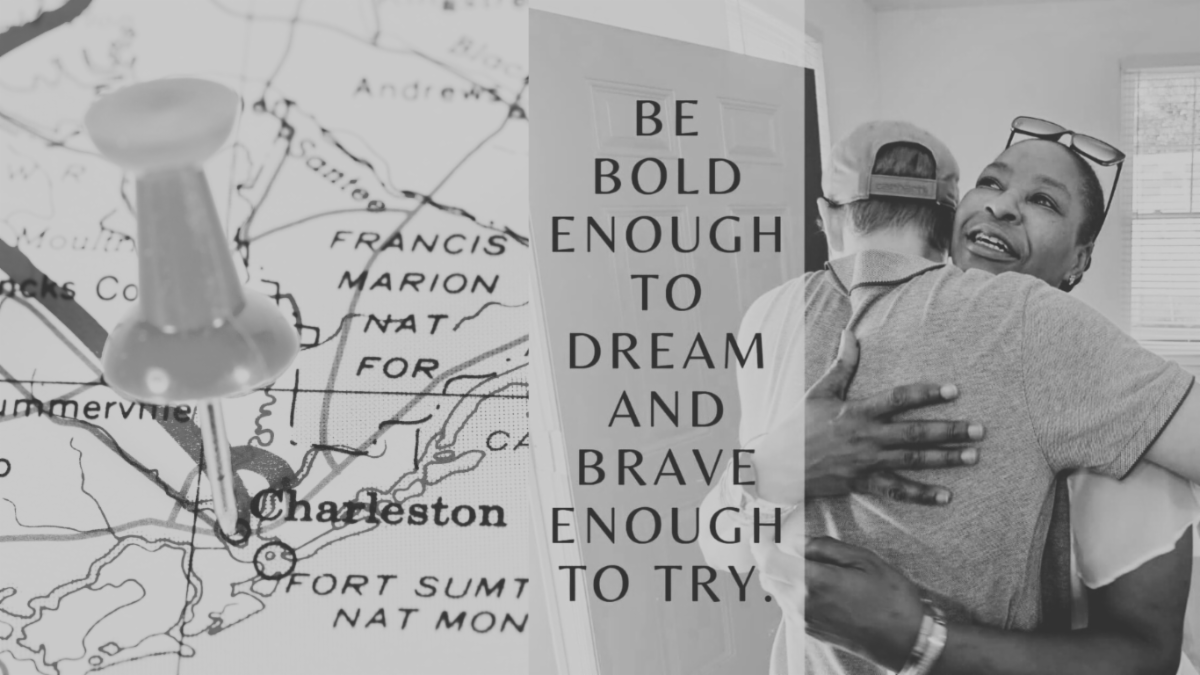
Between 2000 and 2020, 51% of Charleston’s African American population was relocated from the peninsula due to gentrification. As housing prices increased at a pace far exceeding local incomes, many longtime residents were pushed out of the neighborhoods they had called home for decades—often forced to leave behind family networks, cultural institutions, and a deep sense of belonging.
This displacement is more than a housing issue. It is a loss of community, history, and identity. The families who have been relocated are a vital part of Charleston’s story, and failing to address this reality would be a profound mistake for the future of our city.
Charleston Habitat for Humanity believes that preserving community means investing in people. It means creating pathways for families to remain rooted where they live and work, even as the city continues to grow. Affordable housing provides stability, financial security, and the opportunity for families to build generational wealth—ensuring Charleston remains a place where long-standing residents can thrive, not just survive.
That commitment has shaped a bold vision for the future.
A Commitment to 200 Families by 2030
In response to this urgent need, Charleston Habitat for Humanity is committed to ensuring 200 families are living in safe, affordable housing by the year 2030. This goal represents stability for families who have been priced out, an investment in equity, and a meaningful step toward protecting the cultural fabric that makes Charleston what it is.
Reaching this goal requires thoughtful planning and sustained investment. On average, each Habitat home costs $250,000 to build, reflecting today’s construction, land, and material costs. To achieve our 2030 vision, Charleston Habitat for Humanity must raise $4 million to fund future affordable home construction.
This investment is not just about building houses—it is about safeguarding the community, honoring Charleston’s history, and ensuring that families who have contributed so much to this city are not left behind.
Together, we can build homes that preserve culture, strengthen neighborhoods, and create a future where Charleston remains a place its people can continue to call home.
One mission. One community. ONE Charleston Habitat.
|