|
2026 LEGISLATIVE SESSION RECAP
153RD GENERAL ASSEMBLY
By Evan R. Park
The 153rd General Assembly concluded as the sun rose Wednesday morning, marking the end of the first General Assembly under Governor Matt Meyer. After what some would consider a tumultuous first year in office, Governor Meyer, for the first time, was able to develop and introduce his own Governor's Recommended Budget, outlining his legislative priorities. While much of the attention centered on education and healthcare spending, there was plenty that mattered to Delaware's business community.
The second leg of the 153rd General Assembly convened on January 13, 2026, with lawmakers prioritizing several high-impact issues, including hospital budget oversight, reforms to New Castle County's nonresidential property assessments, education funding changes aligned with the Redding Consortium's recommendations, review of the Governor’s Recommended Budget, and veto overrides of Senate Bills 63 and 75.
The Governor's Recommended Budget totaled $6.94 billion in General Fund spending. It's a fiscally cautious plan, with appropriations set at 98% of projected revenue while the state's rainy-day reserve, the Budget Stabilization Fund, stays steady at $469.3 million. Translation: this is largely a "stay the course" budget rather than a dramatic policy shift.
In total, 591 bills and resolutions were introduced during the 2026 legislative session. The State Chamber closely monitored 77 key bills, taking formal positions on 30 (15 in support and 15 in opposition), gathering member feedback, testifying at committee hearings, and proposing amendments to ensure the unified voice of Delaware's business community was heard.
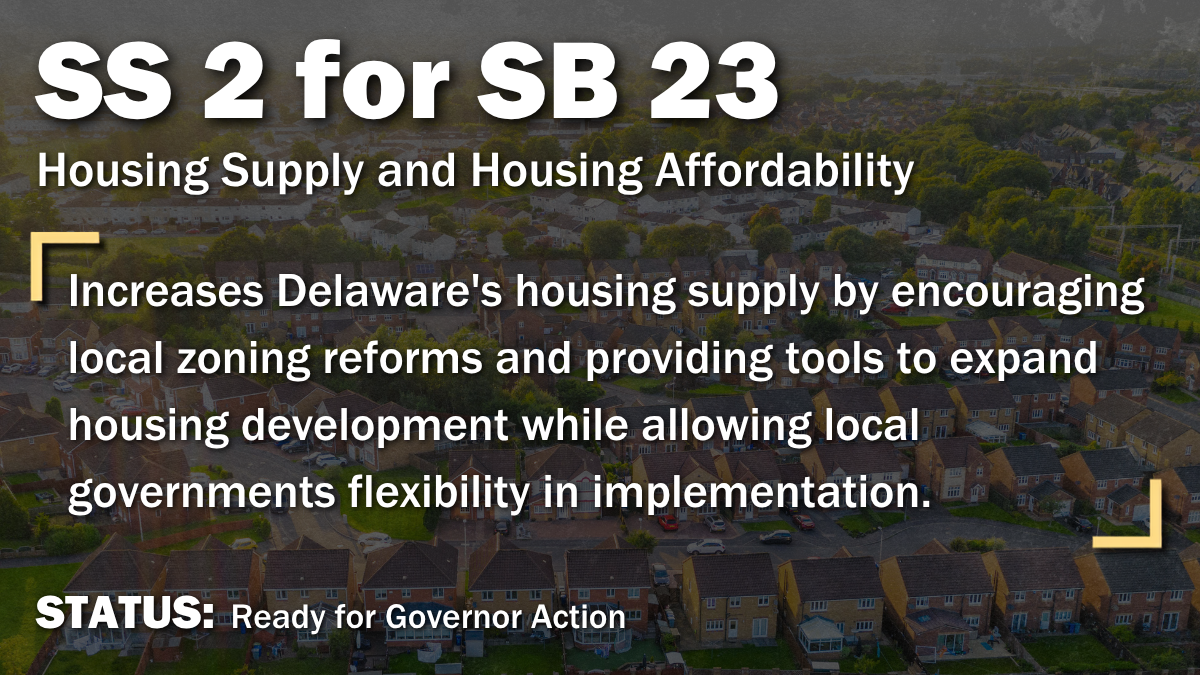
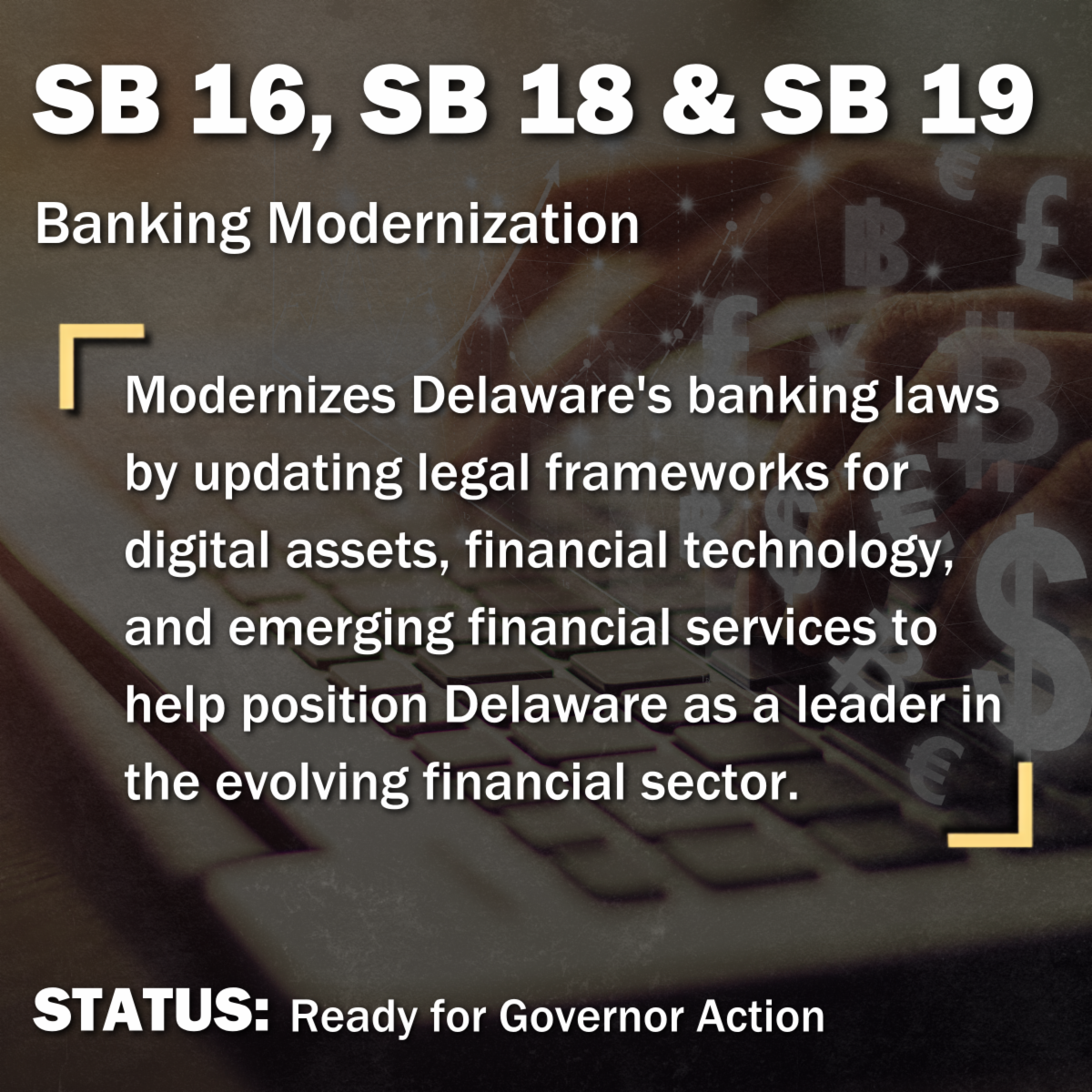
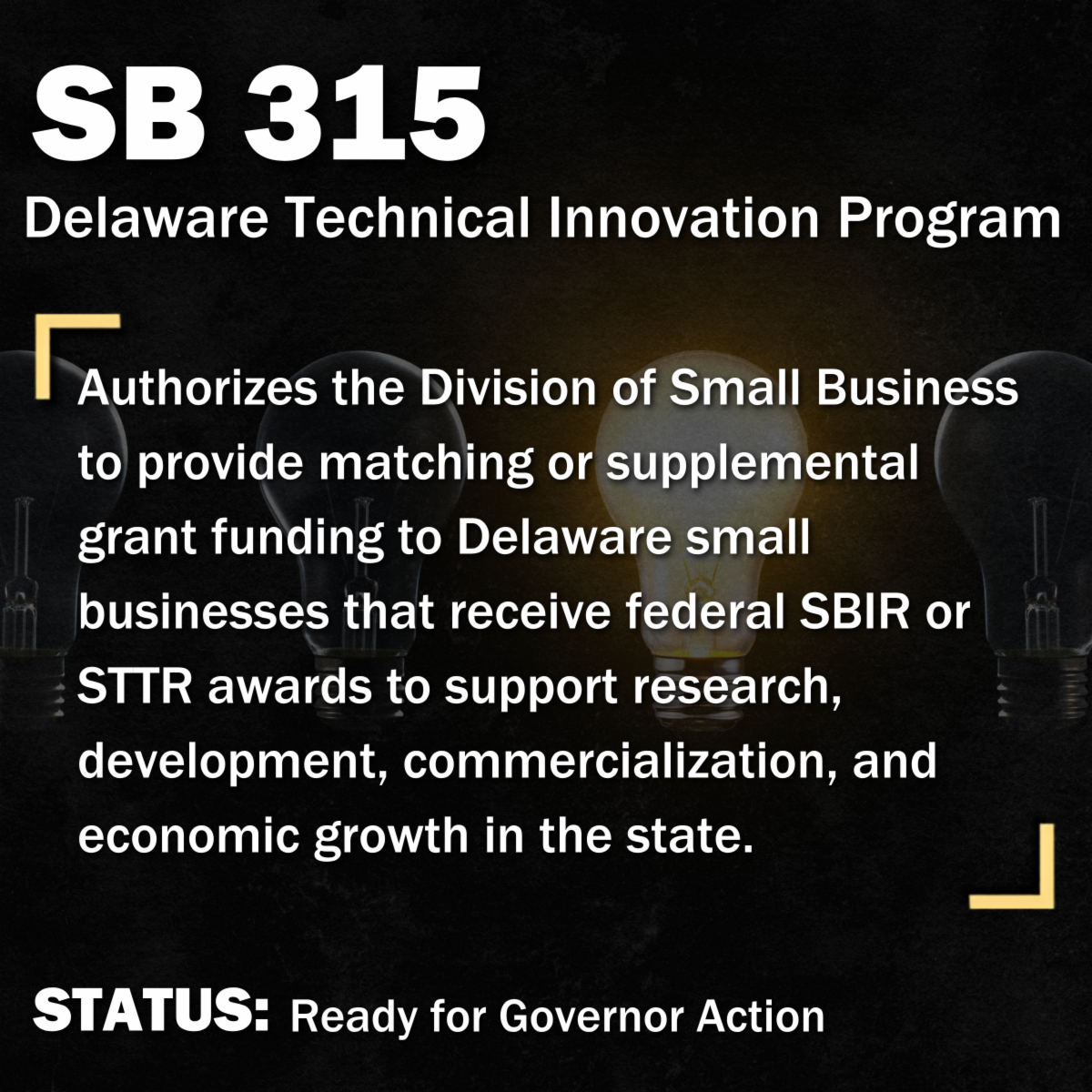
A few of the pieces of legislation the Delaware State Chamber of Commerce supported and was most actively engaged on included Sen. Spiros Mantzavinos' banking modernization package (Senate Bills 16, 18 and 19), Sen. Russ Huxtable's Senate Bill 23 to increase the supply of affordable housing, Sen. Bryan Townsend's Senate Bill 280 addressing gift card theft at retail stores, and Sen. Darius Brown's Senate Bill 315 updating the Delaware Technical Innovation Program.
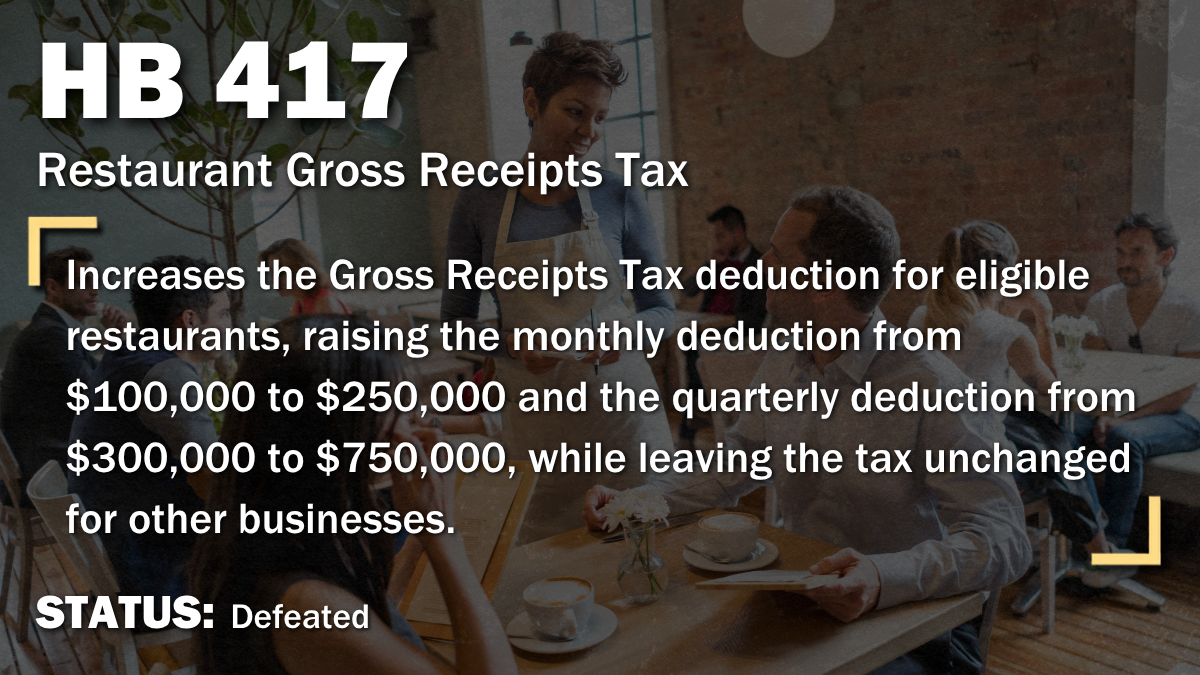
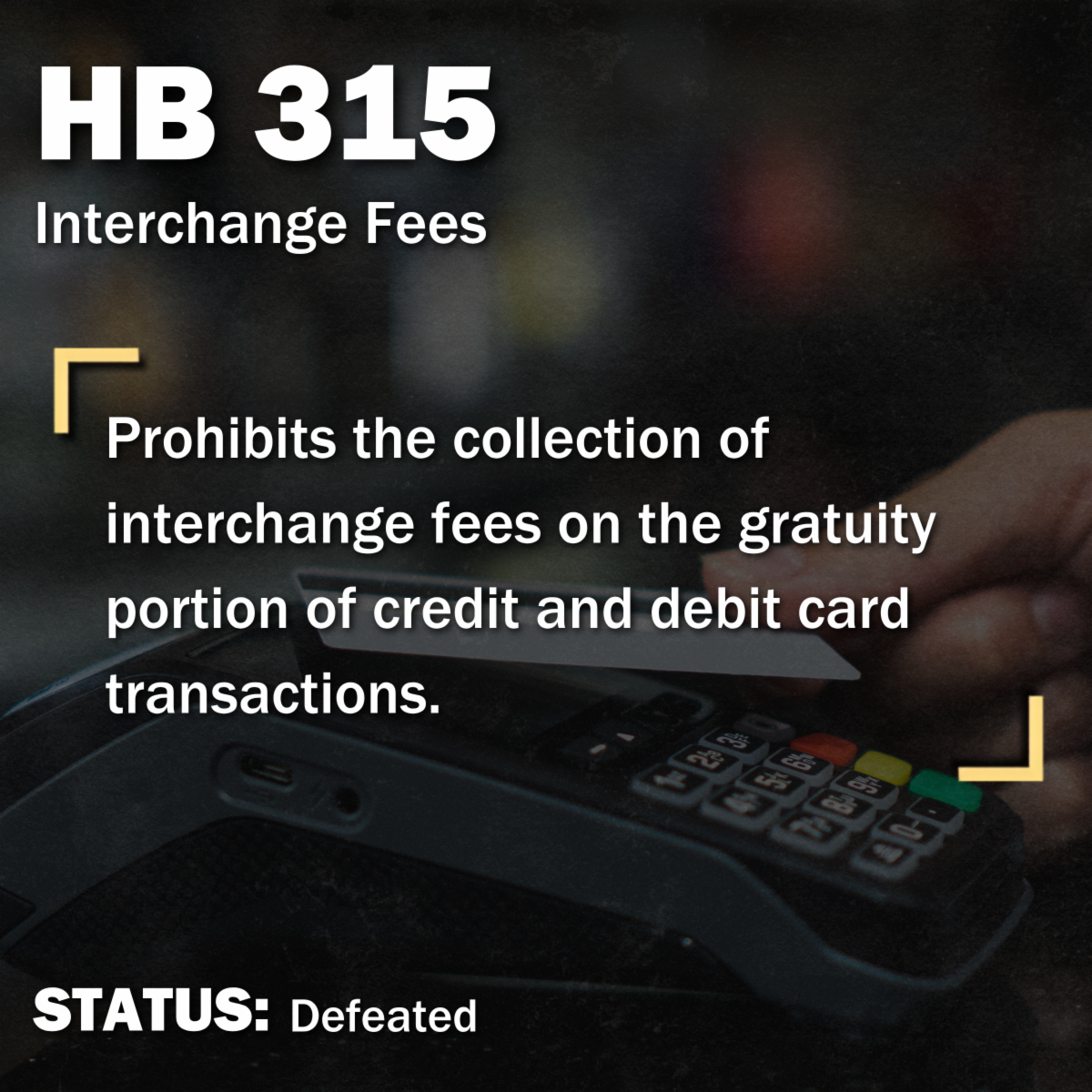
Through thoughtful collaboration with a broad range of stakeholders and policymakers, the Delaware State Chamber successfully opposed several proposals, including Sen. Dave Walsh's Senate Bill 272, which would have expanded Project Labor Agreement (PLA) requirements for school district public works contracts; Rep. Cyndie Romer's House Bill 306 related to chatbots; Rep. Kim Williams' House Bill 315 related to interchange fees; and House Bill 417, which would have provided gross receipts tax relief only to certain restaurants.
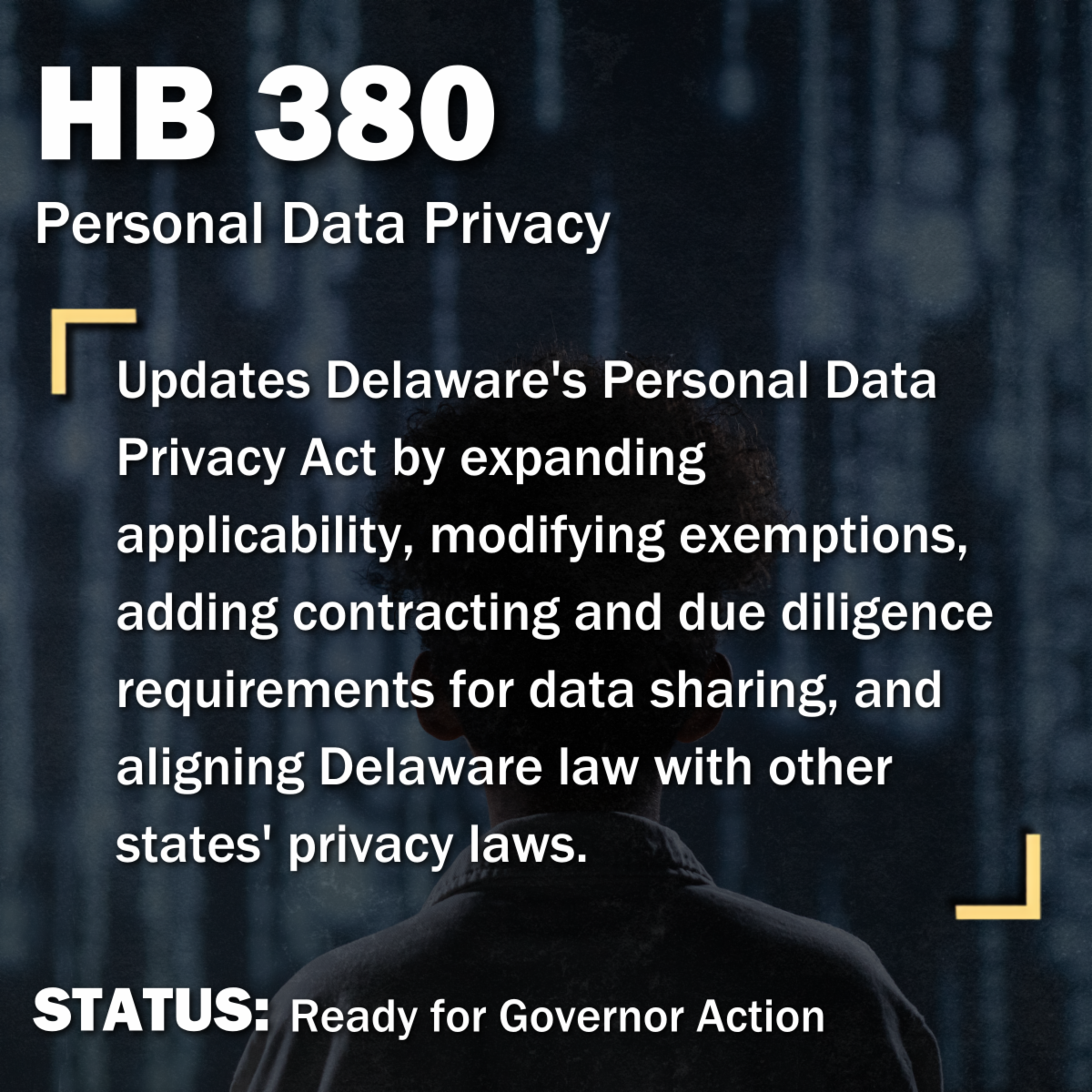
Despite our coordinated efforts, several bills the Delaware State Chamber opposed ultimately passed both chambers, most notably House Bill 380 related to data privacy, as well as several energy and environmental measures that we believe do not position Delaware as welcoming to economic development, with Senate Bill 326 serving as a prime example.
The General Assembly also passed a $6.9 billion operating budget for FY27 (Senate Bill 335), along with a $146.2 million one-time supplemental budget (Senate Bill 336), and and almost $1.3 billion Bond and Capital improvements budget (House Bill 500). This represents a 6.32% increase over the current operating budget. Governor Meyer has now since signed the budget.
AN OVERVIEW OF KEY BILLS:
|