"Blueprint to Wellness"

ESHCA Wellness Newsletter

August 2025

The shareable link (printable) for this issue:

www.eshca.org

Are Seed Oils Harmful?


Seed oils are vegetable oils extracted (processed) from seeds. Processing removes protein and fiber leaving concentrated fat (mostly omega-6 fatty acids).


While nuts and seeds are great additions to your diet (review benefits), many believe seed oils promote inflammation, the root cause of all chronic disease (heart disease, high blood pressure, diabetes, autoimmune, etc.).


  • Why? The use of seed oils in processed foods creates an unhealthy ratio of omega-6 to omega-3 fatty acids...


Omega-6 and Omega-3 Fats are "essential", however, they need to be ingested in a healthy ratio between 1:1 and 4:1...


  • Prevalence of processed foods in the Standard American Diet results in an unhealthy 17:1 ratio.


Conclusion:


1) Data shows 20% of total calories come from seed oils (SAD).

  • Take small steps to reduce processed foods...increase use of vegetables and fruits.


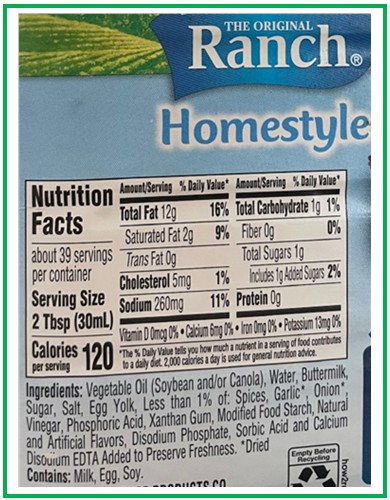
2) "Practice" reading labels on processed food items, looking for better ingredients.


3) Use the August "Take Action Challenge" to "Make a Plan" and reduce processed foods in your diet.


Seed oils make up 20% of total calories in the SAD! Used in cooking, baking, salad dressings, and processed foods (look at ingredients above), proponents have labeled them the "Hateful 8" claiming they cause harmful inflammation.


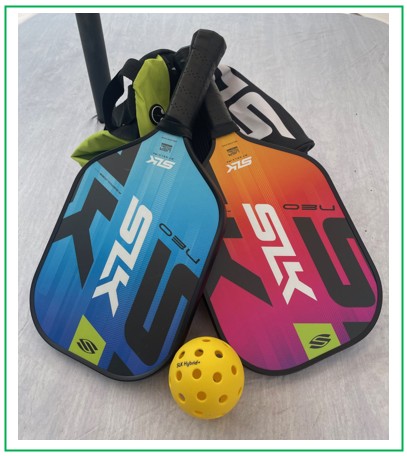
Pickle Ball: the fastest growing sport in America!


Slips, trips, and falls are a leading cause of injury. A safe environment is important, but an "athletic" body should not be overlooked. Improving agility as we age is beneficial.


Nature and Nurture...Physical peak is reached in our 30's. Strength and coordination decrease, the result of muscle loss and neurological deterioration. While changes reflect natural aging they are exacerbated by a lack of exercise (or play).


Pickel Ball (exercise and play) improves heart health, muscle and bone strength, balance and coordination (agility), and mental health.


The ability to "catch" oneself when "slipping or tripping" is key to preventing a fall. Muscles contain nerves that react to changes in tension (Golgi Tendon Receptors). When young and fit those nerves react and the body rights itself automatically. As we age, exercise (play) is helpful in maintaining nerve interventions and functional strength.


Riding a bike, running, or lifting weights build aerobic capacity and strength but do not provide the "unpredictable" stimulus to develop agility the way Pickel Ball (or other sports) does.


The social benefits of play are significant...spending time with family and friends is proven to be good for our mental health! Agility can be improved playing a variety of sports including basketball, badminton, soccer, and many more!


Avoid competition, focus on exercise! If you are pressing to make a shot or win a point you are risking injury.


Sports and work-related injuries are the result of "pushing too hard", overextending muscles and joints. The objective is to move, reacting to the ball and changing directions. Attempting to win may be hazardous to your health!


Read: 5 Benefits of Playing Pickleball (Cleveland Clinic)


Play is an effective way to build functional strength and balance. Many communities are providing public pickle ball courts. All you need are a couple of paddles and a ball ($48 on Amazon)!


August $25 Challenge: "Make a Plan"...reduce processed food!

The SAD is predominately processed foods (70% of total calories), they are low in fiber and contain more sugar, sodium, fat (poor ratio), and chemicals than the body (liver) can handle. The result is a chronic disease epidemic.


  • Helpful hint: 90% of Americans do not meet the RDA for produce. Start meal planning with the vegetable or fruit you are going to eat. This is especially effective when produce takes the place of a processed food (bread, cereal, pasta, chips, cookies, etc.)


Taking a few minutes to menu plan makes a significant difference in reducing processed foods and improving nutrition quality.


1) Review and the Food List, if necessary, the Sample Menu Plans.


2) Fill in the Menu Plan using the Food List.


  • Note: the food list is a guide and incomplete. Your food choices may not be on there. Understand, each food fits into a category as a protein, carb, or fat.


3) Email (attach a good cell phone picture), mail, or fax Patrick a copy of the completed Menu Plan and you will receive the $25 incentive.


4) This challenge ends 9/15/25.

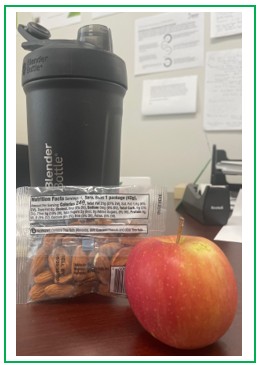
A healthy snack (or meal) of an apple, almonds, and water provides a balance of protein, carbohydrate, fat, and fiber. Use the fruit (or veggie) and nut (or other protein) of your choice.

Challenge note: All members of the household are encouraged to participate, however, only one incentive can be issued to each member-household with the exception that more than one employee-member lives in a household. Each member-household is limited to 6 incentives per year, if you participate in more than 6 newsletter challenges your company will be given additional participation points toward the "Golden Boot" award, recognizing the ESHCA Wellness Company of the Year!


Incentive Platform 2025


Are you collecting your Wellness Incentives?


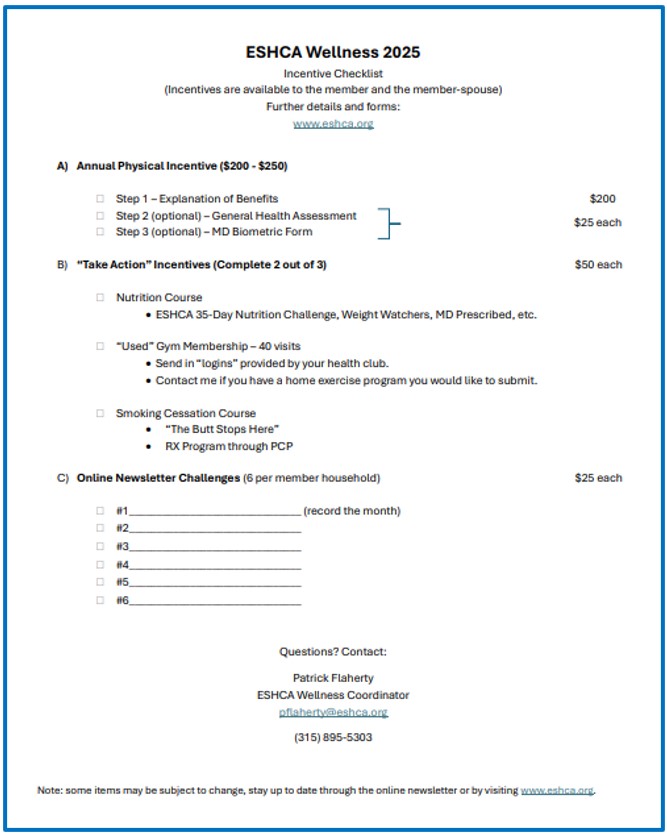
Download the Wellness Incentive Checklist for 2025. Post it on your refrigerator and check off items as you complete them!


  • Get your Annual Physical
  • "Take Action" Lifestyle incentives
  • Newsletter Challenges - complete 6/year


Questions: contact Patrick

Get your crew (or office) involved!!!

Take the lead, be a "Wellness Champion". Encourage the members of your crew to participate in newsletter challenges, have a group discussion and complete the challenge as a team. Fill in one log for the group (put all names on the log) verifying you reviewed the "Make a Plan" Challenge!!!