|
BCHA Takes Decisive Action in Defense of 2005 US Forest Service Travel Management Rule
Trails Important to BCHA Members Could be at Risk
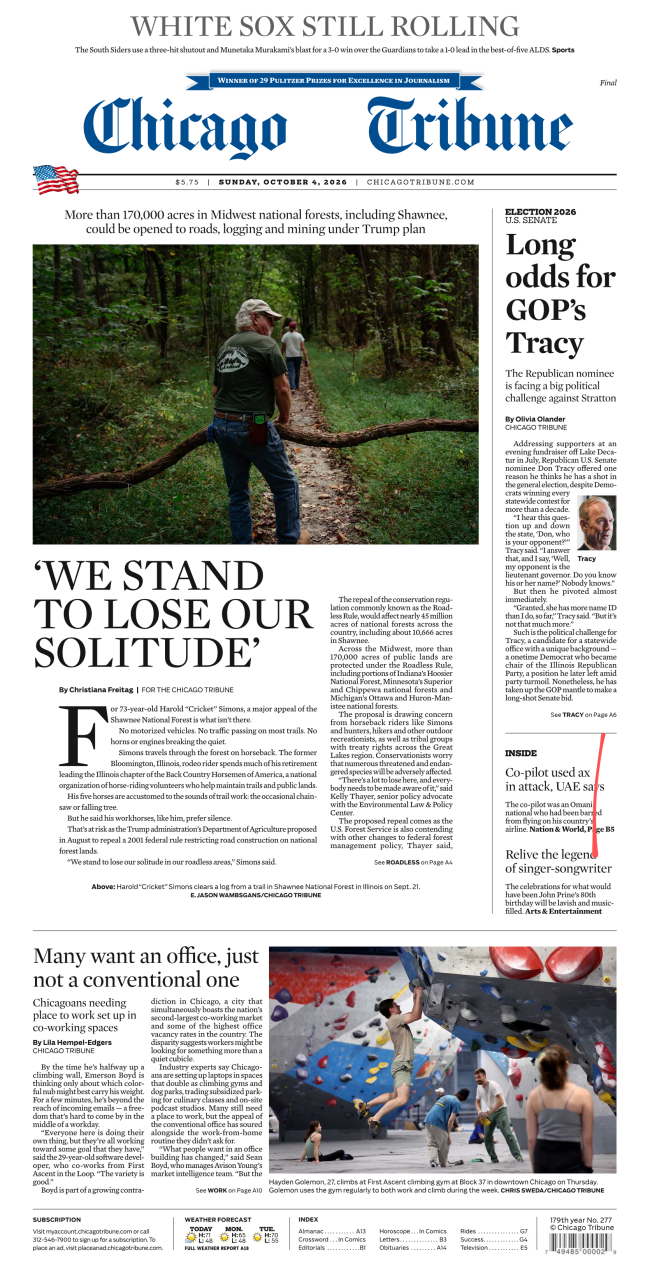
Last month, BCHA played a leading role in developing and submitting public comments to defend the need to retain critical safeguards contained with the US Forest Service’s 2005 Travel Management Rule (TMR). In order to create more opportunities for motorized access throughout our national forests, the US Department of Agriculture has proposed a number of proposals that would eliminate many of the TMR’s safeguards that, collectively, have worked for over 20-years to minimize trail conflicts by separating motorized and non-motorized uses while protecting natural quiet, wildlife, watersheds and archaeological resources.
Click here read more about BCHA’s response, our national coalition, and the 90 other organizations that signed on in support of our position. Critical to this effort was our partnership with American Trails and American Hiking Society. Our 13-page policy letter, submitted to the agency in late September, can be found here.
Our objective in developing the letter was to set a high bar regarding what issues must be examined in detail via the agency’s forthcoming Environmental Impact Statement (expected Spring 2027).
Importantly, the motor vehicle designation status of National Forest System trails important to you will remain in effect until the Department completes the process of amending the TMR regulations. The projected completion date is expected in late 2027.
Public Overwhelmingly Opposes Watering Down the TMR
The Center for Western Priorities conducted an assessment of public comments and found that the public overwhelmingly opposes the Department of Agriculture tinkering in any way whatsoever with the TMR. It found that 99.0 percent of the 134,312 comments posted to regulations.gov oppose the proposal.
Only 0.4 percent of public comments supported the proposal. With so much public support behind the tried-and-tested TMR, you have to wonder why in the world is the Department of Agriculture proposing this radical rewrite in the first place. BCHA plans to emphasize, again and again, during the public review period for the proposed rule and Draft EIS that removing barriers to access by ORVs to our national forests carries with it many unintended consequences that threaten the safety and recreational experience currently enjoyed by users of pack and saddle stock.
|