|
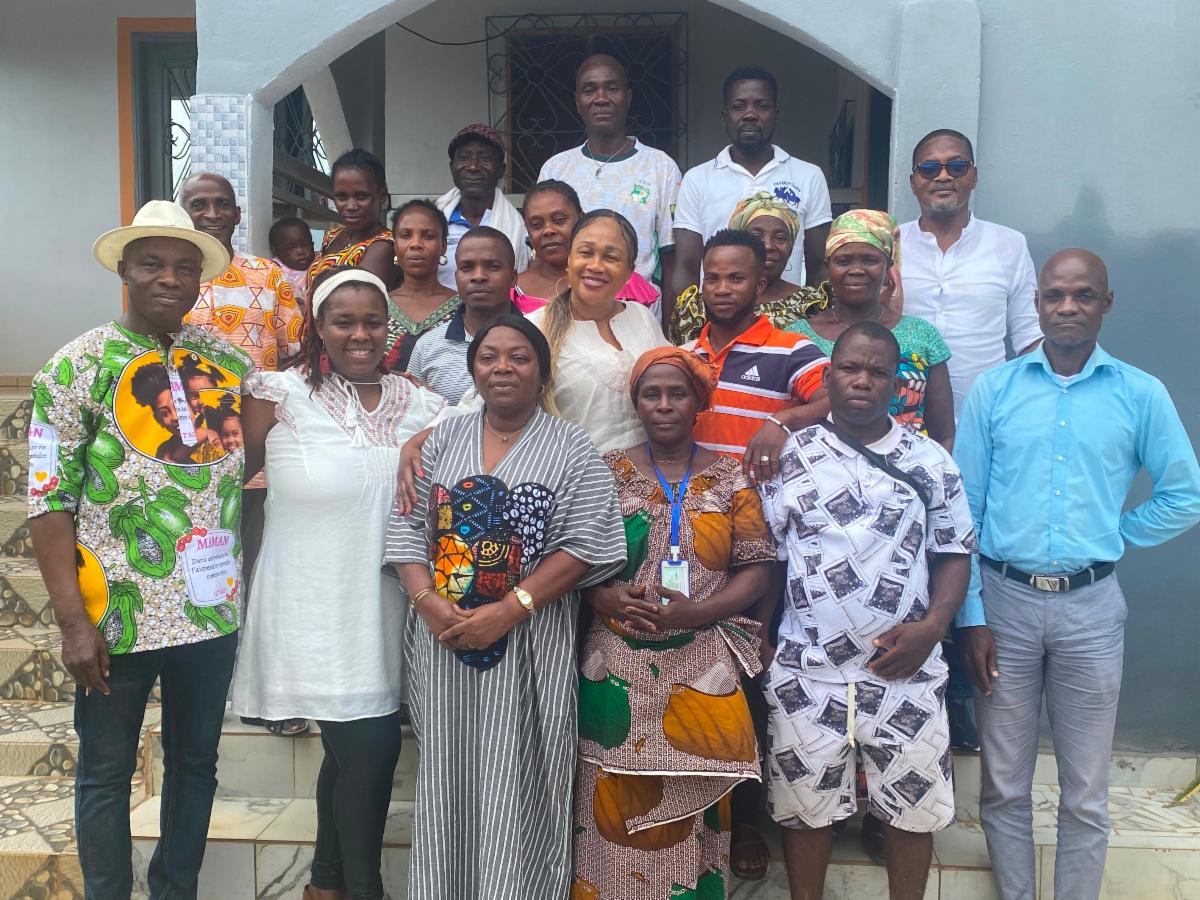
In early June, I returned to Côte d’Ivoire and spent a week in my hometown of Tabou. The last time I had visited was at age 15, before moving to the United States. I still remembered the beautiful beaches, hills overlooking the ocean, waterfalls, coconut trees, and the peaceful feeling of home. This time, I returned not only as a daughter of the community, but also as President of the Ivorian Chamber of Commerce of Georgia, with a new perspective.
During my stay, I visited family, met with local leaders, and participated in community gatherings. One event that particularly touched me was a meeting involving several villages working to secure land for a future attiéké processing project and a fish farming initiative. To me, this project represents more than a factory—it represents stable income, opportunities for women, and the creation of community-based support systems.
Traveling through the region reminded me of Tabou’s tremendous assets: beautiful beaches, fertile land, agriculture, and a rich culture. Yet challenges remain. Roads to Tabou and surrounding villages still need improvement, and access to some communities remains difficult. I also observed the need for stronger construction standards, better planning, and more technical skills.
Despite these challenges, I left encouraged. The newly elected Mayor and Member of Parliament have been recognized by many residents for the work already underway and their commitment to improving Tabou and neighboring villages.
Tabou does not lack potential—it lacks visibility, structure, and strong partnerships. The San Pedro region offers opportunities in agriculture, agro-processing, tourism, education, fishing, and local product transformation. National investment and tourism agencies, as well as U.S. trade resources, highlight these same sectors as promising areas for growth.
For Tabou, the opportunity lies not only in what already exists—cocoa, rubber, oil palm, cassava, fishing, and beautiful beaches—but also in what can be built around them. Agro-processing, vocational training, tourism, construction quality, and women-led economic initiatives are among the areas with the greatest potential.
|