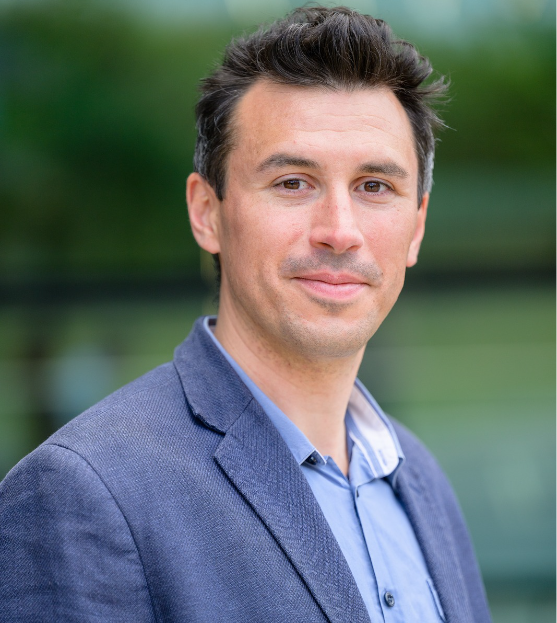
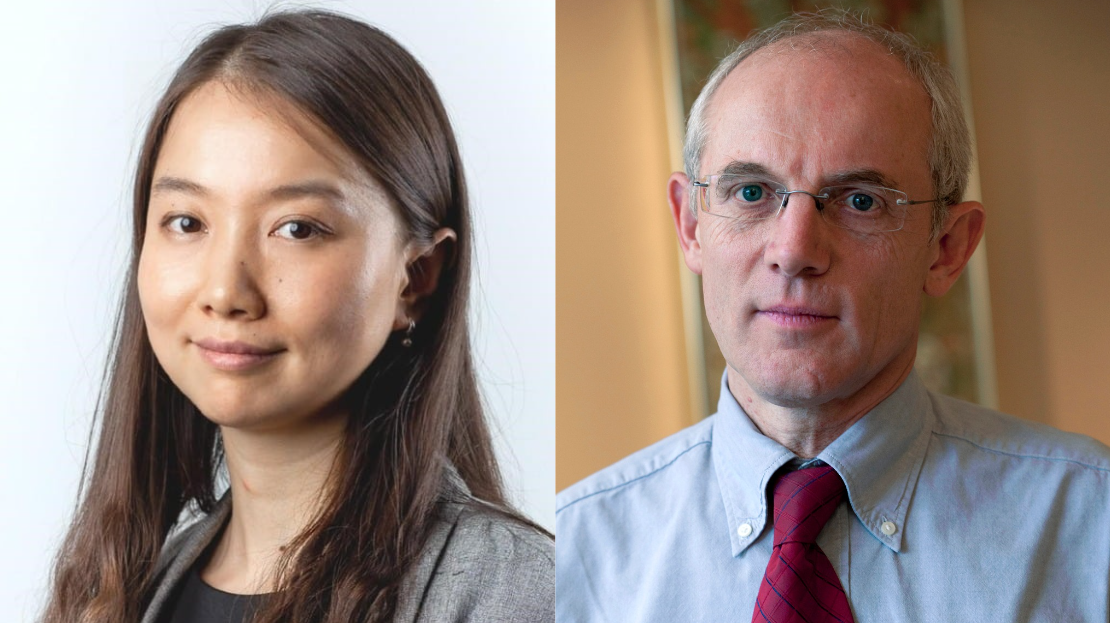
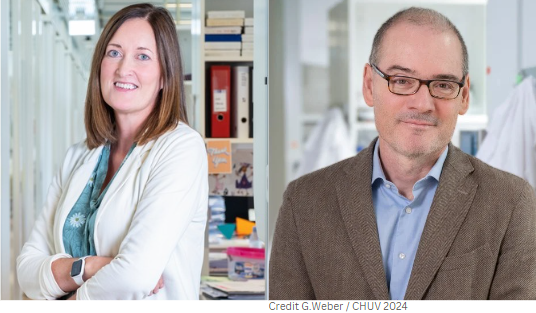
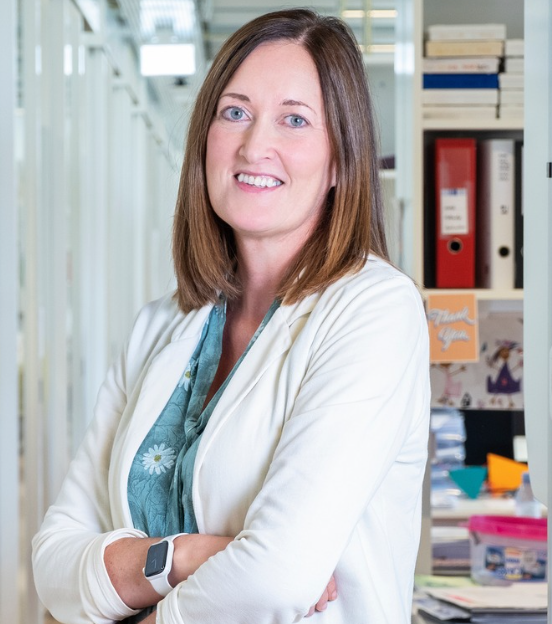
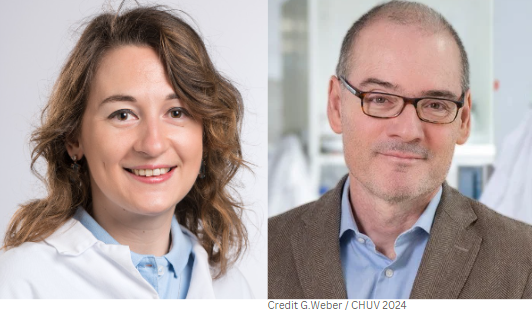
Correction: Alexandre Harari was omitted from the Ludwig Lausanne study in Immunity. We apologize for this error. | |
-
A team led by Ludwig Lausanne's Johanna Chiffelle, David Barras, Denarda Dangaj Laniti, Alexandre Harari and Director George Coukos reports in Immunity the correlates of efficacy for adoptive cell therapy using tumor infiltrating lymphocytes (TIL-ACT).
-
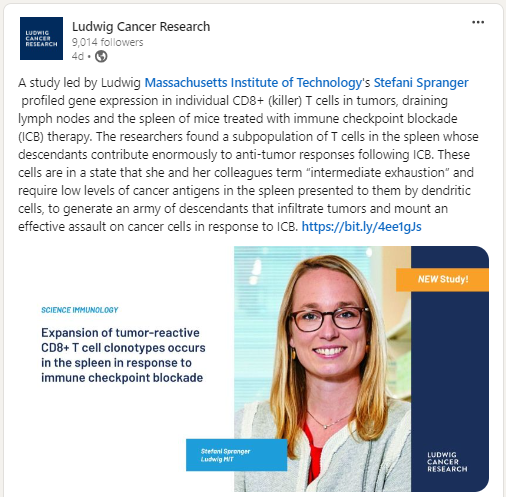
A study led by Ludwig MIT's Stefani Spranger identifies in Science Immunology a subpopulation of T cells in the spleen whose descendants contribute enormously to anti-tumor responses following immune checkpoint blockade therapy.
-
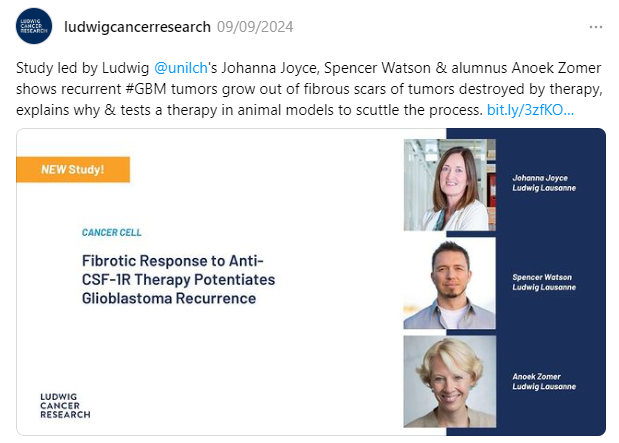
Study led by Ludwig Lausanne’s Johanna Joyce, Spencer Watson and alumnus Anoek Zomer reports in Cancer Cell that recurrent glioblastoma tumors grow out of the fibrous scars of malignant predecessors destroyed by interventions such as radiotherapy, surgery and anti-CSF-1R immunotherapy.
| |
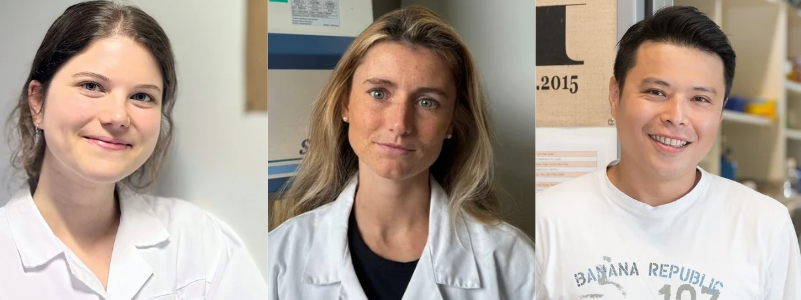
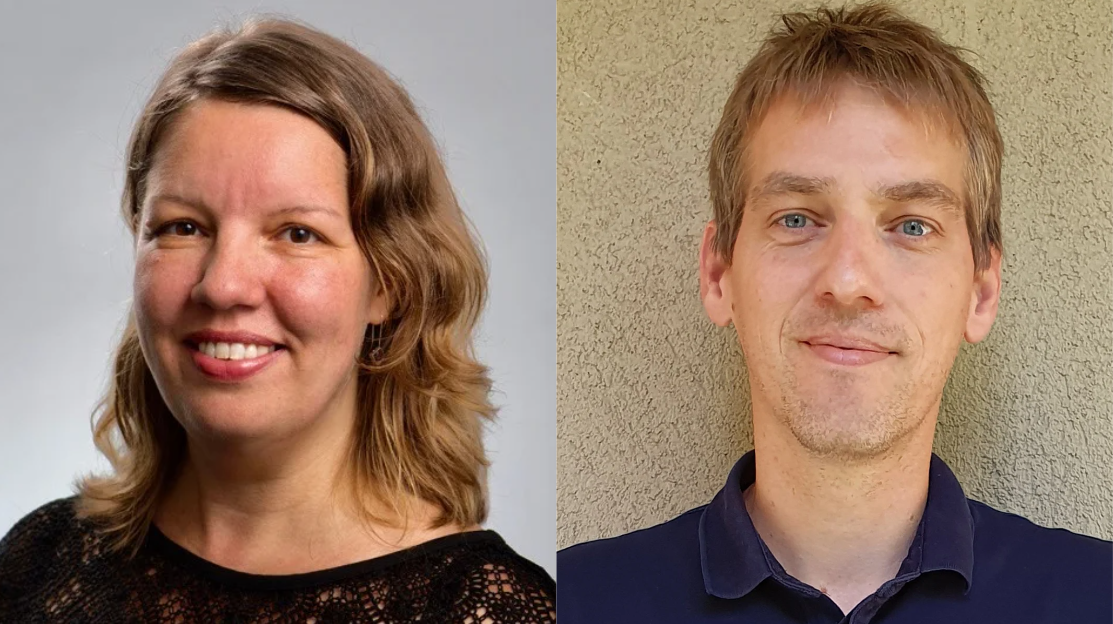 |  | Researchers led by Ludwig Lausanne's Melita Irving and postdoc Romain Vuillefroy de Silly report here the many ways in which the acidity of the tumor microenvironment compromises the function of cytotoxic (CD8+) T cells that are essential to the immune clearance of tumors. They show that acidity impairs T cell responsiveness to the immune factor interleukin-2 (IL2), which is important for their proliferation, and reduces their secretion of other cytokines upon re-activation. Acidity also weakens the ability of CD8+ T cells whose receptors recognize cancer antigens relatively weakly to destroy their target cells. Exploring the underlying mechanisms, the researchers detail how signaling through mTORC1—a key regulator of protein synthesis—is diminished in T cells in acidic conditions. In addition, they find that acidity depresses levels of c-Myc, a master regulator of cellular metabolism that is critical to both the functional activation and IL2-mediated proliferation of T cells. The findings underscore the potential benefits of normalizing pH in tumors in conjunction with immunotherapeutic interventions to improve patient responses.
| |
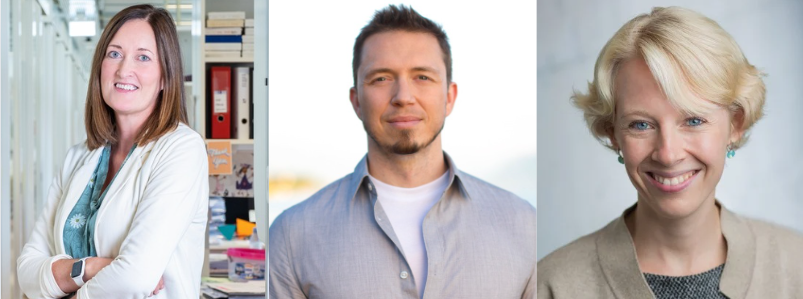
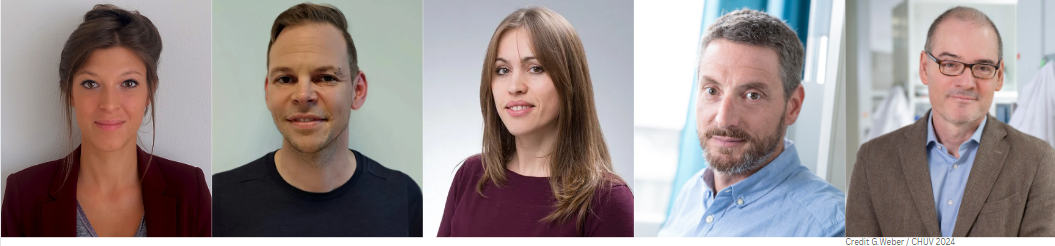 | | A team led by Ludwig Lausanne's Johanna Chiffelle, David Barras, Denarda Dangaj Laniti, Alexandre Harari and Director George Coukos describes here the correlates of efficacy for adoptive cell therapy using tumor infiltrating lymphocytes (TIL-ACT), in which T cells taken from a patient's tumors are grown in culture and reinfused for cancer therapy. Analyzing subpopulations of TILs—or clonotypes—isolated from 13 melanoma patients who received TIL-ACT in a clinical trial, they detail the origins, specificity, molecular characteristics and dynamics of T cells used for the therapy. They show that patients who benefit from the therapy have tumors rich in cancer cell-targeting TILs that preferentially infiltrate tumors following ACT. These TILs are also epigenetically reprogrammed and reinvigorated when expanded in culture. Nonresponding patients have tumors devoid of tumor-reactive TILs, and their T cells are found in circulating blood following therapy. The findings should help physicians better select patients for TIL-ACT therapy and guide the design of better therapies of this kind.
| |
|
A study led by Ludwig MIT's Stefani Spranger profiled gene expression in individual CD8+ (or killer) T cells in tumors, draining lymph nodes and the spleen of mice treated with immune checkpoint blockade (ICB) therapy. The researchers found a subpopulation of T cells in the spleen whose descendants contribute enormously to anti-tumor responses following ICB. These cells are in a state that she and her colleagues term “intermediate exhaustion” and specifically require for activation only low levels of cancer antigens in the spleen, which are presented to them by dendritic cells, to generate an army of descendants that infiltrate tumors and mount an effective assault on cancer cells in response to ICB. Notably, high levels of systemic antigen conversely push their descendents into a terminally exhausted state in which they fail to target tumors.
| |
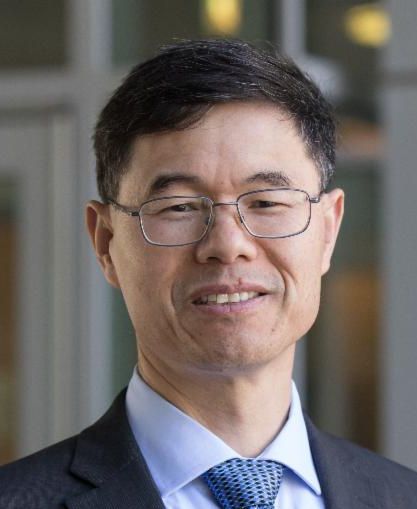 | | The efficacy of radiotherapy (RT) is limited by the inefficient absorption of X-rays and generation of reactive oxygen species that kill cancer cells. Its immuno-stimulatory effects are, additionally, attenuated by the activation of immunosuppressive factors in the tumor microenvironment (TME). Researchers led by Ludwig Chicago's Wenbin Lin report here the design of nanoparticles targeted to mitochondria that are loaded with digitonin, which binds cholesterol and permeabilizes cell membranes. The nanoscale metal-organic framework (nMOF) designed by Lin and colleagues overcomes these limitations and elicits strong antitumor effects upon low-dose irradiation. It also releases digitonin in acidic TMEs to trigger disulfidptosis—a type of programmed cell death—of cancer cells and, additionally, sensitizes them to RT-radiodynamic therapy. The released digitonin also enhances immune responses: it simultaneously downregulates multiple immune checkpoints in cancer cells (PD-L1 and CD47) and T cells (TIM3 and 2B4) through cholesterol depletion. Low-dose radiotherapy in combination with the nMOFs inhibits tumor growth in mouse models of colon and breast cancer.
| |
|
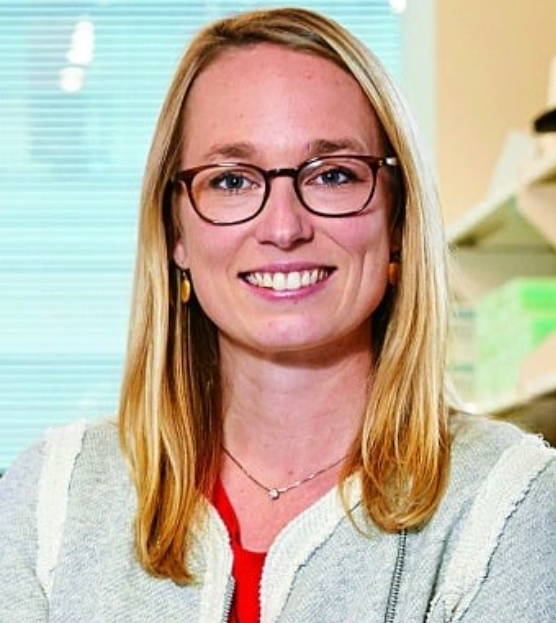
This study, led by Ludwig Lausanne’s Johanna Joyce, Spencer Watson and alumnus Anoek Zomer and featured on the cover of Cancer Cell, reports that recurrent glioblastoma multiforme (GBM) tumors grow out of the fibrous scars of malignant predecessors destroyed by interventions such as radiotherapy, surgery and anti-CSF-1R immunotherapy. The study details how fibrotic scars create a protective niche that shields residual glioma cells from immunosurveillance and pushes them into a dormant state in which they're largely resistant to therapy. It also identifies factors and cells that mediate fibrotic scarring, identifies drug targets to inhibit the process and demonstrates that combining drugs that inhibit scar formation with anti-CSF-1R immunotherapy extends survival in mouse models of GBM.
Additional coverage: Ludwig Cancer Research
| |
|
The mucus barrier of the gastrointestinal tract isn't merely a physical obstacle to intruding pathogens—it also actively resists threatening infections. Researchers led by Ludwig Oxford's Francesco Boccellato used mucusoid models of the stomach's epithelial lining to explore these additional defenses. They report here that inflammation triggers epithelial cells to secrete antimicrobial agents such as lactotransferrin, lipocalin2, complement component 3, and CXCL9 into the mucus. These agents can partially eliminate Helicobacter pylori, a bacterium associated with stomach cancer. The response is triggered by TNFα, IL1β and IFNγ, and the expression of these pro-inflammatory immune factors is higher in patients with chronic gastritis caused by H. pylori. The researchers also find that H. pylori infection appears to reduce expression of the antimicrobial genes.
| |
|
This study, led by Ludwig Institute's Jingjing Zhu and Benoit Van den Eynde, shows activated tumor-targeting T cells used for adoptive cell therapy (ACT) are far more effective in mice if genes encoding PHD2 and PHD3, enzymes that help degrade a cellular sensor of hypoxia known as HIF-1α are selectively deleted. This stabilizes HIF-1α signaling and boosts glycolysis, a metabolic process for harvesting energy from sugar that is critical to the proliferation and effector function of T cells. When used for ACT, T cells lacking PHD2/3 had enhanced tumor-targeting activity and induced potent therapeutic responses against several mouse models of cancer, including tumor types typically resistant to immunotherapy.
| |
|
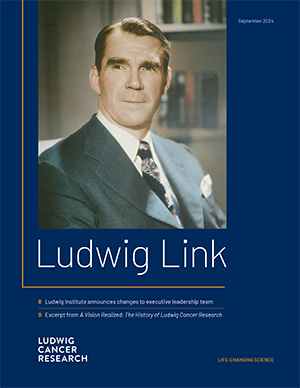
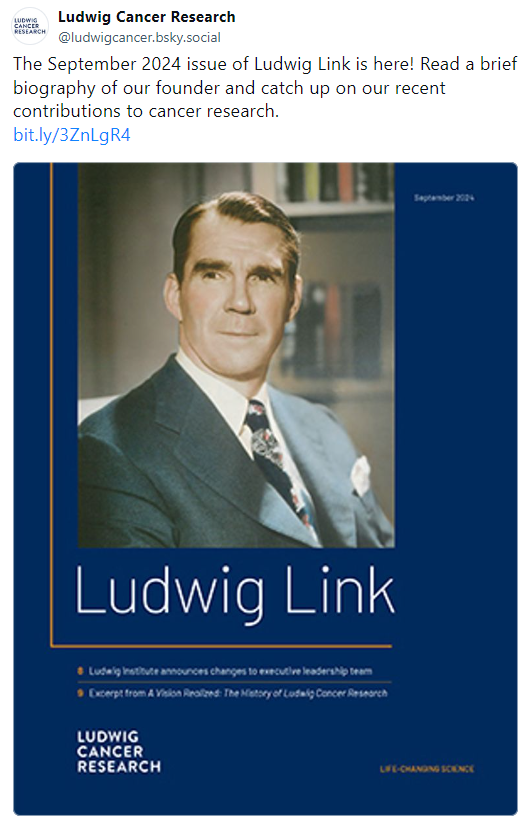
The Ludwig Institute is so special that its founders gave it not just one, but two birthdays. This means the Ludwig Institute as we know it today turns 50 this year. (You might recall, through the haze of the pandemic years, that we celebrated our first 50th anniversary through 2021.) This explains both the cover of this Ludwig Link and the brief biography of Ludwig we’re running in lieu of our usual Q&A. Those more interested in the here and now, meanwhile, will find plenty to entertain them in our research news section. We also share news of awards and honors received by Ludwig researchers and tidings of big changes at the helm of the Ludwig Institute. Happy reading!
| |
|
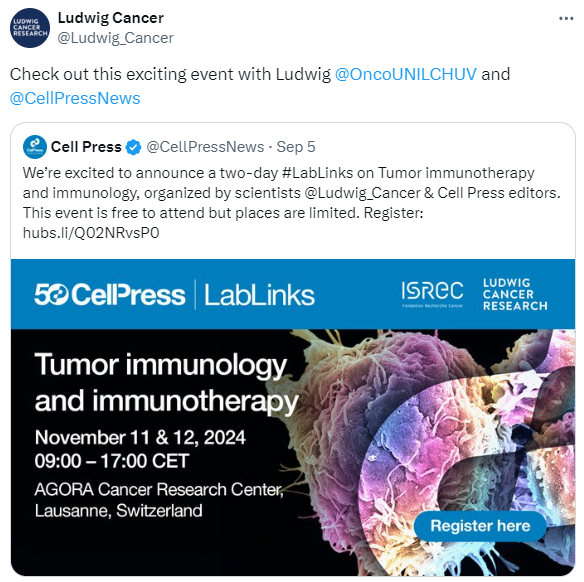
Ludwig Lausanne's Johanna Joyce and Director George Coukos are among the organizers of this two-day Lab Links event, organized in partnership with Cell Press, on immunotherapy and tumor immunology. The seminar, scheduled for November 11th and 12th, aims to bring together scientists from multiple disciplines—basic cancer biologists, immunologists, engineers, and clinical oncologists—to spark innovation in tackling the toughest challenges of the field. Several Ludwig Lausanne researchers will be speaking and trainees at all levels are invited to present their work at poster sessions. The event is free, but will probably fill up fast. So apply soon! To learn more and register, click here.
| |
|
Nature Immunology — September 9, 2024
| |
|
This News & Views article by Ludwig Lausanne's Karina L. Hajdu, Lorène Rousseau and Ping-Chih Ho discusses a pair of papers in Nature Immunology that independently report table salt could well be a useful asset to cancer immunotherapy. One open access study shows that NaCl enhances the metabolic fitness and cancer-cell killing function of cytotoxic T cells in the tumor microenvironment; the other reports that salt supplementation during T cell culture for adoptive cell therapy enhanced tumor regressions in a humanized mouse model of cancer, and a high salt diet inhibited tumor growth in the animals by enhancing the effector function of T cells and inhibiting their terminal differentiation.
| |
|
As part of their 50th anniversary celebration, "Cell Press is honored to spotlight 50 notable scientists who inspire us," and Ludwig Lausanne's Johanna Joyce is one of them: she has been named one of Cell's 50 Most Inspiring Scientists. Read this brief profile and extended interview with Joyce, covering her thoughts about her field and its future, the challenges she has faced in her career, what inspires her as a scientist and her advice to students pondering a career in science today.
| |
|
Nature Reviews Clinical Oncology — September 4, 2024
| |
|
Not all patients respond equally well to immunotherapy. This review led by Ludwig Lausanne's Eleonora Ghisoni and Director George Coukos discusses the findings of trials testing immune checkpoint inhibitors in patients. The researchers suggest ovarian tumors might be classified based on the traits of their resident CD8+ T cells and discuss findings from preclinical studies that could inform how distinct immunophenotypes might be treated with combination immunotherapies. They argue that an accurate immunophenotypic classification of the tumor microenvironment integrated with genetic data will enable the design of tailored therapeutic approaches and improve patient recruitment for clinical trials. They also propose a roadmap incorporating tissue-based profiling to guide future trials.
| |
ICYMI: In case you missed it... | |
In its annual report, AACR highlights the most recent developments in the world of cancer research. The publication covers everything from cancer prevention, to top of the line targeted drugs and immunotherapies to the very human face of cancer in its "Survivor Stories" section. Check out the full report for wide-ranging information about where cancer research stands today and where it is heading in the near future. | |
|
Get involved
Events, careers and collaboration opportunities
| |
|
MD-PhD position in oncology
The Petrova Lab at the University of Lausanne is seeking applications for an MD-PhD position to investigate the mechanisms behind heterogeneous chemotherapy responses colorectal cancer.
Assistant, Associate or Full Professor
Princeton University seeks applications for an assistant, associate or full professor to contribute to a major new initiative at the interface between cancer, immunity, and metabolism (Ludwig Princeton Branch). We welcome applications from candidates using biological, chemical, physical, engineering and/or computational approaches to tackle questions at this interface.
Postdoctoral Research Associate - AI/Machine Learning for Mass Spectrometry
The Skinnider Lab at Princeton University aims to recruit between 1 to 2 postdoctoral or more senior research positions to work on projects related to machine-learning for mass spectrometry-based metabolomics data.
| |
Do you know of any news, studies or events that would be relevant to the Ludwig community? Please contact us! | |
Ludwig Cancer Research | www.ludwigcancerresearch.org | |
Please note these clips are not intended to be a comprehensive overview of the news, but a compilation of Ludwig coverage, as well as topics and issues considered to be most relevant to our scientific community. Any views or opinions presented in the news clips are solely those of the cited news sources. When available, a link to the original study is provided. *Asterisk indicates a subscription or login may be required.
| | | | |