“Find the Good” and Bring Some Peace: On Writing Obituaries


I recently wrote an obituary, which is both the most challenging and meaningful kind of writing I do. The sense of responsibility I feel to honor the deceased person and to offer comfort to the bereaved is immense. After gathering notes from family members, I typically work with one point-person to share drafts, and they gather feedback for me to use in revisions. With a first draft, I always say, “Nothing I’ve written here is set in stone. You tell me what feels right, and what you’d like to change or add.”


For various reasons, sometimes people choose to include only limited information in obituaries that end up reading more like death notices. Those aren’t the kinds of pieces people ask me to help them write. Instead, I specialize in longer obituaries that read more like biographies in miniature. At 1,000 to 2,000 words, each one is utterly unique to reflect the life it honors and the relationships that helped define it.


There are, however, some sentences or turns of phrase I’ve developed that have appeared in several obituaries I’ve written. Most are alternatives to common obituary language that may cause inadvertent distress or sadness on the part of the bereaved. For example, I coined the phrase, “Held in the hearts (or love and care) of all who knew her, [Name] died on...” to use instead of “[Name] died, surrounded by his family/children/loved ones.” I suggest the alternative phrasing of being “held” because there are countless reasons people may be unable to be present at a loved one’s death. In such cases, saying someone “died, surrounded by...” could make the bereaved who were absent feel like they failed somehow, adding a sharp edge to their grief.


When I suggested this phrase to one woman whose father died when she had stepped away from his hospice bed for a much-needed break, she felt great relief. “I was holding him in my heart,” she said. Through tears, she then had a beautiful revelation that brought her great comfort: “He was holding me in his heart, too. Maybe he waited to die until I stepped away as his way of protecting me one last time.”


Another common phrase I’ve helped people revise is “died after a battle with cancer (or some other disease).” While some people embrace those words as reflective of their experiences or those of their loved ones, others feel uncomfortable with it. “She didn’t lose a battle. Her death wasn’t a failure!” is one sentiment I’ve heard. In such cases I’ve suggested instead, “She lived every part of her life with courage, including her two years living with cancer.” In another instance, a widow told me of her husband, “He was such a peaceful man. He never used the word ‘battle.’ He said he had ‘a journey with cancer.’” And so, that’s what his obituary said, too.


No matter what, sensitivity around relationships and personal details is key. “Find the good,” says obituary writer Heather Lende of her approach. To that excellent advice, I’d add, “and bring some peace,” as a guiding principle of my own goals in helping people honor and grieve their loved ones with carefully chosen, authentic, inclusive words.


Megan St. Marie

President 

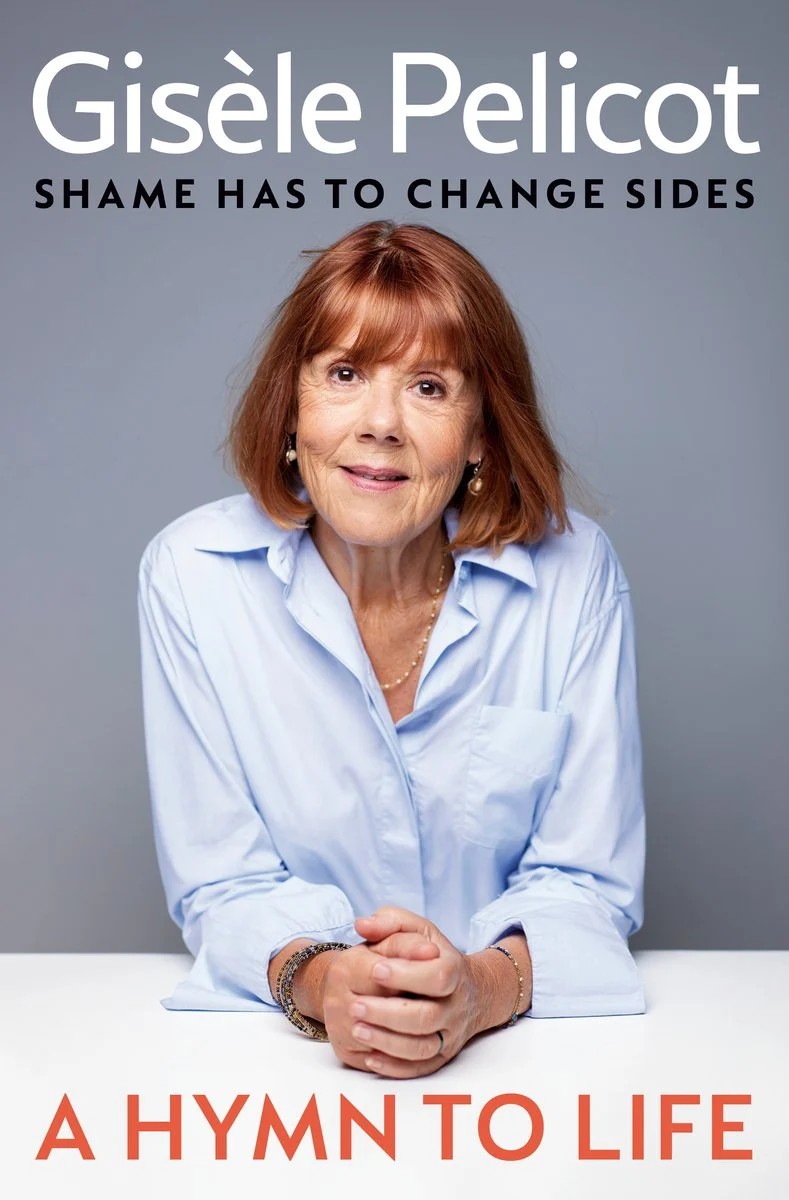
Recommended Memoir Reading: A Hymn to Life
by Gisèle Pelicot 

By Megan St. Marie

Even before coming to Modern Memoirs in 2019, I was an avid memoir reader. As Women’s History Month comes to a close, I am moved to recommend one of the most powerful memoirs I’ve ever encountered, A Hymn to Life: Shame Has to Change Sides, by Gisèle Pelicot. When I was traveling in France in 2024, I first heard of her heroic decision to waive her right to anonymity during a horrific sexual assault trial. From the publisher’s description:


“In 2024, Gisèle Pelicot waived her right to anonymity in her legal fight against her ex-husband and the fifty men accused of sexually assaulting her, a courageous decision that inspired millions of people around the world. Only four years prior, Gisèle had made the shattering discovery that her partner, Dominique Pelicot, had been secretly drugging and raping her, and inviting strangers to also abuse her in their home for nearly a decade. ‘Shame must change sides,’ Gisèle bravely declared at the opening of the trial in Avignon, France, and the dictum soon became an international rallying cry to radically transform public sentiment and legislation surrounding cases of sexual violence.”


I listened to the English-language audiobook version of Gisèle Pelicot’s book, translated by Natasha Lehrer and Ruth Diver, and read by Emma Thompson. Her courage created historic change in the French legal system and beyond. This is a memoir, and a reading, that will stay with me for years to come.

A Featured Blog Post from Our Staff

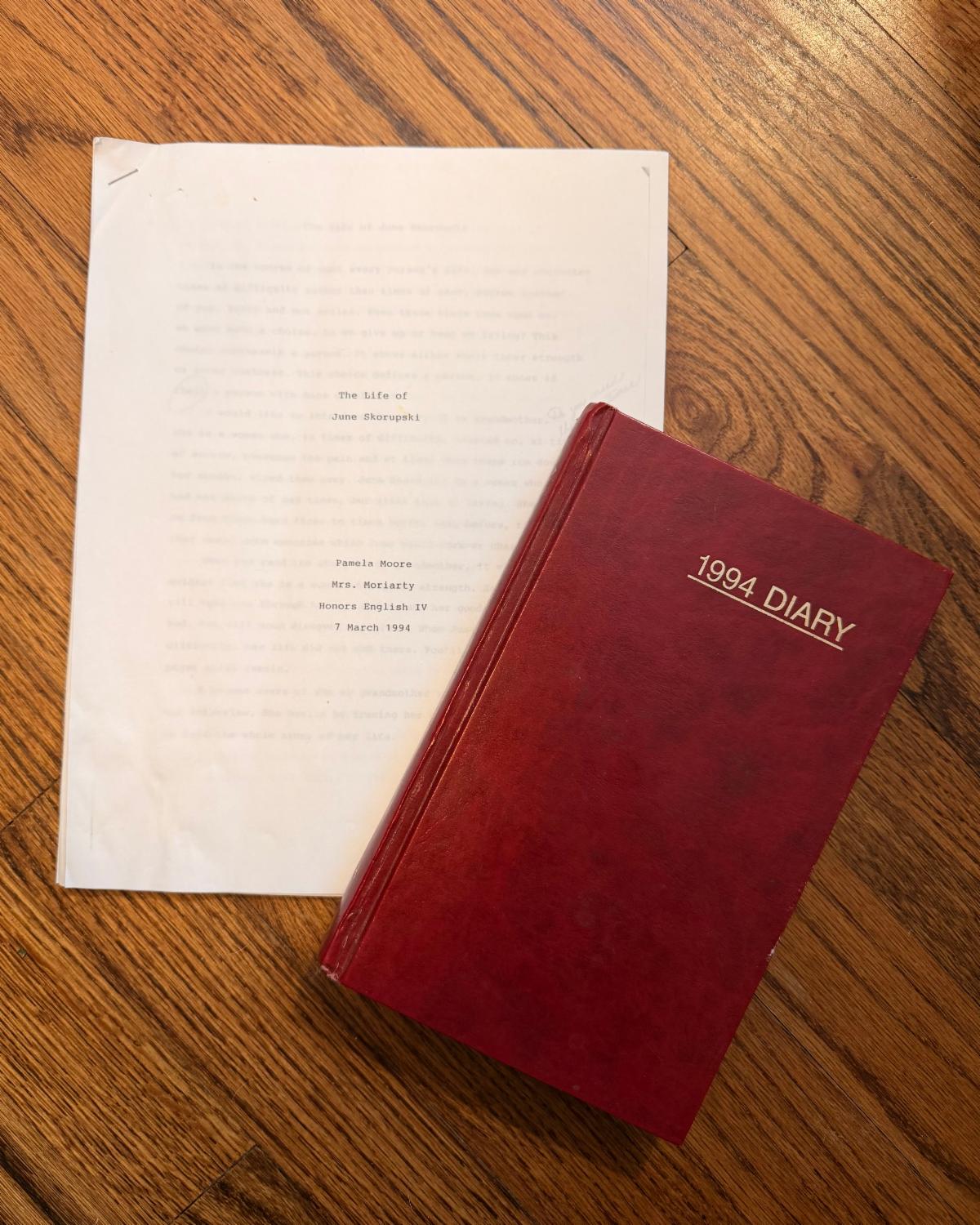
My Grandmother’s Story and Mine

By Publishing Intern Pam Gainer


“Just as her journal entries are short on emotional or personal information, our family isn’t one to talk about challenging or tender topics. But during that interview, she opened up. My mother, June’s own daughter, told me that she didn’t even know much of what was in those seventeen pages I wrote in 1994. [...] I sometimes think, ‘What if I had never interviewed her? Who would know this?’’’


A Living Genealogy

By Director of Publishing Ali de Groot

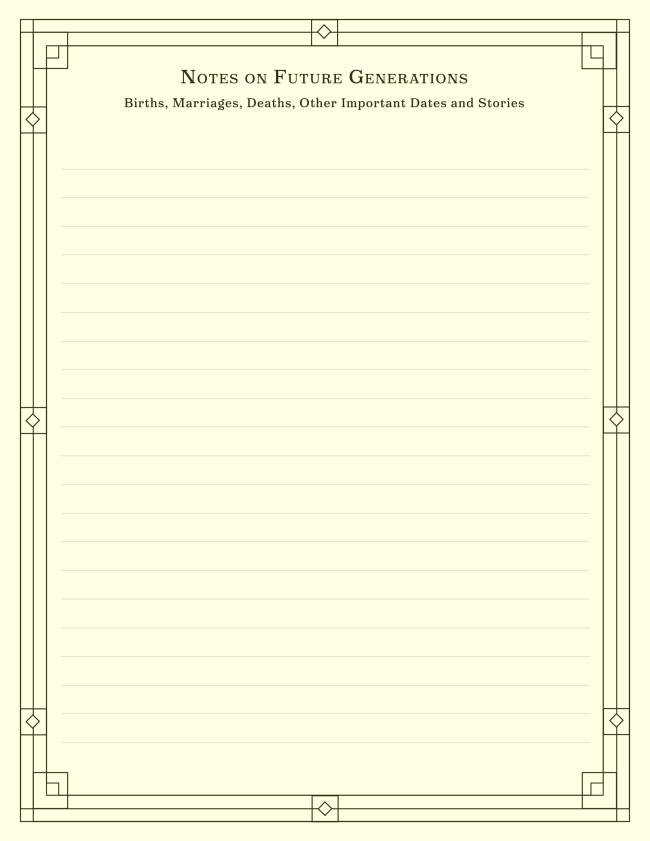
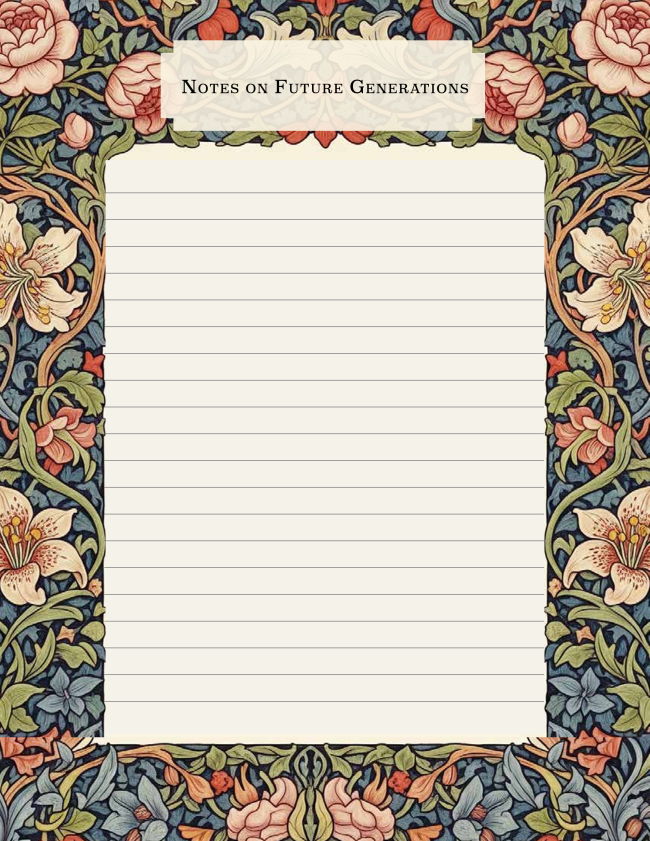
Sample genealogy pages for family notes, designed by Book Designer Nicole Miller

Traditionally, many families owned “family Bibles” that contained lists of births, marriages, deaths, and more on their central pages. These were handed down and written in over generations and provide an excellent source of family history, despite the inevitable spelling errors in handwriting. As part of our genealogy offerings, we’ve come up with a more modern take on this practice, ranging from simple and straightforward designs to uplifting floral designs. Let us help you custom design and add these pages to the back of your genealogy book to turn it into a living history.

pile_of_old_books.jpg


Memory Lane Stroll


We’d love to hear your brief personal reflections on the question of the month. Write your response for a chance to be featured in the next edition of our e-newsletter!

March Question: What is your go-to genre as a reader?

Staff responses:


Megan St. Marie: I cannot pick just one! I love sinking into a good novel or delighting in poetry, but in addition to memoir and biography, I mostly read nonfiction titles on religion and history.


Sean St. Marie: I love science fiction novels.


Ali de Groot: Russian novels.


Liz Sonnenberg: Nonfiction.


Nicole Miller: Memoirs!


Pam Gainer: Historical fiction.


Stop by to see us in person or online:


417 West Street, Suite 104

Amherst, MA 01002


www.modernmemoirs.com

Facebook  Instagram  LinkedIn

Was this e-newsletter forwarded to you?