On some devices, the article may get "clipped." You may have to click on "expand this message" at the bottom of the first page to see the entire article. | | |
HAWK TALK
Steve Cooley '88
| | |
Dear Fellow Alumni,
Has the long winter made you depressed? Do you have the "winter blues?"
If you answered "yes" to either question, you may find a remedy in this edition of HawkTalk.
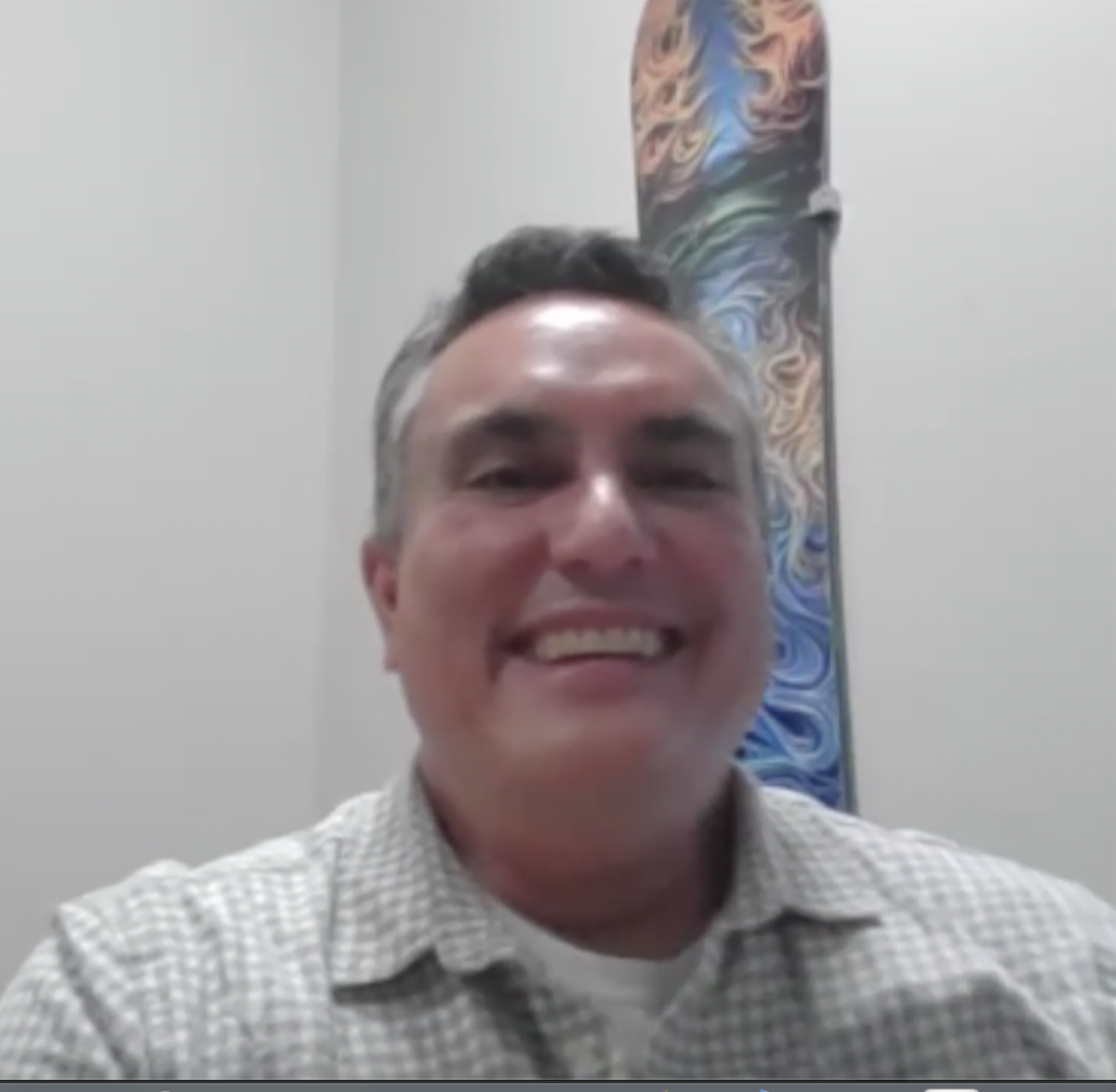
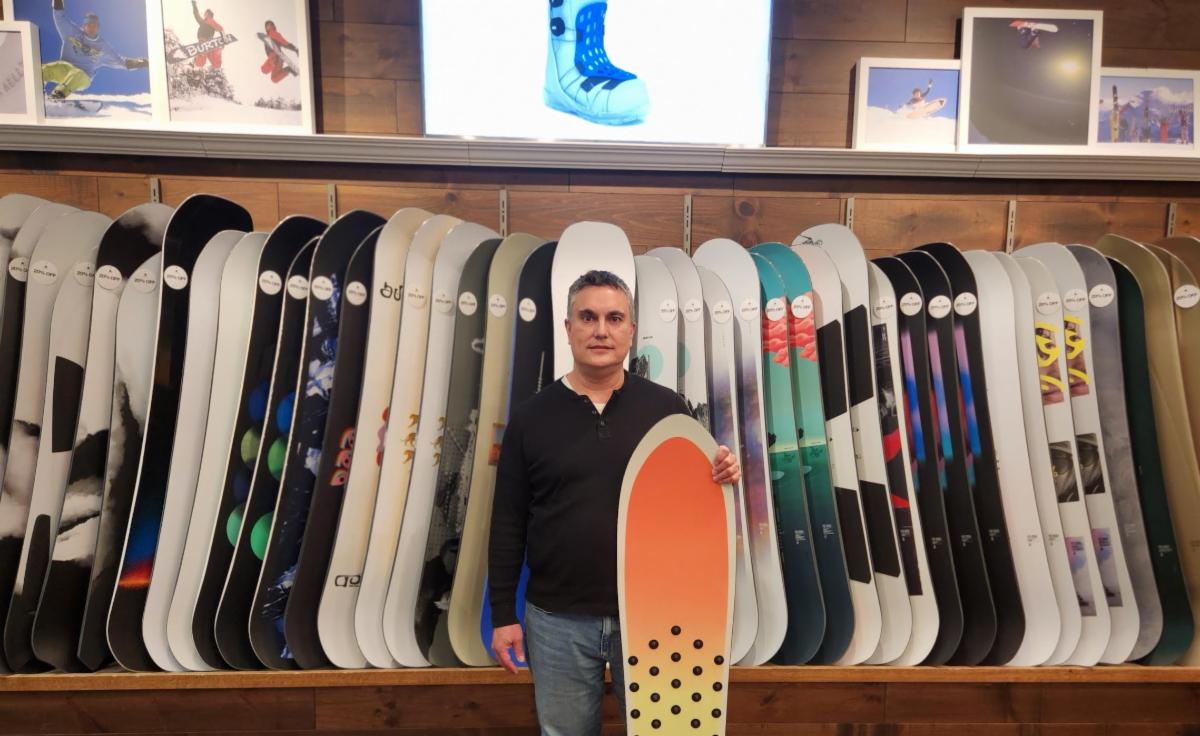
Today's HawkTalk features 1988 COHS graduate Steve Cooley. Steve is Vice-President and Corporate Controller for Burton Snowboards - the world's largest snowboard company. Steve could suggest the right snowboard for you so that you can embrace the snow and cold!
If that doesn't work, perhaps Steve could have you talk to his wife, Kelly Rohan, one of the world's leading experts on Seasonal Affective Disorder (aka - the "winter blues.")
And, if those two suggestions don't work, you could always just go back and re-read former editions of HawkTalk!
| |
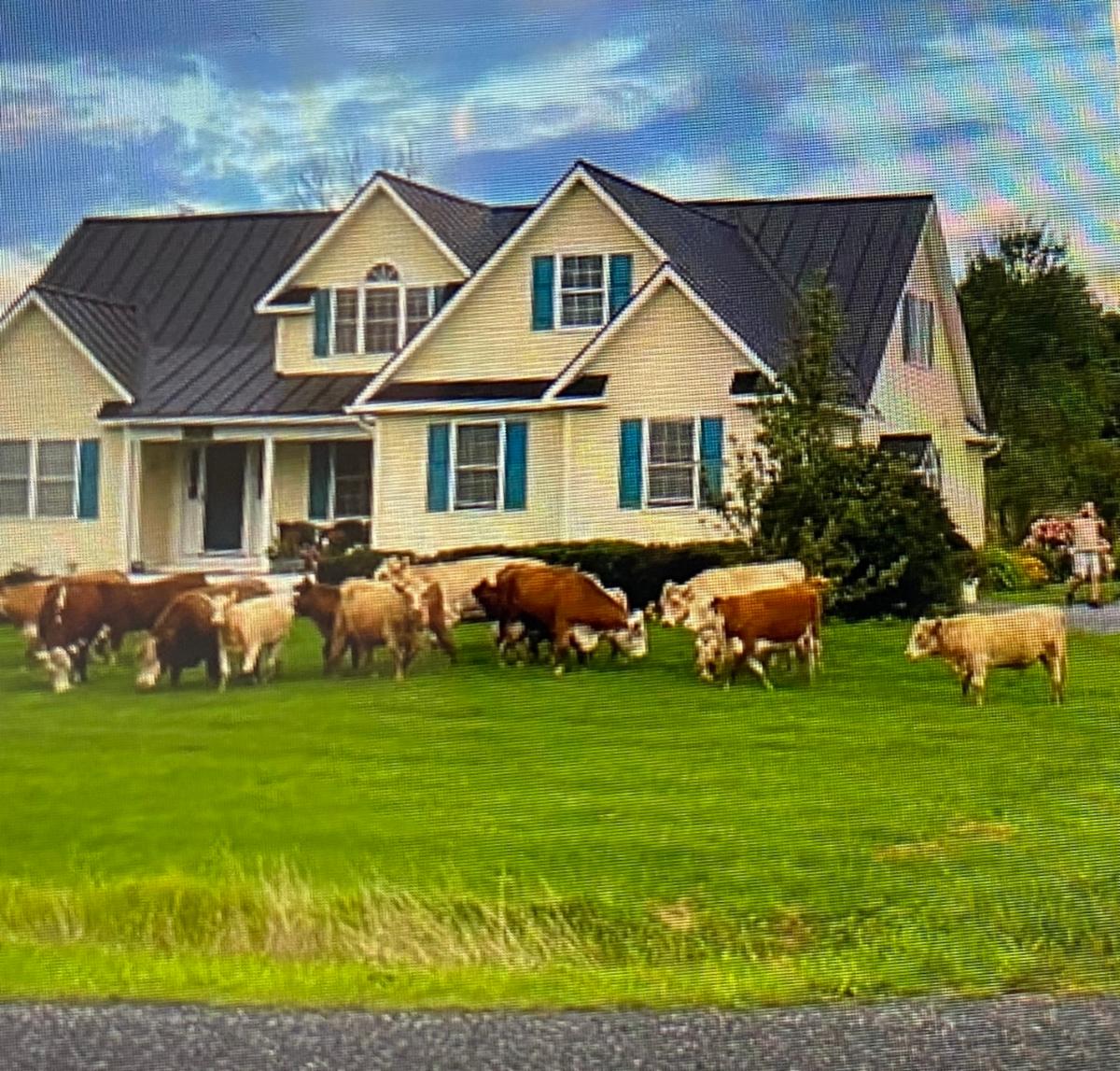
I'd like to express my thanks to Steve for sharing his story with us including; his "escape" from Washington, DC during 9/11, his survival of a cow invasion, his "awakening" after a serious medical scare, and his recollections of his four years at Cardinal O'Hara.
(P.S. Thirty more days 'til spring!)
Go Hawks!
| |
Dave Lovering '74
COHS Alumni Relations Coordinator
| |
DAVE: Hi Steve!
Thanks for agreeing to do this, I appreciate it!
STEVE: Thanks for the opportunity!
I'd like to send a special "hello" to my classmates and my friends from Cardinal O'Hara.
DAVE: Steve, I don't think I can allow that. (Both laugh)
STEVE Well, I take it all back then. (Laughter)
DAVE: I'm really looking forward to chatting with you, Steve. I can't wait 'til we get a chance to talk about Vermont!
I'll start with my classic first question...
| |
Sheridan/Colvin
DAVE: Where did you grow up?
STEVE: I grew up in the Town of Tonawanda.
When I was in second grade my family moved to the Sheridan/Colvin area. They bought a house on Gardenwood Lane. My parents still live in that same house.
I went to Herbert Hoover in the Ken-Ton School District from second grade through eighth grade. Had I continued going to public school, I would have attended Kenmore West High School.
My dad, however, graduated from Bishop Timon and my mom had gone to Catholic schools in the Philippines. Their Catholic education meant a lot to them, so, when it came time for high school - they enrolled me at Cardinal O’Hara.
| |
Parents
DAVE: Tell me about your parents?
STEVEN: For starters, they had one child – me. (Laughs)
My dad, Chester, grew up in Lackawanna. He was a steel worker and worked in a couple of different plants including American Brass on Military Road. There were occasional hard times when layoffs hit or the union went on strike.
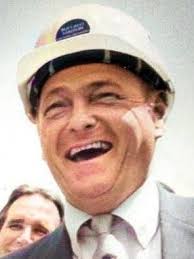
As a side note, people may find it interesting to learn that my grandparents were
neighbors with future Buffalo Mayor Jimmy Griffin. (See photo)
My mother, Marietta, was from the Philippines. She came to the United States in the mid 1960s. When she arrived, she began a career as a dietician in Batavia.
My parents are in their mid-80s now. They still get around pretty well, though. They occasionally make the trip from Tonawanda to Vermont to visit my wife and I and our two children.
| | |
DAVE: You arrived at O’Hara in September 1984. Any problems adjusting to high school?
STEVE: I would say that in my first two years, I kind of stayed in the background. Like many others, I was still trying to figure out who I was and where I fit in.
I participated in some activities - ones that I was comfortable doing.
Baseball
I played baseball at O'Hara for three years - I love baseball.
One of my favorite memories about being on the O'Hara baseball team had nothing to do with an actual game. (Laughs)
Our coach, Mr. Slowinski, arranged for us to play games against Canadian high school teams. We’d cross the border and play the games in Canada. I don’t know how he engineered that. (Laughs)
The trips were really a combination of playing baseball and going camping. There were 12 or so boys on the team. When our O’Hara season ended, we'd take these excursions. It was just a lot of fun.
| |
Cross Country
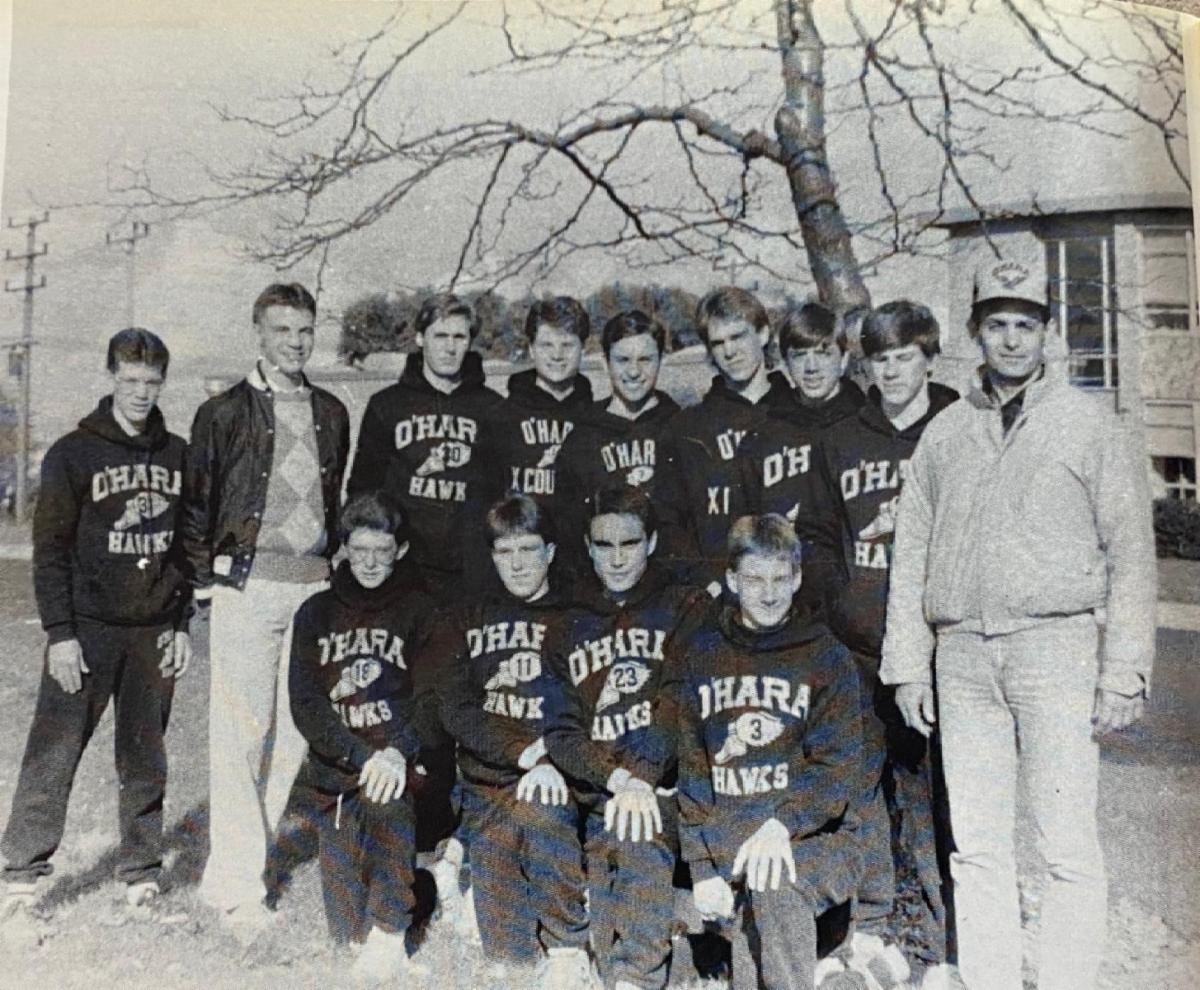
I ran cross-country for four years. (Photo: Steve kneeling: third from left)
Our Monsignor Martin meets were held at Delaware Park. That was something I got to share with my dad, who ran cross country for Timon. His races were at the same location in Delaware Park. It was great that he and I could share such a similar experience in our high school cross-country careers.
Cross country was my best sport. I was named All-Catholic in 1988 as a senior.
| | |
Wrestling
I tried out for the wrestling team my junior year. The wrestling coach was, Mr. Slowinski - my baseball coach. He convinced me to try out for wrestling.
I was a horrible wrestler (laughs) - but that wasn’t the point. The point was to meet new people, try new things, find my niche, and have fun.
| | |
Chess Club/Student Council
I also participated in Chess Club and Student Council.
If I had attended Kenmore West, with its much larger student population, I doubt I would have done those two things. But because I had gotten to know my classmates and so many others, I felt comfortable taking some risks.
| |
DAVE: Did you follow all the school rules?
STEVEN: (Laughs) Most of them.
However, later in my junior year and continuing through senior year, I used to roam the halls a bit.
It was mostly for socializing – not necessary because I didn’t want to go to class. I just wanted to visit and talk to the other kids in school. It was a nice way to meet girls, too. (Laughs)
I started my day roaming. I usually arrived to school about 20 minutes early so I’d start the day with a morning roam. Once classes started, I’d ask for a lavatory pass when I felt like I needed to take a stroll.. I’d go all over – sometimes visiting each wing.
After school was another prime roaming time. Sometimes, our team practices were delayed because the gym or field was ioccupied. On those occasions, my teammates and I would roam the hallways - much to the chagrin of the friars, priests and sisters.
| | |
DAVE: Who were some of your favorite teachers?
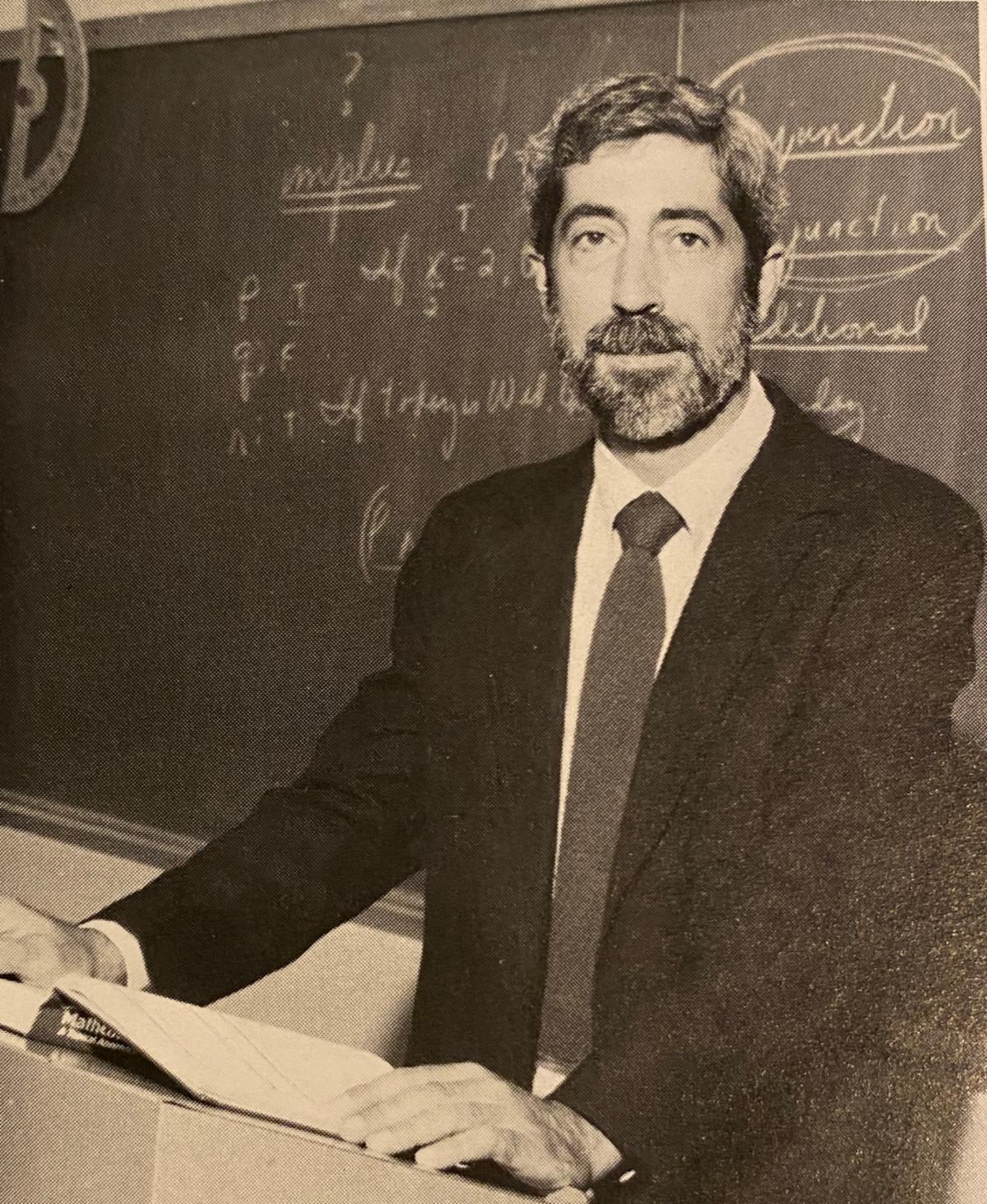
STEVEN: I always liked my math teacher - Mr. Menna. (Photo)
When I came to O’Hara, I was a year ahead in the mathematics curriculum. That meant I was in a class with students a year older than me. Mr. Menna seemed to give me special attention because of that. He wanted to make sure I wasn’t overwhelmed in class. He was also someone who would put in a good word for me or advocate for me if I was ever in trouble. (Laughs)
After school, if he saw me roaming, he’d invite me into his room and we’d talk. He made you feel that he had a personal interest in you.
I would also like to acknowledge Mr. Dean, a science teacher. He was a very engaging teacher and so passionate about science. Mr. Dean always had a big smile on his face. His name appears throughout my yearbook. That shows how popular he was among the students. Mr. Dean’s daughter, Amy, was one of my COHS classmates. You could not find a sweeter person than Amy.
When I’m back in Western New York, attending church at Saint Amelia’s, I will occasionally see Mr. Dean still wearong his big smile. I always enjoy running into him.
Mr. Posluszny, “Mr. Poz,” was another teacher who loved what he did and kept you engaged. Mr. Lewis is also another teacher I liked. He had a very dry sense of humor.
| “I CHERISH MY FOUR YEARS AT O’HARA” | |
DAVE: What impact did O’Hara have on you?
STEVE: I made a lot of great friends at O’Hara.
Because I was in different activities my “friends environment” changed throughout the year. I think that was very beneficial. Every year the cycle repeated itself so I got to know a wide variety of classmates. I still consider my schoolmates my friends even though I haven’t seen them in a while.
I gained a lot of self-confidence in my four years at O’Hara. I learned from my mistakes. When I made a mistake, I didn’t let it bother me, or feel embarrassed.
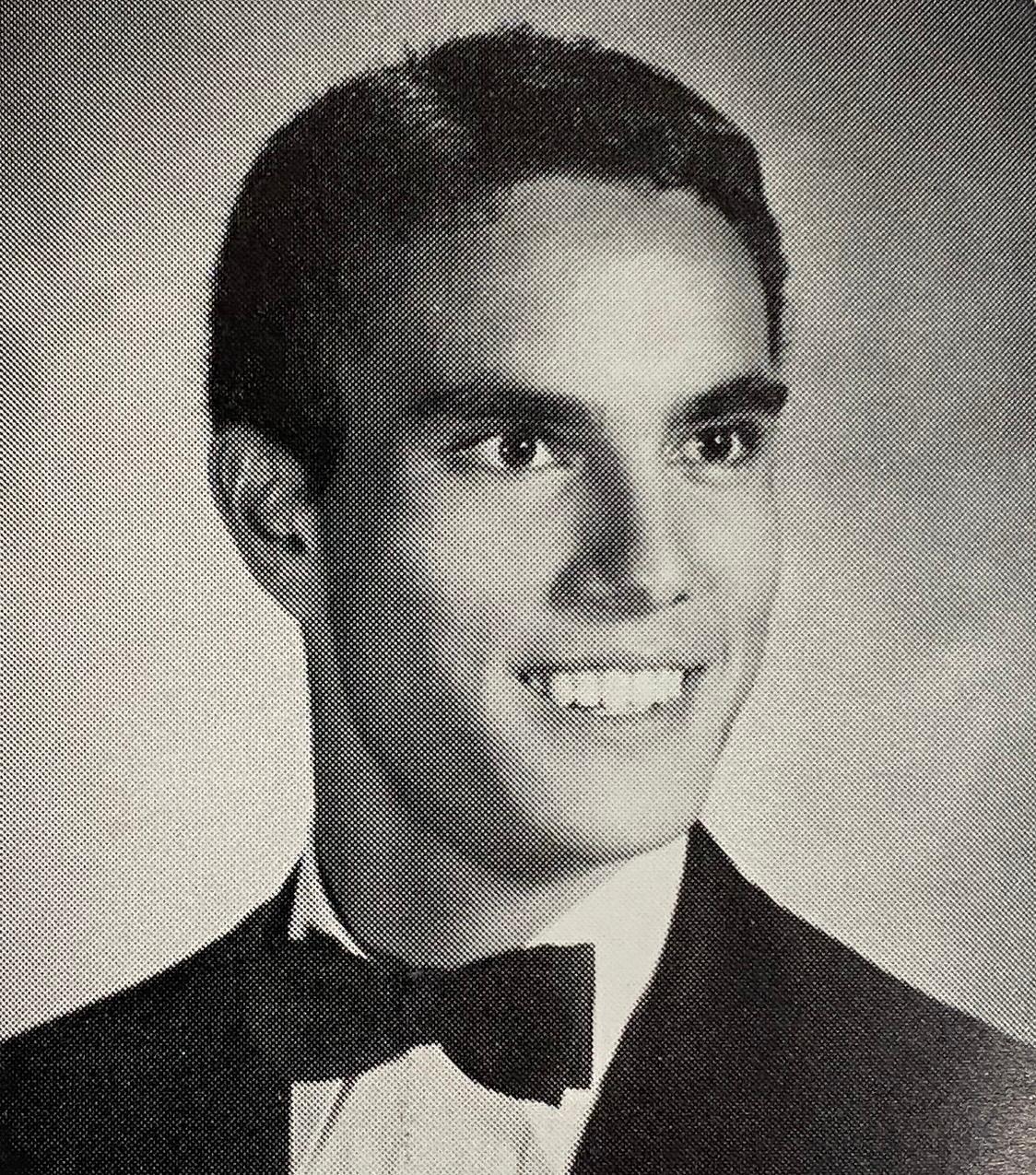
I grew so much in my four years at O’Hara. I cherish those years. (Senior photo)
| | |
DAVE: Did you give much thought to a career while you were in high school?
STEVEN: Zero thought. (Both laugh)
I was much more concerned with having fun and hanging out with my friends. (
Although I may not have had a plan for college, my father did. He informed me that I was going to UB. Fortunately, I was accepted!
DAVE: Well, at least someone was thinking about your future. (Both laugh)
STEVEN: I hadn't given much thought to a career. I wasn't really aware of all the different options I could have pursued career-wise,
As it turned out, my aunt had married an accountant who worked out of Toronto. I really liked him and enjoyed talking to him. He was good with numbers - I was good with numbers - so I decided to major in Business with a concentration in Accounting. There wasn't a whole lot of thought behind it. (Laughs)
DAVE: Was UB a shock to your system?
STEVEN: Yes, but in a good way.
Certainly the size of the school was something that I was not used to. But one of the best things about UB was its diversity. I met a lot of wonderful people at UB, and from so many different backgrounds. I still keep in touch with many of the people I met there.
I tried to soak in the social and academic sides of college. I even stayed an extra semester because I didn’t want to leave.
| | |
Delaware North/LaBoeuf, Lamb, Greene, and MacRae
DAVE: Did you find a job right away after college?
STEVE: It was a tough environment to get a job – the country was in a recession.
I did get a temporary job at Delaware North - for about nine months.
While working at Delaware North, I discovered that the Downtown Buffalo Public Library had a great resource - a weekly magazine filled with want ads for jobs for the eastern half of the United States.
| | |
In December 1993, I heard back from several firms in New York City. Their responses included "invitations" to interview - if I was ever in the New York City area. I decided to drive to New York to follow through on those invitations.
I was offered a job by LaBoeuf, Lamb, Greene, and MacRae, a large international law firm in midtown Manhattan. (See photo) One of their biggest clients was Lloyds of London. They were U.S. counsel for Lloyds. I started with them in February 1994.
It wasn’t a glamorous position. (Laughs) I worked a ton of hours. I averaged 12 hours a day from 7:30 a.m. t0 7:30 p.m. I think it was my penance for not trying my hardest in high school and college. (Laughs)
I did a lot of “meatball” accounting - mundane accounting work - looking at things like ledgers and bank reconciliations. I looked at a lot of numbers. (Laughs)
It wasn't the most interesting work. but I had my foot in the door. I was 23 years old working in New York City with an international law firm and interacting with people throughout the world.
| | |
DAVE: Where did you live?
STEVE: I shared an apartment with a friend near the South Street Seaport.
The building probably should have been condemned. (Laughs) We had windows but not all of them had glass. There was no kitchen, and only a makeshift shower.
Since there was no kitchen, my friend and I would go out every night to eat. We’d go to bars, meet people, go on dates, and do New York “stuff.” We even went to poetry readings - something I never imagined I would be doing when I was a student at O’Hara. (Laughs)
I lived there for a year before moving to the Upper East Side.
I worked with the firm from February 1994 to June 1997.
| | |
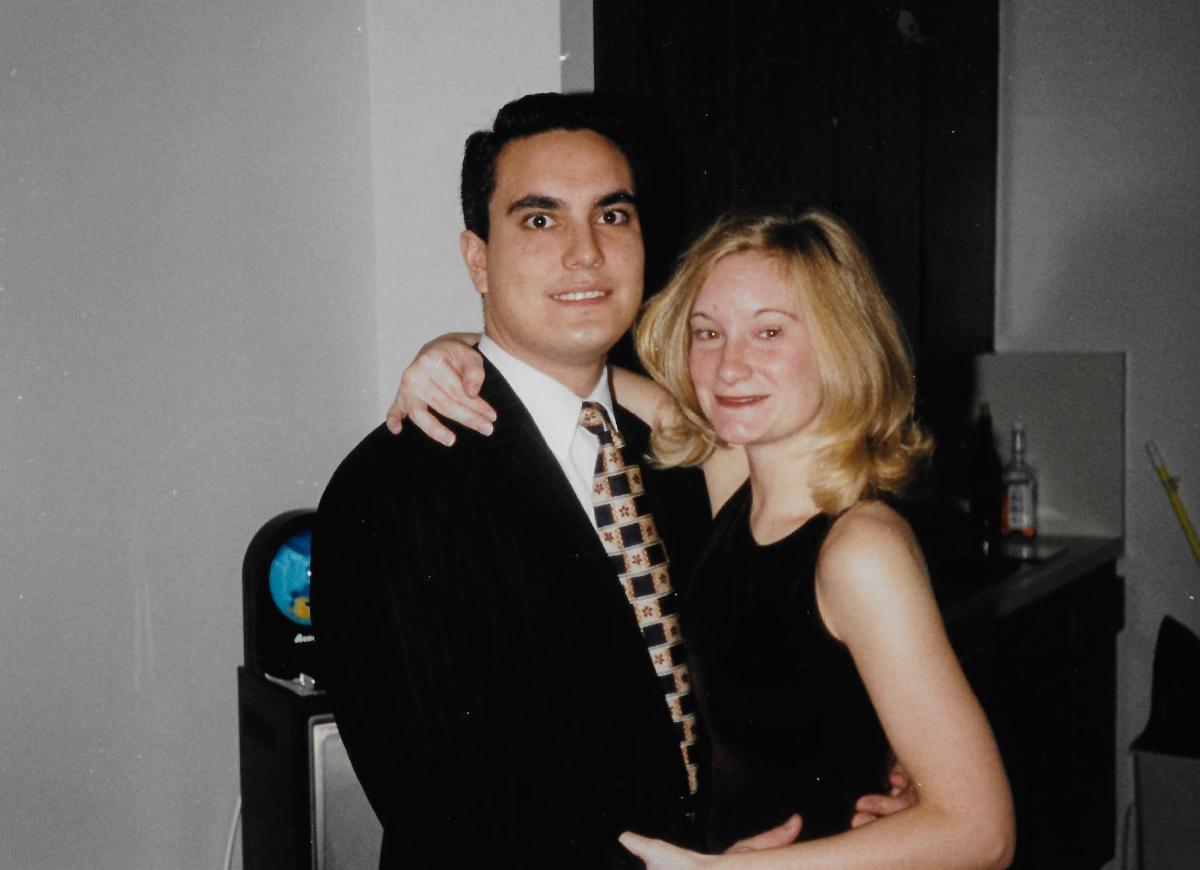
STEVE; I was still living and working in New York when I attended the wedding of a college friend in Binghamton in May 1996.
Around midnight, a young woman and I ended up in close proximity and we began some small talk. Her name was Kelly Rohan. She was a graduate student at the University of Maine.
We hit it off pretty well and exchanged phone numbers.
We started out emailing each other and later began dating - alternating visits to New York and Bangor, Maine. I had just started my third year with LeBoeuf, Lamb, Greene and MacRae, and Kelly was finishing up her degree work in Clinical Psychology at the U of M.
Several months, after we began dating, Kelly made a trip to New York. I took her to the ice-skating rink in Central Park – and proposed. Luckily, she said, ”Yes.” (Laughs)
| | |
STEVE: So we packed up and headed for Maine.
DAVE: How long were you in Maine?
STEVE: Not long. Kelly needed to do an internship as part of her program and the best one for her was in Jackson, Mississippi.
So, when Kelly graduated from the U of M we headed south to Mississippi.
Financial Analyst - Jackson, Mississippi
DAVE: Did you look for work in Mississippi?
STEVE: We were only going to be in Mississippi for a year. So, I was willing to do any work. Starbucks was a new “thing” and the idea of being a barista was appealing. But, as it turned out, I was hired as a financial analyst for a cable TV company. The company was going bankrupt – everyone knew it. My job was to help them find a way out.
We ended up staying longer than one year as Kelly was offered a post-doctoral position in Mississippi. As for me, the company I worked for was bought out by WorldCom. I worked at WorldCom for about a year and then took a job with MCI.
| |
DAVE: Where in Mississippi did you live?
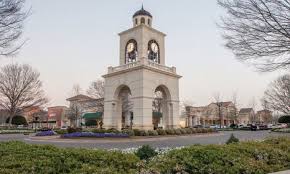
We lived outside of Jackson in a town called Ridgeland. (Photo)
I had seen the movie Mississippi Burning before we moved south. The movie certainly showed the good and the bad of Mississippi. Sad to say but I experienced some of the bad myself. To be clear, though, there were many, many great people in Mississippi.
I loved the music, and the great food there. I loved the hot nights. I’m glad we had the chance to experience the deep South.
| |
National Academy of Sciences - Washington, D.C.
DAVE: You left Mississippi in 2000 and headed for …
STEVE: …the Washington, D.C. area.
In 2000, Kelly began her first job at the Uniformed Services University of the Health Sciences (USUHS) on the campus of the Naval Medical Center in Bethesda. USUHS is the military’s medical school where the armed forces recommends its members gain advanced degrees.
I was still with MCI and took a position with them in the DC area. I did that for a short while and then took a job at the National Academy of Sciences in Maryland in 2001 in cash management and budget.
| |
September 11, 2001
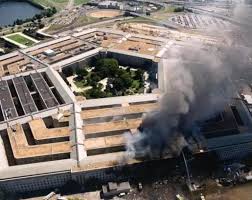
STEVE: Then, one September day in 2001, I was in my office in Georgetown. Suddenly, a colleague came running down the hall shouting, “A plane just crashed into World Trade Centers.” There was a lot of confusion. There were rumors of planes shooting into the Washington Mall. No one knew what to believe. At one point, a colleague said to me, “Look out your window.” I looked and saw plumes of smoke billowing from the Pentagon.
| |
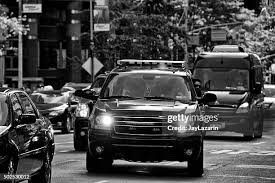
People in the office began making arrangements to leave work. I got in touch with Kelly and we agreed to meet in Bethesda, where she worked. My friend and I headed outside and took out all the cash we had in our pockets, and waved it to cabbies. A cabbie stopped, we climbed in and headed to Bethesda. We still didn’t know the severity of the situation, but as the cab took us out of D.C. metro, we must’ve passed 40 black SUVsdriving into Washington with machine guns pointed out the windows.
I found Kelly. We made it home to Germantown, a suburb of DC, and followed the news while listening to helicopters fly over our house.
| |
We stayed in DC until 2005. By then, the allure of living in Washington had worn off somewhat. We found ourselves on the weekends or whenever we had time driving to rural places like West Virginia or western, or northern Maryland. Kelly began looking for work elsewhere. She was offered a job teaching at the University of Vermont.
Kelly moved to Vermont and I stayed behind for a few months to sell the house and finish my MBA program.
| |
VICE-PRESIDENT CORPORATE CONTROLLER - BURTON SNOWBOARDS
DAVE: Well, if you wanted a change from Washington, D.C., Vermont would be a good choice. (Both laugh)
STEVE: When we decided to move to Vermont, I often caught myself thinking, “What do people do in Vermont?” (Laughs)
When I arrived in Vermont, in October 2005, I applied to a few places.
I was offered a position at Burton Snowboards. I knew nothing about snowboarding. (Laughs) I figured that I’d work for Burton for a few months. That would give me a chance to get settled in Vermont, and then I’d look for a new job - find something I really wanted to do.
| |
This year, I’ll be celebrating my 20th year with Burton. (Both Laugh)
Burton is the largest snowboarding company in the world. We have subsidiaries around the world: Sydney, Australia; Beijing, China; Innsbruck, Austria; Tokyo, Japan; Hong Kong; Montreal, and Shanghai. The company is headquartered in Burlington, Vermont.
We have one of the largest market shares of snowboards in the world. But there has been more competition in recent years.
Along with our snowboards, we are well-known for our apparel line including boots and bindings. We have some really great technology in our bindings - something that other companies would find difficult to compete with.
DAVE: You’ve had different titles in your career at Burton.
STEVE: In 2005, I was hired as a Financial Analyst. It was a lot of looking at numbers – a lot of minutiae.
| |
After a few years I became Manager for four or five years. Later, I was named Director, a position I held for seven or eight years. Recently, the business side of the company was restructured and I was named Vice-President and Corporate Controller.
It used to be that the company was geographically structured. In other words, each subsidiary of made their own decisions. In restructuring, we became more corporate. I now oversee Innsbruck, Tokyo, Sydney and Burlington. I am no longer on the financial planning side of things although I work with that division often.
DAVE: Here’s the million-dollar question… do you snowboard?
STEVE: (Laughs) As I mentioned earlier, I knew nothing about snowboarding when I took the job. It’s not like we had a lot of mountains around us in Tonawanda. (Both laugh)
I was 35 years old when I took up the sport. Despite taking lessons and practicing it took me a while to become any good. I can remember the moment when I learned how to snowboard. It was when I watched as my then five-year old son was out of control speeding down a hill. At that moment everything kicked in and I took off after him. That’s when I learned how to snowboard.
| | |
LIVING IN VERMONT
DAVE: You’ve been in Vermont for almost 20 years – how do you like it?
STEVE: We love Vermont.
Kelly and I both work in Burlington although we live in a town called Charlotte.
STEVE: Charlotte is 20 minutes from Burlington.
For Kelly, there’s one road with two stop-signs and one traffic light and she’s there. She gets the Green Mountains scenery.
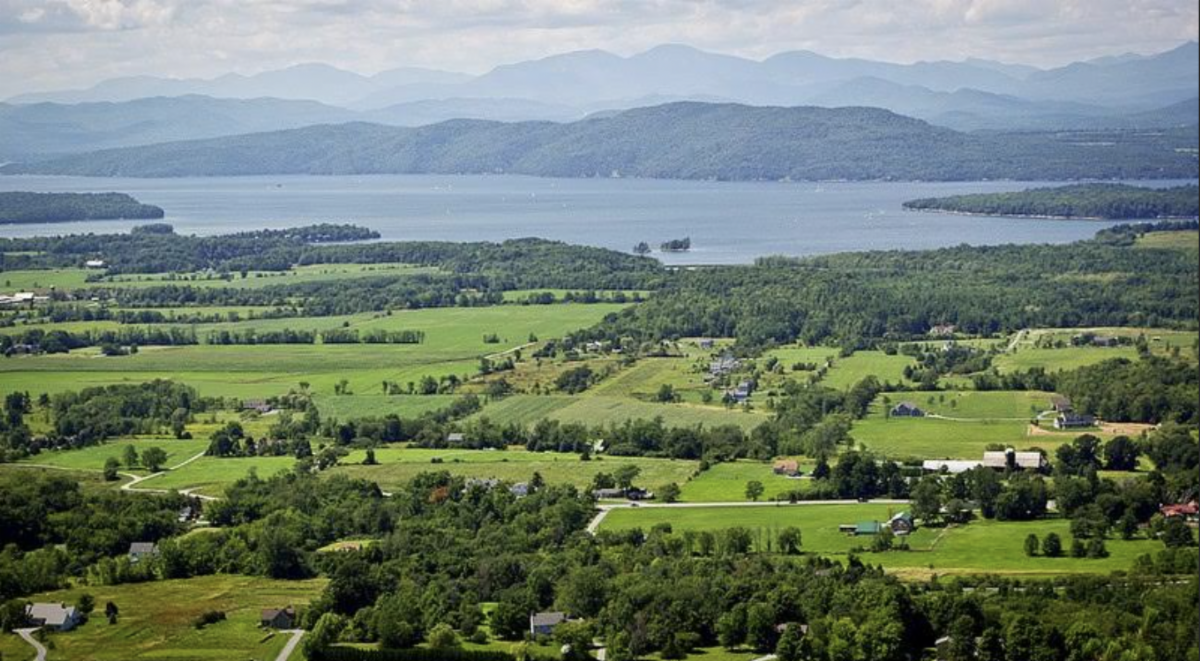
I have a few more traffic lights and I get the Lake Champlain Adirondack Mountains view.
Our house is at the base of Mount Philo. There’s a viewing area on the mountain that is just spectacular.
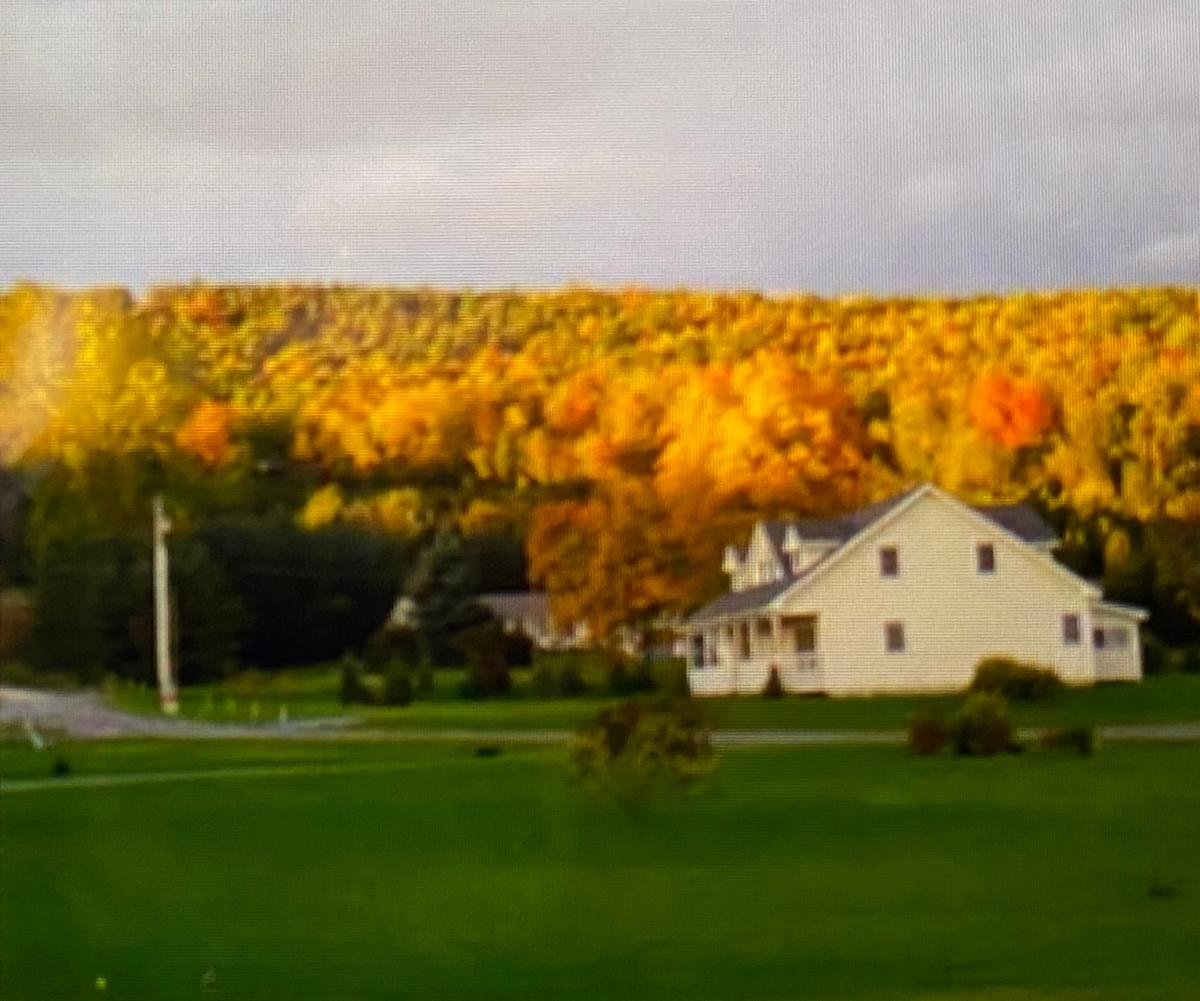
| Looking out over the town of Charlotte from Mount Philo. Those are the Adirondack Mountains in the distance, beyond Lake Champlain. | | The beautiful, vibrant colors of Charlotte in fall. | |  | Steve's front lawn serves as rest area for his neighbor's escaped cows. | | | The one bad thing about Vermont is there’s really no shopping places around here. If we want to go shopping we end up going to Boston or Montreal. (Laughs) | | |
Winooski
DAVE: You must know where Winooski, Vermont is.
STEVE: Winooski is the next town over from Burlington. It is the place to live in our area of Vermont. It’s real chic. The college that’s there, St. Michaels, has invested a lot in that area. So has the town itself. They put in student housing, bars, and restaurants. It’s really a vibrant place. Kelly and I love to visit Winooski.
DAVE: I was born at Saint Michaels Hospital in Winooski.
My dad was a professor at Saint Michael’s in the mid 1950s. In 1956, he got a job a Canisius College so we moved to Buffalo. I was six months old when we moved.
I don’t remember Winooski so well. (Both laugh)
| | |
“AWAKENINGS”
DAVE: I know you’re dealing with a health issue at this time.
STEVE: I contracted Covid in February 2023.
I thought I recovered and by April 2023 I was in some of the best shape of my life. I have a home gym and I committed to my physical fitness. So I was into weightlifting, yoga and getting myself into shape. As far as endurance, cardio, and flexibility, I felt great.
In May, I began coughing which I attributed to seasonal allergies. It’s just something I deal with in the spring. Except, this time, it didn’t go away. It continued through the summer.
By October - I was exhausted. On October 23, I went to the hospital. I told the doctors of my issues and suggested that I might be having an asthma attack. I was in the ER for about 60 seconds when they told me it wasn’t an asthma attack. They told me my heart was failing. They stabilized me and I went home.
In the course of the next two weeks, my symptoms got worse. I made three return visits to the ER. I was given medication which caused me to lose 25 pounds in two weeks. They did a CT scan and ruled out a stroke – but they found two large tumors in my sinus cavity.
DAVE: Were the tumors the cause of your heart issues?
| | |
STEVE: They were the cause of the coughing but my doctors were not sure what the cause of my heart issue was. They didn’t know if it was the tumors, Covid or something else.
In early November my condition continued to deteriorate. I was admitted to the cardiac unit and the hospital’s rapid response team was called in. My heart rate was down to 20 beats per minute (bpm). The average heartbeat for an adult with a healthy heart is 60 to 100 bpm.
I was given medication to try to stabilize my heart. There were about 12 people in the room and we all watched the monitor to see if I was going to flat-line.
I began to think about death and dying. There was a certain calm that came over me. I remember thinking, “I’m about to find out what happens, when I die.”
Fortunately, the medication they gave me began to have an effect. My heart rate began to rise. After a week, I was released from the hospital.
Moving forward, the tumors were removed and I began to do cardiac rehab. My two cardiologists considered me a candidate for an ablation where they scar your heart to block signals that may cause the heart to race. They put that “on hold.”
I’ll meet with my cardiologists in March to determine the next treatment plan and whether we continue with rehab and medication, do an ablation, or try something else. There is some optimism that we may not need to do an ablation and that I may be able to just continue with the meds and rehab with the ultimate hope that I get off the meds.
I’m feeling pretty good these days. Today ran for 40 minutes, rowed for 20 and lifted for an hour.
DAVE: I bet that experience has given you a new perspective on life.
STEVE: It’s why I related the story. I feel as though I have undergone an awakening.
Six months ago, I thought I might be dying. Today, thanks to my doctors and a wide-network of friends who supported me and my family doing that time, my perspectives have evolved.
For one thing, I don’t look at the things I do as things I have to do – instead - I look at them as things I get to do. In other words, I don’t have to go to work, I get to go to work. I don’t have to do my rehab, I get to do my rehab. I get to be a friend, I get to be a dad. A few months ago – I couldn’t do those things.
A second awakening is that helping others has come to the forefront of my mind. The support I received from my Vermont friends was unbelievable. They visited me in the hospital, made dinners for us, and drove my kids hither and yon. Now, I continuously look for opportunities to do for others what was done for me.
| |
VOLUNTEERING
DAVE: I know that you give your time to different organizations.
STEVE: I was the treasurer of Vermont Cares – an AIDS support organization. I did that for five years.
I’m active in our local Catholic church and serve as Eucharistic minister at Our Lady of Mount Carmel. Our parish actually consists of two churches, Our Lady of Mount Carmel and Saint Jude’s.
My son and I, along with a few other folks, provide manual labor to help take care of the cemetery near church. In the spring we clear brush and in the fall we rake leaves. We’ve done that for ten years now.
| |
FOR FUN
DAVE: What do you do for fun?
STEVE: I like to travel.
I am required to travel as part of my job. As a result, I’ve been to some pretty cool places around the world.
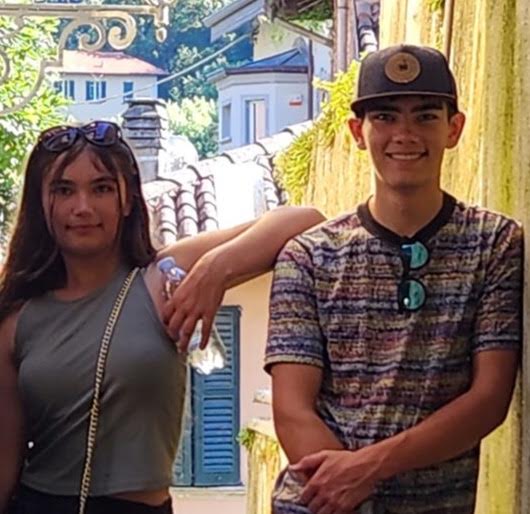
This past summer I spent a week in Tokyo for business and then went on a family vacation to Italy to Lake Como. (Photo:Tegan and Liam in Italy)
| |
In the fall I flew to Innsbruck, Austria for business.
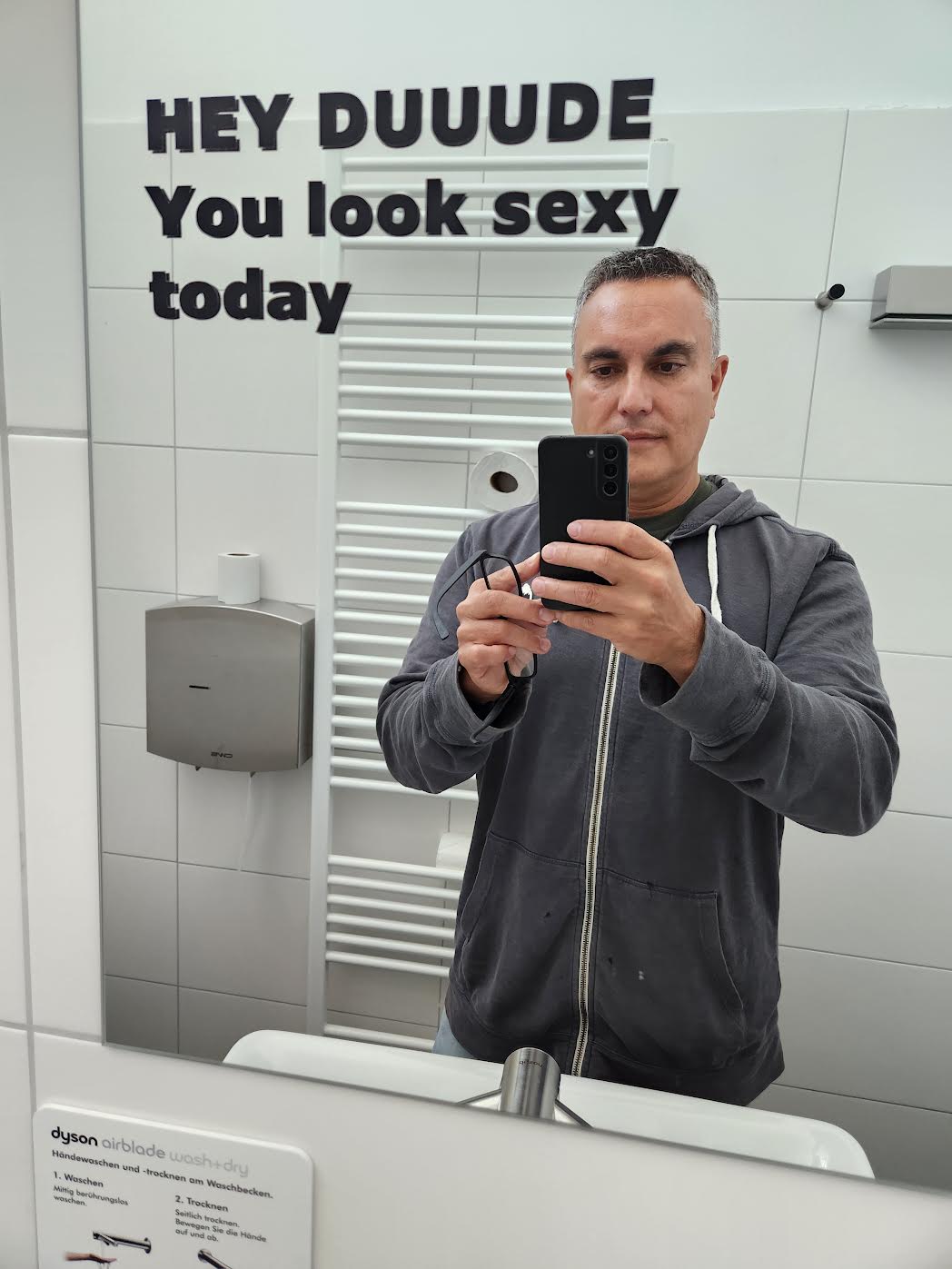
(Photo; Steve in a restroom in Innsbruck)
I also like to take advantage of the great natural resources nearby. Therefore, I kayak, and do a lot of hiking.
Kelly and I enjoy taking walks around some of the towns, villages, and college campuses in our area. Middlebury College is near where we live.
I enjoy working on the house and gardening.
| |
DAVE: We’ll wrap things up by talking about your family. We already know how you met Kelly!
STEVE: Yes, I won’t retell that story. (Laughs)
Kelly was born in Binghamton, NY. She is a 1993 graduate of Saint Bonaventure. She actually knew several O’Hara graduates that attended St. Bonaventure before she knew me.
DAVE: Is Kelly still at the University of Vermont?
STEVE: She is.
She was the Director of Clinical Psychology for a while but really wanted to get back to doing research which she really enjoys.
So, today, Kelly is a full professor at the U of V. She teaches several classes, yet still devotes a good deal of time to research.
Her primary research interests are in the study of mood disorders, such as depression. In particular she studies Seasonal Affective Disorder (SAD); its causes, symptoms, diagnoses and treatment. Kelly is one of the leading authors in the world on that subject. She does a lot of TV and radio on the subject and presents at conferences and the like.
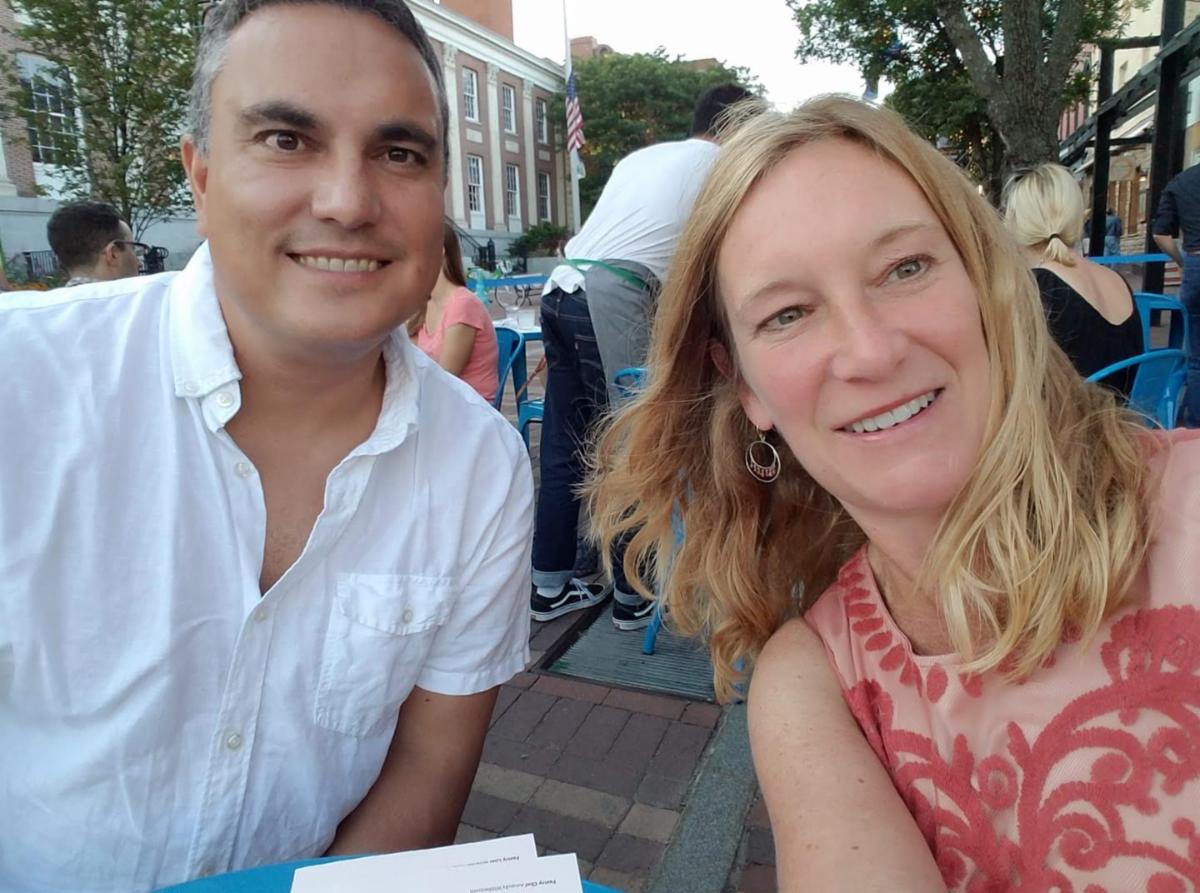
I feel so fortunate to be married to Kelly. She is the person I want to spend my life with.
DAVE: You have two children.
STEVE: Liam, our son, is 16 and a junior in high school. Our daughter, Tegan, is an eighth grader.
With two teenagers in the house, I feel like I am reliving high school. (Both laugh)
They’re both big snowboarders as are many of their friends.
I fixed up the basement of our house so that they could have their friends over and work on their snowboards.
As we know, high-schoolers have their own language. Well, so do snow boarders. Half the time, when I listen to the kids talk, I have no idea what they are talking about. (Laughs)
| |
COHS VERMONT REUNION!!
Reunion planning is now underway for any and all COHS graduates who currently or used to live in Vermont. (I'm talking to you Steve Cooley, Kevin and Karen McQuillen and Eileen (Lovering) Griffiths and all otters!
Where: Winooski
Date: TBD
| | |
Thank you for supporting COHS!
Every gift matters!
Click Here to donate securely on our website.
| | Please follow us on Facebook and Twitter to keep up with what is happening at COHS! | |
| |
ADVANCEMENT DEPARTMENT:
Reneé Orr, Director of Advancement
Susan Denn, Advancement Assistant
Dave Lovering '74, Alumni Relations Coordinator
Barbara Tucker, Public Relations Coordinator
Shannon Kiblin, Advancement and Enrollment Assistant
| | | | |